
0W-20 vs 0W-40 engine oil mainly differs in thickness and the conditions they are designed for. 0W-20 is a thinner oil that flows easily at both cold and operating temperatures. It’s commonly recommended for modern engines because it improves fuel efficiency and helps the engine start smoothly in cold weather. 0W-40, on the other hand, is thicker at high temperatures. It offers stronger protection in high-performance engines, heavy loads, or hotter climates where engines run under more stress.
What Is the Difference Between 0W-20 and 0W-40 Engine Oil?
When you look at the bottles in an auto parts store, it’s easy to get confused. Both 0W-20 and 0W-40 are synthetic oils that flow well during freezing winter mornings, but they act very differently once your engine heats up. Think of 0W-20 as a light, quick-moving liquid that helps your engine save fuel. In contrast, 0W-40 is a thicker, tougher oil that stays stable when things get hot. I’ve found that 0W-20 makes my daily commute feel smooth and efficient, but during a long, hot summer road trip, the extra protection of 0W-40 kept my engine running noticeably quieter.
Mobil 1 Extended Performance 0W-20 Review — Real Engine Tests, Oil Life | It’s Worth It
Understanding Oil Viscosity Numbers
Viscosity is just a fancy way of saying how “thick” the oil is. That first number, the “0W,” is your winter rating. It proves the oil stays thin enough to circulate immediately when you turn the key on a cold day. The second number—the 20 or the 40—is the oil’s thickness at standard operating temperatures. These standards, set by the Society of Automotive Engineers (SAE), ensure that a “40” oil provides a thicker protective film than a “20” oil when your engine is working hard.
Why Modern Engines Often Recommend Thinner Oil
Engineers today are under a lot of pressure to boost fuel economy, and 0W-20 is a big part of that solution. Modern engines are built with incredibly tight tolerances—the gaps between moving parts are tiny. Because 0W-20 is thinner, it creates less internal drag, which can improve your fuel economy by about 1% to 3% compared to heavier oils. By reducing this friction, the engine doesn’t have to work as hard, which is a win for both your wallet and the planet.
Why Some Engines Still Need Thicker Oil
Even with the push for efficiency, some engines just demand more protection. If you drive a high-performance car with a turbocharger, you’re putting your oil through a lot of heat and stress. High heat can cause thin oils to “shear,” or break down and lose their thickness. A 0W-40 oil maintains a robust barrier under these extreme conditions. For those spirited weekend drives or heavy-duty tasks, that extra cushion is essential to prevent long-term wear on your internal engine parts.
When Should You Use 0W-20 Oil?
You should choose 0W-20 engine oil if you drive a modern, fuel-efficient vehicle designed for tighter internal clearances. It is the go-to choice for newer sedans, hybrids, and compact SUVs that prioritize quick cold starts and maximum gas mileage. During my daily weekday commute, which involves constant stop-and-go traffic, 0W-20 allows the engine to warm up rapidly, keeping my drive smooth while consistently boosting my vehicle’s fuel efficiency numbers.
Vehicles That Commonly Require 0W-20
Manufacturers have shifted toward thinner oils to meet strict environmental standards. You will most often find 0W-20 specified in the owner’s manuals for:
- Toyota: Most late-model sedans and crossovers.
- Honda: Engines engineered specifically for low-friction operation.
- Ford Motor Company: Many newer, downsized, and turbocharged engines designed for better economy.
Benefits of 0W-20 Oil
Using the correct oil isn’t just about following the rules; it’s about helping your engine perform at its best. I’ve noticed these specific perks:
- Better Fuel Economy: Lighter oil allows the engine to spin more freely. Research shows that switching to 0W-20 can provide a 1–3% fuel economy improvement.
- Faster Cold Starts: Because it is thin, it reaches critical engine components almost instantly, even on those bitter mornings when you’re rushing to get to work.
- Reduced Drag: Less internal friction means your engine spends less energy fighting its own oil, making it feel snappier around town.
Potential Downsides
While 0W-20 is fantastic for your daily routine, it has limitations you should keep in mind. I personally avoid using it if I’m planning a heavy-duty weekend.
- Heat Sensitivity: Because the oil is thin, it can lose its protective film strength under extreme heat.
- Not for Towing: If you are planning to tow a heavy trailer up a mountain pass, 0W-20 might not offer enough protection against the intense pressure and heat build-up. For those tough jobs, it’s best to stick to what the manual recommends for heavy loads.
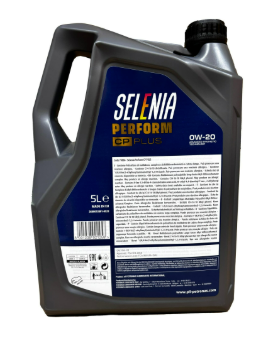
When Should You Use 0W-40 Oil?
You should opt for 0W-40 engine oil when your vehicle’s engine faces high-stress conditions like towing, mountain driving, or high-performance use. Because this oil maintains a thicker, more stable viscosity when hot, it provides vital protection for turbocharged engines and sports cars. I remember checking my dipstick after a grueling, hot July highway trip; the oil still felt solid, and my engine ran noticeably quieter and smoother than it did with lighter grades.
Vehicles That Often Use 0W-40
Engineers specify 0W-40 for vehicles that generate significant internal heat. You will typically see this oil grade recommended for:
- BMW: Various high-performance M-series and turbocharged models.
- Mercedes-Benz Group: Many sports engines that require high-temperature stability.
- Volkswagen Group: Specific turbocharged engines designed for spirited driving and sustained loads.
Benefits of 0W-40 Oil
When the temperature gauge climbs, this oil really shows its worth. I’ve found it provides peace of mind on long hauls:
- High-Heat Protection: It stays thick enough to prevent metal-on-metal contact when the engine is pushed hard.
- Stronger Film Strength: It creates a durable barrier between moving parts. Studies suggest that in high-shear environments, heavier multi-grade oils can maintain film integrity up to 20% better than lower-viscosity alternatives.
- Ideal for Performance: It is built for drivers who enjoy aggressive acceleration and weekend track days.
Trade-Offs to Consider
It isn’t always the perfect choice for every car. While it excels at protection, there are small sacrifices:
- Lower Efficiency: Because the oil is thicker when warm, it creates more fluid resistance. You might notice a slight drop in fuel economy compared to a lighter 0W-20.
- Slower Flow: At operating temperature, the thicker fluid doesn’t move quite as fast through the tiny oil passages in modern, fuel-efficient engines.
0W-20 vs 0W-40: Side-by-Side Comparison
If you’re standing in an auto parts aisle on a Saturday morning—coffee in one hand and two different oil bottles in the other—the choice can feel daunting. While both oils perform excellently in cold weather thanks to their shared “0W” winter rating, their behavior shifts significantly once your engine reaches operating temperature. Choosing the right one ultimately depends on whether you prioritize maximum fuel efficiency for your daily commute or robust film protection for more demanding, high-heat driving conditions.
Key Differences
When you compare these two oils directly, the differences in viscosity and protection become clear. Here is how they stack up for your engine:
| Feature | 0W-20 Engine Oil | 0W-40 Engine Oil |
| Viscosity (Hot) | Thinner | Thicker |
| Fuel Economy | Superior efficiency | Slightly lower mileage |
| Engine Protection | Best for light loads | Stronger for heavy stress |
| Typical Use Case | Daily city commuting | Performance or hot climates |
- Viscosity at Operating Temperature: 0W-20 is designed to be thin when hot to reduce drag, while 0W-40 remains thicker to provide a stronger protective barrier.
- Fuel Economy: Because 0W-20 creates less internal friction, it often yields a 1–3% fuel economy improvement, whereas 0W-40 might lead to a marginal decrease in efficiency in standard engines.
- Engine Protection: 0W-40 is generally more stable under extreme heat; research indicates that higher-viscosity oils are often less prone to “shearing” (losing their grade) when subjected to the high-pressure environments found in turbocharged or performance vehicles.
- Typical Use Case: If you spend your day in stop-and-go traffic, 0W-20 is usually your best friend. However, if you are hitting the mountain roads for a weekend getaway or driving a high-output engine, the added film strength of 0W-40 is worth the slight trade-off in fuel economy.
5W-40 vs 15W-40– Which Oil Is Best for Your Engine?
Can You Switch Between 0W-20 and 0W-40?
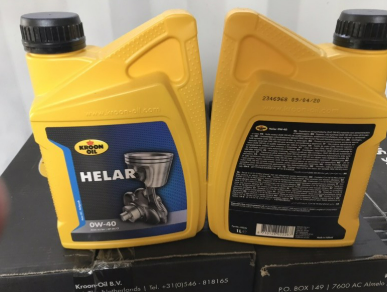
Technically, you can switch between these viscosities, but you should only do so if your manufacturer clearly lists both as acceptable for your engine. I once made the mistake of experimenting with a thicker oil in my small commuter car just to see what would happen. The engine immediately felt sluggish, and my fuel economy dropped noticeably. It was a costly, quick lesson in the importance of following the owner’s manual instead of guessing.
Situations Where Switching Might Work
There are rare times when moving to a different grade might be acceptable, provided your vehicle’s design allows for the variance:
- Extreme Heat: If you are traveling through regions with record-breaking temperatures, some manufacturers allow a temporary step up in viscosity to maintain oil pressure.
- High-Mileage Engines: Sometimes, older engines with wider internal clearances benefit from slightly thicker oil to maintain better compression and reduce oil consumption.
- Demanding Conditions: If you are pushing your car to its absolute limits on a track during a weekend event, some performance manuals suggest a temporary switch to handle the extra thermal stress.
Situations Where You Should Not Switch
Most of the time, the risk of switching simply isn’t worth it. You should strictly avoid changing your oil grade if:
- Your Car Is Under Warranty: Using the wrong oil can give a manufacturer a valid reason to deny an expensive engine repair claim.
- Hybrid or Efficiency Engines: These engines are built with extremely tight internal channels. Using a thicker oil like 0W-40 can increase internal drag by up to 5% or more, causing the engine to work harder and wear out faster.
- Strict Viscosity Requirements: If your manual lists only one grade, sticking to that exact specification is vital. Modern variable valve timing systems often rely on very specific oil flow rates to function correctly.
Climate and Driving Style: Which Oil Performs Better?
Your daily driving habits and your local climate are just as important as your car’s engine design when picking oil. I’ve found that 0W-20 is the clear winner for icy winter mornings and heavy city traffic because it flows instantly. If your life involves mountain passes, heavy towing, or long summer road trips in desert heat, 0W-40 is the better choice. It maintains a stable, protective barrier when your engine is pushed to the limit.
Best Oil for Cold Weather
Both 0W-20 and 0W-40 handle cold starts well because they start with the same “0W” rating. This means the oil remains fluid enough to reach critical engine parts the moment you turn your key. On a freezing Monday morning, this fast circulation is what saves your engine from wear. Since 0W-20 is naturally thinner, some drivers feel the engine turns over slightly faster, giving them a bit of extra peace of mind.
Best Oil for Hot Weather
When the thermometer hits triple digits on a mid-summer holiday, your oil has a tough job. This is where the second number really matters. 0W-40 provides much stronger high-temperature protection than 0W-20. Under intense heat, thin oils can start to thin out too much, which puts your engine at risk. The 0W-40 grade stays thick enough to keep those moving parts shielded, even when you’re stuck in a summer traffic jam.
Best Oil for Heavy Driving
If you enjoy driving, you need oil that can keep up with your lifestyle. I always recommend 0W-40 for the following high-stress scenarios:
- Towing: Pulling a trailer adds massive strain to your engine’s internal parts. The extra thickness of 0W-40 keeps everything lubricated under that heavy load.
- Mountain Driving: Climbing steep grades works your engine harder. 0W-40 maintains better pressure here.
- Performance and Track Use: If you like driving your car hard on the weekend, 0W-40 helps prevent “shear,” where oil loses its thickness. Did you know that some high-stress oils can shear out of grade twice as fast if they aren’t meant for the task? That is exactly why I stick to the heavier, more durable 0W-40 for my own spirited weekend runs.
How to Choose the Right Oil for Your Engine
The safest choice is always to follow what the car manufacturer recommends. Your owner’s manual tells you the exact oil viscosity needed based on how your engine was built and tested. If you ever feel unsure, a quick look under the hood for a sticker or checking your manual usually solves the mystery much faster than any long debate you might find online.
Check the Owner’s Manual First
Your manual is the ultimate guide for your vehicle. Manufacturers spend millions testing different oil grades to ensure long-term reliability.
- Manufacturer-Approved Grades: Only use oil that meets the specific viscosity and quality standards listed in your book.
- API or Manufacturer Specs: Look for the seal from the American Petroleum Institute (API) on the back of the bottle. This proves the oil meets the industry standards required for your engine. Using the wrong certification can lead to issues; for example, using an oil not rated for your specific engine can increase wear by up to 10% under high heat.
Consider Your Driving Conditions
How and where you drive should influence your maintenance routine.
- City vs. Highway: If you spend your day stuck in stop-and-go traffic, your oil works harder than you might think. Short trips in the city often prevent the oil from reaching the temperature needed to evaporate moisture.
- Climate Changes: If you live where winters are brutal, you need a 0W oil to ensure quick lubrication. If you live where it is always hot, you must ensure your chosen oil can resist thinning out at high speeds.
Think About Engine Age
Your engine’s history matters.
- Newer Engines: These are designed for thinner oils to help boost fuel economy and meet strict emission goals.
- Older Engines: Engines with over 150,000 kilometers often have larger gaps between parts. Some mechanics recommend moving to a slightly thicker oil to help maintain better pressure and reduce oil burning. Still, always consult your manual before making a permanent change, as modern engine parts are very sensitive to flow rates.
Is 0W-20 or 0W-40 Better for Engine Longevity?
Neither 0W-20 nor 0W-40 is “better” for engine longevity on its own. Your engine’s lifespan doesn’t depend on choosing between these two; it depends on using the specific oil your manufacturer designed for your engine and changing it on time. Whether you use a thinner or thicker oil, a clean engine with fresh, high-quality lubricant is the key to reaching hundreds of thousands of kilometers without major repairs.
Factors That Actually Affect Engine Life
If you want your engine to last, focus on the basics rather than just the oil grade. I’ve learned that these three habits are the true pillars of long-term reliability:
- Regular Oil Changes: Never stretch your drain intervals beyond what the manual says. Old oil loses its ability to neutralize acids and keep internal parts clean.
- High-Quality Synthetic Oil: Synthetic blends offer better thermal stability than conventional oil. Studies show high-quality synthetics are less prone to oxidation, which keeps your engine internals cleaner over time.
- Proper Oil Filter Maintenance: A premium filter is vital. It traps tiny metal particles that would otherwise cause “micro-abrasion,” where small bits of grit slowly grind down your engine’s bearings and cylinder walls.
Small Habits That Help Engines Last Longer
Over the years, I’ve developed a few simple habits that keep my daily driver running like new:
- Warm It Up Gently: On cold mornings, I let the engine idle for about thirty seconds. This gives the oil just enough time to circulate before I ask the engine to do any heavy lifting.
- Avoid Constant Short Trips: My engine is happiest when it reaches full operating temperature. If I only take short, two-minute trips to the store, moisture builds up in the oil. I make sure to take it on a longer drive at least once a week to “burn off” that buildup.
- Check Levels Regularly: Every second Sunday, I pop the hood. Checking your dipstick takes only a minute, but it’s the best way to catch a minor leak before it becomes a major, engine-killing problem.
Final Verdict: 0W-20 vs 0W-40
0W-20 is ideal for newer sedans, hybrids, and city driving — it saves fuel and flows easily on cold mornings. 0W-40 shines in high-performance, turbocharged, or hot-climate driving, offering stronger protection under stress.
FAQs on 0W-20 vs 0W-40
FAQ 1: What is the main difference between 0W-20 and 0W-40 oil?
The main difference is viscosity at operating temperature. Both oils have a 0W rating, which means they flow well in cold weather, but 0W-20 is thinner, helping with fuel efficiency and quick cold starts, while 0W-40 is thicker, offering better protection under heat and high engine stress. Car enthusiasts often notice this difference on hot summer drives or long weekend road trips.
FAQ 2: Can I use 0W-40 instead of 0W-20 in my car?
Only if your vehicle manufacturer approves it. Switching to a thicker oil like 0W-40 can reduce fuel economy and alter engine behavior, especially in newer fuel-efficient sedans or hybrids. Some drivers use 0W-40 temporarily in high-mileage engines or during extreme heat, but always check your owner’s manual first.
FAQ 3: Which oil is better for fuel efficiency, 0W-20 or 0W-40?
0W-20 is generally better for fuel efficiency because it’s thinner and reduces engine drag. It’s ideal for city commuting, stop-and-go traffic, or cold winter mornings. 0W-40 sacrifices a little efficiency but excels at high-temperature protection and heavy load conditions.
FAQ 4: Which oil is better for high-performance or turbocharged engines?
0W-40 is preferred for high-performance, turbocharged, or sports engines. Its thicker viscosity at operating temperature maintains a stronger oil film, protecting engine parts during spirited weekend drives, towing, or mountain trips.
FAQ 5: Is 0W-20 safe for hot climates?
Yes, but it has limitations. 0W-20 flows quickly in heat but doesn’t provide as much high-temperature protection as 0W-40. For hot summer highways or extended driving under load, 0W-40 is often safer, while 0W-20 works well for regular commuting or mild climates.
FAQ 6: How do I know which oil my car needs, 0W-20 or 0W-40?
Check your owner’s manual or under-hood sticker, which lists manufacturer-recommended viscosity. Consider engine type, driving style, and climate. Newer engines usually prefer 0W-20, while performance or older engines might benefit from 0W-40.
FAQ 7: Will using the wrong viscosity oil damage my engine?
Using the wrong viscosity can reduce protection, cause increased engine wear, or impact fuel economy, especially in new or tightly engineered engines. Occasional use of a thicker oil like 0W-40 in older engines is sometimes acceptable, but long-term use outside manufacturer specs is risky.
FAQ 8: How often should I change 0W-20 or 0W-40 oil?
Change synthetic oils like 0W-20 or 0W-40 every 5,000–10,000 km (or as specified in your manual). Frequent short trips, hot climates, or heavy loads may require more frequent oil changes. Many car owners find weekend DIY oil checks help prevent low oil warnings and maintain engine longevity.