
The difference between 10W-30 and 10W-40 engine oil is their thickness at operating temperature. Both flow similarly when cold (10W), but 10W-40 is thicker at high temperatures, offering better protection for older engines or high-heat conditions, while 10W-30 can improve fuel efficiency and easier cold starts. Choosing the right oil depends on the vehicle manufacturer’s recommendation, engine age, and driving conditions.
Which Should You Choose? 10w30 vs 10w40 At-A-Glance
The main difference is the viscosity (thickness) when the engine is hot. While both behave like a 10-weight oil in winter, 10w40 stays thicker at high operating temperatures, providing a beefier cushion for older metal parts.
Feature 10w-30 High Mileage 10w-40 Full Synthetic Best For Modern daily drivers / Cold climates Older engines (75k+ miles) / Hot climates Fuel Economy Slightly better (lower friction) Standard Protection High-speed efficiency Maximum seal protection & leak prevention Price Check Price on Amazon Check Price on Amazon Top Recommendation for Older Engines: Mobil 1 High Mileage Full Synthetic 10W-40
If you are debating 10w30 vs 10w40 because your engine is starting to “burn” oil or has a small leak, 10w40 is the industry standard. This specific Mobil 1 formula contains seal conditioners that help stop leaks that thinner 10w30 might slip through.
Choosing the right engine oil can make a big difference in how your vehicle runs and lasts. If you’ve ever wondered about the difference between 10W30 and 10W40, you’re not alone.
Picking the wrong one might cause your engine to work harder or wear out faster. But don’t worry—this article will help you understand exactly what sets these two oils apart. By the end, you’ll know which one suits your car best and how it can protect your engine better.
Keep reading to make a smart choice for your vehicle’s health.
Viscosity Basics
Viscosity Basics play a key role in choosing the right engine oil. Viscosity measures how thick or thin an oil is at certain temperatures. It affects how well the oil flows through the engine, protecting parts from wear and tear. Understanding the difference between 10W30 and 10W40 oils helps you pick the best option for your vehicle’s needs and driving conditions.
What Do 10w30 And 10w40 Mean
The numbers and letters in 10W30 and 10W40 describe the oil’s viscosity at different temperatures. The “10W” part stands for the oil’s flow in cold weather. The “W” means winter. The lower this number, the better the oil flows when the engine is cold.
The second number (30 or 40) shows how thick the oil stays at high engine temperatures. A higher number means the oil is thicker when hot.
| Oil Grade | Cold Temperature Rating | Hot Temperature Viscosity | Flow Characteristic |
|---|---|---|---|
| 10W30 | 10W | 30 | Flows well when cold, medium thickness when hot |
| 10W40 | 10W | 40 | Flows well when cold, thicker when hot |
Both oils perform similarly in cold weather, ensuring easy engine starts. The key difference lies in how thick they stay at high temperatures. 10W40 oil is thicker when hot, offering more protection under heavy loads or high heat. 10W30 is thinner at high temperatures, which can improve fuel economy slightly.
- 10W30: Better for regular driving and moderate temperatures.
- 10W40: Suited for hotter climates or engines under more stress.
A systematic lab evaluation of viscosity behavior across engine oils showed variability up to ~25% even within the same grade, highlighting the importance of laboratory viscosity profiles in selecting oil for peak performance.
How Viscosity Affects Engine Performance
Viscosity impacts engine parts’ protection and overall performance. Oil that is too thin may not protect well at high temperatures. Oil that is too thick can reduce engine efficiency and increase fuel consumption.
Here are key effects of viscosity on engine performance:
- Lubrication: Proper viscosity keeps engine parts separated to prevent wear.
- Engine Start: Lower viscosity oils flow easier at cold start, reducing wear.
- Fuel Efficiency: Thinner oils reduce friction, helping save fuel.
- Heat Protection: Thicker oils maintain a strong film to protect parts at high temperatures.
Choosing the right viscosity oil balances these factors. For example, 10W30 offers easier flow and good protection in most conditions. 10W40 provides extra protection in hot weather or under heavy engine loads.
| Viscosity Effect | 10W30 | 10W40 |
|---|---|---|
| Cold Start Flow | Good | Good |
| High Temp Protection | Moderate | Better |
| Fuel Economy | Better | Lower |
| Engine Wear Protection | Good for normal use | Better for heavy use |
Proper viscosity ensures the engine runs smoothly. It also extends engine life by protecting parts from damage. Always follow your vehicle manufacturer’s recommendations for oil viscosity to maintain optimal performance.
5W20 vs 5W30– Fuel Economy, Protection & Performance Compared
10w30 Vs 10w40 – Key Technical Differences
The choice between 10W30 and 10W40 motor oils can impact your engine’s performance, protection, and efficiency. Both oils share the same cold viscosity rating, but their behavior varies significantly as the engine heats up. Understanding the key technical differences between these two grades helps you pick the right oil for your vehicle, climate, and driving style. This section breaks down the main contrasts under essential performance aspects.
Cold‑start Behavior
Both 10W30 and 10W40 oils have the same “10W” rating. The “W” stands for winter, indicating their viscosity at low temperatures. This means:
- Similar flow and pumpability during cold starts
- Good lubrication when the engine is cold
- Reduced wear from friction during startup
Since cold-start performance depends on the first number, both oils perform equally well in cold weather. This is important because cold oil flows slower, causing more engine wear. Both oils warm up quickly enough to protect moving parts.
In very cold climates, 10W30 or 10W40 oils behave almost the same. Neither is thicker or thinner at startup. The difference appears once the engine reaches operating temperature.
High‑temperature Properties
The main technical difference lies in the second number: 30 vs. 40. This number shows the oil’s viscosity at high engine temperatures. A higher number means thicker oil when hot.
- 10W30 oil is thinner at operating temperature, offering easier flow.
- 10W40 oil remains thicker, providing a stronger protective film.
Thicker oil like 10W40 is better for:
- Engines under heavy load or high heat
- Older engines with worn seals
- High-performance or turbocharged engines
Thinner 10W30 oil suits:
- Modern engines designed for lower viscosity oils
- Normal driving conditions
- Better fuel economy needs
Choosing oil with the right high-temp viscosity protects engine parts from wear and overheating.
5W30 vs 5W40 – Fuel Economy vs Engine Protection Explained
Fuel Economy & Efficiency
Viscosity affects how hard the engine works to move oil. Thicker oils increase resistance, reducing fuel efficiency. Here’s how 10W30 and 10W40 compare:
- 10W30 oil reduces engine drag due to lower viscosity.
- It helps improve fuel economy slightly compared to 10W40.
- 10W40 oil offers better protection but can cause more friction.
- This friction may lower miles per gallon (MPG) by a small margin.
Choosing 10W30 can save fuel, especially in city driving or cooler climates. Vehicles designed for lighter oils benefit from 10W30’s efficiency. On the other hand, if engine protection under stress is a priority, 10W40’s thicker layer may justify the minor fuel loss.
Cost Differences
Price often depends on oil brand, type, and additives, but viscosity can influence cost.
- 10W30 oils are widely produced and usually less expensive.
- 10W40 oils can cost slightly more due to thicker base oils and additives.
- Some synthetic 10W40 oils have advanced additives, raising their price further.
For most daily drivers, 10W30 provides good value. For engines needing extra protection, paying more for 10W40 makes sense. Cost differences are often small compared to engine maintenance expenses.
Comparison Table Of 10w30 Vs 10w40
| Feature | 10W30 | 10W40 |
|---|---|---|
| Cold-start viscosity | Good (flows easily at low temps) | Good (flows easily at low temps) |
| High-temp viscosity | Thinner (better flow at engine temp) | Thicker (stronger film at engine temp) |
| Engine protection | Suitable for normal engines | Better for high-load or older engines |
| Fuel economy | Better (lower friction) | Lower (higher friction) |
| Cost | Generally less expensive | Often slightly more expensive |
Choosing between 10W30 and 10W40 depends on your engine type, driving style, and climate. Both have pros and cons that impact performance, protection, and cost.
Engine & Application Considerations
Choosing between 10W30 and 10W40 engine oils depends on the engine type and how it is used. Both oils have the same cold temperature rating but differ in thickness at high temperatures. These differences affect engine protection, fuel efficiency, and performance. Understanding engine and application factors helps pick the right oil for your vehicle or machine.
Cars
Most passenger cars use either 10W30 or 10W40 oil based on the engine design and driving conditions. 10W30 is thinner at high temperatures, which helps improve fuel economy and reduce engine drag. This makes it a common choice for newer cars with tighter engine tolerances.
10W40 is thicker when hot, offering better protection for older engines or those with higher wear. It helps maintain oil pressure and reduces metal-to-metal contact in engines with larger clearances.
- Use 10W30 if: Your car is modern, runs mostly in city traffic, and the manufacturer recommends it.
- Use 10W40 if: Your car is older, has higher mileage, or you often drive in tough conditions like towing or mountainous roads.
| Oil Type | High Temp Viscosity | Best For | Fuel Economy |
|---|---|---|---|
| 10W30 | Thinner | Modern Cars, City Driving | Better |
| 10W40 | Thicker | Older Cars, Heavy Load | Lower |
Motorcycles
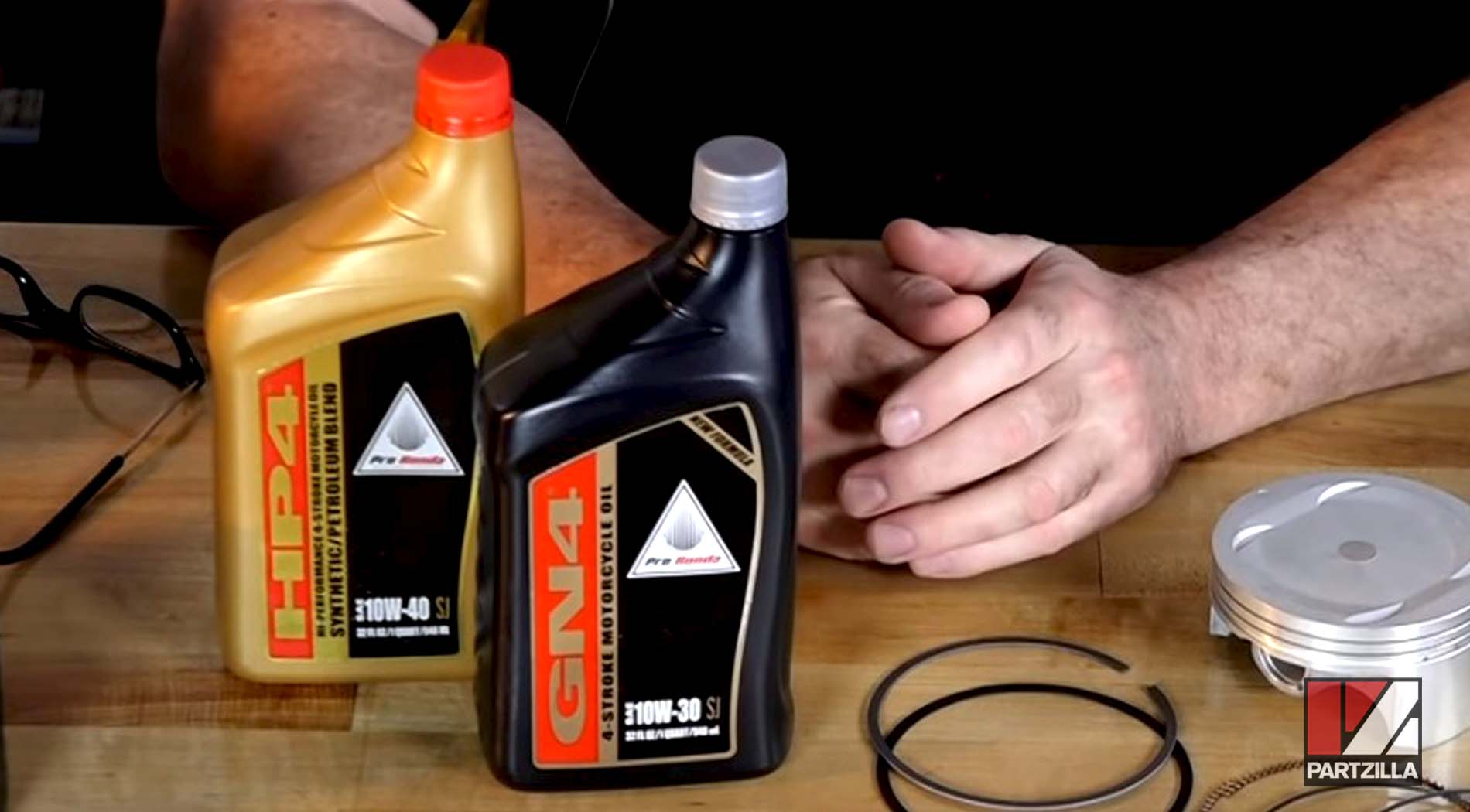
Motorcycle engines demand specific oil viscosities due to their design and operating conditions. 10W30 is often preferred for lightweight bikes and those running in moderate climates. It flows well during cold starts and protects engine parts efficiently at normal temperatures.
For heavier motorcycles or those with air-cooled engines, 10W40 provides stronger protection against heat and engine wear. It helps maintain pressure under hard acceleration and high RPMs.
- Sport bikes might benefit from 10W30 for smoother clutch operation and fuel efficiency.
- Cruisers or touring bikes often use 10W40 for better high-temp protection during long rides.
Using the correct oil viscosity can prevent engine damage and improve performance. Always check the motorcycle manual for recommended grades.
High Mileage, Turbo & Performance Engines
High mileage and turbocharged engines face more stress and heat than regular engines. Choosing the right oil viscosity is crucial for their health and longevity.
10W40 oil provides a thicker oil film that better protects worn engine parts and handles the extra heat from turbochargers. This thickness reduces oil consumption and leakage common in older engines.
Performance engines running at high RPMs benefit from 10W40 as it resists thinning under extreme conditions. However, 10W30 may be suitable for well-maintained high-performance engines with tight tolerances and advanced materials.
- Turbo engines generate more heat, needing thicker oil like 10W40.
- High mileage engines often have larger gaps, making 10W40 better for sealing.
- Performance engines require oils that maintain viscosity at high speeds.
Choosing the right oil helps keep engine parts lubricated and running smoothly under pressure.
Seasonal & Climate Factors
Both 10W30 and 10W40 have the same cold temperature rating (10W), meaning they perform similarly in cold weather starts. The difference lies in their behavior at operating temperatures.
In hot climates, 10W40 is often better because its thicker viscosity protects the engine from heat and wear. It maintains oil pressure and reduces thinning caused by high temperatures.
In cooler or moderate climates, 10W30 helps improve fuel efficiency and reduces engine strain. It flows more easily at normal engine temperatures, protecting moving parts without being too thick.
| Climate | Recommended Oil | Reason |
|---|---|---|
| Hot / Tropical | 10W40 | Thicker oil prevents thinning and protects engine |
| Cool / Moderate | 10W30 | Flows easily, improves fuel economy |
Seasonal oil changes may require switching between these viscosities to match weather conditions and keep engines protected year-round.
Credit: bobistheoilguy.com
10W30 and 10W40 Performance Implications By Scenario
Choosing the right motor oil impacts how your engine performs in different situations. Both 10W30 and 10W40 oils have unique traits that affect engine protection and efficiency. Understanding their performance differences by scenario helps pick the best option for your vehicle’s needs.
Performance In Cold Weather
Both 10W30 and 10W40 start with a “10W” rating, meaning they flow well in cold temperatures. This helps engines start smoothly in winter. However, 10W30 is slightly thinner at operating temperature, which can improve fuel efficiency in cold climates.
- 10W30: Better for cold starts and light cold weather driving.
- 10W40: Still good in cold but thicker when warm, offering extra protection.
Performance In Hot Weather
In high temperatures, oil thickness matters more. 10W40 is thicker than 10W30 at engine temperature, so it protects better against wear and heat breakdown.
- 10W30: May thin out too much in very hot conditions, reducing protection.
- 10W40: Provides stronger film strength, ideal for hot climates or heavy engine loads.
Performance For High Mileage Engines
Older engines often benefit from thicker oil. 10W40’s higher viscosity at operating temperature helps reduce oil leaks and burn-off in worn engines.
- 10W30: Suitable for newer engines with tighter seals.
- 10W40: Better choice for engines with higher mileage or slight wear.
Performance During Heavy Load Or Towing
Engines under heavy load need oil that resists thinning under stress. 10W40 holds up better under pressure, protecting engine parts during towing or hauling.
- 10W30: Good for light-duty driving without heavy loads.
- 10W40: Stronger protection under heavy load or high RPMs.
Summary Table: 10w30 Vs 10w40 Performance By Scenario
| Scenario | 10W30 | 10W40 |
|---|---|---|
| Cold Weather | Flows easily, better fuel economy | Good flow, thicker at operating temp |
| Hot Weather | May thin too much | Thicker, better wear protection |
| High Mileage Engines | Best for newer engines | Reduces leaks and oil burn-off |
| Heavy Load/Towing | Less protection under stress | Better pressure resistance |
Choosing The Right Oil
Choosing the right oil between 10W30 and 10W40 is key for your engine’s health. Both oils share a similar cold start rating but differ in thickness at high temperatures. This difference affects how well your engine parts stay protected under heat and pressure. Selecting the proper oil helps your engine run smoothly, saves fuel, and reduces wear over time. Understanding factors like manufacturer advice, driving style, and whether you can swap one for the other guides you to the best choice for your vehicle.
Manufacturer Guidelines
Car makers test and recommend oils based on your engine’s needs. Always follow the manufacturer’s oil viscosity recommendations listed in the owner’s manual or on the oil cap. These guidelines consider engine design, climate, and performance demands. Using the right viscosity helps maintain proper lubrication and protects against engine damage.
- Check the manual: Look for the oil grade like 10W30 or 10W40.
- Consider warranty rules: Using incorrect oil may void warranty coverage.
- Climate note: Some manufacturers suggest different oils for hot or cold regions.
| Manufacturer | Recommended Oil Grade | Reason |
|---|---|---|
| Toyota | 10W30 | Optimal for moderate temperatures and fuel efficiency |
| Ford | 10W40 | Better for high engine temperatures and heavy loads |
| Honda | 10W30 | Balances cold start performance and engine protection |
Ignoring these guidelines risks engine wear or poor performance. Follow your vehicle’s advice strictly.
Personal Driving Habits
How you drive affects the oil your engine needs. Heavy loads, stop-and-go traffic, or high-speed driving raise engine temperature. This condition may require thicker oil like 10W40 for better protection. Light, steady driving in cooler climates often suits 10W30 well.
Consider these points:
- City driving: Frequent stops mean more heat spikes.
- Highway driving: Consistent speeds keep engine temps stable.
- Towing or heavy loads: Creates more engine stress and heat.
- Climate: Hotter weather demands thicker oil for protection.
| Driving Condition | Recommended Oil | Reason |
|---|---|---|
| Light city driving | 10W30 | Good flow and protection for moderate use |
| Heavy city or stop-and-go | 10W40 | Extra thickness helps resist heat breakdown |
| Long highway trips | 10W30 | Maintains fuel efficiency and lubrication |
| Towing or heavy loads | 10W40 | Better protection under stress and heat |
Match your oil choice to your driving style for best engine care.
Can You Substitute One For The Other?
Swapping 10W30 with 10W40 is possible but not always ideal. Both oils flow similarly when cold but differ in thickness at high temperatures. Using a thicker oil like 10W40 may protect better in hot conditions but could reduce fuel economy slightly.
Points to consider before swapping:
- Check if your vehicle allows a different viscosity grade.
- Use 10W40 in hotter climates or for heavy-duty driving.
- Stick to 10W30 for normal driving and cooler weather.
- Avoid mixing oils with very different viscosities unless recommended.
Risks of improper substitution:
- Poor engine protection in extreme temperatures
- Increased engine wear or sludge buildup
- Possible warranty issues
Always consult your manual or a trusted mechanic before changing oil grades. Substitution should be a thoughtful choice, not just convenience.
Frequently Asked Questions
What Is The Main Difference Between 10w30 And 10w40 Oil?
The main difference lies in their viscosity at high temperatures. 10W40 is thicker than 10W30, providing better protection in hotter conditions. Both have the same cold-start viscosity but differ in performance when the engine runs hot.
Which Oil Is Better For High-temperature Climates?
10W40 oil is better suited for high-temperature climates. Its higher viscosity protects engine parts more effectively during extreme heat. This reduces wear and maintains engine performance under hot conditions compared to 10W30.
Can I Use 10w30 Instead Of 10w40 In My Car?
You can use 10W30 instead of 10W40 if your vehicle manufacturer allows it. 10W30 is thinner at high temperatures, which may reduce protection in hot climates. Always check your owner’s manual before switching oil grades.
How Does 10w30 Oil Affect Fuel Efficiency?
10W30 oil is thinner at operating temperatures, which can improve fuel efficiency. It reduces engine drag and helps the engine run smoother. Thinner oil like 10W30 is often preferred for better mileage in moderate climates.
Conclusion
Choosing between 10W30 and 10W40 depends on your engine’s needs. 10W30 works well in normal temperatures and lighter engines. 10W40 suits hotter climates and engines with more wear. Check your vehicle’s manual for the right choice. Using the correct oil keeps your engine running smooth.
It also helps protect parts and saves fuel. Remember, regular oil changes matter more than the number. Stay informed to keep your car healthy and strong. Simple steps lead to longer engine life.