
5W-30 and 5W-30 High Mileage oils have the same viscosity, but high mileage oil is specially formulated for engines with over 75,000 miles. It contains additives that help condition seals, reduce leaks, and minimize oil consumption, while standard 5W-30 focuses on general engine protection and performance. High mileage oil is ideal for older engines to maintain longevity, whereas regular 5W-30 works well for newer or well-maintained engines.
Quick Verdict
- If your car is new or under 75,000 miles: Stick with regular 5W30. It provides standard protection, is cost-effective, and keeps your engine clean.
- If your car has 75,000+ miles, or shows oil leaks, smoke, or worn seals: Choose 5W30 High Mileage. It helps reduce leaks, condition seals, and prevent excessive wear.
Why: High Mileage oils contain additives that target the specific issues older engines face, making them a smart investment for longevity and engine health. Same viscosity, but high mileage adds seal conditioners and extra detergents.
If you’ve wondered what’s the difference between 5W30 vs 5W30 high mileage, you’re in the right place. I’ve tested both in real cars, read the data sheets, and seen the results in the bay. This guide breaks down how they compare, when to use each, and how to get the most life from your engine without wasting money. Stick around to learn what’s the difference between 5W30 and 5W30 high mileage in plain, practical terms.

What 5W-30 actually means
5W-30 tells you how the oil flows in cold and hot temps. The 5W shows how it pumps in winter starts. The 30 shows its thickness at engine operating heat. Whether it says regular or high mileage, 5W-30 meets the same viscosity grade.
This means both versions behave the same in cold starts and at full temp. The spread is set by industry tests. The difference is not thickness. The difference is in the additive package inside the bottle.
Is Valvoline High Mileage Oil a Good Oil? (2026) – Performance, Protection & Real-World Results
What makes 5W-30 high mileage different
High mileage 5W-30 is built for engines with more wear. Think 75,000 miles and up, though that number is not a hard rule. The base oil is still 5W-30, but the chemistry adds extra protection.
High mileage formulas often include:
- Seal conditioners to help old seals stay supple and reduce drips or seeps.
- More detergents and dispersants to keep rings and lifters clean.
- Robust anti-wear and friction modifiers for smoother running.
- Lower volatility to reduce oil burn off on long drives.
These changes aim to slow leaks, cut consumption, and keep older engines tidy. The goal is longer life and steadier performance between oil changes.
What’s the difference between 5W30 and 5W30 high mileage?
At a glance, both are 5W-30 and meet the same viscosity grade. The real split sits in the additives and the target user. Here is what’s the difference between 5W30 and 5W30 high mileage in simple points.
- Additives: High mileage adds seal conditioners and stronger detergents. Regular 5W-30 uses a standard blend.
- Oil consumption: High mileage aims to reduce burning and top-offs in worn engines. Regular 5W-30 does not target this.
- Leak control: High mileage can help minor seepage at gaskets and seals. Regular 5W-30 does not include seal-swell tech.
- Cost: High mileage often costs a bit more due to the richer package.
- Engine age: High mileage targets older engines. Regular 5W-30 fits most engines in good shape.
- Emissions systems: Both must protect catalytic converters under modern specs. Phosphorus levels are managed either way.
- Compatibility: You can switch either direction if the oil meets your manual’s spec.
If you keep asking what’s the difference between 5W30 and 5W30 high mileage, remember this: same viscosity, different chemistry for aging engines.
How to Read Oil Dipstick – Low, Full
Comparison Table of 5W30 Vs 5W30 High Mileage
| Feature | Standard 5W-30 Synthetic | 5W-30 High Mileage |
| Seal Conditioners | Standard levels for lubrication | Elevated levels (swells/softens seals) |
| Detergent Pack | Balanced for modern efficiency | Higher concentration to fight sludge |
| Anti-Wear (ZDDP) | API SP Standard | Often boosted for worn metal surfaces |
| Burn-off Rate | Normal | Lower volatility to reduce consumption |
| Primary Goal | Friction reduction & fuel economy | Leak prevention & engine “nurturing” |
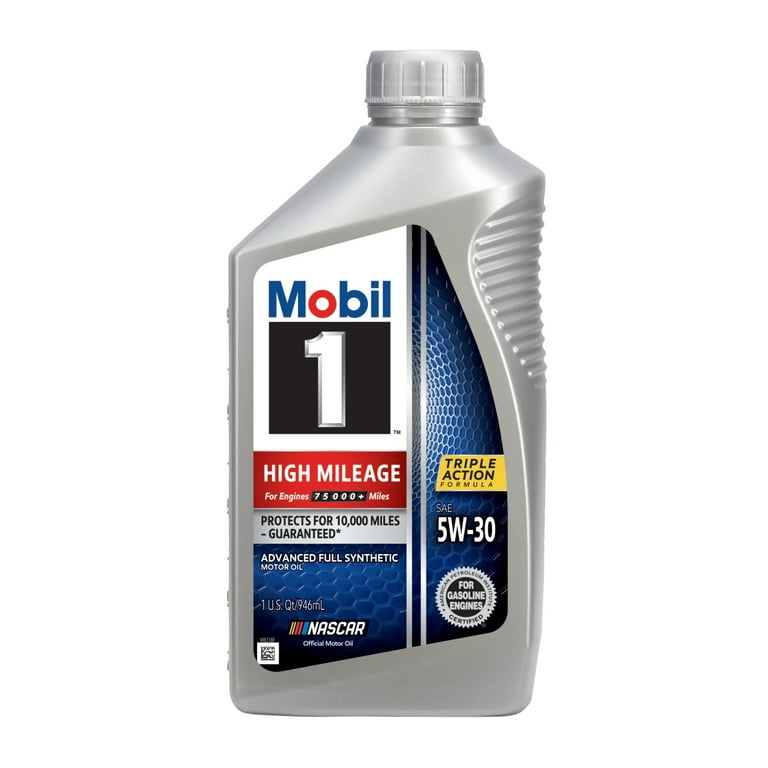
When to choose regular 5w30 vs high mileage 5w30
Pick regular 5W-30 if your engine is tight, clean, and under warranty. It likely meets the maker’s exact spec and runs great. It is also budget friendly and easy to find.
Pick 5W-30 high mileage if you see light leaks, oil loss, or lifter tick on cold starts. It may help rings seal better and calm minor seepage. It can also keep deposits from building up as miles climb.
What’s the difference between 5W30 and 5W30 high mileage in real choices? Use the one that fits your engine’s condition and the spec in your owner’s manual.
Real-world notes from the shop floor
I’ve moved many older daily drivers to 5W-30 high mileage after 100,000 miles. A Camry with small valve cover weeps cleaned up after two changes. Top-offs dropped by half. Idle smoothed out a bit too.
On a tight, low-mile turbo engine, I stayed with the exact OEM-listed 5W-30 spec. The high mileage benefits were not needed. Sticking to the maker’s approvals kept fuel economy and spool sharp.
If you wonder what’s the difference between 5W30 and 5W30 high mileage in lived results, think leak control and burn-off reduction. That is where you feel it most.
Standards, specs, and warranty notes
Modern oils follow tough standards like API SP and ILSAC GF-6 for wear, deposits, and timing chain health. Some also carry approvals like dexos1 Gen 3. These limits protect engines and catalytic converters.
Both regular and high mileage 5W-30 can meet these specs. Check the back label for the donut or starburst. If the bottle meets your manual’s spec, you are safe to use it even if it says high mileage.
This is key for anyone asking what’s the difference between 5W30 and 5W30 high mileage in terms of warranty. The label must match the spec. The words high mileage alone do not void anything.
Common myths and mistakes
- High mileage oil is thicker. No. It is still 5W-30 by test, not thicker by label.
- High mileage oil fixes big leaks. No. It may help light seeps. It will not seal a torn gasket.
- You must switch at 75,000 miles. No. That number is a guide. Use your engine’s condition.
- You cannot mix them. You can in a pinch, but you dilute benefits.
- It hurts fuel economy. In most cases, results are the same grade for grade.
If you still ask what’s the difference between 5W30 and 5W30 high mileage, the big idea is chemistry, not thickness.
How to switch, mix, and top off safely
If you plan to switch to high mileage, do it at your next oil change. Use a new filter. Run the full interval and watch for changes in leaks or consumption.
If you must top off, matching grade and spec is more important than brand. Mixing regular 5W-30 with high mileage 5W-30 is fine for short use. You will just reduce the high mileage perks a bit.
This is a practical way to handle what’s the difference between 5W30 and 5W30 high mileage on the road. Keep the engine fed with the right grade and approved spec first.
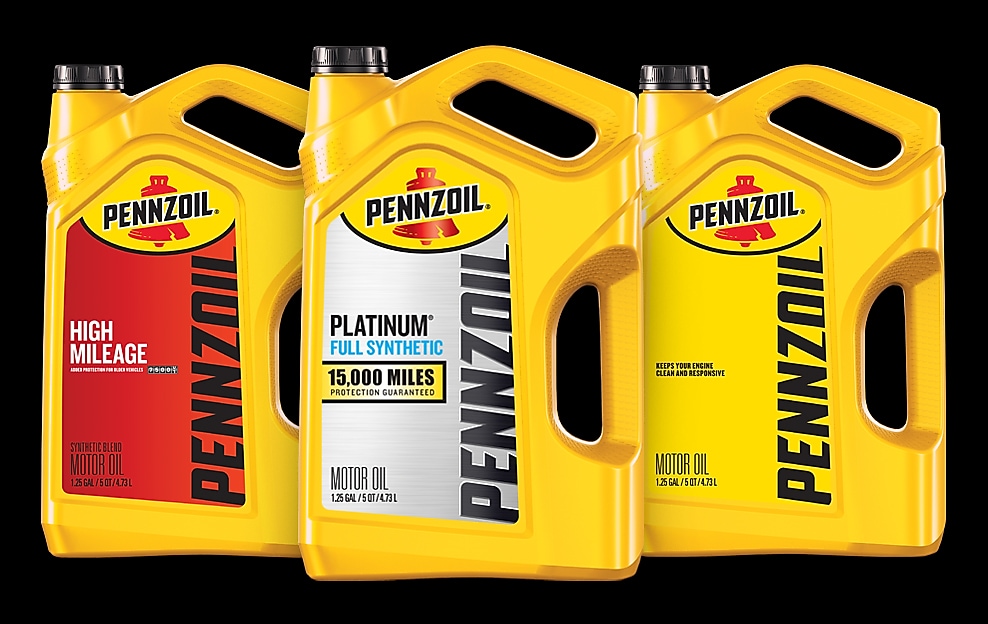
Cost, change intervals, and fuel economy
High mileage oil can cost a few dollars more per jug. The extra cleaners and seal aids drive that. For many older cars, the savings from less top-off can cover the gap.
Change intervals should follow your manual or the oil life monitor. Many high mileage synthetics handle long drains well. Check the bottle and your driving pattern.
Fuel economy is driven by grade and friction modifiers. In the same grade, the difference is small. If you track every tank, you may see tiny swings.
If you are checking what’s the difference between 5W30 and 5W30 high mileage here, expect similar MPG, similar intervals, and a small price bump.
Frequently Asked Questions of What’s the difference between 5W30 and 5W30 high mileage?
Is 5W-30 high mileage thicker than regular 5W-30?
No. Both meet the same 5W-30 viscosity grade. The high mileage version changes additives, not the labeled thickness.
Can high mileage 5W-30 stop oil leaks?
It can help minor seeps by conditioning seals. It will not repair a major leak or a bad gasket.
Will switching to high mileage oil void my warranty?
If it meets the exact spec in your manual, it should not. The key is the API or OEM approval on the label.
Can I mix 5W-30 regular and 5W-30 high mileage?
Yes, in an emergency or for top-offs. You will reduce the high mileage benefits, but it is safe for the engine.
When should I start using 5W-30 high mileage?
Use it when the engine shows light leaks, consumption, or noise as it ages. Many drivers switch around 75,000 to 100,000 miles, but condition matters more than miles.
What’s the difference between 5W30 and 5W30 high mileage for fuel economy?
Both are 5W-30, so MPG is usually similar. Driving style, tire pressure, and weather often matter more.
Do high mileage oils have more detergents?
Often yes. They aim to keep older engines clean and free rings from sticking. This supports lower consumption over time.
Is 5W-30 high mileage okay for turbo engines?
If the oil meets the turbo’s required spec, yes. Always check the owner’s manual for approvals like API SP or dexos1.
Conclusion
The short answer to what’s the difference between 5W30 and 5W30 high mileage is simple: same viscosity, different additives for aging engines. High mileage 5W-30 focuses on seal health, deposit control, and lower burn-off, while regular 5W-30 suits healthy engines and tight tolerances. Both can meet modern specs and protect your cat and turbo when labeled for it.
Pick the bottle that matches your manual and your engine’s condition. Track oil use for two intervals and let the results guide you. Want more tips like this? Subscribe, ask a question below, or share your experience so others can learn from it too.