
When comparing 5W40 vs 10W40, the main difference is cold-weather performance. 5W40 flows better in low temperatures, making it ideal for colder climates and easier engine startups. 10W40 is thicker in cold conditions but performs similarly at normal operating temperatures. Choosing between them depends on your climate and your vehicle manufacturer’s recommendation.
Top 5 Best Engine Oil for Car: Top Valvoline Picks for Maximum Performance
What Is the Difference Between 5W40 and 10W40?
The short answer is all about the cold start. In my experience, 5W40 flows better when your engine is cold, while 10W40 feels a bit thicker and slower to move on a chilly morning. Once your car warms up, both oils act almost exactly the same to protect your engine.
I remember waking up on a Saturday morning in Chicago last January. The thermometer hit $-10$ degrees, and my car sounded like a skeleton falling down a flight of stairs. That’s when I realized that the “W” in these numbers isn’t just a label—it’s a lifesaver for your metal parts.
Understanding Viscosity Ratings (SAE Explained)
When you look at a bottle of oil, you’ll see “SAE” on the label. This is basically a grade given by the Society of Automotive Engineers. It tells us how the oil behaves.
- The “5W” and “10W” stand for Winter. This tells you how well the oil flows when you first turn the key.
- The “40” is the thickness when the engine is hot (usually around $100$°C).
Think of it like honey in the fridge. On a cold day, 10W40 is like thick syrup. 5W40 is more like water, so it splashes onto your engine parts much faster to stop them from grinding together.
Cold Temperature Flow Comparison
I’ve spent plenty of time under hoods, and I can tell you: 5W40 is the winner for winter.
- 5W40: It’s thinner when cold. It gets to the top of the engine in a heartbeat.
- 10W40: It’s slightly thicker. It takes a second longer to reach those high-friction spots.
Once you’ve been driving for fifteen minutes, this difference disappears. Both oils thin out and do their job. But those first few seconds are where most engine wear happens. If you live somewhere with frosty windshields, your car will thank you for using 5W40.
High-Temperature Protection (The “40” Part)
Once both oils reach their operating temperature, they are basically twins. Since both end in “40,” they provide the same level of “body” to protect your engine under pressure.
Both oils will:
- Stay thick enough to coat your engine when it’s hot.
- Keep your parts safe while you’re stuck in summer traffic.
- Work great for turbocharged engines that produce a lot of heat.
Whether I’m cruising on a mild spring day or pushing my car on a road trip, I don’t worry about the “40” part. As long as the oil is clean, my engine stays quiet and happy.
Which Oil Is Better for Cold Weather?
In my experience, 5W40 is the better choice for cold weather because it flows much faster when you turn the key. While 10W40 is a great oil, it can act a bit lazy in the frost. If you want to protect your engine during a freezing morning start, 5W40 is the clear winner.
I remember a ski trip to Vermont last winter. My car had been sitting in the hotel lot all night. When I turned the key, I heard that scary “clack-clack” sound for a split second. That sound is just metal hitting metal while it waits for oil. Ever since then, I’ve stuck with 5W40 in the winter to make sure my engine stays quiet and lubricated the moment it wakes up.
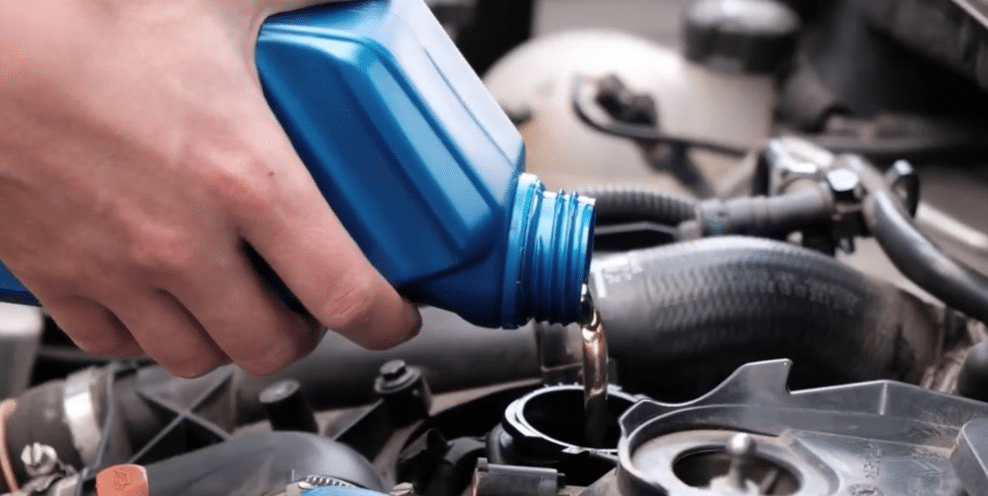
Why Cold Starts Matter
When your car sits overnight, gravity pulls all the oil down into the pan. This leaves the top of your engine dry.
- Speed is everything: 5W40 moves like water even when it’s freezing.
- Thick oil is slow: 10W40 is thicker when cold, so it takes longer to climb up to your engine’s moving parts.
- Less wear: Faster flow means less friction and a longer life for your car.
If you live in places like the Northern U.S., Canada, or Northern Europe, you know that “frozen solid” feeling. Choosing an oil that flows fast isn’t just a suggestion; it’s a way to avoid a huge repair bill down the road.
Manufacturer Recommendations Matter
Even though I have my favorites, I always tell my friends: check your manual first. Your car was built by engineers who tested these exact oils.
- The Owner’s Manual: This is your car’s bible. It lists exactly what weight you need.
- The Oil Cap: Most cars have the grade printed right on the filler cap.
- OEM Specs: Look for codes like “VW 502.00.” These are special rules from the maker to keep your warranty safe.
Modern engines have very tight spaces inside. If you use oil that is too thick, it might not fit where it needs to go. I always double-check my cap before I pour—it only takes a second!
Is 10W40 Better for High Mileage Engines?
The short answer is sometimes, yes. For older cars with worn-out seals, 10W40 can be a great choice because it is slightly thicker during a cold start. This extra thickness helps coat older engine parts that might have a bit too much “wiggle room” after years of driving.
I remember my first truck back in the day. It was an old 2002 model that smelled like gasoline and pure nostalgia. Every time I parked it on my driveway for the weekend, I’d find a tiny oil spot the next morning. Switching to 10W40 didn’t make it a new truck, but it definitely slowed down those annoying drips. It felt like giving an old athlete a better pair of knee braces; it just moved a little smoother.
Why High-Mileage Engines Might Prefer 10W40
As an engine gets older, the parts inside begin to wear down. This creates tiny gaps where oil can slip through. Here is why I’ve found 10W40 helpful for older rides:
- Less Oil Burning: Since it is thicker when cold, it doesn’t slip past worn piston rings as easily.
- Fewer Leaks: It stays inside the engine better if your gaskets and seals are getting brittle.
- Quieter Starts: It can help muffle that “ticking” sound you hear on an old engine during a cold start.
But It’s Not a Magic Fix
I have to be honest with you—oil can’t perform miracles. I once had a friend who thought thicker oil would fix a cracked head gasket. Spoiler alert: it didn’t.
Before you switch, keep these points in mind:
- No Repair Skills: Thicker oil will not fix a broken seal or a major mechanical failure.
- Gas Mileage: You might see a tiny drop in your fuel economy because the engine has to work harder to push the thicker fluid.
- Get a Check-up: If your car is gulping down oil like a thirsty dog, go see a mechanic. A thicker grade is a band-aid, not a cure.
If your engine is just “tired” and has a few minor damp spots, 10W40 is a solid friend to have. But if you see blue smoke or puddles, it’s time for a real repair, not just a trip to the oil aisle.
Can You Switch Between 5W40 and 10W40?
The simple answer is yes, you can usually switch, as long as both grades meet your car maker’s specs. I have swapped these oils many times based on the season or where I was living. However, you should never switch randomly just because a bottle is on sale; your engine needs the right fit to stay healthy.
I remember moving from the humid heat of Florida to a much chillier spot up north. In the South, my old car loved 10W40. But once the first frost hit my new driveway on a Tuesday morning, the engine felt sluggish. Switching to 5W40 was like giving the car a cup of espresso. It just woke up faster.
0W30 vs 5W30 – Cold Start Performance & Engine Protection Compared
When It’s Safe to Switch
There are times when changing your oil grade actually makes a lot of sense. In my years of tinkering in the garage, I’ve found a few “green light” moments:
- Moving States: If you move from a desert to a place with snow, going from 10W40 to 5W40 helps those cold starts.
- Summer vs. Winter: Some folks like to use 10W40 in the baking July heat and 5W40 when the holidays roll around.
- The Manual Says So: Many manuals list a range of oils. If both are on the list, you are good to go.
When You Should NOT Switch
Even though I love to experiment, I’ve learned that sometimes you have to play by the rules. Don’t touch that oil cap if:
- Warranty Rules: If your car is brand new, using the wrong oil might void your warranty. That is a very expensive mistake I don’t want you to make!
- Turbo Power: Turbocharged engines are picky. They need specific approvals like those found in Mobil 1, Castrol, or Shell.
- Strict Specs: If your manual only lists one single grade, stick to it like glue.
I once saw a guy try to save five bucks by putting a thick, off-brand oil in a high-tech German car. The engine didn’t blow up, but it ran so rough he had to drain it the very next day. Trust me, the “save a buck” move usually costs ten more later. Always check for the API or ACEA ratings on the back of the jug to be sure.
Which Oil Protects Better Under Heavy Load?
The truth is that both oils protect equally well once your engine is hot. Since both 5W40 and 10W40 are “40-weight” oils at operating temperature, they provide the exact same shield for your engine parts. Whether you choose one or the other, your engine gets the same thick layer of safety when things get moving.
I remember a scorching Sunday drive through the desert. I was towing a small trailer, and the heat was rising off the asphalt in waves. My temp gauge was climbing, but I wasn’t sweating the oil. Why? Because I knew that once we were up to speed, that “40” rating on the bottle was doing the heavy lifting. Whether I had started the day with 5W or 10W didn’t matter anymore. The oil was hot, flowing perfectly, and keeping my bearings from grinding into dust.
Turbocharged Engines and Heat
If you drive a car with a turbo, you know they get incredibly hot. I’ve seen turbo housings glow red after a spirited drive. In these cases, the brand and the “certs” on the bottle matter more than the first number.
- Look for API SP: This is a newer standard that protects against “knock” in small, powerful engines.
- Check ACEA A3/B4: This is a European standard that I always look for to ensure the oil won’t break down under stress.
- Heat Resistance: High-quality synthetic oils handle the “bake” of a turbo much better than cheap stuff.
Does 5W40 Improve Fuel Economy?
Yes, 5W40 can slightly improve your fuel economy, but mostly during the first few miles of your drive. Because it is thinner when cold, the engine doesn’t have to fight as hard to move it around. This means you use a little less gas while the car is warming up.
I noticed this myself over a month of morning commutes. Using 5W40, my car felt just a bit “lighter” on those chilly starts. It wasn’t a huge change—maybe just 1% or 2%—but every bit helps when gas prices are high!
Why the Savings Happen
- Less Friction: Thinner oil flows easier, so the engine spins with less effort.
- Faster Warm-up: The oil reaches its “sweet spot” temperature faster.
- Efficiency: Your oil pump doesn’t have to work quite as hard to push fluid through those tiny engine channels.
If you really want to save at the pump, you might look at a 0W20 oil. However, only do that if your manual says it’s okay! For most of us, 5W40 is the perfect middle ground for a protected engine and a happy wallet.
What Do Mechanics Actually Recommend?
Most mechanics will tell you to follow your owner’s manual first and look at your local climate second. In my years of hanging around repair shops, the experts all agree: the engineers who built your car know more than a random guy on a forum.
I remember standing in a dusty shop in Dallas on a Tuesday afternoon. It was a brutal 98°F day. I asked the shop owner, a guy who had been elbow-deep in engines for thirty years, if I should switch my oil. He wiped his greasy hands on a rag and told me, “Use what the engine was designed for. Oil isn’t guesswork.” That moment stuck with me. It’s why I always tell people to trust the specs on the cap before they trust their gut.
Practical Mechanic Advice
When I talk to my favorite local mechanics, they usually give me a simple “cheat sheet” for making a choice. Here is the logic they use when I bring my car onto the lift:
- Under Warranty: Stick strictly to the OEM spec. Don’t give the dealer a reason to deny a claim.
- Older Engines: If you have high mileage, a mechanic might suggest 10W40 to help with tiny leaks, but only if the manual allows it.
- Freezing Winters: For my friends in the north, they almost always prefer 5W40. It saves the battery and the starter from working too hard.
- Turbo Engines: They don’t care about the brand as much as the certification. Look for that API seal!
5W40 vs 10W40 – Side-by-Side Comparison
To make things easy, I like to look at these two oils side-by-side. It helps me visualize which one is winning in different scenarios. Think of it like a scorecard for your engine’s health.
Key Differences Table
| Feature | 5W40 | 10W40 |
| Cold Start Flow | Winner (Fast) | Slower |
| Hot Protection | Tie | Tie |
| Fuel Economy | Slight Edge | Standard |
| High-Mileage Seals | Good | Slight Edge |
| Best Climate | Cold / Variable | Consistently Warm |
I’ve used both, and honestly, in a healthy engine during the summer, you won’t feel a difference. But on a frosty morning, you’ll hear the difference in how quickly your car finds its idle. Experience often beats a long internet debate, so I tend to lean toward 5W40 for that extra “peace of mind” during the first few seconds of my drive.
Who Should Choose 5W40?
You should choose 5W40 if you live in a place with cold winters or drive a high-performance car. In my years of driving, I’ve found that 5W40 is the “all-rounder” that keeps things smooth when the weather turns unpredictable. It flows fast on a cold Tuesday morning but still holds up when the sun starts baking the pavement.
I remember my old German sedan. It was a bit finicky about what went into the tank, but it absolutely loved 5W40. On a holiday trip to the mountains, while other cars were struggling to turn over in the frost, mine started with a happy purr. If you want that peace of mind, this is usually the way to go.
I recommend 5W40 if you:
- Live in a cold or variable climate.
- Drive a turbocharged engine that needs fast oil flow.
- Follow European car specs (like BMW or VW).
- Want the best protection during those first few seconds of driving.
Who Should Choose 10W40?
You should choose 10W40 if you drive an older car in a warm climate. It is a thicker, “honest” oil that works wonders for engines that have seen a lot of miles. While it doesn’t flow as fast in the snow, it provides a sturdy cushion for parts that might be a little worn down.
I once had a high-mileage pickup that I used for weekend hauls. It had a tiny oil drip that drove me crazy. My mechanic pal suggested 10W40 since we lived in a sunny area where it never really freezes. The drip slowed down, and the engine sounded much quieter. It’s the “reliable old friend” of the oil world.
Go with 10W40 if you:
- Live somewhere consistently warm.
- Drive a vehicle with over 150,000 miles.
- Notice your car “burns” a little oil between changes.
- Don’t have to deal with freezing temperatures.
Final Buying Checklist Before You Decide
Before you head to the store and grab a jug, take a breath. I’ve made the mistake of buying the wrong bottle because it had a cool label, and trust me, it’s not worth the trip back. Use this simple guide I’ve put together from my own trial and error.
Step-by-Step Decision Guide
- Check the Manual: Look for the specific grade and the API/ACEA ratings.
- Look at the Sky: If you’re heading into a brutal winter, lean toward 5W40.
- Check the Odometer: If your car is a “senior citizen,” 10W40 might be its best match.
- Trust the Brands: I stick with names like Mobil 1, Castrol, or Shell. They’ve never let me down.
- The Dipstick Test: Always wipe it twice. I’ve misread mine more times than I’d like to admit!
Check Price On Amazon
FAQs
H2: Is 5W40 thicker than 10W40?
No. 5W40 is thinner in cold temperatures but both have the same thickness at operating temperature (40 weight).
H2: Can I use 10W40 instead of 5W40?
Yes, if your owner’s manual allows both grades and you don’t live in a cold climate.
H2: Is 5W40 better for turbo engines?
Yes, in many cases, because it flows faster during cold starts while still providing strong high-temperature protection.
H2: Does 10W40 increase oil consumption?
No, it usually reduces oil consumption slightly in high-mileage engines due to its thicker cold viscosity.
H2: Which oil is better for winter driving?
5W40 is better for winter because it circulates faster at low temperatures.
H2: Is 10W40 good for summer?
Yes. 10W40 performs well in hot climates since both oils protect equally at operating temperature.
H2: Can mixing 5W40 and 10W40 damage the engine?
No, mixing them once won’t usually cause damage, but it’s best to stick to one viscosity grade for consistent performance.
H2: Does 5W40 improve fuel economy?
Yes, slightly — especially during cold starts — but the difference is usually minimal.
H2: Which oil lasts longer, 5W40 or 10W40?
Neither automatically lasts longer; oil life depends more on brand quality and manufacturer specifications than viscosity.
H2: Should high-mileage cars use 10W40?
Sometimes yes, especially if the engine has minor wear or small leaks and the manufacturer permits it.