
Oil change time and mileage depend on your vehicle, driving habits, and the type of oil used. Most modern vehicles using synthetic oil require an oil change every 7,500 to 10,000 miles or every 6 to 12 months, while conventional oil may need changing every 3,000 to 5,000 miles. Severe driving conditions such as short trips, heavy traffic, towing, or extreme temperatures may require more frequent changes. Always follow your vehicle manufacturer’s recommended oil change interval to maintain engine performance and longevity.
Oil Change Time vs Mileage: How to Know When Your Car Really Needs a Fresh Oil Change
I still remember driving up the coast last Sunday, the sun hitting the waves, when a tiny thought ruined the vibe: “When did I last change my oil?” I looked at my odometer, then my calendar, and realized I had no clue if I should be counting miles or months. It’s a stress I’ve felt too many times.
Keeping your oil fresh is the simplest way to keep your engine happy. It helps your fuel go further and saves you from those “empty wallet” moments at the repair shop. But the old rules have changed, and it can get confusing.
In this guide, I’m sharing what I’ve learned about the oil change interval vs mileage debate. My goal is to help you stop guessing. Whether you’re a daily commuter or a weekend wanderer, you’ll leave here knowing exactly how to plan your next maintenance stop with confidence.
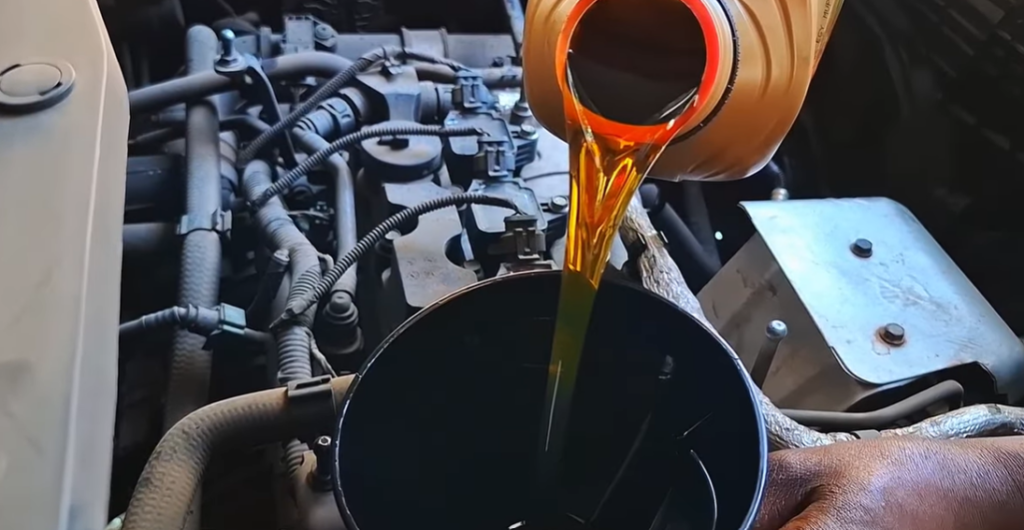
Understanding Oil Change Intervals
Let’s break down what an “oil change interval” really means in our daily lives. To me, it used to feel like a random number a mechanic scribbled on a sticker. But after a few years of DIY maintenance and one very loud engine rattle, I learned it’s actually the heartbeat of car care.
What Is an Oil Change Interval?
Simply put, an oil change interval is the “expiration date” for your engine oil. It is the set amount of time or miles you can go before that gold liquid turns into thick, black sludge.
I’ve learned that this number isn’t one-size-fits-all. It changes based on your car’s make, your oil type, and even where you live. For example, if you mostly drive short trips to work in heavy Los Angeles traffic, your engine works harder. It might age faster than a car cruising smoothly on wide-open Texas highways.
Time-Based vs. Mileage-Based Oil Changes
This is where I used to get stuck. Do I listen to the calendar or the odometer?
- Mileage-based: This is usually every 3,000 to 7,500 miles. It’s great if you drive a lot.
- Time-based: This is usually every 3 to 6 months.
Here is a lesson I learned the hard way: oil breaks down chemically over time, even if you don’t drive. Last winter, my car sat in the driveway for weeks. Even though my odometer barely moved, the oil still needed a swap. Fresh oil can actually turn acidic just by sitting in a cold engine block!
Factors Affecting Oil Change Frequency
Over the years, I’ve noticed four big things that change how often I head to the garage:
- Driving Habits: Stop-and-go city driving is much tougher on oil than long road trips.
- The Weather: Intense summer heat or freezing winters can thin out or thicken your oil faster than usual.
- Oil Type: Using full synthetic oil usually lets me go longer between changes compared to the cheaper conventional stuff.
- Vehicle Age: My older high-mileage SUV needs a bit more love (and more frequent checks) than a brand-new sedan.

Oil Change by Mileage or Time: Which Should You Trust?
I’ve spent plenty of Saturday mornings at local garages, sipping bad coffee and listening to drivers argue. One person swears by the odometer. Another insists on the calendar. It’s a classic debate, but after years of maintaining my own cars, I’ve found that the truth lies somewhere in the middle.
Manufacturer Recommendations
When I first started driving, I listened to everyone except the experts. I quickly learned that trusting your cousin’s “gut feeling” is a bad idea—your car won’t appreciate it! Now, I always go straight to the source.
Groups like AAA and most vehicle manuals are clear. For most modern cars, a recommended oil change interval is between 5,000 and 7,500 miles. Some even go up to 10,000 if you use full synthetic. It’s the gold standard for a reason.
Pros and Cons of Mileage-Based Changes
I used to track my oil strictly by the miles I drove. It felt logical.
- Pros: It matches how much you actually use the engine. It’s the best way to prevent wear if you drive a lot.
- Cons: It’s easy to lose track if you don’t drive often. I once realized I hadn’t checked my miles in six months because I was working from home!
Pros and Cons of Time-Based Changes
Then there are the months. Even if your car sits in the garage, the oil is working.
- Pros: It is so easy to remember. I just set a phone alert for every six months. This prevents oil from turning acidic, which can happen if a car sits for too long.
- Cons: If you drive a ton, you might hit your mileage limit way before your time limit. You could end up running on “tired” oil without knowing it.
Pro Tools to Track Your Oil Life
Stop guessing if your oil is still good. These are the top-rated tools to monitor your engine’s health between service dates.
Product Why it’s a Must-Have Key Feature Lubricheck Digital Oil Tester The “Truth” Meter. Instantly tells you if the oil is chemically degraded. Portable, 10-LED readout of oil purity. FIXD Bluetooth OBD2 Scanner Smart Tracking. Sends oil life and maintenance alerts to your phone. Translates “Check Engine” lights into plain English. Blackstone Labs Oil Analysis Kit Deep Insights. Mail-in kit for a full laboratory report on engine wear. Identifies metal shavings or coolant leaks early.
Real-Life Scenario: Daily Commuter vs. Weekend Driver
Let’s look at two friends of mine. One is a daily commuter. She drives 30 miles a day to the city. For her, a mileage-based schedule is a must. The other is a weekend driver. He only takes his truck out to the lake once a month. For him, the calendar is the boss.
I personally love the “hybrid” approach. I wait for whichever comes first. There is nothing like the sensory hit of a fresh service—that clean, nutty smell of fresh oil at the mechanic’s garage is pure comfort. It’s the scent of a job well done and a car that’s ready for the road.
How Often to Change Oil According to Experts
I used to think I knew it all when it came to cars. But the more I talked to real pros, the more I saw how much numbers matter. Let’s get into the real data. These stats come from years of my own trial and error and the best names in the business.

Standard Oil Change Mileage
In the old days, every shop told you “3,000 miles or bust.” Things have changed! Now, it mostly comes down to what is in your engine.
- Conventional Oil: I usually stick to a window of 3,000 to 5,000 miles. It’s fine for basic use, but it wears out fast.
- Synthetic Oil: This is my go-to. Most cars now thrive on a schedule of 5,000 to 10,000 miles.
According to MotorTrend, most modern cars actually perform at their peak with a synthetic oil change interval every 7,500 miles. I’ve found that sweet spot keeps my engine running smooth without wasting money.
Recommended Oil Change Interval by Vehicle Type
Not every car has the same needs. I’ve owned a light sedan and a heavy truck, and they are worlds apart. Your heavy-duty pickup hauling heavy tools through the snowy streets of New York will work way harder than a small sedan cruising on sunny California highways.
Trucks and SUVs often need a swap sooner because they carry more weight. If you tow a trailer, your oil takes a beating from the extra heat. I always check my manual to see if my vehicle fits the “severe” or “normal” use case.
Best Oil For Over 200k Miles– Top Picks for Engine Longevity & Protection
When to Change Engine Oil Early
Sometimes, I don’t wait for the miles. I like to play “mechanic detective” in my garage. On Tuesday nights, you might find me with a flashlight and a dipstick, checking the health of my car.
You should look for these signs to change your oil early:
- Color: If it looks like dark chocolate or has grit in it, it’s done.
- Smell: A burnt or acrid scent is a huge red flag.
- Sound: If my engine starts to “tick” or sound louder than usual, I know the oil isn’t lubricating well.
Trust your senses. If the oil looks like thick tar on the dipstick, don’t wait for a magic number on your dash!
Creating Your Oil Change Schedule
Planning ahead is the best way to save money and stress. It also keeps those messy oil stains off your clean garage floor. I used to be terrible at this until I made a simple plan. Now, my car runs great, and I never have to guess.
Tracking Oil Change by Mileage
For a long time, I just glanced at my odometer and hoped for the best. That didn’t work. Now, I use a mix of my car’s logbook and a mobile app.
I set a firm reminder on my phone for every 5,000 miles. When that alert pings on a Saturday morning, I know it is time. It has saved me from forgetting more than once. If you drive a lot, your odometer is your best friend. Keep an eye on those digits!
Tracking Oil Change by Time
If you don’t drive much, time can sneak up on you. I have a friend who only drives to the store and back. His miles stay low, but his oil still gets old.
I like to set a calendar alert for every six months. It’s a simple “set it and forget it” trick. If I don’t change my oil by the month, my car usually gives me a subtle “clunk” hint. It’s like the car is poking me to say, “Hey, I need a fresh drink!”
Combining Time and Mileage for Optimal Care
The real secret is using a hybrid system. Most pros at the shop use a “whichever comes first” rule. This is the best way to keep your oil change interval on track.
- If you hit 5,000 miles in two months? Change it then.
- If it has been six months but you only drove 1,000 miles? Change it anyway.
This dual-tracking keeps the oil from getting too thin or too acidic. It’s the same system I use for my own car, and it takes all the worry out of my Sunday drives.
Vehicle Service Interval and Overall Maintenance
Oil changes aren’t just about the oil itself. They are part of a much bigger puzzle. Over the years, I have learned that my car is a team of parts working together. If one part fails, the whole team suffers.
Why Following Service Intervals Matters
Sticking to a proper vehicle service interval protects your engine and keeps your fuel costs low. I learned this the hard way a few years ago. I skipped one single oil change during a busy summer. That “lazy” choice turned a nice Sunday drive into a scary trip to the repair shop.
The engine started to knock, and my heart sank. A simple service is cheap, but a new engine is not! Staying on top of your schedule avoids these costly repairs and keeps your car running like a dream.
How Oil Changes Interact with Other Maintenance
When I take my car in for fresh oil, I use that time to check everything else. It is the perfect moment for a full health check.
- Filter Replacement: I always swap the oil filter too. Putting clean oil through a dirty filter is like taking a shower and putting on dirty clothes!
- Brake Checks: While the wheels are off or the car is up, I peek at the brake pads.
- Tire Rotation: This helps my tires last much longer.
- Fluid Checks: I top off the coolant and washer fluid.
I highly suggest creating a simple maintenance log. I keep a small notebook in my glove box. Writing down the date and the work done makes me feel in control. Plus, it looks great when you eventually want to sell the car!
Expert Tips for Stress-Free Oil Changes
To make your life easier, follow these tips I live by:
- Keep Every Receipt: I tuck mine into a folder. It proves you cared for the car.
- Choose Quality: I never skimp on oil. Use high-quality brands and a mechanic you actually trust.
- Read the Manual: Your owner’s manual is the “bible” for your specific car. It has the exact advice your car needs.
Checking these boxes makes car care feel like a win rather than a chore.
Common Mistakes Drivers Make
We all think we are experts until the engine screams otherwise. I have made my share of blunders over the years. Trust me, learning from a repair bill is much less fun than learning from a friend!
- Waiting Too Long: Life gets busy. I once let a busy month turn into a three-month delay. By the time I drained the oil, it looked like thick, gritty maple syrup. That is a recipe for engine ruin.
- Ignoring the Signs: If you smell something burnt or hear a new “tick” when you start the car, don’t ignore it. I used to turn up the radio to hide the noise, but that only leads to a bigger bill later.
- Listening to Old Advice: My dad used to say his car lasted twenty years without a strict plan. But modern engines are different. Following the “my dad did it this way” rule is a fast way to kill a new car.
- The Wrong Oil: I once bought the cheapest bottle on the shelf just to save five dollars. My car felt sluggish and ran hot for weeks. Always use the specific type your manual asks for.
Conclusion
At the end of the day, deciding on an oil change by mileage or time comes down to your life. It depends on how you drive, where you live, and the type of engine you have. Whether you are stuck in city traffic or flying down the highway, your car needs that fresh lubricant to stay alive.
I highly encourage you to track both. Set a phone alert for the date and keep an eye on those miles. It takes just a few minutes to check, but it adds years to your car’s life.
Take care of your ride, and it will take care of you. Your car will thank you for it—probably silently, but it really does!
Frequently Asked Questions
When I’m chatting with friends about car care, these are the questions that always pop up. Here are the simple truths I’ve learned after years on the road.
How do I know if I need an oil change before the mileage limit?
I always trust my senses. Pull out the dipstick on a Tuesday afternoon and look at the oil. If it looks black and feels gritty between your fingers, or if you smell a faint “burnt” odor, it is time for a swap. Your car might also sound a bit louder or “clunky” when you start it up in the morning.
Is it okay to wait a year if I barely drive?
I wouldn’t recommend it. Even if your car sits in the garage, oil naturally breaks down and can collect moisture. This makes it less effective and even acidic. I try to never go longer than six to eight months without fresh oil, even if I haven’t hit my oil change interval in miles.
Does the type of oil really matter?
Yes! I used to think oil was just oil, but that’s a big mistake. Modern engines are built with tight parts that need specific weights. If your manual calls for full synthetic, using conventional oil can cause your engine to run hot or wear out faster. It’s worth the extra few dollars for the right stuff.
Can I change my own oil to save money?
You totally can! I find it very rewarding. Just make sure you have the right tools and a safe way to dispose of the old oil. However, if you aren’t comfortable getting a little messy under the car, a trusted local shop is a great investment for your peace of mind.