
Engine oil can look dirty after 1,000 miles because it is actively cleaning and suspending contaminants inside the engine. Modern detergent additives are designed to trap soot, carbon, and microscopic metal particles, which quickly darken the oil. Short trips, stop-and-go driving, or an older engine can make oil turn dark even faster. Dark oil doesn’t always mean it’s worn out, but checking the oil level, condition, and following the recommended service interval ensures proper engine protection.
Is It Normal for Engine Oil to Get Dirty So Fast?
Yes. In most cases, it’s completely normal for engine oil to get dirty fast — even after just 1,000 miles.
I remember the first time it happened to me. It was a hot Saturday in July. I popped the hood, pulled the dipstick, and froze. The oil was already dark. I had just changed it. My first thought? “Something’s wrong.”
But here’s what I learned: dark oil doesn’t mean bad oil. It often means your engine oil is doing its job.
Let’s break down what’s really going on inside your engine.
What Fresh Oil Should Look Like
When you pour in fresh engine oil, it usually looks:
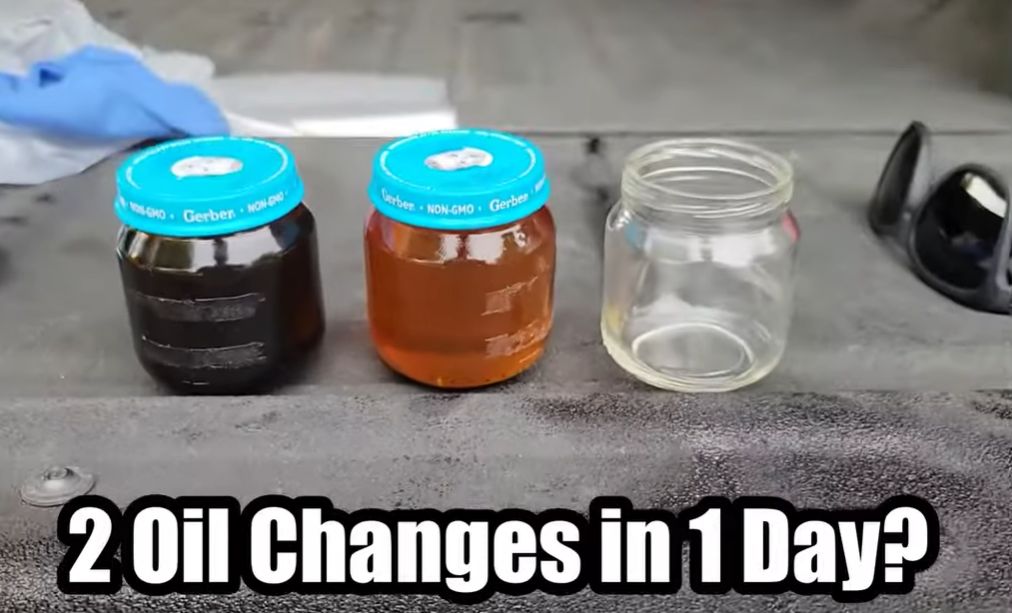
- Amber or honey-colored
- Clear and smooth
- Light enough to see through on the dipstick
After the first few heat cycles, it starts to darken. That can happen within a few hundred miles. Especially if you drive daily.
Here’s what surprised me:
Color alone does not tell you oil condition.
I used to think black oil meant it was worn out. Not true. Oil can look dark and still protect your engine just fine.
There’s a big difference between:
- Appearance (how it looks)
- Performance (how well it lubricates and protects)
Oil can look dirty but still have strong viscosity, good additives, and proper protection.
That changed how I look at the dipstick.
Top 5 Best Engine Oil for Car: Top Valvoline Picks for Maximum Performance
Why Oil Turns Dark Quickly (And Why That’s Often Good)
Engine oil turns dark because it cleans.
Modern motor oil has strong detergents. These additives grab:
- Carbon deposits
- Sludge
- Combustion byproducts
- Tiny metal particles from normal wear
Instead of letting that junk stick to engine parts, the oil suspends it. That makes the oil darker.
Dark oil often means the detergents are working.
I saw this firsthand after buying a used car last summer. I changed the oil right away. After 1,000 miles, it looked almost black. I thought I had engine trouble.
So I sent a sample for oil analysis. The lab results came back within spec. No coolant contamination. No excessive wear metals. The oil still had life left.
That’s when it clicked.
Modern engines — especially ones with tight tolerances — are designed in a way that can darken oil faster. Higher temperatures. Cleaner combustion. More detergent action.
So if your engine oil is dirty after 1,000 miles, don’t panic. It may just be protecting your engine exactly the way it should.
How Your Engine Design Affects Oil Color
Yes, engine design plays a big role in how fast oil gets dirty.
I’ve owned a few different vehicles over the years. They did not treat oil the same. Some darkened oil almost right away. Others kept it lighter for longer.
Here’s what I’ve noticed.
Turbocharged Engines Run Hotter
If you drive a turbocharged car, expect darker oil sooner.
Turbochargers run very hot. That extra heat can:
- Break down oil faster
- Increase oxidation
- Create more soot
I once switched from an older V6 to a small turbo four-cylinder. Same oil weight. Same driving habits. The turbo engine darkened oil much faster.
Heat makes a difference.
Direct Injection vs Port Injection
Modern engines with gasoline direct injection (GDI) tend to darken oil quicker.
Why?
- More fuel dilution
- Higher soot levels
- Tighter combustion control
Older port injection engines were often easier on oil. Newer GDI engines run cleaner in some ways, but they can mix more combustion byproducts into the oil.
If you drive a newer car and see darker oil early, that can be normal.
Diesel Engines Naturally Darken Oil Faster
Diesel engines are a different story.
Diesel combustion creates more soot. That soot gets suspended in the oil almost immediately.
In many diesel vehicles, oil turns black within days. That’s normal. It does not mean the oil is bad.
If you’ve ever checked diesel engine oil, you know what I mean. It goes dark fast — and that’s just how diesel works.
If there’s one thing I’ve learned, it’s this:
Dirty-looking engine oil does not always mean something is wrong.
Look at the full picture:
- Oil level
- Smell
- Engine performance
- Manufacturer oil change interval
Most of the time, dark oil after 1,000 miles is just your engine oil doing its job — cleaning, protecting, and carrying away the stuff you don’t want inside your engine.
Your Driving Habits Matter More Than You Think
Yes, your driving habits can make your engine oil dirty faster — even if nothing is wrong with your engine.
I learned this the hard way.
A few years ago, I kept asking, “Why is my oil so dirty after only 1,000 miles?” I blamed the oil brand. Then I blamed the filter. Turns out, it was me.
How I drove on Monday morning showed up on the dipstick by Friday night.
Engine oil condition is not just about miles. It’s about heat, speed, and time.
Let me show you what I noticed.
Why Is My Engine Oil Black After an Oil Change? – What It Means & Signs of Engine Problems
Short Trips and Stop-and-Go Driving
This one hit close to home.
For almost a year, I had a 5-mile commute. Winter traffic. Red lights. Slow crawls. The engine barely warmed up before I parked.
Here’s the problem with short trips:
- Oil does not reach full operating temperature
- Moisture stays inside the engine
- Fuel dilution increases
- Sludge can form faster
When engine oil stays cool, it cannot burn off condensation. That water mixes with combustion byproducts. The oil gets darker and thinner.
I could even smell a faint fuel scent on the dipstick once. That was my wake-up call.
If most of your driving is short trips, dirty oil after 1,000 miles is common. It does not always mean engine damage. It often means the oil never got hot enough to clean itself out.
Aggressive Acceleration and High RPM
I enjoy a good highway pull now and then. Especially on a quiet Sunday morning.
But I also noticed something.
When I drove harder — quick throttle, high RPM, fast merges — my engine oil darkened faster.
Why?
- More blow-by gases enter the crankcase
- Higher heat stress breaks oil down faster
- Combustion byproducts increase
High RPM driving is not “bad.” Engines are built for it. But it does stress the oil more than calm daily cruising.
There is a difference between steady highway miles and constant heavy acceleration. The oil feels that difference.
Long Idling Periods
I never thought idling mattered much.
Then I spent weeks waiting in long school pickup lines. Engine running. Car barely moving. Outside air cold.
Long idling can:
- Increase soot buildup
- Lower oil temperature
- Add fuel dilution
Delivery drivers see this often. The engine runs for hours but does not get steady airflow or full load.
That can make engine oil look dirty sooner than expected.
Climate and Environment Play a Role
Yes, where you live affects how fast engine oil gets dirty.
I have driven in both hot summers and freezing winters. The oil behaved differently each time.
Your environment changes oil oxidation, moisture levels, and contamination risk.
Let’s break it down.
Extreme Heat
One July, the outside temp hit triple digits. The pavement shimmered. Even opening the hood felt like opening an oven.
In extreme heat:
- Oil oxidizes faster
- Thinner oil can shear down
- High engine temps stress additives
Hot climates, like desert states, are harder on engine oil. Heat speeds up chemical breakdown.
I noticed my oil darkened quicker during long summer drives than during mild spring weather.
Cold Weather Conditions
Winter creates the opposite problem.
Cold starts are rough on engine oil. The oil is thick at first. It moves slower. Condensation builds inside the engine.
With short winter drives:
- Moisture stays trapped
- Sludge risk increases
- Oil circulation takes longer
I remember scraping ice off my windshield at 7 AM, driving five miles, then shutting the engine off. That oil never got a fair chance to warm up.
Cold weather alone can explain why oil gets dirty faster.
Dusty or Dirty Roads
I once took my SUV down a rural gravel road after a holiday weekend trip. Dust everywhere. You could taste it in the air.
Dusty conditions can:
- Challenge the air filter
- Allow more particles into the intake system
- Increase contamination inside the oil
Off-roading makes this even more extreme.
A clean air filter helps. But environment still plays a role in engine oil color and condition.
If your oil is dirty after 1,000 miles, pause before you panic.
Ask yourself:
- Do I drive short trips?
- Do I idle a lot?
- Do I push the engine hard?
- Is my climate extreme?
In my case, the answer was yes to several of those.
Once I adjusted my habits — longer weekly highway runs, fewer cold short trips — I saw a difference.
Sometimes dirty engine oil is not about the oil at all.
Sometimes it’s about how — and where — we drive.
Could It Be a Mechanical Problem?
Yes, sometimes dirty engine oil is a warning sign — not just normal buildup.
Most of the time, dark engine oil after 1,000 miles is harmless. I’ve seen that myself. But there was one Sunday afternoon when I checked the dipstick and something felt off. The color was not just dark. The texture felt strange. The smell was sharp.
That’s when I learned this: engine oil condition can tell you more than just color.
If your oil looks dirty and you notice other symptoms, it may point to a mechanical problem.
Here are the issues I’ve personally looked for.
Failing PCV Valve
The Positive Crankcase Ventilation (PCV) valve is small, but it matters a lot.
Its job is simple. It moves blow-by gases out of the crankcase and sends them back into the intake to burn again. That keeps pressure low and reduces contamination.
When my PCV valve stuck once, I noticed:
- Oil getting dirty faster than usual
- Rough idle
- Slight oil smell after driving
- Higher oil consumption
A bad PCV valve can let too much moisture and fuel stay in the oil. That speeds up contamination.
The fix was simple and cheap. But ignoring it could have caused sludge buildup over time.
If your engine oil keeps getting dirty unusually fast, checking the PCV system is a smart first step.
Worn Piston Rings
This one sounds scary. And sometimes it is.
Piston rings seal the combustion chamber. When they wear out, gases leak past them. That is called blow-by.
Excessive blow-by can cause:
- Very dark oil quickly
- Blue smoke from the exhaust
- Noticeable oil burning
- Low oil levels between changes
A few years ago, I helped a friend diagnose this. His oil turned black within days. He also saw blue smoke during cold starts. The engine was burning oil.
Dirty oil alone does not confirm worn piston rings. But when combined with oil loss and smoke, it becomes a real clue.
Coolant Contamination
This is the one I always warn people about.
If engine oil looks milky or creamy instead of dark brown or black, that is different. That can mean coolant mixing with oil.
I once pulled a dipstick and saw a light tan, milkshake-like color. My stomach dropped.
Other signs can include:
- Sweet smell from the dipstick
- Rising oil level
- Overheating issues
- White exhaust smoke
Coolant contamination often points to a head gasket problem.
This is not normal dirty oil. This needs attention fast.
If your oil is just dark, relax. If it looks milky or foamy, investigate.
Oil Type Makes a Difference
Yes, oil type affects how fast engine oil gets dirty.
I used to think all 5W-30 oils behaved the same. They don’t.
The base oil and additive package change how oil cleans, holds contaminants, and resists heat.
Let me share what I noticed.
Conventional vs Synthetic Oil
When I switched from conventional oil to full synthetic, I expected the oil to stay cleaner longer.
It didn’t.
In fact, my synthetic oil turned dark faster.
At first, I thought that meant it was breaking down. It wasn’t.
Synthetic oil usually has:
- Stronger detergents
- Better heat resistance
- More stable viscosity
Those detergents clean deposits inside the engine. That cleaning action can darken oil quickly.
Conventional oil can darken too, but it may not resist heat breakdown as well over long intervals.
Dark synthetic oil does not mean weak oil. Often, it means it is cleaning better.
Oil Brand and Additive Packages
Not all oils use the same additive blend.
Some focus more on detergents. Others balance cost and performance differently.
I once tried a budget oil during a holiday road trip because it was all the store had. It worked fine. But I noticed it looked darker sooner than my usual brand.
That does not mean it failed. It may simply have had a different detergent strength.
Oil that “looks dirtier” is not always worse. It may just be holding more contaminants in suspension.
That is actually what you want.
If you are asking, “Why is my oil so dirty after 1,000 miles?” take a breath.
Check for:
- Oil level changes
- Smoke from exhaust
- Milky texture
- Strong fuel smell
If none of those are present, your engine oil is likely just doing its job.
But if the color comes with other warning signs, it may be time to look deeper.
I’ve learned not to panic at dark oil.
I only worry when the story around the oil does not make sense.
Should You Change Oil After 1000 Miles?
In most cases, no — you do not need to change oil after 1,000 miles just because it looks dark.
I used to think the opposite.
One Saturday morning, coffee in hand, I checked my engine oil. It was already dark. Only 1,000 miles since the oil change. I almost grabbed my tools right then.
But I stopped myself and looked at the bigger picture.
Dirty engine oil does not always mean worn-out oil. What matters more is:
- Oil level
- Smell
- Engine performance
- Driving conditions
Let me walk you through how I decide now.
When It’s NOT Necessary
Most of the time, you do not need an oil change at 1,000 miles if:
- The oil level is stable
- There is no burnt or strong fuel smell
- The engine runs smooth and quiet
- There are no warning lights
I’ve had oil turn dark fast in summer heat and winter traffic. The engine still ran perfectly. No noise. No smoke. No drop in oil level.
Modern engine oil is built to last thousands of miles. If you are within the manufacturer’s oil change interval, dark color alone is not a reason to panic.
I remind myself of that every time I see dark oil on the dipstick.
When You Should Consider It
There are times when changing oil after 1,000 miles makes sense.
I’ve done it myself in these cases:
- New engine break-in period
Fresh engines shed tiny metal particles early on. An early oil change can remove them. - Recently purchased used car
When I bought a used vehicle before a holiday road trip, I changed the oil quickly. I did not know its history. Peace of mind mattered. - Suspected contamination
Strong fuel smell. Milky color. Gritty feel. Rising oil level. Those are different stories.
If something feels off, trust your instincts. Oil is cheaper than engine repairs.
The Best Way to Know — Oil Analysis
The first time I sent oil for testing, I felt like a scientist.
I mailed a small sample to Blackstone Laboratories and waited. A week later, I had real data. Wear metals. Fuel dilution. Viscosity. Additive levels.
The results showed my “very dark” oil was still within spec.
That changed how I think about engine oil condition.
Oil analysis can tell you:
- If wear metals are high
- If coolant or fuel is present
- If viscosity has changed
- How much life is left
It costs more than a basic oil change, but the data can save money long term. Especially if you drive high miles.
Why Is My Oil So Dirty After 1000 Miles?How to Check Oil the Right Way
Most people check engine oil wrong. I did for years.
I used to pull the dipstick right after shutting off the engine. Hot oil everywhere. Bad reading. Wrong conclusion.
Here is what works.
Step-by-Step Dipstick Check
This is my simple routine:
- Park on level ground
- Turn off the engine
- Wait a few minutes
- Pull the dipstick
- Wipe it clean
- Reinsert fully
- Pull again and check
I also:
- Smell the oil
- Rub a drop between my fingers
- Look at thickness and clarity
It takes two minutes. It prevents guesswork.
Signs Oil Is Actually Bad (Not Just Dark)
Dark color alone does not worry me anymore.
These do:
- Gritty feel between fingers
- Strong burnt smell
- Thick sludge consistency
- Milky or foamy texture
- Rapid oil level drop
That is different from normal dirty oil.
On a cold winter morning, I once felt slight grit in the oil. That told me it was time. The color was not the issue. The texture was.
If you are asking, “Should I change oil after 1,000 miles?” here is my honest answer:
Check the condition, not just the color.
Most of the time, dark engine oil is doing its job. It is holding contaminants in suspension and protecting your engine.
But if the oil smells wrong, feels wrong, or the engine acts different, that is when I act.
Experience taught me this:
Oil color alone does not decide the oil change. The whole story does.
How to Keep Oil Cleaner Longer
You can keep engine oil cleaner longer by driving smarter, using the right parts, and following your owner’s manual — not old myths.
I used to chase clean-looking oil. I thought darker oil meant failure. Now I focus on oil condition and engine health.
Over time, I learned a few habits that actually help extend oil life without risking engine damage.
Here’s what worked for me.
Follow Manufacturer Interval — Not Old Myths
For years, I followed the old 3,000-mile oil change rule. My dad swore by it. My local shop sticker said the same thing.
But when I finally opened my owner’s manual, I was surprised.
My vehicle recommended much longer oil change intervals under normal driving. Modern engine oil and engines are built for it.
Here’s what changed my thinking:
- Engines run cleaner today
- Synthetic oil lasts longer
- Oil monitoring systems track real conditions
Changing oil too early does not hurt the engine. But it does waste good oil.
Now I follow the manufacturer’s maintenance schedule. If I drive in severe conditions, I adjust. If not, I trust the data.
That alone helped me stretch oil intervals safely while keeping engine oil cleaner longer.
Upgrade Your Oil Filter
This one made a bigger difference than I expected.
I once used a budget oil filter during a busy holiday weekend. It worked fine at first. But when I cut one open later out of curiosity, I saw how quickly it had loaded up.
A higher-quality oil filter usually offers:
- Better micron filtration
- Stronger filter media
- More debris-holding capacity
Cheap filters can clog faster. When that happens, oil may bypass the filter. That means less cleaning.
I am not saying you need the most expensive filter on the shelf. But I now avoid the absolute cheapest option.
A good oil filter helps keep contaminants suspended and filtered out longer. That keeps engine oil condition more stable over time.
Drive Long Enough to Burn Moisture
This one changed everything for me.
For a while, most of my driving was short trips. Five miles to work. Five miles back. In winter, the engine barely warmed up.
My engine oil got dirty faster during that time.
So I added one simple habit.
Once a week, usually on Sunday morning, I take a 20–30 minute highway drive. Steady speed. Full warm-up. No rushing.
That longer run helps:
- Burn off moisture
- Reduce fuel dilution
- Stabilize oil temperature
- Clear out condensation
You can actually feel the difference. The engine runs smoother. The exhaust smells cleaner.
Short trips are hard on oil. A proper warm-up helps balance that out.
If you want to keep oil cleaner longer, focus on the basics:
- Follow the real oil change interval
- Use a solid oil filter
- Let the engine fully warm up
I stopped obsessing over oil color. Instead, I improved my habits.
And funny enough, once I did that, the oil stayed healthier for longer — even if it still looked dark on the dipstick.
Clean-looking oil is nice.
Healthy oil is better.
Frequently Asked Questions
Is black oil after 1,000 miles bad?
Not necessarily. Oil turns dark because it’s trapping carbon and contaminants. Dark color alone doesn’t mean it’s worn out.
Why does synthetic oil turn black so fast?
Synthetic oil has stronger detergents. It cleans internal engine deposits quickly, which makes it dark sooner.
Should I change my oil if it looks dirty?
Only if it smells burnt, feels gritty, looks milky, or your interval is due. Color by itself isn’t a reason.
Can dirty oil damage my engine in 1,000 miles?
Usually no — unless there’s contamination (coolant, fuel dilution) or low oil level.
Is this normal in turbo engines?
Yes. Engines with a Turbocharger run hotter and often darken oil faster.
Why does my diesel oil turn black almost immediately?
Diesel engines produce more soot during combustion. Black oil is normal within a few days.
Does short-trip driving make oil dirtier?
Yes. Frequent short drives prevent oil from reaching full temperature, leading to moisture and fuel buildup.
How can I really know if my oil is still good?
An oil analysis from labs like Blackstone Laboratories gives precise data on wear metals and contamination.