
When comparing 5W20 vs 10W30, the main difference is thickness and performance in different temperatures. 5W20 is thinner, flows better in cold weather, and helps improve fuel efficiency. 10W30 is thicker and provides better protection in higher temperatures or for older engines.
What’s the Real Difference Between 5W20 and 10W30?
The short answer is thickness. 5W20 is thinner, which helps your engine breathe easily in the cold. 10W30 is thicker, providing a tougher shield when things get hot.
When I first started DIY oil changes on a chilly Saturday morning in my driveway, I thought picking between these two was just splitting hairs. I was wrong. I’ll never forget the first time I swapped to a thinner oil in the dead of winter; that scary “clacking” sound my engine made at startup—what mechanics call lifter tick—vanished almost instantly. It was like my car finally stopped clearing its throat and just started singing. Before you buy your next quart, it’s a great idea to Check Review On Amazon to see how other drivers with your specific car felt after their oil change.
What the Numbers Mean (SAE Viscosity Explained)
To understand this, we look at the SAE International grading system. It’s basically a code for how oil “flows.”
- 5W20: The “5W” stands for Winter. Since it’s a lower number, it flows like water even when it’s freezing. The “20” means it stays relatively thin once your engine warms up.
- 10W30: The “10W” is slightly more stubborn in the cold. The “30” means it stays thicker and “stickier” when your engine is running hot on a long highway trip.
In the world of multigrade oil, we want the best of both worlds: cold start lubrication so we don’t grind metal on metal at 7:00 AM, and oil film strength so the engine doesn’t wear down during a summer road trip.
Top 5 Best Engine Oil for Car: Top Valvoline Picks for Maximum Performance
How Thickness Affects Engine Performance
I’ve noticed that engine viscosity changes the whole “vibe” of a drive. Here is how the thickness (or lack of it) actually feels under the hood:
Thinner Oil (5W20):
- Faster Starts: It reaches the top of your engine in seconds.
- Better MPG: Because it’s thin, there is less internal drag. It’s like swimming through water instead of syrup.
- Efficiency: It’s the go-to for modern cars built with very tight gaps between parts. Check Price On Amazon for 5W20 synthetic blends to keep your commute affordable.
Thicker Oil (10W30):
- Heat Shield: It doesn’t turn into “juice” when you’re towing a trailer in 90°F heat.
- Quiet Comfort: In my older truck with 150,000 miles, this thicker oil stopped the small leaks and quieted the internal rattles.
- Heavy Lifting: It creates a massive cushion of protection under high stress.
If you’ve ever felt your car struggle to crank on a snowy morning, you’ve felt physics in action. Choosing the right one isn’t just about the manual; it’s about making sure your car feels as good as it did the day you drove it off the lot.
Which Oil Is Better for Cold Weather?
The winner for cold weather is 5W20. It is designed to stay fluid when the temperature drops, ensuring your engine gets the lubrication it needs the moment you turn the key.
If you have ever spent a January morning in a place like Minnesota, you know that “cold” is an understatement. I remember one Tuesday morning when the wind chill was brutal. I tried to start my old truck, which had 10W30 in it at the time. The engine groaned like it was waking up from a hundred-year nap. That is because thick oil turns into something like cold molasses in the winter. Switching to 5W20 changed everything; the crank was fast, and the engine felt “light” right away.
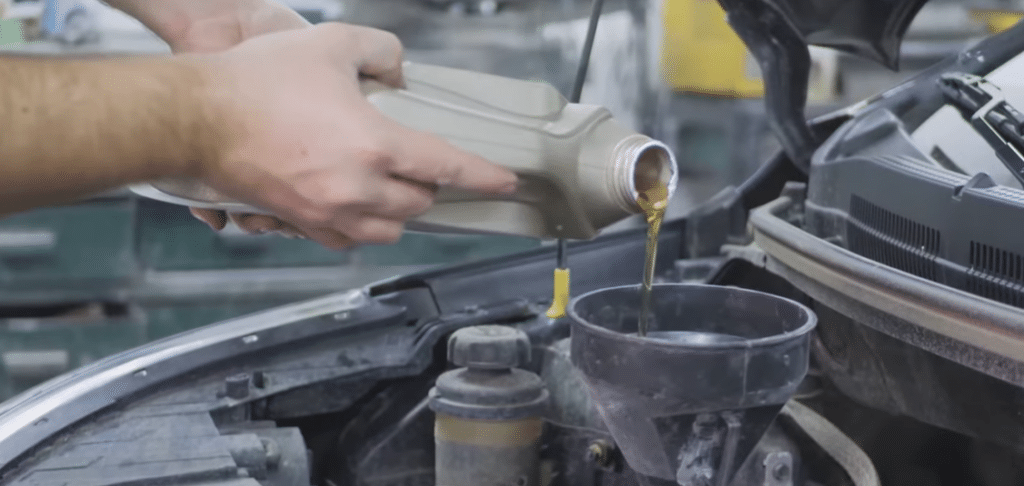
Why Cold Starts Matter
Did you know most engine wear happens in those first few seconds after you start your car? When it is freezing outside, your oil naturally thickens.
- Gravity is the enemy: While your car sits overnight, oil drains into the pan.
- Flow speed: 5W20 reaches the top of your engine much faster than 10W30.
- Metal-to-metal contact: Faster circulation means less rubbing of dry metal parts.
Real-World Example
Think about a 28°F morning in Chicago. If you use 5W20, your car will crank easily and idle smoothly. With 10W30, you might hear a faint “clatter” for a few seconds. That is the sound of your engine begging for oil.
5W20 is best for:
- Daily commuters who start and stop often.
- People living in snowy or cold regions.
- Newer cars with very tight engine gaps.
Which Oil Handles Heat and Heavy Loads Better?
In high heat or under heavy stress, 10W30 is the better choice. Its thicker formula provides a stronger “cushion” for your engine parts when things get hot.
I learned this the hard way during a summer road trip through Nevada in July. The heat was shimmering off the asphalt, and I was hauling a small trailer. With thin oil, an engine can sometimes feel a bit “loose” or noisy when it’s working that hard. 10W30 stays stable. It doesn’t turn into water-thin liquid when the sun is beating down and the RPMs are high. If you are prepping for a summer haul, you should Check Price On Amazon to stock up on high-mileage 10W30 before the heat peaks.
High-Temperature Protection
When your engine runs hot, the oil naturally thins out.
- Resists thinning: 10W30 holds its shape better at high speeds.
- Stronger film: It keeps a protective layer between moving parts.
- Better for stress: It is built for engines that are working hard, not just idling.
Ideal Situations for 10W30
If you’ve ever driven through Arizona in the summer, you know that heat is an engine killer. I prefer 10W30 for:
- Towing trailers: Extra weight means extra heat.
- High-mileage cars: Older engines often have wider gaps that need thicker oil to seal.
- Hot climates: Places where “winter” still feels like spring.
Using 10W30 in these spots gives me peace of mind. You can almost feel the engine running “sturdier” when the oil can handle the pressure.
Does 5W20 Improve Fuel Economy?
Yes, it does. Using 5W20 oil helps your engine run with less effort, which leads to better gas mileage. This is the main reason why so many modern car brands tell you to use it.
I remember tracking my mileage during a long summer road trip. I had just switched from a thicker oil to the recommended 5W20. To my surprise, I was getting a few more miles out of every tank. It wasn’t a huge jump, but seeing that extra range on my dashboard felt like a small win for my wallet. Automakers like Ford and Honda aren’t just guessing when they pick this oil; they want your car to be as efficient as possible.
Why Thinner Oil Saves Fuel
Think of thin oil like water and thick oil like honey. It is much easier for your engine to pump “water.”
- Less Friction: Thinner oil reduces internal drag on moving parts.
- EPA Standards: Manufacturers use 5W20 to help meet strict fuel efficiency rules.
- Better MPG: On average, you can see a boost of about 1% to 2% in your fuel economy.
Is the MPG Gain Noticeable?
You won’t feel like you’ve upgraded to a hybrid overnight. However, if you drive 15,000 miles a year, those small gains add up. Over twelve months of commuting, you might save enough for a nice dinner out or a couple of free tanks of gas.
5W40 vs 10W40: – Cold Start Performance & Engine Protection Compared
Is 10W30 Better for Older or High-Mileage Engines?
Often, yes. If your car has a lot of miles or “burns” oil, switching to 10W30 can help protect worn parts and stop leaks.
My old sedan reached 160,000 miles last year, and I noticed a faint smell of burning oil after long drives. My mechanic friend suggested a slightly thicker oil. When I tried 10W30, the oil level stayed steady on the dipstick for much longer. It felt like giving my aging car a thicker “blanket” to keep everything quiet and sealed up tight.
Why Thicker Oil Helps Aging Engines
As engines age, the gaps between parts get a little wider.
- Worn Bearings: Thicker oil fills those tiny gaps to prevent metal hitting metal.
- Less Burning: It is harder for 10W30 to slip past worn seals and burn away in the engine.
- Better Seal: It helps maintain “compression,” which keeps your engine feeling powerful.
When It’s NOT a Good Idea
Don’t just switch because your car is old. There are times when you must stick to the thin stuff:
- Manufacturer Rules: If your manual says “Use 5W20 Only,” follow it.
- VVT Systems: Many modern cars use Variable Valve Timing. These systems are very picky and need thin oil to work.
- Warranty: Using the wrong oil could void your car’s warranty.
I always suggest checking your owner’s manual first. It’s the “bible” for your specific engine, no matter how many miles are on the clock.
Can You Switch Between 5W20 and 10W30?
Sometimes, but only if your car’s maker says it is okay. While both oils lubricate your engine, they behave differently when things get hot or cold.
I remember the first time I thought about switching. It was a boiling July weekend, and I was staring at a shelf of oil bottles. My old truck was past its warranty, and it felt like the engine was drinking the thinner 5W20 too fast. I made the swap to 10W30 for that summer, and the engine actually sounded quieter. But I would never do that with my new car. Modern engines are built with such tiny gaps that using the wrong oil feels like trying to breathe through a pinched straw.
When Switching Is Safe
In my experience, you can usually play around with oil types if:
- The Warranty is Over: You don’t have to worry about a dealer’s rules.
- Mild Weather: You live in a place where it never truly freezes.
- Simple Engines: Your car lacks fancy computer-run oil systems.
When You Shouldn’t Switch
I’ve seen friends mess up their cars by being too bold. Do not switch if you have:
- Turbochargers: These need oil to move fast to stay cool.
- Hybrids: These engines turn on and off a lot and need thin oil instantly.
- Direct Injection: Very precise parts need very precise oil.
Brands like Toyota and General Motors spend years testing these parts. If they say use one type, they mean it.
What Do Automakers Recommend?
Follow your owner’s manual exactly. It is the best guide because it was written by the people who built your engine.
When I bought my last car, I sat down on a Sunday morning and actually read the manual. I know, it sounds boring! But I found out that my engine has tiny oil passages that are thinner than a human hair. Using 10W30 in that car would be a disaster. The designers care more about how the parts fit together than what the weather is like outside.
Why Modern Engines Prefer 5W20
Most new cars on the road today are built for 5W20. Here is why:
- Tight Clearances: The gaps between metal parts are very small.
- Quick Flow: The oil needs to zip through the engine to keep it cool.
- Fuel Savings: Thinner oil helps the car hit those high MPG numbers we all want.
When 10W30 Is Factory-Recommended
You will still see 10W30 listed for certain rides, such as:
- Older Models: Cars made before the push for super-high fuel efficiency.
- Work Trucks: Vehicles built to haul heavy trailers on a hot Friday afternoon.
- Performance Engines: Some high-power sports cars need that extra “stickiness.”
You might also see options like 0W20 or 5W30. No matter what, always double-check your specs. Your engine will thank you with a long, quiet life.
5W20 vs 10W30: Side-by-Side Comparison
When I look at these two oils, I see two different tools for two different jobs. One is a sprinter for the cold, and the other is a heavy lifter for the heat. To make it easy, I put together this quick guide based on what I have seen under the hood over the years.
| Feature | 5W20 | 10W30 |
| Cold Weather | Excellent | Good |
| High Heat Protection | Moderate | Strong |
| Fuel Economy | Slightly Better | Slightly Lower |
| Best for New Engines | Yes | Sometimes |
| Best for Older Engines | Sometimes | Often |
| Towing & Loads | Moderate | Better |
Which One Should You Choose?
The best choice is always what your owner’s manual says. Your car was built with specific gaps and parts that need a certain oil flow to stay healthy.
I used to think I knew better than the book. One summer, I put thick oil in a car that begged for 5W20. The car felt sluggish, like it was trying to run through deep mud. It was a silly mistake. Now, I always check the cap on my engine first. If the manual gives you a choice, then you can think about how you drive and where you live.
My Rule of Thumb
If I had to make it very simple for a friend, here is how I break it down:
- Got a newer car? Stick with 5W20. It keeps things clean and efficient.
- Live with freezing winters? Go for 5W20. Your battery and starter will thank you on those dark, icy mornings. Check Price On Amazon for winter-ready full synthetics.
- Driving a high-mileage engine? If it has over 150,000 miles, 10W30 might help quiet those old metal bones.
- Towing or living in the desert? Use 10W30. It stays tough when the sun is screaming hot.
At the end of the day, your car is an investment. Treating it to the right oil is the easiest way to make sure it hits that 200,000-mile mark. Just grab your manual, see what the makers say, and drive with peace of mind.
FAQs About 5W20 vs 10W30
H3: Can I use 10W30 instead of 5W20?
Only if your owner’s manual allows it. If the manufacturer specifies 5W20, stick with it.
H3: Is 5W20 better for fuel economy?
Yes. It reduces engine friction slightly and can improve MPG by about 1–2%.
H3: Is 10W30 better for older engines?
Often yes. It’s thicker at operating temperature and may help reduce oil consumption in high-mileage engines.
H3: Which oil is better for hot weather?
10W30 generally handles high heat and heavy loads better.
H3: Which oil is better for cold weather?
5W20 flows faster in cold temperatures and protects better during startup.
H3: Can switching between them damage my engine?
It can if the engine is designed specifically for one viscosity. Always follow manufacturer recommendations.
H3: Does thicker oil mean better protection?
Not necessarily. The correct viscosity for your engine provides the best protection.
H3: Is 5W20 too thin for summer driving?
No, not if your vehicle manufacturer recommends it.
H3: Will 10W30 reduce engine noise?
Sometimes. In older engines, thicker oil can slightly reduce ticking or knocking sounds.
H3: Which lasts longer between oil changes?
Both last similar intervals. Oil quality and driving conditions matter more than viscosity.