
Does motor oil evaporate? Motor oil has a much higher boiling point than most liquids used in engines, so it does not easily evaporate under normal conditions. However, small amounts can slowly vaporize when exposed to high engine temperatures for long periods. Most oil loss in a vehicle is usually caused by leaks or engine burning rather than evaporation alone.
Solutions & Products to Consider
If your engine is consuming oil due to age or wear, these products can help condition seals or clean the system to improve performance.
Why: If your oil consumption is caused by “stuck” piston rings due to sludge, Sea Foam can help clean out deposits and allow the rings to seal properly again.
Best for High Mileage/Seals:Lucas Oil Heavy Duty Oil Stabilizer
Why: It’s designed to increase the film strength of the oil and can help reduce oil consumption in older, worn engines.
Best for Restoring Seals: Bar’s Leaks Engine Repair
Why: This contains chemical polymers that help restore the flexibility of hardened seals, often stopping slow internal leaks.
Best for System Cleaning: Sea Foam Motor Treatment
Yes. Motor oil can evaporate, especially lighter components, under high heat and severe driving.
If you’ve ever noticed your oil level drop with no obvious leak, you’re not alone. In this guide, I unpack Does Motor Oil Evaporate with lab data, real-world signs, and simple fixes. I’ve helped many drivers solve oil loss in hot climates and turbo cars. Stick around to learn how volatility works, how to read data sheets, and how to pick oil that resists evaporation.
Top 5 Best Engine Oil for Car: Top Valvoline Picks for Maximum Performance
What “evaporation” means in motor oil
Evaporation is the loss of lighter molecules from the oil at high temperature. In engine oils, we call this volatility. Labs measure it with the NOACK test (ASTM D5800), which heats oil to about 250°C and tracks mass loss.
Typical results vary by formula. Many modern synthetics show 5–12% NOACK. Older or cheaper blends can exceed 15%. Lower is better because it means fewer light ends flash off and less top-up between changes.
If you ask, Does Motor Oil Evaporate, the answer depends on heat, formulation, and time. The hotter the oil runs, the more those light fractions can boil off. This is common in turbo engines and long highway climbs with heavy loads.

Evaporation vs burning vs leaks: where did my oil go?
Oil can vanish for three main reasons. Evaporation, internal burning, or external leaks. The fix depends on which cause you have.
Here is how to tell them apart:
- Evaporation signs Light, steady loss with clean engine and no drips. More loss after heat or long trips.
- Burning signs Blue smoke on startup or decel, fouled plugs, or sooty tailpipe. Often due to valve seals or rings.
- Leak signs Wet spots under the car, oily pan, or damp gaskets. UV dye can help to pinpoint leaks.
In my shop experience, drivers often ask, Does Motor Oil Evaporate when dipsticks drop 1 quart in 3,000 miles. We test for leaks first. If none, we check for smoke and scan for misfires. When both are clean, volatility and driving heat are the usual suspects.
What makes motor oil evaporate faster?
Several factors raise volatility or speed the loss in use. These are the big ones you can control or at least account for.
- Oil temperature Hot oil flashes off light fractions much faster. Towing, track days, and high-speed cruising raise sump temps.
- Base oil type Group IV PAO and some Group III synthetics are less volatile than many conventional stocks.
- Viscosity grade Lower grades like 0W-16 and 0W-20 can be more volatile if not tightly formulated. Good synthetics control this well.
- Additive system Some packages stabilize light ends and reduce evaporation under heat.
- Engine design Turbochargers heat oil. Direct injection can raise crankcase vapor. Loose PCV systems can vent more oil mist.
- Shear and fuel dilution Thinned oil can flash off easier. Short trips and rich operation add fuel to oil.
- Storage habits Open, warm containers can lose light ends over months.
If you wonder, Does Motor Oil Evaporate more in summer, the short answer is yes. High ambient heat plus hot sump temps push volatility higher.

Blown Head Gasket (2026) – Symptoms, Causes & Repair Cost Explained
How to read data sheets and specs to judge volatility
You can spot low-volatility oils by scanning a product data sheet. You don’t need to be a chemist. Just look for a few lines.
- NOACK volatility Aim for low numbers. Under about 13% is a good target. Many premium synthetics land at 7–10%.
- Approvals and sequences OEM specs often cap volatility. Look for approvals from major automakers and recent categories like ILSAC GF-6 or API SP.
- HTHS viscosity Higher HTHS can hint at a more robust base stock in some grades. It ties to film strength under heat.
- Flash point This shows when vapor ignites. It’s not a direct volatility measure, but a low flash point can hint at light ends or fuel.
- TDS naming If the sheet lists PAO or ester content, that can align with lower volatility.
A frequent reader question is, Does Motor Oil Evaporate less if it is full synthetic? Often yes. Modern synthetic oils tend to show lower NOACK than many conventional oils at the same grade.
Real-world effects of evaporation inside an engine
Volatility has real consequences over time. Some are mild. Others can raise the cost of ownership.
- Higher top-up rates You buy more quarts between changes.
- Thicker remaining oil As light ends leave, the oil can skew heavier. That can slow flow on cold starts.
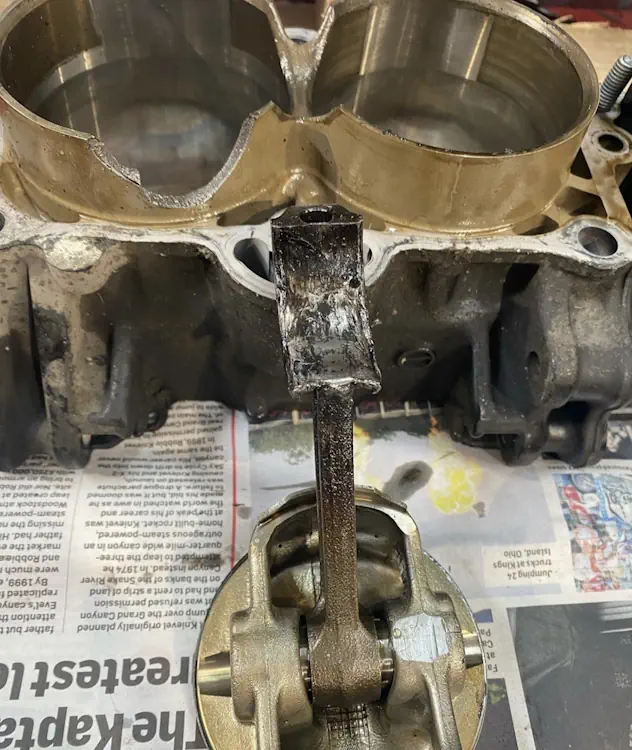
- Deposits and coking Lost light ends can leave heavier residue. Turbos and piston crowns are hot spots.
- Emissions impact Oil vapor can enter the intake via the PCV, leaving carbon. This can affect knock and LSPI risk in some engines.
- Catalyst stress Burning oil adds ash and can poison aftertreatment over the long haul.
If you have asked yourself, Does Motor Oil Evaporate enough to hurt performance, the answer is sometimes. It depends on the engine, the oil, and how you drive.
Practical ways to reduce oil evaporation and loss
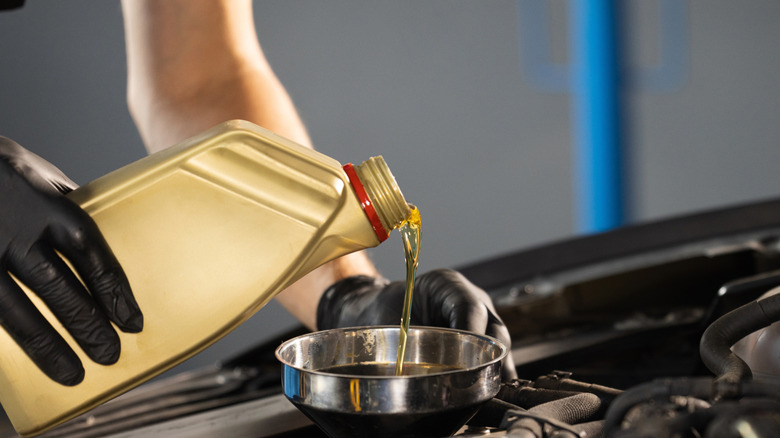
You can’t change physics. But you can choose better oil and habits that fight volatility.
- Match the owner’s manual Use the recommended grade and approvals. Do not thicken “just because.”
- Prefer low-NOACK oils Pick full synthetic with published low volatility. Look for 7–10% if possible.
- Mind your climate and load For hot weather, towing, or turbo use, select an oil that lists strong high-temp performance.
- Keep PCV healthy A stuck PCV can pull oil vapor into the intake. Replace it on schedule.
- Avoid overfilling Extra oil whips into mist and vents faster.
- Watch fuel dilution Fix misfires and rich running. Short trips can flood the oil with fuel.
- Reasonable intervals Don’t stretch oil changes if the engine runs hot or burns oil.
From my real-world wrenching, a switch from a bargain 5W-30 to a name-brand 5W-30 with NOACK near 8% cut top-ups in half on a small turbo engine. If you are asking, Does Motor Oil Evaporate less with a thicker grade, the honest answer is not always. The formula matters more than the label.
Simple checks and safe tests at home
You can’t run a lab test in your garage. But you can track clues. Keep it safe and simple.
- Track dipstick loss Check the same parking spot, same time of day, and level ground. Log miles per 1 quart added.
- Look for smoke Have a friend watch the tailpipe at startup and on decel. Blue haze points to burning.
- Inspect the PCV Pull and shake it. If it rattles and moves air with some resistance, it’s likely fine. Replace if in doubt.
- Scan for leaks Wipe the pan and gaskets clean. Recheck after a week. UV dye helps find slow weeps.
- Use oil analysis A lab can spot fuel dilution and oxidation. While they may not list NOACK, they can flag trends that mimic volatility.
Three quick PAA-style answers you might want now:
- Does Motor Oil Evaporate at room temperature? Very little in a sealed container. In an open pan, light ends can slowly off-gas over months.
- Does Motor Oil Evaporate faster in turbo engines? Yes. Turbos raise oil temperature, which speeds up volatility.
- Does Motor Oil Evaporate in storage? In sealed bottles, the loss is tiny. Keep caps tight and bottles cool.
If your core question is, Does Motor Oil Evaporate enough to explain a quart every 1,000 miles, sometimes yes. But rule out leaks and burning before you blame volatility alone.

Choosing the right oil for your engine and climate
Picking oil that resists evaporation is simple once you know what to look for. Focus on standards, not just marketing words.
- Start with the manual Use the listed grade like 0W-20 or 5W-30 and required approvals.
- Shortlist candidates Compare NOACK numbers and OEM approvals on product data sheets.
- Consider use case Hot desert, mountain towing, or track days benefit from robust synthetics.
- Verify warranty needs Many modern engines require specific approvals that also control volatility.
- Test and observe Try one oil for two intervals. Track top-ups and how the engine feels.
If you still wonder, Does Motor Oil Evaporate in cold climates too, the answer is yes but slower. Cold lowers volatility, yet long high-speed runs still heat the sump.

Personal notes from the garage
A few stories to make this real. A small turbo hatch came in using a quart every 1,500 miles. No smoke, no leaks. We swapped to a full synthetic with NOACK near 8% and checked the PCV. Loss dropped to a quart every 3,000 miles.
Another case was a highway commuter in summer heat. The driver kept asking, Does Motor Oil Evaporate if I cruise at 85 mph? Their 0W-20 was from a discount brand with limited data. A switch to a higher-quality 0W-20 with solid approvals cut top-ups by a third.
Mistakes I see often:
- Thickening oil without approval This can hurt cold starts and fuel economy.
- Ignoring PCV A $20 valve can save quarts over a year.
- Stretching intervals when oil loss climbs That only magnifies deposits.
Frequently Asked Questions of Does Motor Oil Evaporate
Does Motor Oil Evaporate in every engine?
Yes, but the rate varies. Heat, oil formula, and engine design change how fast it happens.
Does Motor Oil Evaporate more with 0W-20 than 5W-30?
Not always. A well-formulated 0W-20 synthetic can beat a poor 5W-30 on volatility.
Does Motor Oil Evaporate if I only drive short trips?
You can still lose light ends, but fuel dilution is often the bigger issue on short trips. The oil may thin and then vent more.
Does Motor Oil Evaporate out of sealed bottles?
Almost none under normal storage. Keep them sealed and cool to protect the light fractions.
Does Motor Oil Evaporate enough to damage the engine?
It can raise top-ups and lead to deposits over time. Good oil choice and maintenance keep risk low.
Conclusion
Motor oil does evaporate, but you can control it. Choose an oil with low NOACK, keep the PCV healthy, and match your manual’s specs. Track your dipstick, fix leaks, and adjust intervals to your driving and climate.
If you found this helpful, share it with a friend who wonders, Does Motor Oil Evaporate and why their dipstick keeps dropping. Subscribe for more practical car care guides, or leave a comment with your oil loss story so we can help you troubleshoot it.