
Will a Blown Head Gasket Cause the Check Engine Light?
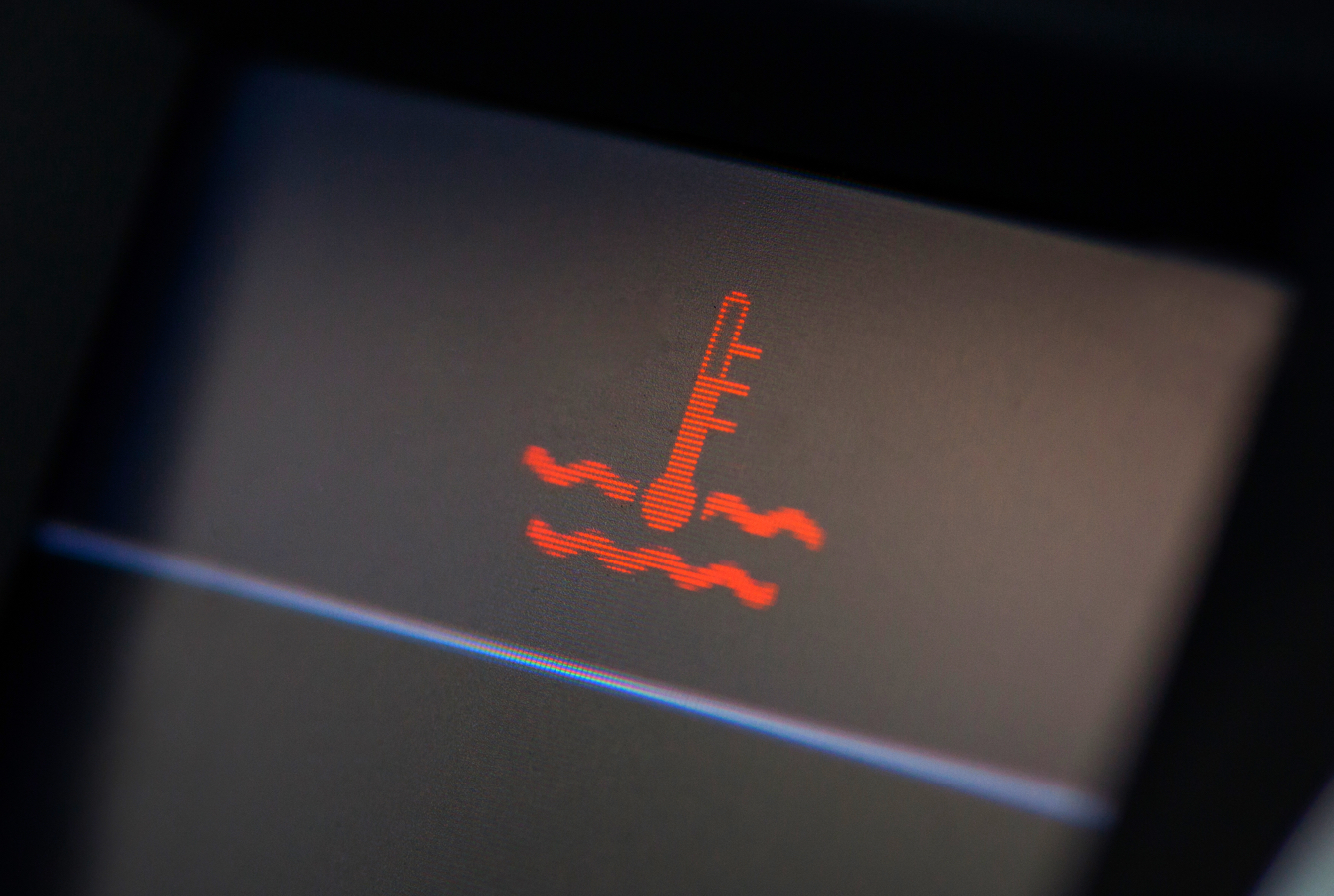
Yes, a blown head gasket can cause the check engine light to come on. When a head gasket fails, it can trigger engine misfires, coolant leaks, or abnormal exhaust emissions—all of which are detected by your car’s sensors. If your check engine light is on along with symptoms like overheating, white smoke from the exhaust, or milky oil, it’s important to have your engine inspected immediately to prevent further damage.
Important Diagnostic Tools
If your Check Engine Light is on and you suspect a head gasket issue, you shouldn’t just guess. Using an OBD-II scanner is the first step to see what the computer is actually reporting.
Tool Purpose Amazon/DIY Tip OBD-II Code Scanner Reads the specific error codes (misfires, etc.) to confirm the engine is struggling. Check Price on Amazon Combustion Leak Tester A fluid-based test that changes color if exhaust gases are in your coolant. Check Price on Amazon Cooling System Pressure Tester Helps find internal leaks that don’t show up as puddles on the ground. Check Price on Amazon
Yes. A blown head gasket can trigger the check engine light through misfires and sensor faults.
If you have wondered, will blown head gasket cause check engine light, you are not alone. I have diagnosed dozens in the bay. In this guide, I break it down in plain words. You will learn what fails, why the light turns on, what codes to look for, and what to do next. I will share shop steps, real cases, and cost tips so you can act with confidence.
Does Motor Oil Evaporate? – Normal vs Problematic Oil Loss
What a blown head gasket actually is
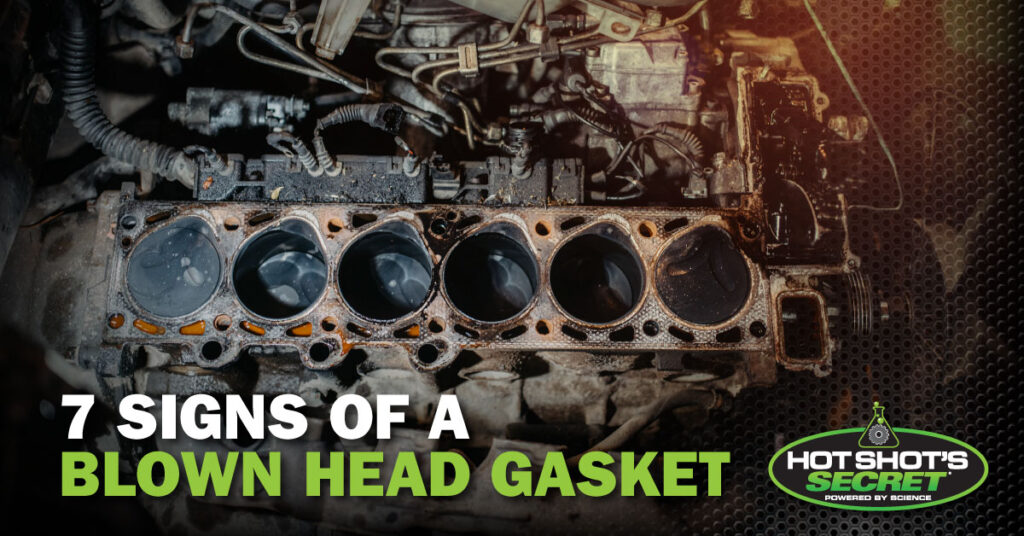
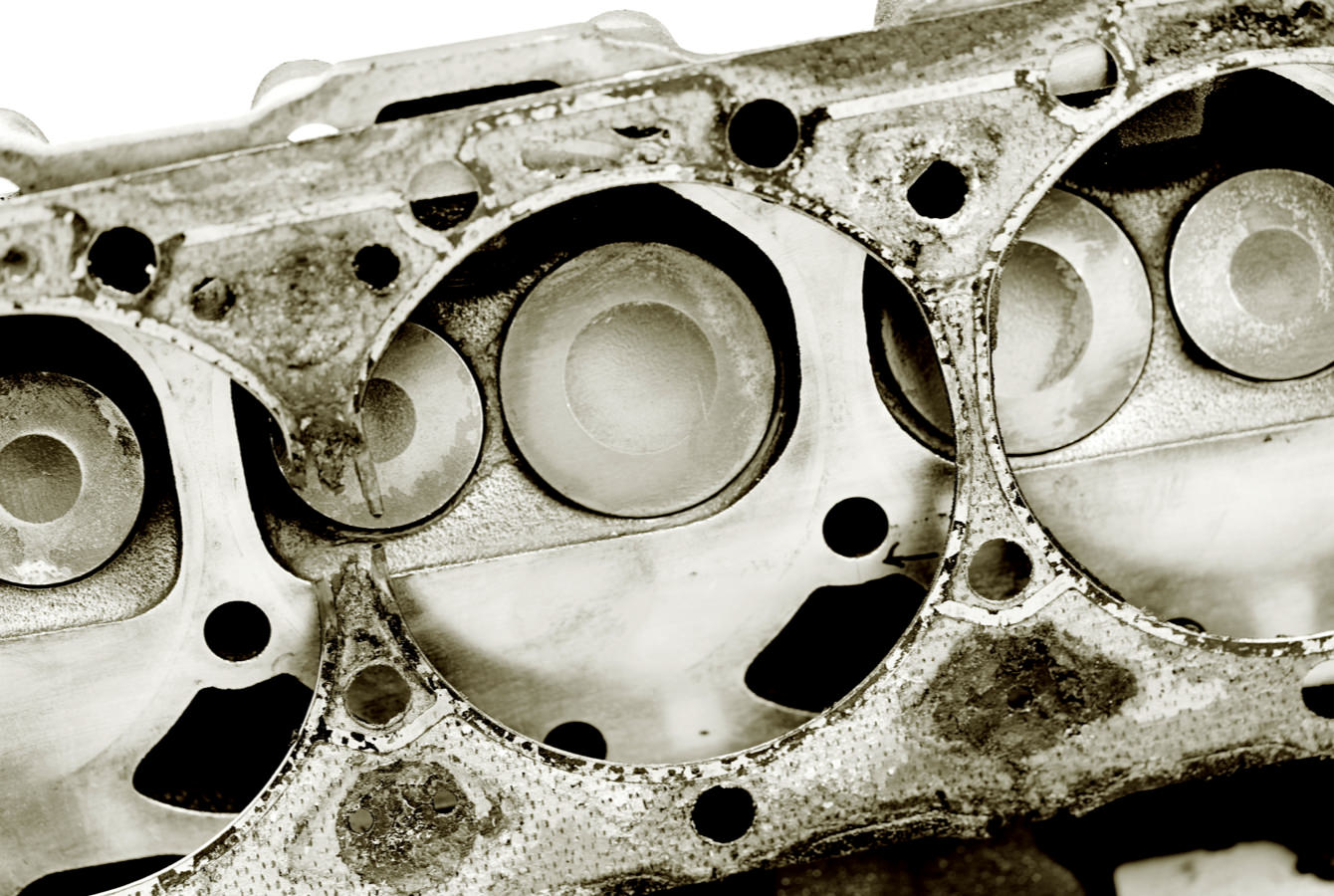
The head gasket seals the gap between the engine block and the cylinder head. It keeps compression in, and it keeps oil and coolant in their own paths. When it fails, those paths can mix or leak.
A blown gasket can leak in a few ways. Combustion gases can push into the coolant. Coolant can seep into a cylinder. Oil can mix with coolant. You may see white smoke, overheating, or the oil may look like a milkshake.
Left alone, a blown gasket gets worse. Heat rises. Seals harden. Metals warp. What starts as a small seep can become a no-start or a lock-up.
How the check engine light decides to turn on
The check engine light comes from the engine control unit. It turns on when sensors report numbers outside a safe range. It also turns on when the ECU sees a pattern that looks like a fault.
Here are common triggers in this case. Misfire detection is a big one. The ECU watches crank speed for small drops and sets P0300 to P030X. Oxygen sensor and fuel trim can shift if coolant burns, which can set rich or lean codes. Coolant temperature sensor faults, catalyst damage, or airflow errors can show up too.
When the head gasket leaks, combustion is unstable. The mix is off. The ECU sees it and flags it. That is why a blown gasket and a check engine light often go together.
Will a blown head gasket cause check engine light?
Short answer, yes. Will blown head gasket cause check engine light when the leak is small? Many times, yes. Will blown head gasket cause check engine light even if the car still runs fine? It can. Will blown head gasket cause check engine light during cold starts only? Often, because coolant seeps into a cylinder overnight. Will blown head gasket cause check engine light with random codes? Yes, and that is what makes it tricky.
Common codes you may see include:
- P0300 to P030X Misfire detected on one or more cylinders
- P0171 or P0172 Fuel trim lean or rich due to coolant vapor in the mix
- P0420 Catalyst efficiency low if coolant harms the converter
- P0117 or P0118 Coolant temperature sensor circuit, often after overheating events
- P0128 Coolant temp below thermostat range when coolant level is low
If you search will blown head gasket cause check engine light and your scan tool shows these codes, do not ignore them. The codes point to what the ECU sees. Your job is to connect the dots.
Can a tiny head gasket leak set a code?
Yes. Even a light seep can cause a morning misfire and a P030X. As the engine warms, the misfire may fade, but the ECU still stored the fault.
Will the light turn off by itself?
Sometimes. If conditions go back to normal for a few key cycles, it can clear. But with a real gasket leak, the light will return.

Symptoms that overlap and how to tell
Blown head gasket signs will mix with common check engine light signs. Look for patterns to avoid a wrong call.
Watch for these clues:
- Coolant loss with no clear external leak points to an internal leak
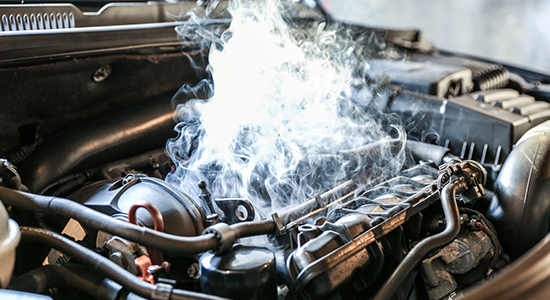
- White exhaust smoke that smells sweet suggests coolant in the cylinder
- Bubbles in the coolant tank can mean combustion gases in the cooling system
- Overheating under load hints at pressure in the cooling system
- Oil that looks creamy means coolant in oil, which is bad for bearings
- One spark plug looks steam cleaned compared to the rest
These overlap with other faults. A bad coil can misfire too. A stuck thermostat can overheat. That is why testing matters.
Step-by-step diagnosis you can do at home
I use this simple flow in the shop. You can mirror it at home with basic tools.
- Scan for codes and freeze frame data. Note when the fault happens, like cold start or hot idle.
- Check coolant level when cold. Top off with the right mix if needed. Look for a slow drop over days.
- Inspect oil. If it looks milky, stop driving and plan repairs.
- Do a block test with a combustion gas tester on the coolant neck. A color change suggests exhaust in the coolant.
- Run a compression test across all cylinders. A low hole points to a problem area.
- Follow with a cylinder leak-down test. Listen for bubbles in the coolant neck or hissing in the intake or exhaust.
- Pressure test the cooling system. Hold pressure and watch for a drop and internal leaks.
- If needed, use a borescope to view each cylinder for coolant trails.
At any step, if you confirm a leak, protect the engine. Coolant in a cylinder can cause a hydro-lock on startup. That can bend a rod.

Real shop case you can learn from
A customer came in with a check engine light and rough cold start on a compact sedan. Codes were P0302 and P0300, with a pending P0420. The coolant was low, and the overflow tank bubbled at idle.
I ran a block test. It turned positive in under a minute. A leak-down test on cylinder 2 pushed bubbles into the radiator. We replaced the head gasket, resurfaced the head, changed the head bolts, and flushed the cooling system and converter. The misfire and the light never returned. If you ask will blown head gasket cause check engine light in cases like this, the proof was in the data.

Can you drive with the light on if the gasket is blown?
It is a gamble. Will blown head gasket cause check engine light and still let you commute a few miles? Maybe, but each mile adds risk. Coolant can wash cylinder walls and strip oil. Bearings can wear fast. The converter can fail from coolant contamination.
If the light flashes, that means active misfire. Park it. If coolant drops fast or you see white smoke, tow it. A small repair today can prevent a full engine tomorrow.
%20copy.jpg)
Repair options, costs, and when to walk away
Head gasket repair costs depend on engine layout and damage. A small four cylinder is the least. A V6 or V8 can double labor time. If the head is warped or cracked, add machine work or a replacement.
Typical items to budget:
- Head gasket set with valve cover, intake, and exhaust gaskets
- New head bolts if they are torque-to-yield
- Coolant, oil, and filter
- Thermostat and radiator cap as cheap insurance
- Machine shop check for flatness and cracks
- Timing components if the engine is already apart and due
On average, a four cylinder repair runs in the low to mid four figures. A V6 or turbo can be higher. Sometimes a low-mile used engine makes more sense. Stop-leak products are a band-aid at best. They can clog small passages and heater cores. I only use them on vehicles near the end of life with clear consent.
Prevention and maintenance that actually helps
Heat is the enemy of gaskets. Keep the cooling system healthy and you reduce risk. Will blown head gasket cause check engine light in a well cared for car? It is far less likely.
Simple habits that pay off:
- Change coolant on schedule with the correct type
- Replace weak radiator caps and sticky thermostats at the first sign of trouble
- Fix small leaks right away to avoid air pockets and hot spots
- Watch the temp gauge and never ignore a slow creep up
- Use the right octane and keep the engine out of detonation
- Follow proper torque patterns and values if you do your own work
If you tow or drive in heat, consider a fresh radiator and hoses at higher mileage. Cheap parts here can save a gasket later.
Related problems that can mimic a blown head gasket
Some faults look the same from the driver seat. You can chase the wrong fix if you skip tests. Will blown head gasket cause check engine light the same way as these? The light turns on, but the root cause differs.
Common look-alikes:
- Cracked cylinder head or block can leak in the same paths
- Intake manifold gasket leaks coolant into ports on some V engines
- EGR cooler leaks can send coolant into the intake on some diesels
- PCV issues can foul plugs and cause misfires that copy the symptoms
- Turbo coolant seal leaks can add vapor and trip sensor faults
Run the right tests. The results will point you to the true source.
Frequently Asked Questions of will blown head gasket cause check engine light
How fast will the check engine light appear after a head gasket blows?
It can be instant if the leak is large and causes misfire right away. Small leaks may only set a code after a few cold starts.
Can a blown head gasket cause only one cylinder to misfire?
Yes. Many times coolant leaks into one cylinder and sets a single-cylinder misfire like P0302. Plugs from that hole may look steam cleaned.
Will a coolant flush fix the check engine light from a head gasket leak?
No. A flush cannot seal a failed gasket. It may help temps, but the light will return because the root cause remains.
Is it safe to keep driving if the car runs fine?
It is not wise. The engine may feel okay, but coolant can still harm the converter and bearings. Plan a diagnosis and repair soon.
What if my codes are lean or rich but there is no misfire?
Coolant vapor can skew oxygen sensor readings and fuel trims without a harsh misfire. Look for slow coolant loss and test for combustion gases in the coolant.
Conclusion
A blown head gasket can and often does set the check engine light. The ECU sees misfires, fuel trim swings, and sensor data that no longer makes sense. With smart tests, you can confirm the leak fast and protect your engine and wallet.
Act early if you spot the signs. Run a scan, check fluids, and do a block or leak-down test. If this guide helped answer will blown head gasket cause check engine light for your case, share it, subscribe for more car care tips, or drop a comment with your codes and symptoms so we can help you plan next steps.