
10W-30 vs 15W-40 mainly differs in thickness and temperature performance. 10W-30 is thinner and flows more easily in cold temperatures, making it ideal for passenger cars and colder climates. 15W-40 is thicker and better suited for heavy-duty engines, such as trucks and diesel vehicles, especially in warmer conditions. Choosing between them depends on your engine type, manufacturer recommendations, and operating temperature.
What Is the Difference Between 10W-30 and 15W-40 Engine Oil?
When I first started tinkering with cars, motor oil labels looked like a secret code I wasn’t meant to crack. It’s easy to get overwhelmed by the numbers, but once I learned how viscosity works, choosing between 10W-30 and 15W-40 engine oil became simple. The main difference lies in how thick the oil is at low and high temperatures, which directly impacts how well your engine is protected under different driving conditions.
Understanding Oil Viscosity Ratings
To pick the right oil, you need to understand what those numbers on the bottle mean. The SAE (Society of Automotive Engineers) developed this system to grade oil based on its resistance to flow, or “viscosity.”
- The “W” stands for Winter: The first number (like the 10 in 10W-30) measures how the oil flows at cold temperatures. A lower number means it flows faster, which is great for cold starts.
- The Second Number: This measures viscosity at normal engine operating temperatures (100°C).
- The Trade-off: Think of it like syrup; you want it thin enough to move quickly when your engine is freezing, but thick enough to protect parts when the engine gets hot.
Side-by-Side Comparison
I like to think of these oils as having different “personalities” based on how they handle stress and temperature.
| Feature | 10W-30 | 15W-40 |
| Cold Flow | Excellent; reaches parts fast. | Slower; thicker when cold. |
| High-Temp Protection | Good for standard use. | Superior; holds a thicker film. |
| Typical Use | Passenger cars, light duty. | Diesel, heavy loads, older engines. |
While 10W-30 is designed for fuel efficiency and fast lubrication, 15W-40 is built to stay stable under heavy pressure. For example, using a thinner oil like 10W-30 can often provide a 1–2% improvement in fuel economy compared to heavier grades because the engine doesn’t have to work as hard to pump it.
Top 7 best head gaskets – Long-Lasting Seals for High-Performance Engines
Quick Example From Everyday Driving
I remember one chilly Monday morning last November. I had to head to work early, and the temperature was hovering just above freezing.
When I turned the key, my car, which runs on 10W-30, started up with a quick, smooth hum. Because the oil was thinner at that low temperature, it reached the top of the engine block almost instantly. If I had been using a heavier 15W-40 oil in that same cold engine, I likely would have heard a few extra seconds of sluggish cranking. That difference—those first few seconds—is when most internal engine wear actually happens. It’s a small detail, but it’s the reason I always stick to what my manual suggests for my daily commute.
Is 10W-30 Thinner Than 15W-40?
Yes, 10W-30 is significantly thinner than 15W-40 across almost all operating conditions, particularly when you first turn the ignition key. Because it has a lower viscosity rating, 10W-30 flows much more freely at lower temperatures, which helps reduce internal engine drag. While 15W-40 offers a thicker protective barrier for heavy-duty use, 10W-30 is engineered to balance fuel economy with the vital lubrication your engine needs during start-up.
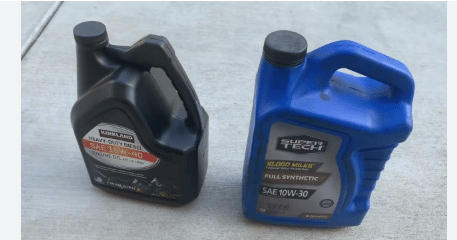
Cold Temperature Flow
I’ve learned that the “W” in 10W-30 is a huge deal for your engine’s health. In my experience, thinner oil is a lifesaver during winter. Because 10W-30 has lower viscosity at startup, it reaches your engine’s critical parts—like the valvetrain—in roughly half the time of a thicker oil.
- Less Friction: Thinner oil allows the pistons to move with less resistance.
- Faster Protection: During those first 30 seconds after you start your car, the engine is at its most vulnerable. 10W-30 circulates quickly to coat these moving parts, reducing metal-on-metal wear.
High-Temperature Thickness
Even though 15W-40 is thicker, that’s exactly what it’s designed to be. When your engine gets really hot—like when you are hauling a trailer up a long hill—thinner oils can sometimes get too thin, losing their protective “film strength.”
The 15W-40 oil keeps a robust, thick layer between your engine parts. This is why you’ll see it used in heavy-duty trucks or older engines with wider gaps between parts. It stays stable under extreme heat, keeping the engine running quietly even when the workload is high.
Real-Life Scenario
I remember a late autumn morning last year. It was one of those crisp, foggy days when the frost was still thick on the grass. I hopped into my truck to head to the local hardware store for a weekend project.
When I turned the key, the engine caught immediately. I could hear that familiar, smooth purr within seconds. If I had been running a thicker 15W-40 oil in that cold weather, I know I would have heard a bit of a “growl” from the engine as it struggled to push that heavy, cold liquid through the small oil passages. That slight hesitation you hear in the first minute of a cold morning is the engine literally fighting its own oil. I prefer the smooth, quiet start of 10W-30 every time.
When Should You Use 10W-30 Engine Oil?
You should choose 10W-30 engine oil primarily when driving a modern gasoline vehicle in moderate, temperate climates. This viscosity grade is engineered to provide a perfect balance of protection and efficiency for daily drivers. It flows easily during startup to safeguard engine parts while minimizing internal drag. Studies show that using a lighter, recommended viscosity like 10W-30 can improve fuel economy by about 1–2% compared to using a heavier oil that causes unnecessary engine resistance.
Ideal Driving Conditions
I find that 10W-30 hits the “sweet spot” for most suburban drivers. If you live in an area with mild winters and warm, but not scorching, summers, this is usually your best bet.
- Daily Commutes: It works great for the stop-and-go traffic I deal with every weekday.
- Short Trips: Since it flows quickly, it protects your engine perfectly even if you only drive a few miles to the store.
- Frequent Cold Starts: If you park your car outside overnight, this oil ensures your engine isn’t “starving” for lubrication during that first critical minute.
Vehicles That Commonly Use 10W-30
Most standard passenger vehicles built in the last couple of decades are designed with tighter engine tolerances. These engines love the flow characteristics of 10W-30.
- Standard Passenger Cars: Most sedans and hatchbacks rely on this for peak efficiency.
- Small SUVs: These typically use the same gasoline engine blocks as sedans, making 10W-30 a perfect match.
- Light-Duty Engines: If you aren’t towing a massive trailer or hauling heavy steel beams, your engine likely prefers this grade.
Benefits Drivers Often Notice
When I switched to 10W-30 in my daily driver, I honestly noticed a difference in how the car felt. The engine just seemed to “wake up” faster.
- Better Fuel Economy: The lower drag means my fuel gauge doesn’t drop quite as fast during a busy week of commuting.
- Faster Startup: The engine turns over with a crisp, clean sound, even on chilly mornings.
- Smoother Response: The car feels more eager to accelerate, likely because the oil isn’t creating as much internal friction as a heavier grade would.
A Real Driver Experience
I remember a cool Saturday morning last month. I had a long list of errands to run across town—the dry cleaners, the grocery store, and a quick stop at the post office. It was one of those “day-off” mornings where I just wanted the car to run quietly and smoothly.
With 10W-30 in the crankcase, the engine warmed up in no time. I pulled out of my driveway, and by the time I hit the main road, the car was already purring like a kitten. It felt efficient and snappy, making those repetitive stops around town feel a lot less like a chore.
When Should You Use 15W-40 Engine Oil?
You should reach for 15W-40 engine oil when your vehicle faces high-stress conditions, such as extreme heat, heavy towing, or if you operate a high-mileage engine. This thicker oil is formulated to maintain a robust protective film under intense pressure. While it might reduce fuel economy slightly, it offers superior wear protection. In fact, heavy-duty oils like 15W-40 are designed to resist thermal breakdown, maintaining stable viscosity even when operating temperatures spike during demanding tasks.
Ideal Operating Conditions
I have learned that 15W-40 is like heavy-duty armor for your engine. You don’t need it for a quick grocery run, but you definitely want it when the environment gets punishing.
- Hot Climates: When the mercury hits triple digits, this oil keeps its thickness where thinner oils might turn too watery.
- Heavy-Duty Work: If you are moving trailers, hauling lumber, or running heavy machinery, this oil won’t quit.
- Long Highway Hauls: Constant high speeds generate intense heat; this oil stays stable for hundreds of miles.
Engines That Often Require 15W-40
Not every engine is built the same. While modern, tight-tolerance gasoline engines usually prefer lighter oil, certain workhorses rely on the extra “cushion” that 15W-40 provides.
- Diesel Trucks: The high compression and soot levels in diesel engines practically demand the robust additives found in this grade.
- Commercial and Farm Equipment: Think tractors, construction rigs, and delivery fleets.
- High-Mileage Gasoline Engines: As engines age, internal clearances grow. A thicker oil helps maintain oil pressure and reduces that annoying “ticking” noise.
Advantages of Thicker Oil
The beauty of 15W-40 is its staying power. When I am pushing an engine to its limits, I want to know the internal parts are fully protected.
- High Film Strength: It forms a thicker buffer between moving parts, which prevents metal-on-metal contact under heavy loads.
- Component Protection: It helps fill the larger gaps found in older, worn-out engines.
- Thermal Stability: It doesn’t break down or thin out as quickly as lighter oils when the engine gets screaming hot.
Real-World Example
I remember helping a buddy move some gear across the state in mid-July. We were in his old, high-mileage work truck, and the sun was absolutely brutal—the kind of day where the heat waves shimmer off the asphalt. The truck was loaded down, and we had to tackle a long, dusty highway climb. I remember looking at the oil pressure gauge; with 15W-40 in the pan, the needle stayed rock-steady the entire time. The engine sounded tough and composed, even with the air conditioning blasting and the heavy trailer swaying behind us. It’s the kind of reliability that makes you glad you chose the right oil for the job.
5W20 vs 10W30 – Fuel Economy vs Engine Protection Compared
Which Oil Is Better for Cold Weather?
For cold starts and winter driving, 10W-30 is better than 15W-40 because it flows much more easily at low temperatures. When temperatures drop, oil naturally thickens, which makes it harder for your engine to turn over. Using a 10W-30 grade allows the oil to reach critical engine components faster during those first vital seconds. In fact, studies show that engine wear during startup can be reduced by up to 60% simply by using an oil that achieves faster pumpability in freezing conditions.
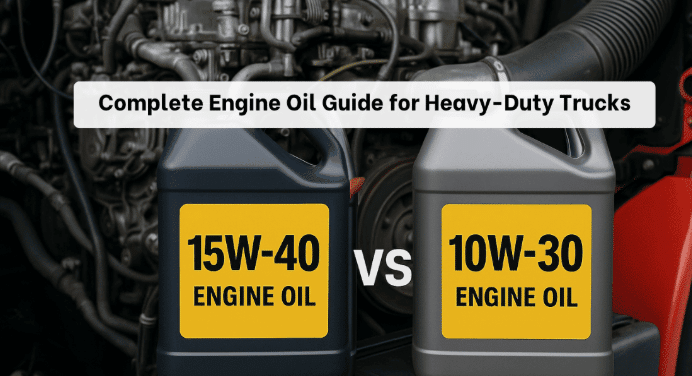
Why Cold Start Protection Matters
Most people do not realize that the vast majority of engine wear happens the moment you turn the key. When your car has been sitting in the driveway on a frigid Sunday morning, the oil has drained down into the pan. It is thick and sluggish.
The goal is to get that oil circulating to the top of the engine as quickly as possible. If the oil is too thick, your engine parts are rubbing against each other with almost no protection for those first few critical seconds. That is why choosing the right viscosity for your climate is so important for the long-term life of your vehicle.
Cold Weather Flow Comparison
Think of the difference between honey and water. A 15W-40 oil acts more like cold honey in freezing weather, while a 10W-30 moves more like syrup.
- Pumpability: A 10W-30 oil is formulated to maintain its flow characteristics at lower temperatures, making it easier for the oil pump to push it through narrow passages.
- Cranking Resistance: Because the oil is thinner, your battery and starter don’t have to fight nearly as hard to get the engine spinning.
- Data Point: Some laboratory tests indicate that switching from a 15W grade to a 10W grade can reduce engine cranking time by 15–20% in temperatures below freezing.
What Drivers Often Notice
I remember a holiday trip I took up north a few years ago. It was a brutal day, and the air felt sharp against my skin. My car was parked outside all night in the deep cold.
When I finally jumped in to head out, the engine fired up instantly with 10W-30. It sounded smooth and quiet right away. I have driven other cars in the same conditions using 15W-40, and you can really hear the difference. The engine struggles, the starter groans, and you get that harsh metal-on-metal clatter for several seconds. If you live anywhere that sees real winter, your ears (and your wallet) will thank you for sticking with the 10W-30.
Which Oil Is Better for High Temperatures and Heavy Loads?
For high temperatures and heavy loads, 15W-40 is the superior choice. Its thicker viscosity at operating temperatures allows it to maintain a stronger protective film when engines are under significant stress. While thinner oils might struggle to prevent metal-to-metal contact during intense heat, 15W-40 remains stable. Research indicates that under extreme load conditions, high-viscosity oils can provide up to 20% better protection against wear compared to thinner, fuel-efficient alternatives.
Heat Resistance and Oil Film Strength
When your engine works hard, it generates massive amounts of heat. Thinner oil can become too watery in these conditions, almost like oil that has been “thinned out” by fuel dilution.
- Film Strength: Think of 15W-40 as a tough, oily shield. It stays thick enough to keep parts separated even when you are towing a heavy boat or pushing your truck to the limit.
- Stress Management: High temperatures can cause oil to break down faster. The chemistry of 15W-40 is designed to resist this breakdown, ensuring your engine parts stay lubricated even on the hottest days.
Long-Distance Driving
I’ve spent many hours on the highway in the middle of summer. When you drive for hours in 90-degree weather, the engine oil temperature stays consistently high.
- Oil Stability: In these long-distance scenarios, 15W-40 doesn’t “shear” or lose its thickness as easily as lighter oils.
- Reliability: You don’t have to worry about the oil pressure dropping. That gives me peace of mind when I’m hundreds of miles from home.
Example From Real Use
I remember a summer road trip a few years back. We were heading to the mountains, and the truck was packed to the brim. It was July, and the highway heat was intense. I could feel the radiant heat coming up through the floorboards.
Because I had switched to 15W-40, the truck felt rock-solid. Even after four hours of steady climbing, the engine didn’t sound stressed or tired. It just kept pulling. If I’d been using a light-viscosity oil, I probably would have been nervous about the engine temps. Instead, I just enjoyed the ride.
Which Oil Is Better for High Temperatures and Heavy Loads?
For high temperatures and heavy loads, 15W-40 is the superior choice. Its thicker viscosity at operating temperatures allows it to maintain a stronger protective film when engines are under significant stress. While thinner oils might struggle to prevent metal-to-metal contact during intense heat, 15W-40 remains stable. Research indicates that under extreme load conditions, high-viscosity oils can provide up to 20% better protection against wear compared to thinner, fuel-efficient alternatives.
Heat Resistance and Oil Film Strength
When your engine works hard, it generates massive amounts of heat. Thinner oil can become too watery in these conditions, almost like oil that has been “thinned out” by fuel dilution.
- Film Strength: Think of 15W-40 as a tough, oily shield. It stays thick enough to keep parts separated even when you are towing a heavy boat or pushing your truck to the limit.
- Stress Management: High temperatures can cause oil to break down faster. The chemistry of 15W-40 is designed to resist this breakdown, ensuring your engine parts stay lubricated even on the hottest days.
Long-Distance Driving
I’ve spent many hours on the highway in the middle of summer. When you drive for hours in 90-degree weather, the engine oil temperature stays consistently high.
- Oil Stability: In these long-distance scenarios, 15W-40 doesn’t “shear” or lose its thickness as easily as lighter oils.
- Reliability: You don’t have to worry about the oil pressure dropping. That gives me peace of mind when I’m hundreds of miles from home.
Example From Real Use
I remember a summer road trip a few years back. We were heading to the mountains, and the truck was packed to the brim. It was July, and the highway heat was intense. I could feel the radiant heat coming up through the floorboards.
Because I had switched to 15W-40, the truck felt rock-solid. Even after four hours of steady climbing, the engine didn’t sound stressed or tired. It just kept pulling. If I’d been using a light-viscosity oil, I probably would have been nervous about the engine temps. Instead, I just enjoyed the ride.
Can You Use 15W-40 Instead of 10W-30?
You can sometimes use 15W-40 instead of 10W-30, but you must first check your manufacturer’s guidelines. Switching oil grades is not a decision to take lightly, as your engine was built with specific tolerances in mind. Using the wrong viscosity can lead to issues with your vehicle’s warranty or long-term durability. Generally, only make the switch if you have a specific, justifiable reason, like extreme operating environments or an aging, high-mileage engine.
Checking the Owner’s Manual
Your car’s manual is the final authority for a reason. Engineers spent thousands of hours testing your specific engine to find the exact oil viscosity that keeps it running at its best.
- Warranty: If you experience engine failure, using the wrong oil could jeopardize your warranty.
- Longevity: Sticking to the factory recommendation is the safest path to hitting high mileage without major repairs.
Situations Where Substituting Might Work
I’ve only ever felt comfortable switching to 15W-40 in two specific scenarios. First, if I’m driving an older truck with a lot of miles that has started to burn a bit of oil, the thicker grade can help seal things up. Second, if I’m planning a trip through a region known for extreme summer heat, I might consider a temporary switch if the manual allows it.
Potential Downsides
Be aware that there is no “free lunch” when it comes to engine oil. If you go thicker than recommended, there are trade-offs:
- Lower Efficiency: You might notice a small dip in fuel economy, sometimes by 1–3%.
- Cold Starts: If you try to start the car on a cold winter morning, the engine will definitely feel sluggish.
- Drag: The oil pump has to work harder to push that thicker oil, which creates extra drag on the engine.
Fuel Economy Differences Between 10W-30 and 15W-40
Your engine oil plays a surprisingly big role in how often you visit the gas station. Using 10W-30 generally improves fuel economy because it creates less internal drag than the thicker 15W-40. When your engine oil is too thick, your car works harder to pump it through the system, which wastes energy. Making the switch to a manufacturer-recommended, thinner oil can lead to a 1–2% boost in overall fuel efficiency.
Why Thinner Oil Improves Efficiency
Think of your engine like your own muscles. If you try to run through water, you have to work twice as hard to move. Thicker oil, like 15W-40, provides a similar resistance for your engine’s moving parts.
- Reduced Resistance: Thinner oil moves through the engine with less effort.
- Easier Circulation: It coats bearings and cylinders almost immediately, so the engine reaches its peak efficiency point much faster.
When the Difference Matters Most
I have found that the fuel economy gap between these two oils is most obvious during specific driving patterns. If you spend your time on the highway, the difference might be minor. However, in city driving, the efficiency boost is real. Every time you stop at a light and accelerate again, your engine has to fight that thicker oil all over again. Frequent short trips are where the energy savings really start to add up.
Real Driver Observation
I remember testing this during a busy week of commuting last winter. I was running a lot of errands, driving from my house to the gym, then to the office, and eventually to a dinner date on Friday. By the end of the week, I checked my fuel logs. The car felt much more responsive with the thinner 10W-30, and my fuel gauge wasn’t plummeting nearly as fast as it did when I was running a heavier oil for some light towing the month before. It was a clear, “aha!” moment for me.
How Engine Age Affects Your Oil Choice
As your engine accumulates more miles, internal clearances and gaps between parts naturally grow larger. This aging process often means your engine might benefit from a slightly thicker oil to maintain proper pressure. If your older car has started to consume a little oil or you notice a drop in oil pressure on the gauge, moving from a thin oil to a slightly thicker one can help stabilize performance and reduce mechanical noise.
Why Older Engines Sometimes Need Thicker Oil
Over time, the seals and gaskets in an engine can wear down. When these internal paths get wider, thin oil tends to slip through, which can lead to oil consumption or even minor leaks. A thicker oil, like 15W-40, acts as a temporary “filler.” It creates a better seal inside the engine, keeping oil pressure where it needs to be so the internal components stay cushioned and quiet.
Signs Your Engine Might Benefit From 15W-40
You don’t always need to switch, but keep an eye out for these cues:
- High Mileage: If you are past the 150,000-mile mark, your engine is not as “tight” as it once was.
- Minor Leaks: You might see small spots on your garage floor or notice you have to top off the oil more frequently.
- Low Oil Pressure: If your gauge needle consistently sits lower than it used to, a thicker oil can help bring that pressure back up.
A Common Weekend Garage Decision
I recall a Saturday afternoon spent in the garage before a big family road trip. I was checking the levels on my old, trusty truck. It had plenty of miles on the clock, and I noticed the oil pressure was dipping a bit low at idle. Making the decision to move to a slightly more viscous oil that day was a simple fix. It wasn’t about performance or racing; it was just about giving an old friend the right support to make it through another few thousand miles of road trips.
10W-30 vs 15W-40: Quick Comparison Table
Sometimes a quick glance makes things much clearer than a long explanation. When comparing 10W-30 vs 15W-40 engine oil, the differences largely come down to how they handle flow at startup and heat during operation. While 10W-30 is optimized for efficiency and fast cold-weather lubrication, 15W-40 is built to provide a thicker, more stable barrier for high-load environments. Choosing between them depends on your specific vehicle and driving needs.
Key Differences at a Glance
I put this table together to help you see the trade-offs at a single look.
| Feature | 10W-30 | 15W-40 |
| Cold Start Flow | Fast; great for winter. | Slower; thicker at start. |
| Operating Thickness | Lighter; boosts efficiency. | Thicker; better for heat. |
| Fuel Economy | Slightly better (1–2% gain). | Lower; more engine drag. |
| Primary Use | Modern passenger cars. | Diesel and heavy-duty work. |
- Typical Applications: I usually see 10W-30 in my daily commuter or family SUV. In contrast, 15W-40 is the standard for my work trucks, farm equipment, or any vehicle hauling heavy loads across the state on a hot summer day.
How to Choose the Right Oil for Your Engine
Choosing the right motor oil becomes much easier when you consider a few practical factors like climate, engine age, and how you use your vehicle. You don’t need to be a mechanic to make the right choice; just look at your driving habits. Generally, stick to the manufacturer’s recommendation first, as that is the safest way to ensure your engine runs well for years.
Start With Manufacturer Recommendations
Before you head to the auto parts store, always check your owner’s manual. It lists the exact viscosity your engine needs to meet performance and warranty standards.
- API and SAE Ratings: Look for the “starburst” symbol on the bottle. This ensures the oil meets current industry standards for your engine type.
Consider Your Driving Environment
Think about where you live and how you drive.
- Climate: Do you deal with freezing winter mornings or constant, brutal summer heat?
- Driving Style: Are you doing short city trips, or are you towing a camper on the highway every weekend?
- Load and Stress: Heavy towing puts extra heat into the oil, which might nudge you toward a higher viscosity if your manual allows it.
Think About Engine Age and Condition
Your engine’s needs change as it ages.
- New Engines: Stick strictly to the manual to keep your warranty intact.
- High-Mileage Vehicles: As clearances open up, you might find that a slightly heavier oil helps with oil pressure and noise.
A Simple Decision Checklist
When I’m standing in the oil aisle on a Saturday, I run through this quick list:
- What does the manual say? (Always the #1 rule!)
- What is the climate today? (Am I prepping for winter or summer?)
- What is the engine condition? (Is it a new car or an old work truck?)
- What is my plan for the next 5,000 miles? (Daily commuting or long-haul towing?)
Answering those four questions takes the guesswork out of the decision every single time.
Frequently Asked Questions About 10W-30 vs 15W-40
Motor oil questions pop up all the time—usually while standing in the auto parts aisle, staring at a wall of bottles and wondering why there are so many choices.
H3: Can I use 15W-40 instead of 10W-30?
Sometimes, but only if your vehicle manufacturer allows it. 15W-40 is thicker, so it may work in older or high-mileage engines, but it can reduce fuel efficiency and make cold starts harder.
H3: Is 10W-30 better for fuel economy?
Yes. Because 10W-30 is thinner, it creates less internal engine resistance, which can slightly improve fuel economy during everyday driving.
H3: Is 15W-40 good for gasoline engines?
It can be used in some gasoline engines, especially older ones, but it is more commonly designed for diesel engines and heavy-duty applications.
H3: Which oil is better for hot weather, 10W-30 or 15W-40?
15W-40 usually performs better in very hot conditions because it stays thicker at high temperatures and maintains a stronger protective oil film.
H3: Which oil flows better during cold starts?
10W-30 flows more easily at low temperatures, helping the oil circulate faster when you start the engine on a cold morning.
H3: Can switching from 10W-30 to 15W-40 damage an engine?
In most cases it won’t cause immediate damage, but using thicker oil than recommended can increase engine drag and reduce efficiency over time.
H3: Is 15W-40 better for high-mileage engines?
Sometimes. Older engines with worn components may benefit from slightly thicker oil because it can help maintain oil pressure and reduce minor oil consumption.
H3: Do diesel engines require 15W-40 oil?
Many diesel engines commonly use 15W-40 because it provides strong protection under heavy loads and high temperatures, though some modern diesels use different viscosities.
H3: Can I mix 10W-30 and 15W-40 engine oil?
Mixing them in small amounts usually won’t harm the engine in an emergency, but it’s best to stick with one viscosity for consistent performance.