
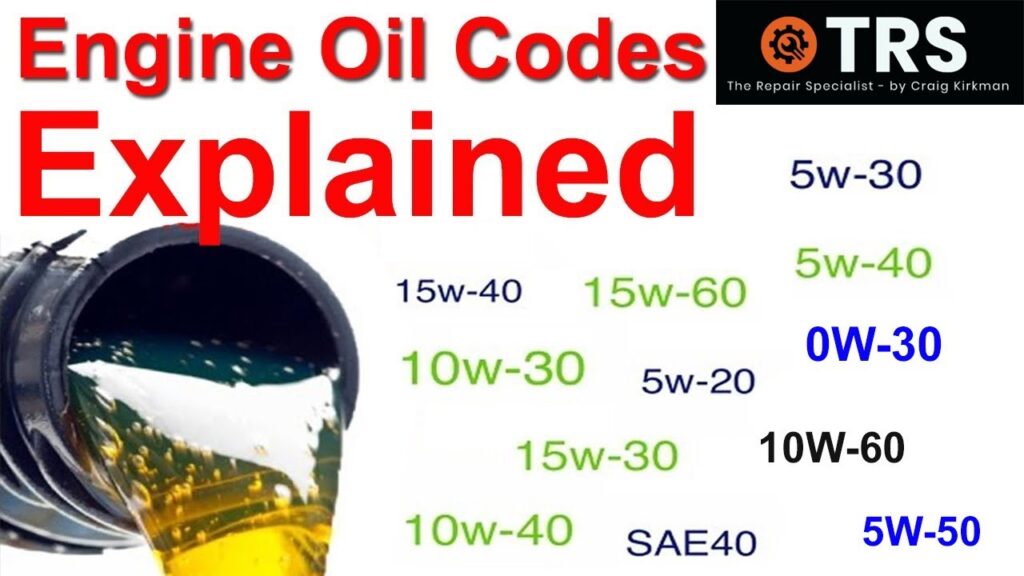
The oil grade 15W-40 tells you its viscosity. The “15W” indicates how the oil flows in cold temperatures (W = winter), ensuring easier starts in cold weather. The “40” shows the oil’s thickness at high engine temperatures, providing strong protection under heat and pressure. This makes 15W-40 ideal for engines needing reliable performance in both cold starts and hot running conditions.
Top Amazon Products for 15W-40 Users
Since 15W-40 is the standard for heavy-duty diesel engines and older gasoline trucks, you need high-quality brands that resist thermal breakdown. Here are the top-rated choices available on Amazon:
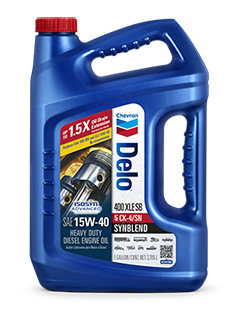
Product Best For… Why It’s a Top Choice Shell Rotella T4 Triple Protection Overall Reliability The most popular 15W-40 in America; a “workhorse” formula proven in millions of miles of heavy-duty testing. Valvoline Premium Blue One Solution High Mileage & Mixed Fleets Exclusively recommended by Cummins; versatile enough for diesel, natural gas, and gasoline engines. Chevron Delo 400 SDE Extreme Conditions Excellent soot dispersancy and viscosity control, preventing sludge buildup in severe operating environments.
15W-40 means the oil flows like a 15-weight cold and a 40-weight hot.
If you have ever asked what does 15w-40 mean, this guide is for you. I work with engines daily, from pickups to heavy-duty diesels. I’ll break down the numbers, the science, and the real-world use so you can choose oil with confidence.

Decoding 15W-40: What Each Number Means
When people ask what does 15w-40 mean, they want a simple answer. It is an SAE viscosity grade. The W stands for winter. The two numbers show how the oil behaves when cold and when hot.
Here is the breakdown in plain terms:
- 15W cold rating The oil meets winter tests so it can crank and pump at low temps. By SAE J300, it cranks at about -4°F (-20°C) and pumps at about -13°F (-25°C).
- 40 hot rating At 212°F (100°C), the oil falls within a set range. It is thick enough to protect at engine operating temp.
- Not two oils in one The oil is not 15-weight and 40-weight. It behaves like a 15-grade when cold and like a 40-grade when hot.
If you wonder what does 15w-40 mean in lab terms, here are key points:
- Kinematic viscosity at 100°C is about 12.5 to 16.3 cSt for a 40 grade.
- HTHS viscosity is at least 3.5 mPa·s for most 15W-40 engine oils.
- Additives and base oils make this wide temperature range possible.
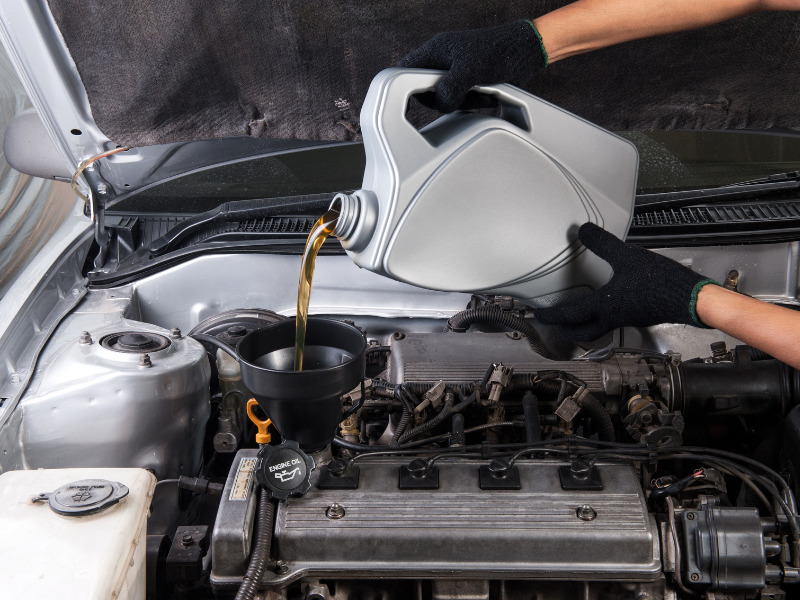
5W-30 vs 15W-40 – Cold Starts, Protection & Fuel Economy Compared
How 15W-40 Performs In Real Life
Still curious what does 15w-40 mean for starts and heat? Think of honey in the fridge and on toast. Cold makes fluids stiff. Heat makes them loose. 15W-40 stays thin enough to start in mild cold. It also stays thick enough to protect in heat and under load.
What this means for you:
- Cold starts It cranks fine in mild winter, but it is not ideal for deep cold. In very low temps, 5W-40 or 0W-40 is better.
- Heat and towing The 40 hot grade resists thinning. It holds oil pressure in hot weather and on long grades.
- Wear and deposits A good 15W-40 has detergents and anti-wear additives. These keep parts clean and reduce metal-to-metal contact.
From my own shop notes, 15W-40 held stable pressure on older V8s during summer towing. That is what does 15w-40 mean in practice. It gives a safety margin when engines run hard.
Where 15W-40 Fits Best: Engines, Climate, and Duty Cycle
A common search is what does 15w-40 mean for my engine. It often suits:
- Diesel pickups and heavy-duty trucks Many OEMs approve 15W-40 for warm to hot climates.
- Farm, construction, and marine gear High load, long idle, dust, and heat favor a 40 grade.
- Older gas engines Some allow 15W-40, especially in warm regions. Always check the manual.
- Motorcycles with wet clutches Some 15W-40 oils meet JASO MA/MA2. Confirm the label.
When to pick another grade:
- Very cold starts Choose 0W-40, 0W-30, or 5W-40 for fast oil flow in deep winter.
- Newer cars that need thin oils Many modern gas cars need 0W-20 or 5W-30 for fuel economy and timing systems.
The honest truth behind what does 15w-40 mean is this. It is a rugged, all-day oil for heat and load, not a deep-winter specialist.
Conventional vs Synthetic 15W-40 (And Additives That Matter)
People also ask what does 15w-40 mean for oil type. It can be conventional, synthetic blend, or full synthetic. The grade number does not tell you the base oil. Labels do.
Key points when you compare:
- Synthetic flow and stability Synthetics resist oxidation and thickening. They handle heat and long drains better.
- Additive package Look for anti-wear (zinc/phosphorus), detergents, dispersants, and anti-foam.
- Specifications For diesels, API CK-4 is the norm today. You may also see ACEA E7/E9 and OEM specs from Cummins, Detroit, or Volvo.
- Emissions gear If you have a DPF or SCR, choose low- or mid-SAPS oils that meet the maker’s spec.
My take after many oil analyses A good synthetic 15W-40 keeps viscosity in grade longer under heat and soot. That is a big part of what does 15w-40 mean in fleet use.

How To Choose The Right 15W-40, Step By Step
Here is a fast path that answers what does 15w-40 mean for your choice:
- Check your owner’s manual Look for the viscosity and specs called by the maker.
- Match the API/ACEA rating For modern diesels, API CK-4 is common. If you need gas approval, look for dual-rated CK-4/SP.
- Think climate Warm to hot climates favor 15W-40. Very cold winters call for 5W-40 or 0W-40.
- Consider duty cycle Heavy towing, long idles, dust, and heat favor a 40 hot grade.
- Pick base oil type Use synthetic for long drains, heat, or severe service. Conventional works for light duty and short drains.
- Watch for DPF needs Use low-ash oils if the OEM says so.
Practical example My work truck tows daily in 95°F heat. 15W-40 synthetic kept wear metals low in lab reports. That is what does 15w-40 mean when the job is tough.
Common Myths And Clear Facts
Let’s clear up a few ideas that often cloud what does 15w-40 mean.
- Myth 15W-40 is too thick for any gas engine. Fact Many older gas engines list 15W-40 for hot climates. Check your manual.
- Myth 15W-40 is 15-weight oil. Fact The W rating applies to cold tests. At temp, it is a 40 grade.
- Myth All 15W-40s are the same. Fact Additives, base oils, and specs vary a lot. Read the label.
- Myth Thicker oil always protects better. Fact Too thick can slow flow at start-up. Use the grade the OEM trusts.
Maintenance Tips, Mistakes To Avoid, And Real-World Lessons
What does 15w-40 mean if you skip good habits? It means less benefit than you paid for. Keep it simple and consistent.
Smart habits:
- Follow service intervals Use time and miles or oil life monitor rules.
- Sample the oil if you tow Oil analysis can show wear, soot, and fuel dilution.
- Watch your air filter Dust raises soot and thickens oil. Good filtration matters.
- Warm up gently after start Give the oil a minute to circulate before heavy load.
Mistakes I see often:
- Choosing by brand only Match the spec first, brand second.
- Ignoring the DPF spec The wrong oil can ash up a DPF.
- Using 15W-40 in deep winter A 5W-40 synthetic can start better and cut wear.

Quick Answers: People Also Ask
Here are fast hits to support the core question what does 15w-40 mean.
Is 15W-40 only for diesel engines?
No. Many 15W-40 oils are diesel-focused, but some are dual-rated for gas engines. Always confirm your car’s approval on the label.
Can 15W-40 improve oil pressure?
Often yes in hot weather or under load. The 40 grade holds viscosity at temp, which can help pressure stay steady.
Will 15W-40 harm a modern gasoline engine?
It can if your engine needs a thin grade like 0W-20. Check the manual for approved viscosities and specs before use.
Fuel Economy, Emissions, And Environmental Notes
Many people ask what does 15w-40 mean for fuel economy. Thicker hot viscosity can trim fuel economy by a small percent. But it also gives protection under heat and load.
Keep these points in mind:
- Fuel economy A lighter grade can save a bit of fuel. A 40 grade favors protection.
- Emissions systems Low- or mid-SAPS oils help keep DPFs and catalysts clean.
- Disposal Recycle used oil at approved centers. Never dump it.
Industry data shows the trade-off between wear control and fuel economy. Choose for your engine, climate, and OEM spec.
Frequently Asked Questions of what does 15w-40 mean
What does 15w-40 mean in an engine oil?
It shows how the oil flows in cold and hot conditions. 15W is the winter rating, and 40 is the hot rating.
Does the W in 15W-40 mean weight?
No. The W stands for winter. It refers to low-temperature performance, not weight.
Is 15W-40 good for cold weather?
It works in mild winter, but not extreme cold. For deep winter, use 5W-40 or 0W-40.
Can I use 15W-40 in a gasoline car?
Sometimes, if the manual allows it. Look for dual-rated oils that carry the needed API gas rating.
How often should I change 15W-40?
Follow the owner’s manual or oil life monitor. Severe use often needs shorter intervals than light use.
Conclusion
You now know what does 15w-40 mean, how it works, and when to use it. The 15W marks cold flow, and 40 shows hot protection. It shines in heat, towing, and heavy-duty work, and it can serve older gas engines in warm climates.
Put this to work today. Check your manual, match the spec, and pick the right 15W-40 for your climate and load. Want more guides like this? Subscribe for updates or drop a question in the comments.