
Yes, can a blown head gasket cause engine misfire—and the answer is yes. A blown head gasket can allow coolant or oil to leak into the combustion chamber, disrupting the air-fuel mixture needed for proper ignition. This can cause one or more cylinders to misfire.
Diagnostic Tools to Confirm the Issue
If you suspect your head gasket is the cause of your misfire, you can use these tools to confirm it before taking the car to a mechanic:
Diagnostic Tool How It Helps Combustion Leak Tester (Block Tester) A simple tool that tests the air in your cooling system for the presence of exhaust gases. If the blue fluid turns yellow/green, you have a combustion leak. Compression Tester Screws into the spark plug hole to measure the pressure in each cylinder. Low compression in adjacent cylinders is a “smoking gun” for a blown gasket. Cylinder Leak-Down Tester More precise than a standard compression test; it pumps air into a cylinder and lets you listen/look for where that air is escaping (e.g., bubbles in the radiator indicate a head gasket breach). Borescope/Inspection Camera Allows you to look directly inside the cylinder through the spark plug hole to check for signs of coolant pooling or “steam cleaned” piston tops.
If your engine stumbles, shakes, or throws a misfire code, you might wonder, can a blown head gasket cause engine misfire? I’ve diagnosed and fixed this exact issue on daily drivers and track cars. In this guide, I’ll explain how and why it happens, what to look for, how to test it, and what to do next—clearly, simply, and with tips you can use today.
What a head gasket does, and what a misfire really means
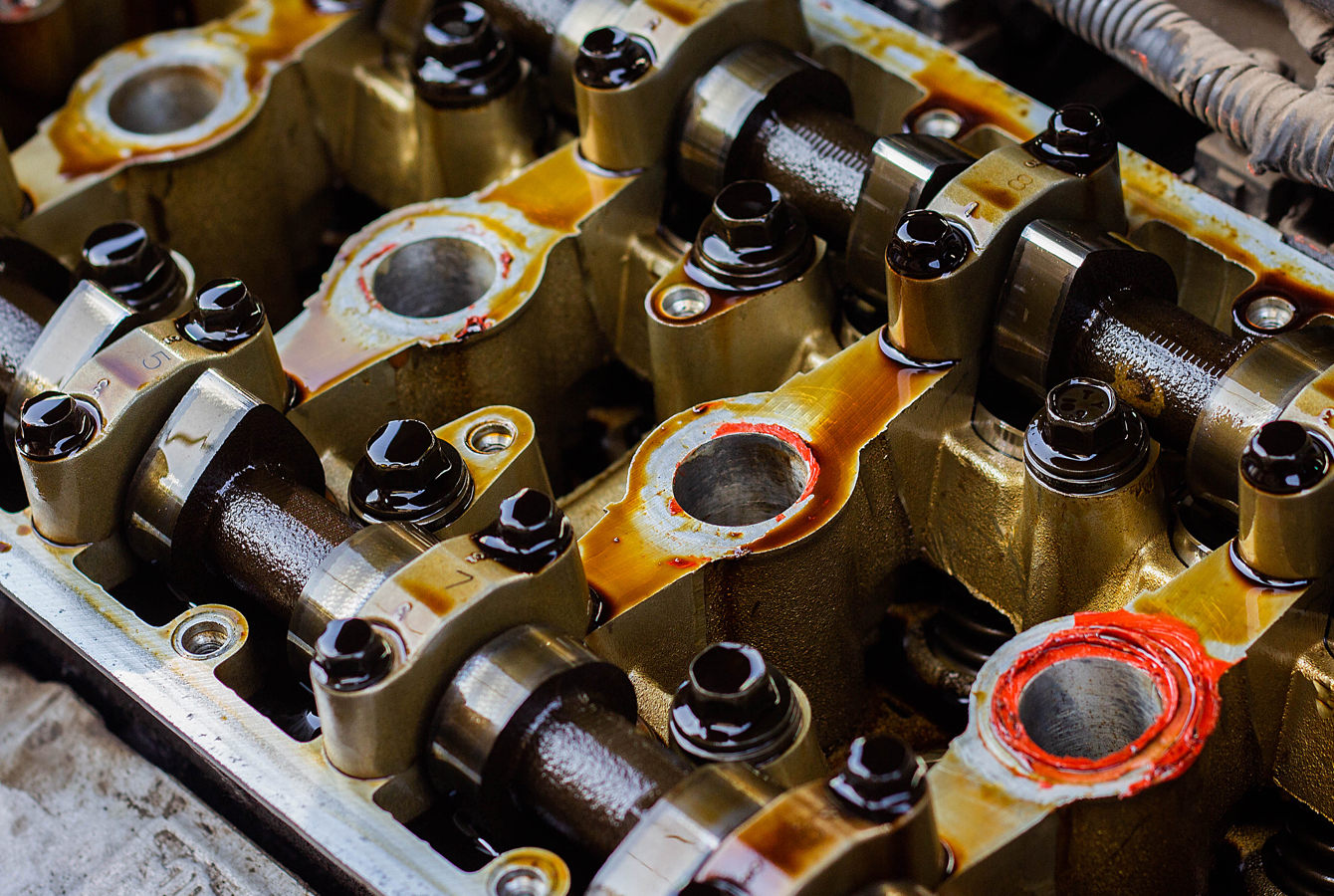
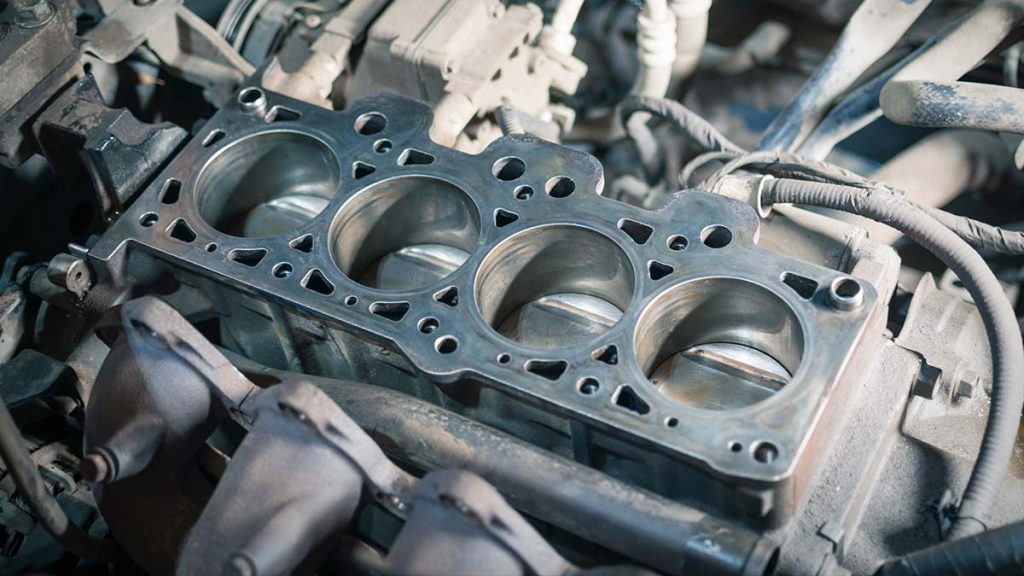
The head gasket seals the engine block to the cylinder head. It keeps three things apart. It seals compression. It keeps coolant where it belongs. It keeps oil in its passages.
A misfire happens when one cylinder does not fire right. It can be weak. It can be late. Or it does not fire at all. You feel it as a shake, stumble, or loss of power.
Top 7 best head gaskets – Long-Lasting Seals for High-Performance Engines
When people ask, can a blown head gasket cause engine misfire, they want a straight link. Yes, it can. The seal fails. The cylinder can lose compression. Coolant or oil can enter the chamber. That leads to a misfire you can feel and see.
How can a blown head gasket cause engine misfire?
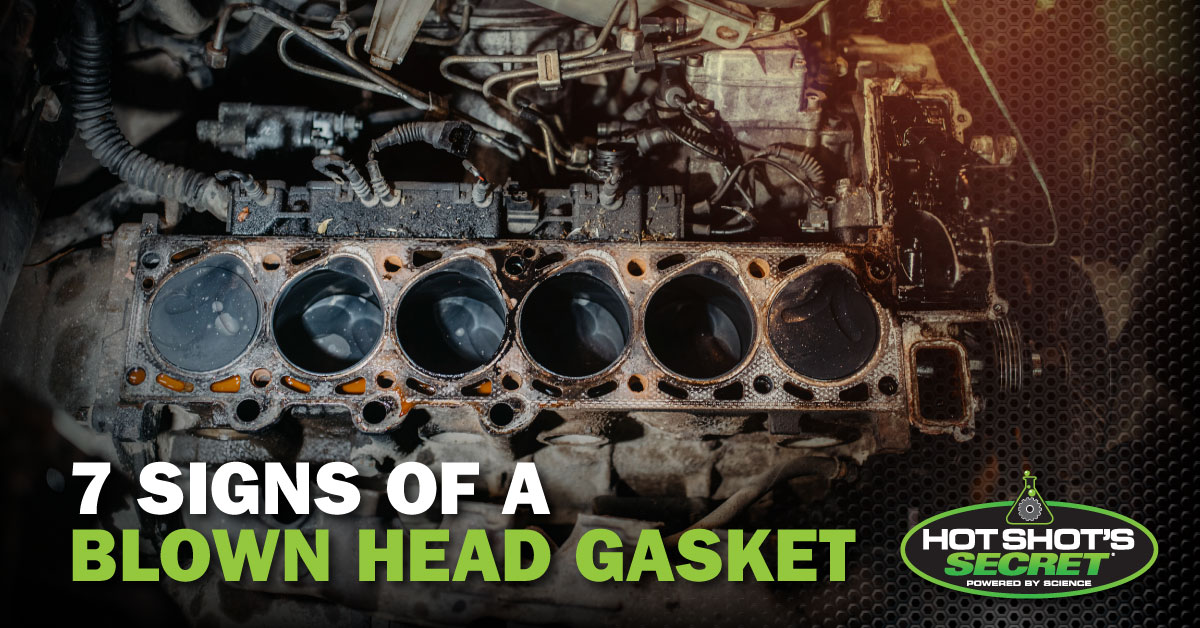
Let’s connect the dots in plain words. Can a blown head gasket cause engine misfire? Yes, and here are the main ways.
- Loss of compression. A break in the seal lets pressure leak out. The air-fuel mix is too weak to burn strong.
- Coolant in the cylinder. Antifreeze does not burn. It wets the plug. It kills the spark. It can bend a rod if enough gets in.
- Oil in the cylinder. Oil fouls the plug and raises smoke. The plug misfires under load.
- Cylinder-to-cylinder leak. Two side-by-side cylinders “share” pressure. Both misfire, often with paired codes like P0302 and P0303.
- Combustion gas into the coolant. This makes hot spots and overheating. Heat leads to knock and random misfires.
- Sensor chaos. Coolant steam in the exhaust can skew the oxygen sensor. Fuel trims go off. Misfires follow.
In short, can a blown head gasket cause engine misfire at idle and on the road? Yes. It can show up cold, warm, light load, or heavy load. The pattern depends on where the leak is and how big it is.

Symptoms that link a misfire to a blown head gasket
Many parts can cause a misfire. But these signs point to the gasket.
- White sweet smoke from the tailpipe. It lasts more than a few minutes after a cold start.
- Unexplained coolant loss. No drips on the ground.
- Bubbles in the coolant tank. The level may surge with revs.
- Milky oil under the oil cap. It looks like a chocolate shake.
- Overheating after a drive. Fans run hard. Temp climbs on hills.
- Wet or steam-cleaned spark plug. One plug looks too clean or moist.
- Low compression on one or two adjacent cylinders. Readings vary over 10% from the rest.
- Rough start that clears in a minute. Then it returns under load.
When you see two or more of these, ask again: can a blown head gasket cause engine misfire in this case? The odds go up fast.

How to diagnose it at home and at the shop
You can do a basic check in your driveway. A shop can confirm it with tests.
Try these steps first:
- Scan for codes. Note any P030X codes. Save freeze-frame data.
- Check coolant level and look for oil in the tank.
- Pull the plugs. Look for one plug that is too clean, wet, white, or crusted.
- Do a cold start. Watch for steady white smoke with a sweet smell.
- Squeeze the upper radiator hose at start-up. If it gets rock hard fast, that is a red flag.
Do these tests for proof:
- Compression test. All cylinders should be close. A big drop in one or two is suspect.
- Leak-down test. Air hissing into the coolant neck or neighbor cylinder means a breach.
- Cooling system pressure test. Pressure that drops with no outside leak points inward.
- Block test (chemical CO2 test). Fluid that changes color means exhaust gas in the coolant.
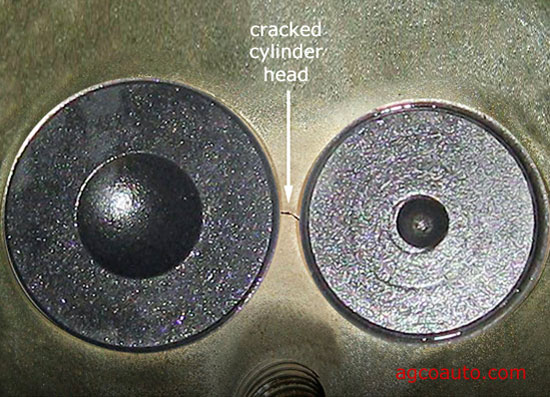
- Borescope check. Look for steam washing, coolant drops, or cracks in the chamber.
Shops also check fuel, spark, and air. Coils, injectors, vacuum leaks, and EGR can mimic the feel. A good tech rules those out before calling the gasket. This is how we keep trust and avoid big, wrong repairs.
Common mistakes to avoid:
- Replacing coils and plugs twice before testing compression.
- Driving hot, which warps the head and raises the bill.
- Skipping head bolt replacement on torque-to-yield designs.
Will a Blown Head Gasket Cause the Check Engine Light? – 8 Easy Mechanics Steps
What test confirms a blown head gasket?
A leak-down test with air heard in the coolant neck is the clearest sign. A block test that changes color adds strong proof.
Can a blown head gasket cause engine misfire only when cold?
Yes. Small leaks let coolant seep in overnight. The misfire is worst on the first start, then fades as it burns off.
Will stop-leak fix a misfire from a head gasket?
It may help for a short time on tiny leaks. It can also clog radiators and heaters. I use it only as a last resort to limp home.
Real-world stories and lessons learned
I once saw a compact car with a hard P0302. The owner asked, can a blown head gasket cause engine misfire like this? The plug in cylinder two was steam-cleaned. Leak-down blew bubbles in the tank. We did the gasket, surfaced the head, and the misfire was gone.
A truck came in with random misfires only on hills. No smoke. The coolant overflow smelled like exhaust. A block test turned bright yellow. The head gasket had a tiny breach between a coolant jacket and a chamber. It only showed up under load.
I have also seen the flip side. A bad coil can mimic a blown gasket. We almost tore down a V6 until a quick coil swap fixed the stumble. Lesson learned: test, do not guess.
Can a misfire damage the head gasket, or vice versa?
Both can hurt each other. A misfire dumps raw fuel into the exhaust. Heat spikes the catalytic converter. Backpressure and heat can stress the gasket.
A blown gasket causes heat and detonation. That makes more misfires. It is a loop. Break the loop fast to avoid a big bill. So when you wonder, can a blown head gasket cause engine misfire that snowballs into worse damage, the answer is yes.

Is it safe to drive with a misfire from a blown head gasket?
Short trips can become costly fast. Here is why.
- Hydro-lock risk. Coolant in a cylinder can stop the piston. That can bend a rod.
- Overheating. Heat warps heads and cracks them.
- Catalyst damage. Raw fuel burns in the cat and melts it.
- Bearing wear. Coolant in oil kills the film that protects parts.
What to do now:
- Do not drive hot. Stop and cool down.
- Top up coolant if you must move the car a short distance.
- Avoid heavy load. Keep revs low.
- Book a tow for long trips or if coolant loss is fast.
Repair options, costs, and time
The right fix depends on the cause and the engine.
What a proper repair includes:
- Confirm the failure with tests.
- Remove the head and inspect the deck and head.
- Resurface the head if it is out of spec.
- Pressure test the head for cracks.
- Replace the head gasket with an OE-grade kit.
- Replace head bolts if they are torque-to-yield.
- Change oil and coolant, bleed the system, and verify fans.
- Optional but smart: new thermostat, timing belt or chain guides where due, water pump if driven by the belt.
Typical shop time and ballpark costs vary by engine:
- Inline 4: 8–14 hours. Parts and machine work bring it to a mid-range bill.
- V6 and V8: 12–20+ hours. Cost rises due to access and two heads.
- Turbo or aluminum performance heads may need more machine time.
DIY notes:
- Use a torque angle gauge and follow the bolt sequence.
- Clean threads. Check head flatness with a straightedge and feeler gauge.
- Do not scratch the deck. Keep it clean and dry before the gasket goes on.
If your core question is, can a blown head gasket cause engine misfire and is it worth fixing, weigh the car’s value, the total estimate, and how you use it. A sound fix can add years of life.
Prevention tips that actually work
You can lower the odds of a gasket failure.
- Keep the cooling system healthy. Flush on time. Use the right coolant mix.
- Fix small leaks at once. Hoses, caps, and water pumps matter.
- Watch the temp gauge. Pull over at the first sign of heat.
- Use quality parts. Cheap gaskets and old bolts fail sooner.
- Follow torque specs and patterns. This is vital after head work.
- Address misfires early. They raise heat and stress the gasket.
These habits cost little. They save engines. If you ever ask, can a blown head gasket cause engine misfire again, you will also know how to avoid it.
Frequently Asked Questions of can a blown head gasket cause engine misfire
Can a blown head gasket cause engine misfire only under load?
Yes. A small leak can seal at idle but open with high cylinder pressure. The misfire shows up on hills or passes.
Can a blown head gasket cause engine misfire without white smoke?
Yes. Some leaks drop compression but do not pass much coolant. You may see rough running and low power only.
How long can I drive with a misfire from a head gasket?
Not long. Each mile risks more heat, warped heads, and a failed catalyst. Tow it if the coolant drops fast.
Will a head gasket sealer stop the misfire?
Sometimes for a short time on tiny leaks. It is a bandage, not a cure, and can clog small coolant passages.
Can a blown head gasket cause engine misfire codes on adjacent cylinders?
Yes. A breach between two cylinders can set paired misfire codes. A leak-down test often confirms this.
Does high mileage make head gasket misfire more likely?
Wear and heat cycles raise risk. Poor cooling care and past overheating matter more than mileage alone.
Conclusion
A blown head gasket can and does cause engine misfire. It does so through loss of compression, coolant or oil in the chamber, and heat stress. The right tests confirm it. A quality repair restores power and trust in your car.
Act fast. If the signs match, test it, fix it, and protect your engine with good cooling care. If you found this helpful, share it, subscribe for more simple car guides, or drop your question in the comments.