
When comparing 5W-40 vs 15W-40, the main difference is how the oils perform in cold temperatures. 5W-40 flows better in cold weather, making it easier for engines to start and receive lubrication quickly. 15W-40, on the other hand, is thicker at startup and is commonly used in warmer climates or heavy-duty diesel engines. Both oils provide similar protection at high operating temperatures, but 5W-40 offers better cold-start performance.
Introduction: The Morning Your Car Told You Nothing
You’re standing in the auto parts store on a chilly Saturday morning, coffee in hand, staring at two bottles that look almost identical. One says 5W-40. The other says 15W-40. Both claim to protect your engine, but neither one explains itself. It is a frustrating moment that every car owner knows. This guide clears the air—plainly, without the technical overload—so you can pick the right oil and get back to your weekend.
The label won’t tell you the whole story. Your owner’s manual might be buried in the glove box. But this article will help you decide between 5W-40 vs 15W-40 so you stop guessing.
Mobil 1 Extended Performance 0W-20 Review — Real Engine Tests, Oil Life | It’s Worth It
What Do These Numbers Actually Mean?
Think of these numbers as a grade for how the oil handles different temperatures. The “W” stands for Winter, and the number before it shows how the oil flows when your engine is stone cold. The number after the dash tells you how thick the oil stays once the engine heats up to its normal operating range. Those are the only two jobs your motor oil needs to do.
Breaking Down the SAE Viscosity Grade
The SAE (Society of Automotive Engineers) rating system is simple once you know the secret. A lower “W” number means the oil stays thin enough to flow quickly during a cold start, which is when your engine is most vulnerable.
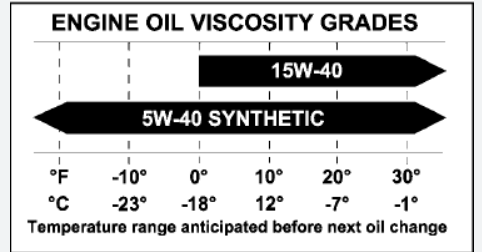
- 5W-40: This oil is formulated to flow at temperatures as low as -30°C (-22°F).
- 15W-40: This oil is designed to flow at -20°C (-4°F).
Both oils perform like a “40” grade oil at operating temperatures around 100°C (212°F). Think of it like honey versus water in the fridge; cold honey barely moves, while thinner liquids flow freely. On a freezing morning, you want that oil to move like water, not like cold honey, to protect your engine’s moving parts immediately.
The “W” Isn’t About Warm—It’s Literally Just Winter
A common myth is that “W” stands for “Weight” or “Warm,” but it strictly means Winter. Scientists use multigrade technology—adding viscosity index improvers to the base oil—to make this happen.
If you look at the technical side, kinematic viscosity and pour point determine how an oil passes the ASTM D5293 cold-crank simulator test. In plain English? This test proves that a 5W-40 reaches your bearings faster than a 15W-40 during a sub-zero startup, drastically reducing the “dry-start” wear that happens in the first few seconds of running.
| Property | 5W-40 | 15W-40 |
| Cold-Start Rating | 5W (flows at -30°C) | 15W (flows at -20°C) |
| High-Temp Rating | 40 grade | 40 grade |
| Oil Type | Usually Full Synthetic | Usually Conventional |
| Best Climate | Cold to Temperate | Warm to Hot |
| Engine Type | Gas & Modern Diesel | Heavy Diesel & Older |
5W-40: The Oil That Woke Up Before You Did
If you live where winter actually feels like winter, 5W-40 is your best friend. It is formulated to flow instantly the second you turn the key, even on a freezing February morning. By staying thin during that critical startup phase, it reaches your engine bearings faster than thicker oils. This rapid lubrication is vital, as most engine wear occurs within the first 30 seconds of a cold start.
When 5W-40 Shines — Real Scenarios
I’ve found that 5W-40 is the true workhorse for modern, demanding engines. It’s the standard for many European cars—like BMW, Mercedes, and Audi—which often require specific ACEA A3/B4 ratings to protect their internal components. If you drive a vehicle with a turbocharger, this oil is a must. Turbo bearings spin at incredible speeds and need immediate, reliable oil flow the moment you start the engine to prevent long-term damage.
- Cold Mornings: It flows much better than 15W-40 in freezing weather, meaning less strain on your battery and starter.
- Turbo Protection: Fast flow keeps those hot, spinning turbo bearings happy and cool.
- Year-Round Performance: It handles the heat of summer just as well as the bite of a winter frost.
Typical 5W-40 Products & Pricing
You will generally find that 5W-40 is a full synthetic product. While it might cost a bit more upfront—usually $25 to $55 for a 5-quart jug—you are paying for superior base oils. Popular options like Castrol EDGE or Mobil 1’s European formula are staples for a reason. They offer excellent thermal stability, which keeps your engine cleaner over thousands of miles compared to standard conventional oils.
5W-40 Drawbacks — Don’t Ignore These
While I love the performance of 5W-40, it isn’t always the perfect choice. Because it is almost always a full synthetic, it comes with a higher price tag than conventional 15W-40. Also, if you are driving an older, high-mileage vehicle that wasn’t designed for thin, synthetic oils, you might find it “seeps” more easily past worn-out seals. Always check your manual before making the jump.
15W-40: The Old Reliable That’s Actually Still Great
15W-40 has been the king of heavy-duty diesel maintenance for decades, and for good reason. It is thicker at room temperature than 5W-40, which sounds like a negative until you realize that many large diesel engines were engineered specifically to run on this heavier oil. If you are hauling heavy loads in the summer heat, this oil provides a thick, protective film that refuses to break down under extreme stress.
When 15W-40 Makes Total Sense
I remember talking to a fleet manager in Houston who had run 15W-40 in his delivery vans for over a decade without a single major rebuild. That is the power of using the right oil for the right job. It is the gold standard for heavy-duty engines from Cummins, Detroit Diesel, and CAT. If your work involves construction, farming, or long-haul towing in hot climates, this is often exactly what your engine needs.
- Extreme Heat: In places like Arizona or the Middle East, it resists thinning out during long, hot days.
- High-Mileage Engines: Its natural thickness can help maintain oil pressure in older engines with wider internal clearances.
- Budget-Friendly: Because it is often conventional or semi-synthetic, it is very cost-effective for large fleets.
Popular 15W-40 Products & Pricing
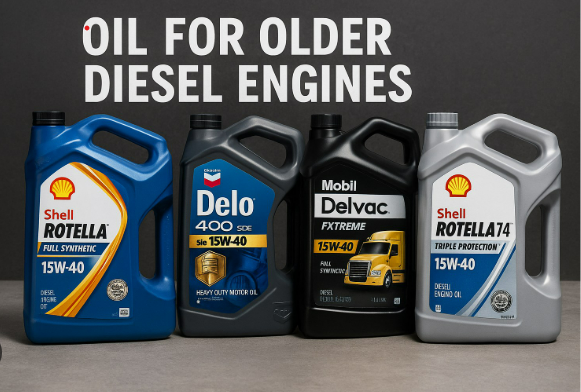
The beauty of 15W-40 is its accessibility. You can pick up a gallon of Shell Rotella T4 or Chevron Delo 400 LE for about $20 to $30. These oils are proven, tough, and reliable. While they don’t have the “flashy” synthetic label of a 5W-40, their shear stability—the ability to hold their thickness under pressure—is legendary in the trucking world.
15W-40 Limitations Worth Knowing
The biggest trade-off is the cold. If you live in a place where the thermometer drops below zero, 15W-40 is going to make your engine work much harder to turn over. It is also not meant for the tight, high-precision tolerances of modern gasoline engines. Using it where it isn’t specified can hurt your fuel economy and cause unnecessary drag on your engine’s moving parts.
5W-40 vs 15W-40 for Diesel Engines: This Is Where It Gets Interesting
Both 5W-40 and 15W-40 oils can perform well in diesel engines, but the right choice depends on your specific engine’s age, the manufacturer’s requirements, and your local climate. While modern, low-emission trucks often demand the specialized flow of a 5W-40 synthetic, older heavy-duty workhorses were built around the thicker protection of 15W-40. Always check your owner’s manual first, as it is the final authority on what keeps your engine running smoothly.
Modern Diesel (2015+) — Read Your Owner’s Manual
If you drive a newer diesel truck, you are likely dealing with complex systems like a DPF (Diesel Particulate Filter) or SCR (Selective Catalytic Reduction). These trucks need “low-SAPS” oils to keep their emissions gear from clogging up. Many modern manufacturers now specify a 5W-40 synthetic because it offers the perfect balance of low-friction flow and high-heat protection.
- Tighter Clearances: Modern engines are built with tighter gaps between parts, and a thinner 5W-40 oil helps maintain proper lubrication.
- API CK-4 Standard: This current API service classification covers both weights, but always prioritize the specific OEM brand preference.
- Performance Focus: High-end turbodiesel engines, like those in a Porsche Cayenne, almost always require 5W-40 to handle intense internal heat.
Legacy & Heavy-Duty Diesel (Pre-2010) — 15W-40 Often Wins
When I look at older equipment, like a classic Cummins or a well-loved Detroit Diesel engine, the story changes. These engines were designed with larger internal clearances, and they often run hotter under heavy loads. A 15W-40 conventional oil provides a thick, robust film that stays strong even when the engine is working hard on a long, hot summer haul.
Plus, for someone managing a fleet of these older rigs, conventional 15W-40 is much easier on the wallet during frequent oil changes.
Climate & Geography: The Factor Nobody Talks About
Where you live changes how your engine oil behaves, and ignoring your zip code can cost you. A 5W-40 oil offers a huge advantage in cold climates because it has a lower pour point, meaning it stays liquid at temperatures where 15W-40 starts to turn to sludge. Conversely, in the scorching heat of a place like Las Vegas, a 15W-40 oil often evaporates less and maintains better pressure.
Cold Climates (Below 20°F / -6°C)
In the frozen north, 5W-40 is a life-saver. Because it passes the ASTM D5293 cold-crank simulator test at lower temperatures than 15W-40, your engine will spin over much faster on a snowy morning. Data shows that up to 90% of engine wear happens during the first few seconds of a cold start. Using a 5W-40 ensures that vital oil pressure builds in a fraction of the time compared to using a 15W-40.
Hot Climates (Consistently Above 90°F / 32°C)
When I’m driving through the desert in July, I want the extra thickness of 15W-40. It shows less NOACK volatility—meaning it doesn’t “boil off” or evaporate as quickly as lighter oils when the engine block is searing hot.
- Towing: If you are hauling a trailer through the mountains in summer, 15W-40 provides a stable cushion that resists thinning out.
- Stop-and-Go: City driving in intense heat keeps engine temperatures high, and this oil handles that sustained stress beautifully.
Temperate / Variable Climates
If you live in the Midwest or the UK, where the weather is moody, both grades can work. However, I usually lean toward 5W-40 for these areas. It gives you that “get up and go” protection on a cold spring morning while still being robust enough to handle a hot afternoon on the highway. You don’t need to switch oils with the seasons anymore; a quality 5W-40 is your all-year, all-weather insurance.
0W16 vs 0W20 – Key Differences and Which Oil Is Better for Your Engine
Synthetic vs Conventional: Why Oil Type Matters as Much as Viscosity
When you compare 5W-40 and 15W-40, you are often looking at two different worlds of technology. Most 5W-40 oils are full synthetic, meaning they handle extreme heat and cold better than the conventional or semi-synthetic 15W-40 oils often found in heavy-duty trucks. While synthetic oils are usually more expensive, their ability to resist oxidation and keep your engine clean over long drain intervals often makes them the smarter, cheaper choice for your car in the long run.
Full Synthetic 5W-40: The High-Tech Choice
I’ve spent many weekends working on modern engines, and I’ve learned that synthetic base oils—like Group III or Group IV PAO—are like a shield for your car. They contain advanced detergents and anti-wear additives (like ZDDP) that simply last longer. Because they don’t break down as quickly as conventional oil, you can often safely drive 7,500 to 10,000 miles between changes.
- Cleaner Engines: Synthetic oils leave behind fewer sludge deposits, keeping your engine internals looking almost new.
- Thermal Stability: They resist “thinning out” when you push your engine hard on a hot summer highway.
- Longer Life: While the initial price is higher, the extended change interval saves you time and money.
Conventional/Semi-Synthetic 15W-40: The Fleet Standard
There is a reason 15W-40 is a legend in the diesel world. It is cost-effective, proven, and does exactly what it was built to do: protect heavy engines under heavy loads. If you are running a large diesel fleet, these oils are a budget-friendly way to keep trucks moving. While they may need more frequent changes, typically every 5,000 to 7,500 miles, they have earned their reputation as “old reliable” for a reason.
Can You Mix 5W-40 and 15W-40? (Please Read This Before You Try)
Technically, you can mix these oils if you are in a tight spot, as they are chemically compatible and share similar API service ratings. However, I wouldn’t recommend making it a regular habit. Mixing them creates an “in-between” oil that behaves unpredictably, diluting the unique performance benefits of each. It’s fine to top off during a road trip, but it shouldn’t be your long-term maintenance strategy.
- Is it safe? Yes, if you are stuck on the side of the road, mixing won’t destroy your engine.
- What happens? You end up with a blend that loses the cold-start flow of the 5W-40 and the high-temp stability of the 15W-40.
- The “Judge” Factor: Your engine won’t blow up, but it might silently judge you for the shortcut!
If you mix synthetic 5W-40 with conventional 15W-40, just remember that the “weakest link” rule applies. The synthetic portion will start to lose its high-end performance benefits once it is blended with the conventional oil. Keep it simple: stick to the same grade whenever possible. Your engine works hard for you every day; don’t give it a reason to complain!
What Your Owner’s Manual Actually Says (And How to Read It)
Before you trust any forum thread or video, always look at your owner’s manual. It is the gold standard for your engine’s health. Manufacturers set oil requirements based on tight tolerances, heat levels, and emissions systems. If your manual specifically calls for 5W-40, using 15W-40 could potentially put your warranty at risk. Treat the manual as your primary guide, and treat all other advice as helpful context for your specific situation.
How to Find Your OEM Oil Spec
I remember spending an entire Saturday digging through my glove box to find my manual. It felt tedious, but it saved me a lot of guesswork. You don’t need to be a pro to find your oil spec. Check the “Maintenance” or “Specifications” section of your owner’s manual—usually found toward the back. If the book is missing, check the label under the hood or the sticker on your driver-side door jamb.
- Check the Manual: Look for sections labeled “Engine Oil” or “Capacities.”
- Scan for Symbols: Look for the “starburst” API certification mark.
- Use Online Tools: Most brands, like Castrol or Mobil, have free online lookup tools where you enter your VIN to see the exact recommended weight.
Common OEM Specs — What Brands Typically Recommend
European cars have their own language when it comes to oil. If you drive a BMW, Mercedes, or VW, you will often see codes like “LL-01” or “VW 502.00.” These aren’t just suggestions; they are specific requirements for your engine’s complex design. For heavy-duty diesel engines, like a Cummins, you will often see a requirement for “CK-4” diesel-rated oil. Always match the code, not just the number.
The Fuel Economy Question: Does Oil Viscosity Actually Affect Your MPG?
Yes, the weight of your oil does affect your fuel economy, but usually by a small amount. Thinner oils, like a 5W-40, reduce internal engine drag compared to a heavier 15W-40, which can provide a 1–3% improvement in fuel efficiency. While that sounds minor, it can add up to real savings over a long year of driving. For most daily drivers, the right oil choice helps both the planet and your wallet.
- Friction Matters: Thinner oil flows more easily, meaning your engine uses less energy to pump the fluid through tight spaces.
- The Math: If you drive 15,000 miles a year, a 2% gain could save you between $30 and $80 on gas.
- Diesel Exception: In a heavy-duty diesel truck, the weight of your load and your driving speed matter much more than the oil grade when it comes to your fuel economy.
I learned the hard way that trying to “cheat” the system by using a very light oil in a heavy engine usually results in more wear than actual savings. Always stick to the viscosity range the manufacturer intended for your specific engine type. It keeps your engine happy and helps you avoid expensive repairs down the road.
High Mileage Engines: Does the Grade Change When Your Odometer Gets Real?
Once you cross 100,000 miles, your engine’s internal parts have naturally loosened, often leading to slightly higher oil consumption or lower oil pressure. While some mechanics suggest moving to a thicker 15W-40, you don’t always need to jump ship. High-mileage 5W-40 formulas exist specifically to condition aging seals and clean out deposits without sacrificing the cold-start protection your engine still relies on during those chilly winter mornings.
High-Mileage 5W-40 Options
I’ve used high-mileage oils on my older cars, and they work wonders for stopping those annoying drips on the garage floor. These oils use extra seal conditioners—essentially “seal swellers”—that help stop leaks where the rubber has hardened over time.
- Valvoline High Mileage 5W-40: A great pick if you notice minor oil loss; the added conditioners really help keep seals soft.
- Castrol GTX High Mileage 5W-40: This formula features an extra boost of phosphorus and zinc to protect aging bearings from further wear.
When to Consider Moving to 15W-40
Sometimes, a thicker oil is the right call, but only if your engine truly shows symptoms of wear. If you notice your oil pressure light flickering at a stoplight on a hot summer day, or if you are burning more than one quart every 2,000 miles, that’s a clear sign your clearances are too wide for a thin oil. In these specific cases, a 15W-40 might help bridge the gap and keep your oil pressure steady.
The Simple Decision Tree: Which One Do You Actually Need?
Still feeling stuck? Don’t stress. Just walk through these four steps, and you’ll know exactly which bottle to grab next time you’re at the shop.
- Check your manual: If the factory says 5W-40, use it. If it says 15W-40, use that. If it lists both, proceed to step two.
- Think about the weather: Does your local area see temps below 20°F? If yes, 5W-40 is your best friend for a smooth, safe start.
- Know your engine: Modern gasoline or turbo engines almost always need the specialized protection of 5W-40 synthetic. Heavy-duty diesel or old-school fleet trucks usually thrive on 15W-40.
- Pick your budget: If you want long change intervals, 5W-40 is worth the higher cost. If you manage a large fleet and change oil often, 15W-40 conventional is the smart way to save.
FAQ: Questions People Actually Ask
Can I use 5W-40 instead of 15W-40 in my diesel?
Yes, provided the API rating matches your engine requirements. In cold climates, a synthetic 5W-40 often provides better protection than a standard 15W-40.
Is 5W-40 better for turbo engines?
Absolutely. Turbo bearings need instant lubrication the second you turn the key. A 5W-40 oil flows faster at startup and handles high thermal stress better than heavier conventional oils.
Can I switch from 15W-40 to 5W-40 without flushing?
Yes, simply drain the old oil and refill. You don’t need a professional flush, though the detergents in a new synthetic oil might loosen some old gunk—that’s just the oil doing its job!
Which oil is better for hot weather?
Both hold the “40” grade at high heat. However, 15W-40 conventional can be more stable if you are towing heavy loads in desert-like heat.
Is 15W-40 okay for a gasoline car?
Usually, no. Most gas cars have tight tolerances and need the flow of a lighter oil. Unless your manual specifically lists 15W-40, you are likely hurting your fuel economy and cold-start performance.
The Bottom Line: Stop Guessing, Start Reading Labels Smarter
At the end of the day, both 5W-40 and 15W-40 are fantastic tools, but they are built for different jobs. 5W-40 is your go-to for modern performance, cold winters, and turbocharged engines that need fast protection. 15W-40 remains the king of the heavy-duty diesel world and hot-climate work trucks. Your engine doesn’t ask for much, but feeding it the right oil is the best way to hit 200,000 miles.