
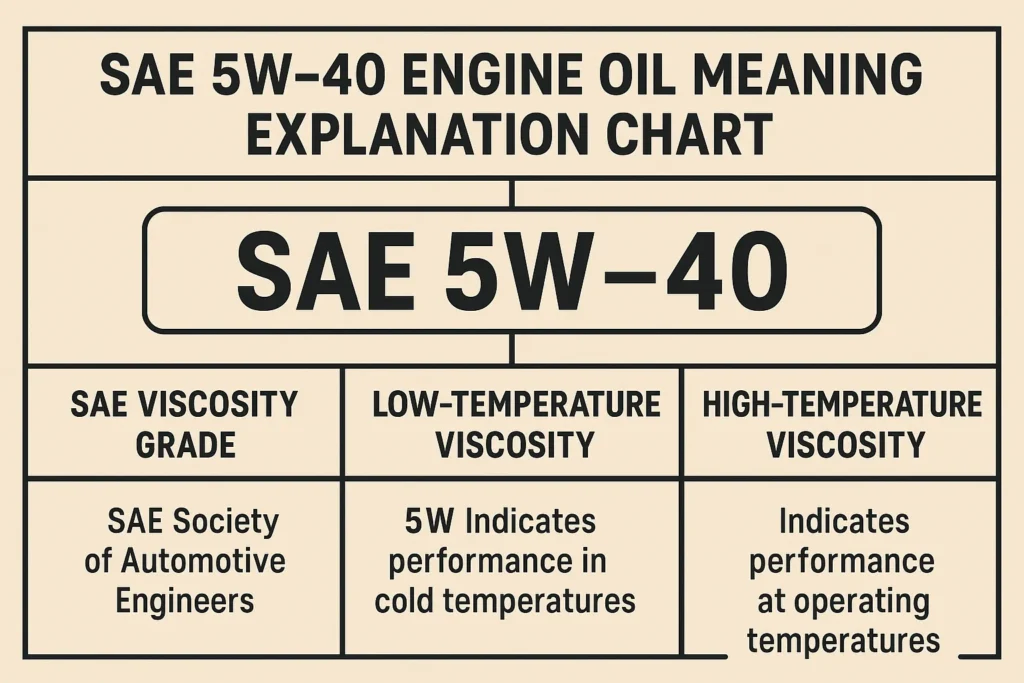
What does 5W-40 mean? It refers to the viscosity grade of engine oil. The “5W” indicates how the oil flows in cold temperatures (the “W” stands for winter), meaning it stays thin enough for easy engine starts in cold weather. The “40” represents the oil’s thickness at normal engine operating temperature. Together, 5W-40 oil provides good cold-start performance while maintaining strong protection for the engine when it’s hot.
Mechanics Recommended Top-Rated 5W-40 Oils
If your owner’s manual specifies 5W-40, these full synthetic options are among the most trusted for high performance and longevity.
Product Why It’s a Top Choice Best For… Shell Rotella T6 Full Synthetic Known for incredible “shear stability,” meaning it doesn’t break down easily under extreme pressure. It has a massive following for its cleaning power. Diesel engines, motorcycles, and high-mileage gasoline engines. Liqui Moly Molygen Generation Features a unique friction modifier that glows neon green under UV light, making it easy to spot leaks. It significantly reduces engine friction. High-performance European cars (BMW, VW, Mercedes-Benz). Castrol EDGE Euro 5W-40 Engineered to meet the strict “ACEA” European standards. It is fluid-titanium reinforced to reduce metal-to-metal contact at various driving speeds. Modern turbocharged engines that require “Euro Spec” oil.
Mobil 1 Extended Performance 0W-20 Review — Real Engine Tests, Oil Life | It’s Worth It
If you’ve ever wondered what does 5w-40 mean, you’re in the right place. I work with engines every day and have tested this grade across seasons, from frosty mornings to long summer drives. In this guide, I’ll break down what does 5w-40 mean in plain English, show when to use it, and share real tips from the garage so you can choose with confidence.

What does 5W-40 mean?
This label follows the SAE J300 viscosity standard. It tells you how the oil behaves in cold and hot conditions. The W stands for winter. The numbers show thickness, also called viscosity.
At cold temps, the 5W rating means the oil stays thin enough to crank and pump. It reduces wear during the first seconds after start. At hot temps, the 40 rating means the oil stays thick enough to protect under load and heat.
In lab terms, a 5W-40 meets cold cranking and pump tests at low temps. At 100°C, it falls in the 40-grade range for kinematic viscosity. Most 5W-40 oils also meet a strong high-temperature, high-shear value for film strength.
So, what does 5w-40 mean in daily life? It means easy cold starts plus solid hot protection. It is a true multigrade that adapts to seasons. If you need a simple rule, what does 5w-40 mean equals cold-flow plus hot-guard.
How 5W-40 works in real driving
Think of oil like a jacket for your engine. You want it light in the morning so you can move. You want it sturdy at noon so you don’t get burned. That’s 5W-40.
In cold starts, the 5W part flows fast to the cam and bearings. You hear less start-up noise. The engine feels smooth. On the highway, the 40 part holds a firm film. It resists thinning when the oil gets hot. It also helps in hills, towing, or turbo boost.
From my shop time, 5W-40 often shines in turbo cars and diesel trucks. I’ve seen it keep oil pressure stable on long climbs. I’ve also seen it calm hot idle ticks in older engines.
If you want to explain what does 5w-40 mean to a friend, say this: it is one oil for cold mornings and hot runs. That simple.
When to use 5W-40 vs other grades
Use 5W-40 when your owner’s manual says so. That comes first. Many European cars and turbo models call for it. Many modern diesels do too.
You can also choose 5W-40 if:
- You drive in mixed weather with real winters and hot summers.
- You have a turbo, supercharger, or tow often.
- Your engine specs a high HTHS oil or ACEA A3/B4, C3, or similar.
- Your older engine uses oil fast on 5W-30 and needs a bit more film at heat.
You might not use 5W-40 if:
- Your manual needs 0W-20, 0W-16, or a low-vis, fuel-save oil.
- Your car needs low-SAPS oils only and a very specific spec not met by your 5W-40 pick.
- You live in very extreme cold and prefer 0W-40 for faster pump at deep freeze.
A quick compare:
- 5W-30 vs 5W-40: Same cold flow, 40 is thicker at heat.
- 0W-40 vs 5W-40: Similar hot side, 0W pumps better in very deep cold.
- 10W-40 vs 5W-40: 10W can be slower in cold. 5W is safer for starts.
If you ask what does 5w-40 mean for climate, it means flexibility. It covers a wide year-round range for many drivers.
Benefits and limitations of 5W-40
Benefits:
- Strong hot protection at highway speeds and under load.
- Good cold start flow for most winter climates.
- Often high shear stability for turbo and high-stress use.
- Common approvals for European cars and light diesels.
- Helps quiet some hot idle noises in worn engines.
Limits:
- Slightly lower fuel economy than many 5W-30 or 0W-20 oils.
- Not ideal for ultra-cold zones if 0W is recommended.
- May not meet low-ash needs for some DPF systems unless labeled as such.
- Can be overkill for small, modern engines built for very thin oils.
For drivers asking what does 5w-40 mean in trade-offs, it means better hot guard with a mild MPG cost.

Standards, labels, and approvals
Always read the back label. Viscosity is only half the story. Specs matter.
Look for:
- API gasoline: SP or SN Plus for modern gas engines.
- API diesel: CK-4 or FA-4 (check manual; FA-4 is thinner at high temp).
- ACEA: A3/B4 for high HTHS gas/diesel. C3 or C2 for aftertreatment-safe oils.
- OEM: VW 502.00/505.00, MB 229.5/229.51, BMW LL-01, Porsche A40, Renault RN0700/0710, and others.
Key terms:
- HTHS: High-temp, high-shear viscosity. Many 5W-40 oils are ≥3.5 mPa·s.
- SAPS: Sulfated ash, phosphorus, sulfur. Low-SAPS helps DPFs and cats.
- NOACK: Volatility. Lower numbers mean less burn-off and top-up.
- Synthetic base stocks: Many 5W-40 oils are full synthetic for stability.
These markings align with industry tests, like SAE J300 for viscosity and lab checks for wear, deposits, and oxidation. When people ask what does 5w-40 mean on the shelf, it should also mean the right approvals for your car.

Myths and mistakes to avoid
Myths:
- Thicker always protects better. Not true. The right grade for your engine and clearances protects best.
- You can ignore specs if the grade matches. Wrong. Specs and approvals matter as much as the numbers.
- You cannot switch to synthetic. You can, if the viscosity and specs fit your car.
Common mistakes:
- Mixing random oils. Small top-ups are fine in a pinch, but match specs when you can.
- Extending oil changes too far. Even great 5W-40 degrades with fuel, heat, and soot.
- Chasing pressure only. Pressure is not flow. Balance both.
A simple test for what does 5w-40 mean in practice: it is a system choice, not just a number. Follow the manual and match the use case.
Practical tips for owners
- Check your manual first. Follow viscosity and spec codes.
- Buy from trusted brands and retailers. Avoid counterfeit oil.
- Use a quality filter rated for your interval and temps.
- Track oil level monthly. Top up with the same brand and spec if possible.
- Adjust intervals for hard use: short trips, dusty roads, towing, or lots of idling.
- Watch for signs: rising noise, dark thick sludge, fuel smell, or fast consumption. Act early.
From my bay time, switching to a high-approval 5W-40 with strong HTHS often steadied hot idle pressure in older turbos. That is what does 5w-40 mean for peace of mind: a stable film when heat peaks.
Quick comparisons and real examples
Real cases I’ve seen:
- Turbo gas hatch: Manual allowed 5W-30 or 5W-40. Owner towed on weekends. 5W-40 cut oil temps on long grades and held pressure better.
- High-mile SUV: Mild hot tick on 5W-30. Switched to a spec-approved 5W-40. Noise dropped, consumption slowed.
- Cold climate commuter: -10°F winters. 5W-40 started fine, but 0W-40 gave snappier cranking at deep freeze.
Simple compare list:
- Best for year-round balance: 5W-40 or 0W-40.
- Best for fuel save: Often 0W-20 or 5W-30 (if approved).
- Best for hard heat loads: 40-grade with the right OEM spec.
If you keep asking what does 5w-40 mean across models, remember: the number must match the spec your engine needs.
Frequently Asked Questions of what does 5w-40 mean
What does 5w-40 mean in simple terms?
It means the oil flows well in winter (5W) and stays thick at engine heat (40). One oil, two jobs.
Is 5W-40 better than 5W-30?
Not always. 5W-40 is thicker at heat, which can help under load, but 5W-30 may save fuel if your car is built for it.
Can I use 5W-40 in a gasoline engine?
Yes, if your owner’s manual allows it and the oil meets the right API and OEM specs. Always check the label.
Is 5W-40 good for diesel engines?
Many diesels like 5W-40, especially with the correct ACEA or API diesel rating. If you have a DPF, use a low-SAPS version that lists DPF-safe specs.
Will 5W-40 hurt my engine in summer or winter?
It is designed for both seasons. In very deep cold, 0W-40 may crank faster; in extreme heat, 5W-40 offers strong protection.
Can I switch from 5W-30 to 5W-40?
If your manual lists both, yes. If not, ask your dealer or a trusted tech and confirm approvals before you switch.
Is full synthetic 5W-40 worth it?
For most modern engines, yes. It resists heat, oxidation, and shear better than conventional oil.
Conclusion
Now you know what does 5w-40 mean: easy cold starts plus strong high-temp protection, backed by real standards and approvals. Match the grade and the spec to your engine, and your oil will do its best work.
Take action today. Check your manual, read your oil’s label, and choose a 5W-40 that meets the right API, ACEA, and OEM approvals. Want more tips like this? Subscribe, share your engine and climate in the comments, and I’ll help you dial in the perfect oil plan.