
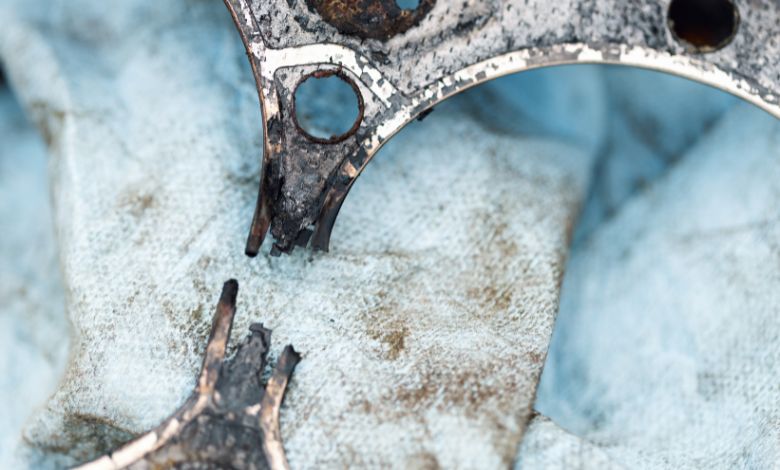
Yes, can you drive your vehicle with a blown head gasket? Technically, you can—but it’s strongly not recommended. A blown head gasket allows coolant and engine oil to mix or leak, which can quickly lead to engine overheating and severe damage. Driving even a short distance may worsen the problem, potentially causing warped engine parts or complete engine failure. Common signs include white smoke from the exhaust, milky oil, overheating, and coolant loss.
Mechanics Recommended Diagnostic & Repair Products
If you suspect a failure, do not rely on “quick fixes” for long-term use. These tools and products are designed for diagnosis or temporary emergencies only.
Product Type Purpose Note Combustion Leak Detector Used to test for exhaust gases in the cooling system. Essential for confirming a head gasket leak. Coolant Pressure Tester Pressurizes the cooling system while the engine is off to find internal leaks. Helps locate hidden coolant losses. Head Gasket Sealant A chemical additive designed to seal small pinhole leaks. Emergency use only. These are not permanent repairs and can clog heater cores.
If you wonder, Can You Drive Your Vehicle with A Blown Head Gasket, you are not alone. I have diagnosed and repaired many of these failures. I know the symptoms, the risks, and the hard choices that follow. In this guide, you get clear steps, real numbers, and honest advice you can trust. Read on before you turn that key again.
Mobil 1 Extended Performance 0W-20 Review — Real Engine Tests, Oil Life | It’s Worth It
What is a blown head gasket and why it fails
A head gasket seals the space between the engine block and the cylinder head. It keeps coolant, oil, and combustion pressure in their own paths. When it fails, those paths mix. That is when damage begins.
Common causes include overheating, age, poor coolant care, detonation, and warped parts. High boost and heavy loads raise cylinder pressure. Weak spots then give way. Old coolant can corrode the gasket and head. Bad fans or a stuck thermostat can push temps past safe limits.
Early action matters. The longer hot gases meet coolant and oil, the worse the harm. A small leak can go from a drip to a flood fast.
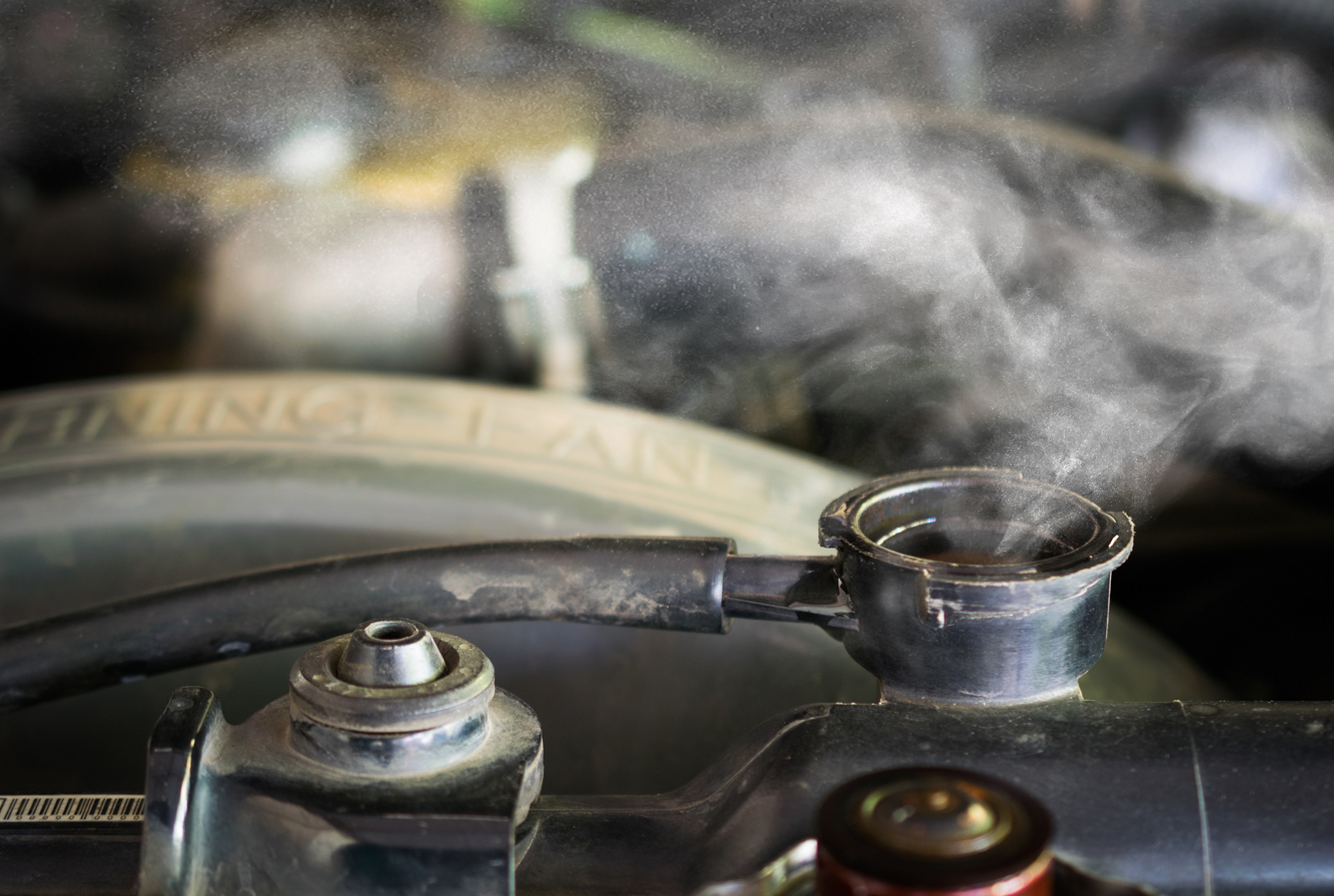
Can You Drive Your Vehicle with A Blown Head Gasket? The real-world answer
Short answer again: it is a gamble. Can You Drive Your Vehicle with A Blown Head Gasket for a mile or two to reach a safe spot? Maybe. But every minute risks warped heads, spun bearings, and a seized engine.
I tell clients this simple rule. If the car overheats, misfires hard, or loses coolant fast, do not drive. If it holds idle and temp in cold weather and the leak seems small, you might creep a very short distance. Even then, it is a last resort. Ask yourself, Can You Drive Your Vehicle with A Blown Head Gasket without turning an $1,800 repair into a $6,000 engine swap? The risk is real.
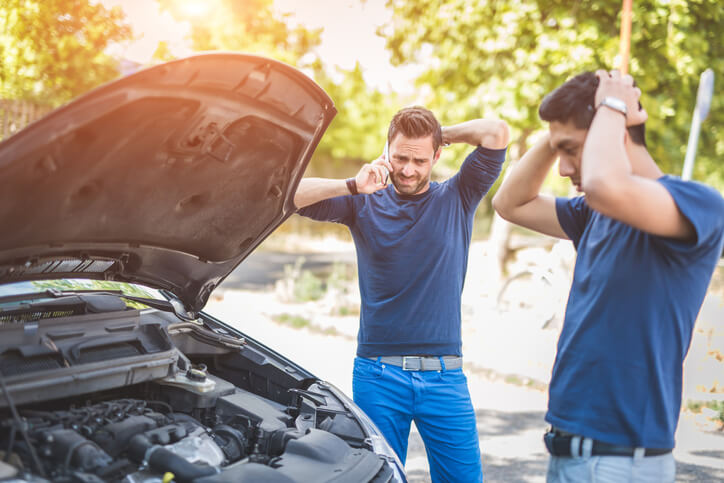
Symptoms of a blown head gasket you can spot early
Watch for these red flags:
- White sweet smoke from the exhaust after warm-up
- Milky, frothy oil on the dipstick or oil cap
- Unexplained coolant loss with no visible leak
- Bubbling in the coolant tank while the engine runs
- Overheating under load or on hills
- Sweet smell from the tailpipe or engine bay
- Misfires on cold start that clear as it warms
- Pressurized upper radiator hose when cold
- Check engine light with misfire or coolant temp codes
Simple checks you can do at home:
- Cold start test. Look for white smoke and rough idle.
- Oil check. Pull the dipstick. If oil looks like a latte, stop.
- Bubble test. With a cool engine, watch the coolant tank while idling.
- Hose squeeze. A rock-hard upper hose right after cold start is a bad sign.
 Source: autonationmobileservice.com
What happens if you keep driving
Driving with a blown gasket is like sprinting on a sprained ankle. You might make it, but you can tear more parts. Here is what I see most often:
- Warped cylinder head and block from repeated overheating
- Coolant in oil that strips bearing film and kills the crank
- Burned catalytic converters from coolant in exhaust
- Hydro-lock when coolant fills a cylinder and bends a rod
- Broken plastic tanks and hoses from extreme pressure
A quick story from the shop. A customer drove ten city miles after the temp gauge pegged. The top end might have been salvageable. The oil, though, was like chocolate milk. Two days later, the engine locked. The bill jumped from a gasket job to a full engine. That is how fast it turns.
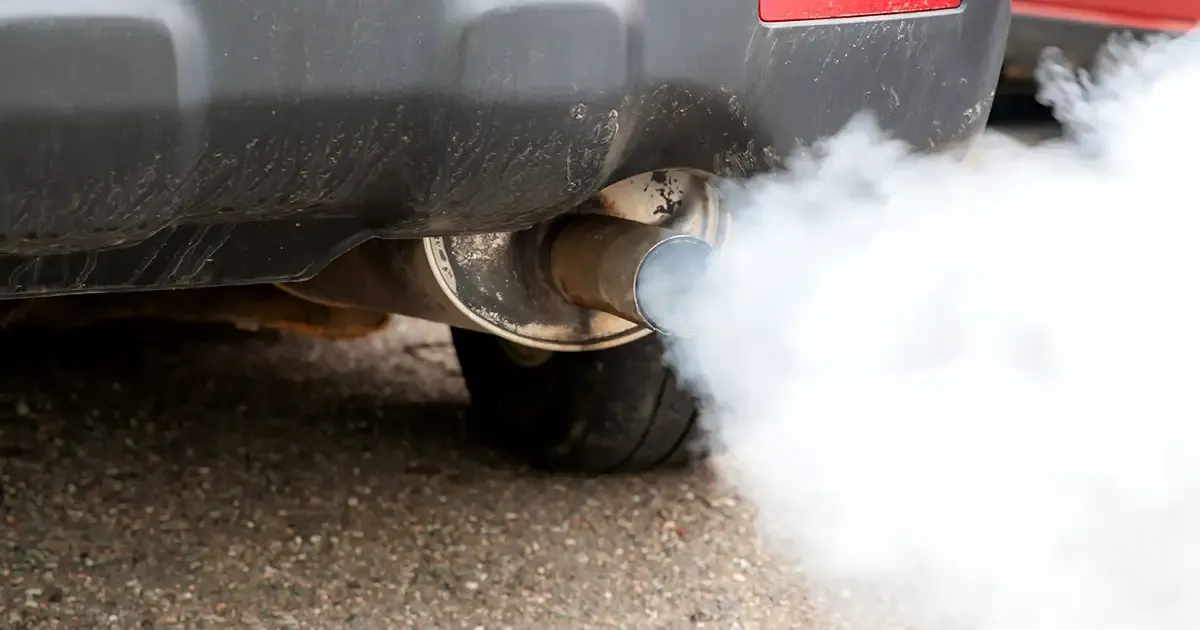
Quick checks and safe next steps
If you suspect a gasket failure, do this:
- Stop the car and let it cool fully.
- Do not open a hot radiator cap.
- Check oil and coolant levels when cold.
- Call for a tow if temps spiked or the car misfired bad.
- If safe to idle, turn the cabin heat on high and watch the temp gauge.
Diagnostic steps a shop will perform:
- Cooling system pressure test
- Block test for combustion gases in coolant
- Compression and leak-down tests
- Scan tool review of misfire and temp data
- Inspection for external leaks and fan operation
If you are asking right now, Can You Drive Your Vehicle with A Blown Head Gasket to the nearest shop, weigh tow cost against engine risk. Towing is often cheaper than a new long block.
If you must drive a short distance
I do not recommend it. But life happens. If you must, keep these guardrails:
- Keep it short and slow. Aim for less than two miles on cool days.
- Start with a cold engine only.
- Keep RPM low and avoid hills and boost.
- Turn the heater on full hot to shed heat.
- Bring water to top the overflow if needed. Never open a hot cap.
- If the temp climbs above normal or the heater turns cold, stop right away.
Remember, these are last-ditch tips. Can You Drive Your Vehicle with A Blown Head Gasket under these rules? Maybe, but the risk is still high.
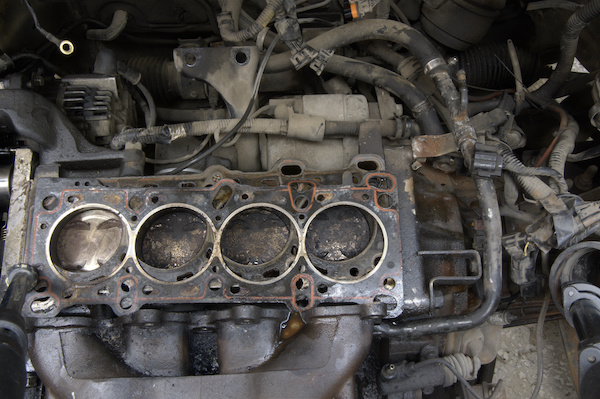
Do head gasket sealers work?
Chemical sealers can seal a tiny external leak for a short time. They do not fix warped heads, big breaches, or mixed oil. Some can clog heater cores and radiators.
Use only when the car is not worth a full repair, and you need a little time. Follow the product steps exactly. Expect a bandage, not a cure. For many engines, a proper repair is the only real fix.
Repair options, costs, and timelines
What a proper repair includes:
- Remove the head or heads
- Check flatness and cracks at a machine shop
- Resurface if needed and pressure test
- New head gasket and head bolts or studs
- New timing components if due, plus seals
- New thermostat and often a water pump
- Fresh oil, coolant, and filters
Typical costs vary by engine layout and access:
- Inline 4: about $1,200 to $2,200
- V6 and V8: about $1,800 to $3,800
- Turbo or flat engines can be more
Turnaround runs one to three days once parts and machine work align. In some cases, a used or reman engine is smarter. If bearings are damaged or the block is warped, a replacement can save time and offer a warranty.
How to prevent a head gasket failure next time
You can lower the odds with simple care:
- Service coolant every two to five years with the right spec
- Replace weak thermostats, caps, and old hoses
- Fix fans and relays at the first sign of trouble
- Watch the temp gauge and do not ignore it
- Use the right fuel to avoid knock and hot spots
- Keep spark, tune, and timing in spec
- Warm up gently and cool down turbocharged engines
One small habit helps the most. When you see the needle creep up, stop. Overheating once is bad. Overheating twice is what bends metal.
Quick PAA-style answers
How far can I drive with a blown head gasket?
In many cases, not far at all. Some cars fail within minutes, and a few limp for a short trip, but damage stacks fast.
Will the heater on high help me limp home?
A little. It can pull some heat from the coolant, but it will not save an engine that is already overheating.
Can low coolant alone cause a blown head gasket?
Yes. Low coolant leads to hot spots and detonation, which can breach the gasket and warp the head.
Frequently Asked Questions of Can You Drive Your Vehicle with A Blown Head Gasket
Is it ever safe to drive with a blown head gasket?
Safe is a stretch. If temps stay normal and the leak is tiny, a very short, slow trip might be possible, but towing is wiser.
How do I confirm a blown head gasket at home?
Look for white smoke, milky oil, and bubbles in the coolant. A chemical block test is cheap and gives a clearer answer.
Will engine sealer fix my car for good?
No. Sealers are short-term and only help with small leaks. They do not repair warped parts or heavy internal mixing.
What is the fastest way to ruin the engine after a gasket fails?
Keep driving hot. Coolant in the oil kills bearings fast, and repeated overheating warps heads and blocks.
Should I replace the thermostat and water pump during the repair?
Often yes. They are affordable while the engine is open and help prevent a repeat failure.
Can You Drive Your Vehicle with A Blown Head Gasket if the temperature gauge looks normal?
It might look normal at first, but the leak can grow fast. Treat it as unstable and plan for a tow or immediate repair.
How much does it cost to tow versus the risk of driving?
Towing is often under a few hundred dollars. A seized engine can cost thousands, so towing is usually cheaper long term.
Conclusion
If you asked, Can You Drive Your Vehicle with A Blown Head Gasket, you now know the trade-offs. You may limp a short distance, but every mile risks deeper harm and higher costs. The smartest move is to stop, assess, and tow.
Protect your engine, wallet, and time. Get a clear diagnosis, choose the right repair, and maintain your cooling system. Have questions or a story to share? Drop a comment, subscribe for more real-world car advice, and take control of your next repair decision.