
Some vehicles have gained a reputation for head gasket failures due to engine design, overheating issues, or weak gasket materials. If you’re asking what cars are known for blowing head gaskets, a few commonly mentioned models include the Subaru Outback and Subaru Forester with EJ-series engines, as well as the Chrysler Sebring and some BMW 3 Series vehicles. Subaru EJ25s, Ford 3.8 V6s, Toyota 3.0 V6 trucks, and Northstar V8s.
If you have heard people ask, what cars are known for blowing head gaskets? You are not alone. I have inspected, rebuilt, and tested many of these engines in the real world. In this guide, I explain why some cars fail more often, how to spot issues early, and what fixes actually last. You will learn what cars are known for blowing head gaskets and how to buy, maintain, or repair them with confidence.
Mobil 1 Extended Performance 0W-20 Review — Real Engine Tests, Oil Life | It’s Worth It
What cars are known for blowing head gaskets? The key culprits
Not every car is risky. Still, a few engines show up again and again in shops and data. When people ask, what cars are known for blowing head gaskets, these names come up often.
- Subaru EJ25 2.5L flat-four, 1996–2011. Found in Outback, Forester, Impreza, and Legacy. External coolant and oil leaks are common on Phase II engines. Internal failures show up more on early DOHC models.
- Ford 3.8L Essex V6, late 1980s to mid-1990s. Used in Thunderbird, Taurus, Windstar, and early 1994–1995 Mustang V6. Many failures tied to head bolt and cooling issues.
- Toyota 22R-E 2.4 and 3VZ-E 3.0 truck V6, mid-1980s to mid-1990s. Pickup and 4Runner engines with known head gasket recalls and updates.
- Cadillac Northstar 4.6 V8, 1993–2005. Aluminum block head bolt threads pull out. Loss of clamping leads to repeated gasket failure unless repaired right.
- Toyota 7M-GE and 7M-GTE, 1986.5–1992 Supra. Factory head bolt torque was too low. Stock or tuned cars often failed without upgraded torque and gaskets.
- Dodge and Plymouth Neon 2.0 SOHC, mid to late 1990s. Early composite gaskets leaked. The later MLS design fixed many cars.
- GM Quad 4 2.3 and 2.4, early to mid-1990s. Found in Oldsmobile, Pontiac, and others. Gasket failures and head cracks were not rare.
- Land Rover and MG Rover 1.8 K‑Series, 1990s–2000s. Seen in Rover and MG models, plus early Land Rover Freelander. Light, stiff design, but sensitive to cooling and clamping.
- Volkswagen Vanagon 1.9 and 2.1 wasserboxer, 1983–1991. Water jacket seals and studs corrode. Many owners call these “head gasket” failures.
- Ford 6.0 Power Stroke diesel, 2003–2007. High cylinder pressure and weak factory bolts. Gaskets go without proper upgrades.
Important note. Many engines on this list run for years if serviced right or updated with improved parts. A model can be “known for” failure, but care, cooling health, and proper repair change the story.
If you are still wondering what cars are known for blowing head gaskets, focus on the engines above. They have well-documented issues and proven fixes.
Why head gaskets fail on these cars
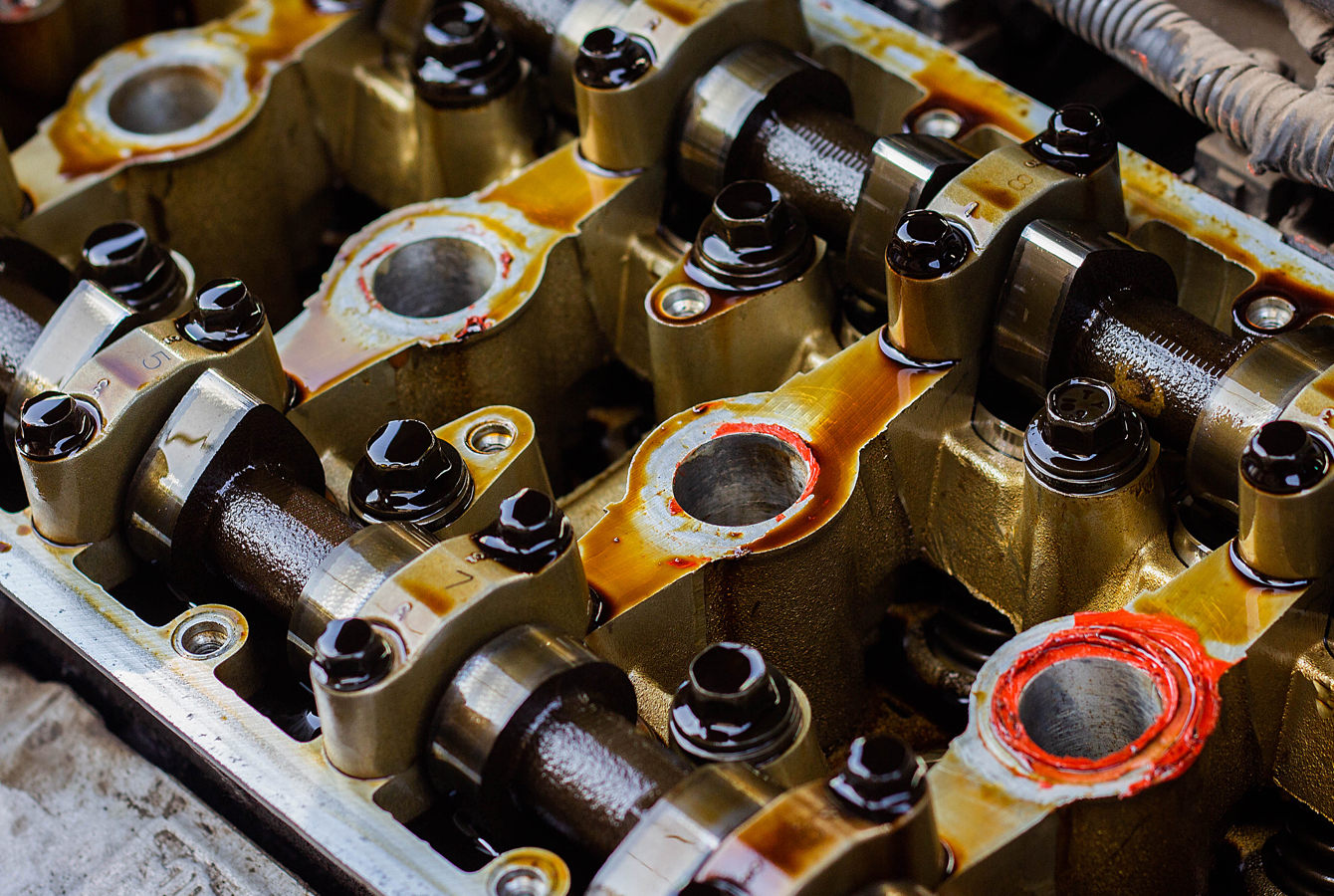
Head gaskets keep fire, oil, and coolant in their lanes. They sit between the head and the block. When that seal fails, heat and pressure win. Knowing why they fail helps you prevent it.
- Weak clamping load. Long or thin head bolts, soft threads, or bad torque specs lead to lift at high pressure.
- Thermal stress. Thin aluminum heads and hot spots create warping. Once warped, gaskets cannot seal well.
- Cooling system design. Trapped air, small radiators, and poor flow cause local boiling and gasket damage.
- Materials. Old composite gaskets cannot cope with modern heat cycles. MLS gaskets hold better when installed right.
- Neglect. Old coolant turns corrosive. Electrolysis pits metal. Overheats stack up and finish the job.
- Detonation and boost. Knock and high cylinder pressure hammer the fire ring. This is common on tuned or turbo engines.
People often ask, what cars are known for blowing head gaskets, and why the pattern repeats. The answer is a mix of design limits and heat control. When you fix clamping and cooling, you fix most of the risk.
Does milky oil always mean a blown head gasket – Causes & Solution
Quick answers
- Does turbo boost always blow head gaskets? No. Good fueling, timing, cooling, and proper studs keep seals intact.
- Can bad coolant cause a blown head gasket? Yes. Old or wrong coolant drives corrosion and hot spots.
- Do stop-leak products help? Maybe short term. They can clog radiators and heaters and make real repairs harder.
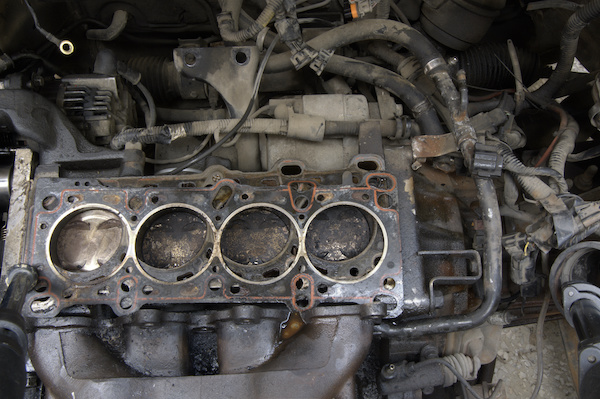
Symptoms and how to confirm a failing head gasket
Many signs point to a failing seal. Use them as a checklist before you panic or spend big.
Common symptoms
- Overheating under load or at highway speed.
- Coolant loss with no drip, or bubbles in the overflow tank.
- Sweet white smoke from the tailpipe after warm-up.
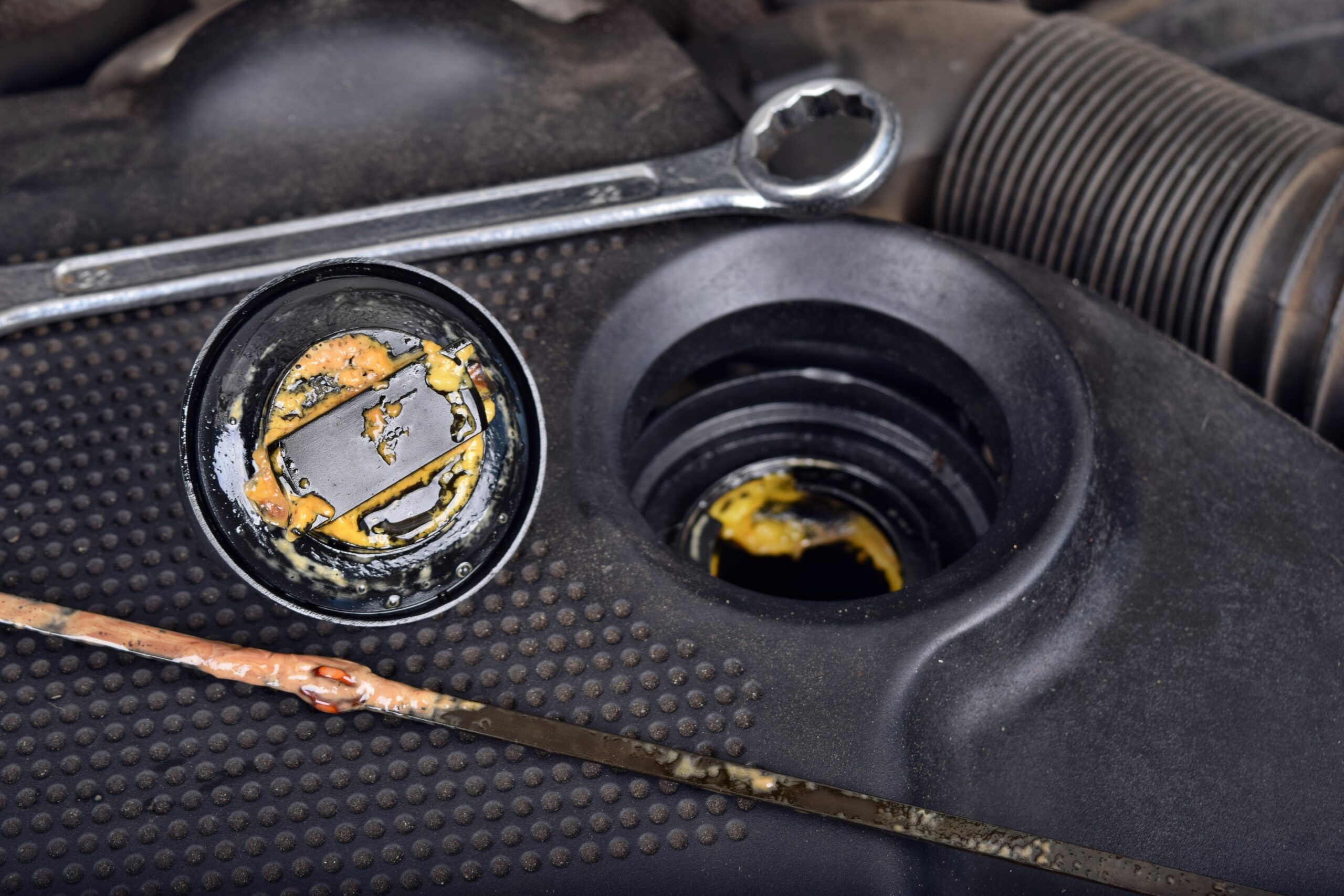
- Milky oil under the cap, or foam in the overflow.
- Misfire on cold start that clears in a minute.
- Heater goes cold when you rev the engine.
How to test it right
- Chemical block test for combustion gases in the coolant.
- Cooling system pressure test, then look for drop and internal leak signs.
- Compression test across all cylinders for low or uneven numbers.
- Leak-down test and watch for bubbles in the radiator neck.
- Borescope for a steam-cleaned piston top or coolant tracks.
- Infrared scan of the radiator for cold spots and flow issues.
If your search is what cars are known for blowing head gaskets, you also need to know how to prove it. Tests beat guesses. A 30-minute check can save an engine or a wallet.
Prevention and upgrades that work in the real world
I have seen cars on the “bad list” run 150,000 extra miles. The key is heat control and better clamping. Do small things early. Do smart upgrades when you have it apart.
Daily habits and maintenance
- Use the correct coolant and change it every 2 to 3 years.
- Replace weak caps, old thermostats, and bad fan clutches.
- Keep radiators clean inside and out. Fix leaks at once.
- Burp air after service, especially on Subarus and mid‑engine cars.
- Watch the temp gauge. An infrared thermometer is cheap insurance.
Proven engine‑specific tips
- Subaru EJ25. Use updated MLS head gaskets and new OEM torque‑to‑yield bolts. Check and resurface heads to spec.
- Cadillac Northstar. Install thread inserts or stud kits during the repair. This restores clamping in the aluminum block.
- Ford 6.0 Power Stroke. Upgrade to quality head studs, revised gaskets, and an improved EGR cooler. Keep the oil and coolant clean.
- Toyota 7M. Resurface to a smooth RA finish, use an MLS gasket, and torque head bolts to the updated spec.
- Dodge and Plymouth Neon. Use the revised MLS gasket and check deck flatness. Address any oil weep paths.
If your main question is what cars are known for blowing head gaskets, the next question should be how to prevent it. The answer is simple. Keep it cool, clamp it right, and use modern materials.

Buying used? How to shop smart around higher-risk engines
You can still buy and love these cars. You just need a plan. Ask for records and test the cooling system when the car is cold.
What to do before you buy
- Study the engine code and known fixes. Learn which years got updates.
- Cold start the car. Watch the exhaust, idle, and heater.
- Pressure test the cooling system and leave it overnight if you can.
- Do a block test for combustion gases in the coolant.
- Check for bubbles in the overflow under light revs.
- Review receipts for head work, bolts or studs, and machine shop notes.
How to talk with the seller
- Ask who did the job, what parts they used, and the torque method.
- Ask if the heads were checked for cracks and warp.
- Ask when the coolant, water pump, and thermostat were last replaced.
Buyers often ask, what cars are known for blowing head gaskets, and should I avoid them? You do not have to avoid them. You only need proof of health or proof of a proper repair.

Cost, repair time, and when to walk away
Repair cost depends on engine layout, access, and machine work. It is not just a gasket. It is also bolts, seals, coolant, oil, and often timing parts.
Typical ranges I see
- Four‑cylinders in mainstream cars. About $1,500 to $3,500.
- V6 and flat‑six. About $2,000 to $5,000.
- V8, turbo, diesel, or luxury. About $3,500 to $8,000 or more.
- Northstar with thread repair or Ford 6.0 with studs and coolers can go higher.
Time and risk
- Simple inline fours can be done in a few days with machine time.
- Transverse V6 and diesels can take a week or more.
- Add cost if the head is cracked, the block is pitted, or the radiator is clogged.
If you came here asking what cars are known for blowing head gaskets, also weigh the value of the car. Do not put $5,000 into a $2,500 car unless you plan to keep it long term and it is otherwise mint.
Frequently Asked Questions of What cars are known for blowing head gaskets?
Which Subaru years are most affected?
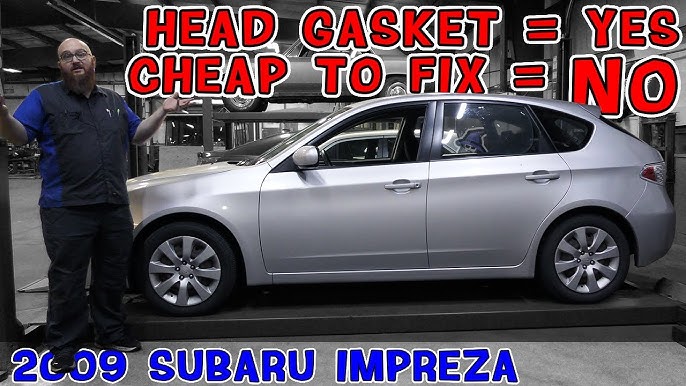
The 2.5L EJ25 from about 1996 to 2011 stands out. Phase I DOHC often failed internally, while Phase II SOHC leaked externally.
Are head gasket failures always the engine’s fault?
No. Overheating, old coolant, and late maintenance cause many failures. Design issues only set the stage.
Is it safe to drive with a blown head gasket?
It is risky. You can overheat fast, warp the head, and turn a repair into a full engine job.
Can head gasket sealer fix the problem?
It may reduce a small external seep for a short time. It can clog heaters and radiators and is not a lasting fix.
How do I tell a head gasket from a cracked head?
Testing helps. A pressure test, leak‑down, and borescope can find a crack; a chemical block test points to gasket or head failure.
What upgrades give the best long‑term results?
MLS gaskets, new torque‑to‑yield bolts or quality studs, and perfect surface prep. Pair that with a clean, strong cooling system.
Conclusion
A few engines earned a reputation for head gasket trouble. With good cooling, proper clamping, and the right parts, they can still be great cars. Know the risk, test before you buy, and fix the root cause, not just the symptom.
Use this guide to spot issues early and plan smart repairs. If you want more tips like this, subscribe, share your story in the comments, or ask me which upgrade kit fits your engine best.