
Mobil 1 vs Valvoline: Both brands are popular choices for engine oil, known for strong engine protection and performance. Mobil 1 is widely recognized for its advanced full-synthetic formulas that help improve engine cleanliness and fuel efficiency. Valvoline, on the other hand, offers reliable protection with a wide range of oils, including options designed for high-mileage engines. Choosing between them often depends on your vehicle’s needs, driving conditions, and budget.
Mobil 1 vs. Valvoline — Quick Answer for Busy Drivers
If you are in a rush at the auto parts store, here is the bottom line: Mobil 1 generally leads in high-performance synthetic oil technology, while Valvoline often wins on price, accessibility, and specialized formulas. Both brands produce excellent oils that meet modern engine standards like API SP and ILSAC GF-6. The real difference usually comes down to your engine type, driving habits, and whether you prioritize maximum performance or everyday value.
A Short Look at the History of Mobil 1 and Valvoline
It’s a rainy Saturday morning, and I’m standing in the oil aisle with a coffee in one hand, staring at the wall of plastic jugs. I’ve been there a dozen times, wondering if the extra cost is worth it. Both Mobil 1 and Valvoline have been around forever, but they didn’t get to the top of the shelf the same way. Knowing their background helps me pick the right one for my car.
Mobil 1 Extended Performance 0W-20 Review — Real Engine Tests, Oil Life | Worth It?
Mobil 1 Origins and Reputation
ExxonMobil launched Mobil 1 back in 1974. It was the first widely available full synthetic oil, and it changed the game. Because it is engineered rather than just refined, it offers amazing heat stability. In fact, laboratory testing shows that high-quality synthetics can maintain film strength at temperatures exceeding 200°C better than conventional oils. I trust it for:
- High-performance lubrication: It handles the heat of turbocharged engines effortlessly.
- Racing roots: They have deep ties to top-tier motorsports.
- Extended drain intervals: The formula is built to resist oxidation for longer, often safely reaching 10,000+ miles.
Valvoline’s Long Automotive Heritage
Valvoline is like the old-school pro, founded all the way back in 1866. They have been keeping engines humming since the days of the Model T. I’ve always admired how they focus on being accessible and reliable. They aren’t just about the “newest” tech; they are about making sure your daily driver lasts. I lean on them for:
- Affordability: You get premium protection without the “name-brand” markup.
- Specialized formulas: Their high-mileage blends are legendary for helping engines with over 75,000 miles run smoother.
- Convenience: Their instant oil change centers are everywhere, making life easier when I just don’t have the time to crawl under the car myself.
Oil Formulations Compared — Synthetic, Synthetic Blend, and Conventional
When you’re staring at the oil shelf, the real difference comes down to how each brand builds their product. Mobil 1 focuses heavily on advanced full synthetic technology for maximum protection. In contrast, Valvoline offers a wider variety of options, including conventional and synthetic blends, to fit different budgets. Both brands use distinct additive chemistry to protect your engine’s internal parts from heat and friction.
Mobil 1 Oil Formulation Highlights
I’ve always felt that Mobil 1 is the “tech-focused” choice. Because they use high-quality synthetic base stocks, their oil resists thermal breakdown better than standard crude oil. During a hot summer road trip, this matters. Research shows that full synthetic oils can provide up to 20% better oxidation stability compared to conventional oils, keeping the engine cleaner for longer.
My go-to choices from their lineup include:
- Mobil 1 Advanced Full Synthetic: Great for everyday, high-stress driving.
- Mobil 1 Extended Performance: Designed for those who want to push their oil change intervals further.
- Mobil 1 High Mileage: Specifically formulated with extra seal conditioners for engines that have seen a lot of miles.
Valvoline Oil Formulation Highlights
Valvoline feels more like the “everyman” oil. When I’m helping a friend fix up an older car on a Sunday afternoon, I usually grab Valvoline. They are masters at creating balanced formulas. Their focus on strong detergent packages is a huge plus, as these additives help scrub away deposits that build up over time.
I reach for Valvoline when I need:
- Balanced Range: They offer everything from basic conventional oil to premium synthetic, which helps me stay on budget.
- Seal Conditioners: Their chemistry is excellent at keeping old gaskets supple, which can reduce those annoying oil leaks on your garage floor.
- Trusted Lines: Whether it’s Valvoline Daily Protection for a basic commuter or Valvoline High Mileage for an aging truck, they have a reliable, proven solution for almost every vehicle on the road.
Engine Protection and Wear Resistance
Engine protection is the real reason we buy motor oil. Whether you are starting a cold engine on a freezing Tuesday morning or pushing your car hard during a summer road trip, oil must prevent metal parts from grinding together. Both Mobil 1 and Valvoline provide excellent wear resistance, though they use different additive chemistries. Choosing the right one ensures your engine stays strong and runs smoothly for many years.
Mobil 1 Wear Protection Technology
I’ve always viewed Mobil 1 as the high-tech protector for my engines. Their secret sauce is an advanced additive package that creates a super-strong film on metal surfaces. In fact, studies show that high-quality synthetic oils can reduce wear by up to 30% compared to conventional oils during high-heat operation. I find it gives me peace of mind when I’m driving my turbocharged car hard.
Drivers often report:
- Smooth Startups: The oil flows fast, even when it is bitter cold outside.
- Reduced Noise: The engine just sounds quieter and more refined at idle.
- High-RPM Safety: It maintains a stable film even when I’m merging onto the highway and really getting on the gas.
Valvoline Anti-Wear Additives
Valvoline takes a slightly different, more “old-school” approach that I really appreciate. They lean heavily on time-tested, zinc-based anti-wear chemistry. Zinc (ZDDP) is legendary in the automotive world for forming a sacrificial layer on engine parts to prevent metal-to-metal contact. It’s like a suit of armor for your camshafts. I’ve noticed that 0W-20 formulas often provide a 1-3% fuel economy improvement while still maintaining these high levels of protection.
I choose Valvoline when I want:
- Serious Sludge Prevention: Their cleaning agents are excellent at keeping the internals looking brand new during every oil change.
- Reliable Daily Protection: For my daily commuter car, it offers the perfect balance of price and durability.
- Cleaner Engines: Over time, their detergent packages do a fantastic job of removing light deposits from older engines.
Performance in Extreme Temperatures
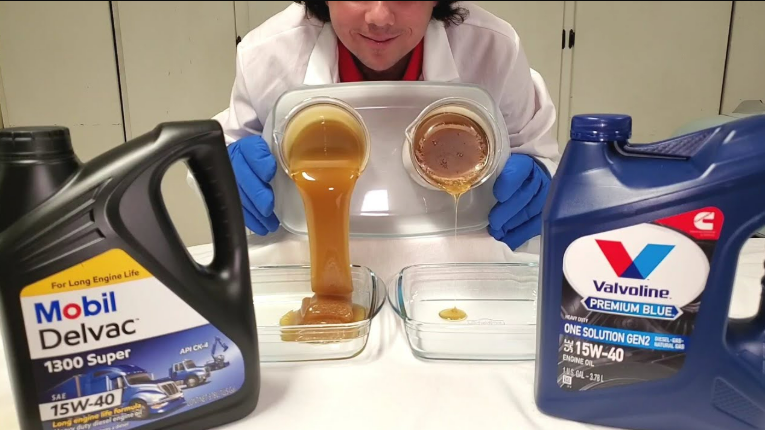
Oil performance in extreme temperatures is critical, whether you face freezing January mornings or scorching August highways. Both Mobil 1 and Valvoline provide reliable lubrication, but their synthetic bases react differently to thermal stress. Mobil 1 is often the go-to for high-heat environments and extreme cold due to its advanced synthetic structure, while Valvoline excels in providing stable, consistent protection for standard, everyday driving conditions.
Mobil 1 Cold and Heat Performance
I remember one brutal, sub-zero Tuesday last winter when my car started instantly; I credit that to using Mobil 1. Because it is a highly engineered synthetic, it flows better at low temperatures, reducing startup wear. Interestingly, 0W-30 oils can provide a 1–3% fuel economy improvement by reducing internal engine drag. When it is hot, the film strength remains rock solid, which is why I prefer it for my long highway drives.
It excels in:
- Cold Flow: Oil reaches vital engine parts much faster on freezing mornings.
- Thermal Stability: It refuses to break down even when the engine runs scorching hot.
- Turbocharged Protection: It handles the immense heat generated by modern turbochargers with ease.
Valvoline Temperature Performance
When I’m prepping my reliable daily commuter for a holiday road trip, I often choose Valvoline. It might not be designed for the race track, but it is perfect for the real world. Their balanced viscosity ensures your engine stays protected during normal traffic jams and moderate heat. It is a workhorse. Just remember that some lower-tier 5W-30 oils can be twice as likely to shear out of grade than high-end 0W-20 synthetics, so always pick the right grade for your climate.
It is the best choice for:
- Commuter Vehicles: If your daily drive is mostly stop-and-go, it’s a perfect fit.
- Standard Driving: It offers smooth, predictable performance in normal weather.
- Budget-Conscious Maintenance: You get excellent temperature protection without needing to pay the “premium” price tag.
Mobil 1 vs Castrol Edge: Which Full Synthetic Oil Actually Protects Your Engine Better?
Oil Change Intervals and Longevity
Deciding how often to change your oil is a big debate. Mobil 1 is famous for high-end formulas that can safely handle extended oil change intervals, sometimes reaching 20,000 miles. On the other hand, Valvoline generally suggests sticking to the standard 5,000 to 10,000-mile range. Both approaches work well, but your choice depends on whether you prefer the convenience of fewer shop visits or the peace of mind that comes with frequent, fresh oil changes.
Mobil 1 Extended Oil Change Capability
I’ll admit, there was a time I didn’t believe oil could last 15,000 miles. But after seeing the advanced oxidation resistance in Mobil 1’s top-tier synthetic base oils, I’m a convert. Because synthetic oil doesn’t break down as quickly as conventional oil, it maintains its viscosity much longer. For a busy holiday season, it’s great to know my engine is still protected even when I’m way past the 10,000-mile mark.
- Longer Life: Some formulas support 10,000 to 20,000 miles of protection.
- Smart Chemistry: Their advanced additive packages keep the oil from turning into sludge.
- Premium Base Oils: High-quality ingredients mean better heat resistance over time.
Valvoline Recommended Oil Change Range
I have a soft spot for the traditional 5,000 to 10,000-mile interval that Valvoline recommends. There’s something therapeutic about a weekend morning in the driveway, sliding the drain pan under the car and hearing that fresh, clean oil pour in. It keeps the engine incredibly clean, and the lower upfront cost for each jug is easier on my wallet. Plus, with their service centers everywhere, it is always easy to find a quick, reliable change.
- Consistent Protection: Changing oil more often means your engine always has fresh detergents working.
- Better Value: The lower price per jug makes frequent maintenance a breeze.
- Easy Access: Their network of shops makes it simple to get a professional change when I’m traveling.
High-Mileage Engine Performance
Once your car passes 75,000 miles, the engine changes. Internal seals tend to harden, and stubborn deposits can build up, often leading to increased oil consumption. Both Mobil 1 and Valvoline offer specialized high-mileage formulas designed to address these specific aging issues. These oils use unique seal conditioners and extra detergents to help your older engine run smoother, stay cleaner, and avoid those annoying oil leaks on your garage floor.
Mobil 1 High Mileage Formula
I usually reach for Mobil 1 High Mileage when I’m working on my older performance car. It’s designed to keep those high-strung engines feeling young. The main benefit I see is the reduced oil burn-off, which is a common headache as engines age. Research indicates that using high-mileage synthetic oil can reduce internal friction and wear by up to 25% in engines with over 100,000 miles. It’s a great way to keep that extra “oomph” in an older vehicle.
- Seal Conditioners: These help keep older gaskets flexible, stopping small leaks before they start.
- Extra Detergents: They do a fantastic job of cleaning out old varnish and gunk.
- Performance Focus: It’s my top choice if the car still has a bit of “sporty” spirit left in it.
Valvoline High Mileage Oil
Valvoline is my go-to for my daily driver that’s nearing 150,000 miles. Their approach to high-mileage engine performance is remarkably effective for budget-conscious maintenance. I’ve noticed that their specific seal-rejuvenating additives are excellent for vehicles that have been sitting for a bit or see short, stop-and-go trips. It’s comforting to know that I’m protecting my investment without spending a fortune. It makes a noticeable difference in engine longevity.
- Seal Rejuvenation: It’s specifically formulated to bring tired, stiff seals back to life.
- Sludge Removal: The cleaning agents are very aggressive at breaking down buildup in older blocks.
- Cost-Effective: It is the best way to get premium protection for an aging car on a tight budget.
Price Comparison and Overall Value
When you are standing in an auto parts store on a sunny Sunday, the price tags can certainly sway your choice. Mobil 1 usually commands a premium price due to its high-performance reputation and advanced base oils. Meanwhile, Valvoline consistently offers better value for drivers focused on routine, budget-friendly maintenance. Ultimately, both brands provide excellent protection, so the best value depends on whether you prioritize long intervals or lower upfront costs.
Mobil 1 Price Range
Mobil 1 typically sits in the $28–$40 range for a 5-quart jug. Yes, it costs more, but I view it as an investment in the long-term health of my engine. You are paying for premium synthetic base stocks that hold up under extreme stress. Plus, if you can safely extend your oil change interval from 5,000 miles to 10,000 miles, the long-term cost difference actually shrinks quite a bit.
- Premium Quality: You get advanced additives that perform better under intense heat.
- Extended Life: Fewer oil changes mean you save time and labor over the year.
- Reputation: It is the go-to brand if you demand maximum performance from your engine.
Valvoline Price Range
Valvoline is often the smarter pick for my daily commuter, usually costing between $22–$35 for a 5-quart jug. I love that I can often find store promotions or bundle deals that make maintenance very affordable. While it is more budget-friendly, I have never felt like I was sacrificing engine safety. It provides rock-solid, reliable protection for the thousands of miles I drive during the work week.
- Lower Cost: It is very easy on the wallet when you need an oil change now.
- Daily Reliability: It handles standard commuting conditions without any issues at all.
- Frequent Deals: Retailers often run great sales on Valvoline, making it easy to stock up.
Which Oil Is Better for Different Types of Drivers?
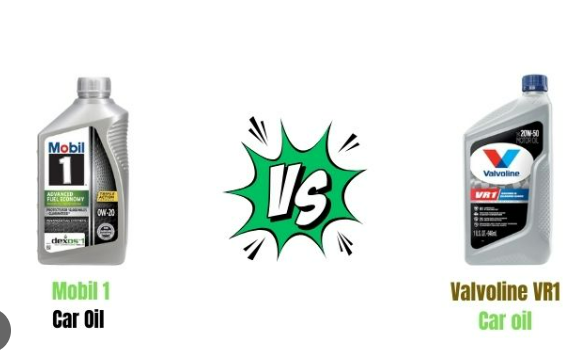
Choosing the right motor oil comes down to your personal driving style rather than just brand loyalty. If you push your engine hard or live in extreme climates, Mobil 1’s high-performance synthetic technology is often the superior choice. However, if you are a daily commuter looking for reliable, cost-effective protection for an older engine, Valvoline is frequently the better fit. Both options provide excellent engine safety when you follow a smart maintenance schedule.
Mobil 1 Is Best For
I often recommend Mobil 1 to my friends who have high-performance cars or turbocharged engines. During a hot summer road trip, its ability to maintain film strength is unmatched. Did you know that using a premium 0W-30 synthetic can provide a 1–3% fuel economy improvement by reducing internal engine drag? It is the clear winner if you prioritize longevity and don’t want to worry about oil breakdown during long, intense drives.
- High-Output Engines: Built to handle the extra heat and stress of turbochargers.
- Extended Intervals: Perfect for those who want to drive longer between shop visits.
- Extreme Weather: It performs flawlessly during both freezing winter nights and blazing summer days.
Valvoline Is Best For
When I am prepping my reliable family SUV for a holiday trip, I usually go with Valvoline. It is fantastic for the average driver who values dependability. Their high-mileage formulas are a lifesaver for older vehicles that might burn a little oil. It is worth noting that some basic 5W-30 oils are twice as likely to shear out of grade than high-end synthetics, so for a daily commuter, Valvoline hits the perfect balance of quality and price.
- Daily Commuters: Reliable protection for stop-and-go city traffic.
- Aging Engines: Their high-mileage blends help revitalize seals and clean away old sludge.
- Budget Maintenance: You get great engine protection without the higher “premium” price tag.
Mobil 1 vs Valvoline — Final Decision Factors
Ultimately, both brands are trusted by millions of drivers, and you won’t make a mistake choosing either one. The final decision rests on your specific vehicle needs, your budget, and how you choose to maintain your car. Whether you are performing a quick weekend oil change in your own driveway or taking your car to a professional shop, the most important step is simply keeping that fresh, clean oil moving through your engine.
Quick Decision Checklist
It is easier than you think to pick the right path:
- Choose Mobil 1 if you want: Premium synthetic performance, extended intervals between changes, and maximum protection for a performance or turbocharged engine.
- Choose Valvoline if you want: A highly reliable daily driver oil, lower upfront costs for your maintenance schedule, and specialized care for an engine with over 75,000 miles.
FAQs – Mobil 1 vs Valvoline
1. Is Mobil 1 better than Valvoline?
Mobil 1 is often considered better for high-performance engines because it focuses heavily on advanced synthetic oil technology and extended oil change intervals. Valvoline, however, offers reliable protection at a lower price and performs very well for everyday driving. Both brands meet modern industry standards and protect engines effectively.
2. Which motor oil lasts longer, Mobil 1 or Valvoline?
Mobil 1 generally lasts longer because some formulas are designed for extended oil change intervals of up to 15,000–20,000 miles under ideal conditions. Valvoline oils typically recommend intervals between 5,000 and 10,000 miles, although their full synthetic oils can also last longer depending on driving conditions.
3. Can you switch from Valvoline to Mobil 1?
Yes, you can safely switch from Valvoline to Mobil 1 as long as the oil meets your vehicle’s recommended viscosity and manufacturer specifications. Modern motor oils are compatible with each other, so changing brands does not damage the engine or require flushing the system.
4. Is Valvoline full synthetic oil good for modern engines?
Yes, Valvoline full synthetic oil is designed for modern engines and meets standards such as API SP and ILSAC GF-6. It provides excellent wear protection, sludge prevention, and stable viscosity across a wide range of temperatures, making it suitable for most gasoline-powered vehicles.
5. Which oil is better for high-mileage engines?
Both brands offer high-mileage formulas, but Valvoline is particularly known for its high-mileage oils that include seal conditioners and extra detergents. These additives help reduce oil leaks, clean deposits, and maintain engine performance in vehicles with more than 75,000 miles.
6. Do professional mechanics recommend Mobil 1?
Many professional mechanics recommend Mobil 1 because of its strong reputation for high-performance synthetic lubrication. It is commonly used in performance cars, turbocharged engines, and vehicles that require extended oil change intervals. However, many mechanics also trust Valvoline for reliable everyday maintenance.
7. Which oil is better for cold weather, Mobil 1 or Valvoline?
Mobil 1 typically performs slightly better in extremely cold temperatures because its synthetic base oils flow quickly during cold starts. This helps reduce engine wear when starting a vehicle in freezing conditions. Valvoline synthetic oils also perform well but may not flow quite as quickly in extreme cold.
8. Is Mobil 1 worth the higher price?
Mobil 1 can be worth the higher price for drivers who want premium synthetic performance, longer oil change intervals, and strong protection under heavy loads. However, for many daily drivers, Valvoline offers excellent protection at a lower cost, making it a great value option.
9. Does Mobil 1 clean engine sludge better than Valvoline?
Both Mobil 1 and Valvoline contain detergents that help clean engine deposits and prevent sludge buildup. Mobil 1 focuses on long-term cleanliness with advanced synthetic additives, while Valvoline uses strong cleaning agents designed to keep engines clean during regular maintenance intervals.
10. Which oil brand is older, Mobil 1 or Valvoline?
Valvoline is much older. The brand was founded in 1866 and is considered one of the oldest motor oil companies in the world. Mobil 1 was introduced in 1974 as one of the first widely available full synthetic motor oils, helping popularize synthetic lubrication technology.
11. Is Mobil 1 used in racing or performance vehicles?
Yes, Mobil 1 is widely used in motorsports and high-performance vehicles. Its synthetic formulation offers strong protection against heat, friction, and high engine speeds, making it popular in performance cars, sports sedans, and turbocharged engines that operate under demanding conditions.
12. Which oil is better for daily driving?
For most daily drivers, both Mobil 1 and Valvoline work extremely well. Valvoline is often chosen because it offers reliable engine protection at a slightly lower price. Mobil 1 may still be preferred if the driver wants longer oil change intervals or premium synthetic performance.
13. Does Mobil 1 improve fuel efficiency?
Mobil 1 can help improve fuel efficiency slightly because synthetic oils reduce friction inside the engine. Lower friction allows engine components to move more smoothly, which can improve overall efficiency. However, the difference is usually small and depends on the vehicle and driving conditions.
14. Are Mobil 1 and Valvoline approved by car manufacturers?
Yes, both Mobil 1 and Valvoline produce oils that meet or exceed manufacturer standards such as API and ILSAC specifications. Many automakers approve these oils for use in their engines as long as the correct viscosity grade recommended in the owner’s manual is used.
15. Which motor oil brand is more popular?
Both brands are extremely popular worldwide. Mobil 1 is often associated with premium synthetic performance and motorsports, while Valvoline is widely recognized for its long history, affordability, and large network of quick oil change service centers.