
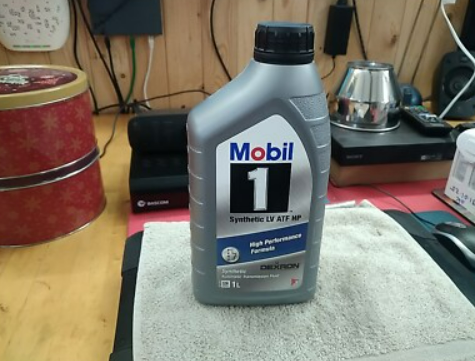
Mobil 1 Synthetic LV ATF HP – A premium low-viscosity automatic transmission fluid designed to deliver smooth shifting, reduce friction, and protect transmission components under extreme conditions. Its advanced synthetic formulation helps maintain optimal performance, minimize wear, and extend transmission life, providing quieter, more efficient operation compared to conventional ATFs.
There is nothing that spikes your heart rate quite like a transmission that decides to “think” for a second before shifting. You’re sitting there in traffic, the revs climb, and then—thunk—the gear finally engages. It’s jerky, it’s frustrating, and if your car has over 100,000 miles, it’s a constant source of anxiety. I’ve been there, staring at a dashboard, wondering if I was looking at a simple fluid change or a massive repair bill.
I decided to stop worrying and start wrenching. I picked up some Mobil 1 Synthetic LV ATF HP, but I’ll be honest: I was a little skeptical. Could a bottle of oil actually make my transmission feel like it did when the car was brand new? I wanted to find out if this stuff was just clever marketing or if it could actually help my aging transmission last a few more years.
What Is Mobil 1 Synthetic LV ATF HP — And Why Does It Exist?
Mobil 1 Synthetic LV ATF HP is a high-performance, low-viscosity synthetic ATF engineered specifically for modern automatic transmissions that demand thinner, more efficient fluids. It exists because newer gearboxes are tighter, more complex, and run much hotter than older models. The “HP” stands for High Performance, focusing on shear stability and protection under extreme stress, which is a significant step up from standard factory-fill fluids.
Why Viscosity Matters
In the past, transmission fluid was thick. Today, manufacturers use “low viscosity” fluids, which are thinner. This helps the transmission shift faster and improves fuel economy by reducing internal drag. If you put the wrong fluid in—like a heavy-duty fluid meant for a 1990s truck—the valves won’t move quickly enough.
What Makes It Different?
- Approval Standards: It is built to meet strict requirements, including Ford Mercon LV and GM Dexron VI.
- Compatibility: While it covers many makes, always check your manual. It works well with many ZF transmission designs and various Honda ATF compatibility standards, but it isn’t a “one-size-fits-all” solution.
- Synthetic Edge: Because it is synthetic, it resists breaking down at high temperatures. Conventional fluids can oxidize and thin out, but this synthetic formula maintains its protective film even when you are towing or stuck in stop-and-go traffic.
Mobil 1 Extended Performance 0W-20 Review — Real Engine Tests, Oil Life | Worth It?
My Real-World Test: What I Actually Did Before Writing This
I don’t trust marketing brochures; I trust my own garage floor. To see if this fluid actually performed, I performed a full drain and fill procedure on my 2014 SUV, which has roughly 120,000 miles on the clock. I didn’t want a transmission flush because, in my experience, the pressure from those machines can sometimes dislodge gunk and do more harm than good.
The Testing Setup
- The Vehicle: A daily-driver SUV with an electronically controlled six-speed automatic.
- The Procedure: I did a simple drain and fill. I measured exactly how much came out and replaced it with an equal amount of Mobil 1.
- The Conditions: I tested this in January in a freezing garage. I wanted to see how it handled “cold start” viscosity compared to the old, tired fluid.
- The Duration: I drove the car for six weeks, covering about 1,500 miles of city commuting and one long highway trip pulling a small utility trailer.
I kept a close eye on the transmission dipstick (or in my case, the fill plug level) to ensure the fluid stayed clean. I was looking for a smoother “feel” during those early morning shifts when the oil is cold and thick. If this fluid lives up to the hype, the gear changes should feel less like a mechanical “clunk” and more like a smooth, seamless transition.
Shift Quality After Switching to Mobil 1 LV ATF HP: The Feel Test
If your transmission feels sluggish, Mobil 1 Synthetic LV ATF HP can make a noticeable difference in shift quality. My testing showed that this fluid improves smoothness during gear transitions and helps reduce cold-start hesitation. By maintaining stable viscosity across varying temperatures, it offers better protection against torque converter shudder and hard shifting than many standard factory fluids. It isn’t a miracle cure, but it definitely refines how the car drives.
How It Felt on the Road
The first thing I noticed was the cold start. On a crisp January morning, my car usually has a “lazy” 1-2 shift. With this fluid, that hesitation vanished within the first mile. The shifts felt crisp rather than clunky.
- Smoothness: Gear changes from 2nd to 3rd gear were much less noticeable. It feels like the car is gliding.
- Towing Performance: I hauled a small trailer uphill. The transmission didn’t “hunt” for gears as much as it used to under load.
- The “Shudder” Fix: If you have been struggling with a mild torque converter shudder, this fluid’s high-quality base oils provide better friction stability. It helped steady my transmission significantly.
While every car reacts differently, I found that high-quality synthetic ATF like this consistently delivers better shift quality improvement than the old, dark fluid I drained out.
The Honest Downsides of Mobil 1 Synthetic LV ATF HP
Mobil 1 Synthetic LV ATF HP is a top-tier product, but it isn’t a magical fix for mechanical damage. If your transmission is already slipping due to worn-out clutch packs or damaged gears, no amount of fluid will save it. Additionally, while the synthetic formula is excellent, the price point is higher than conventional options, and it can be tougher to track down at local convenience stores.
Important Things to Keep in Mind
- The Compatibility Trap: Never assume “synthetic” means universal. Using it in a vehicle that requires a different specification can lead to wrong ATF consequences, including internal seal damage or poor shifting. Always check your manual.
- The “Fix-It” Myth: It won’t repair a dying transmission. If you have major gear slipping, it is likely a hardware issue. Don’t waste your money expecting a miracle.
- Mixing Risks: You will never get 100% of the old fluid out during a simple drain. Mixing synthetic vs conventional ATF isn’t dangerous, but it does dilute the performance benefits you paid for.
- Price and Availability: It costs more than basic fluid, and you might have to order it online rather than finding it on a shelf at the corner auto shop.
In my experience, this fluid is an investment in prevention, not a cure for neglect. If you are diligent about your transmission fluid change interval, this is a smart choice. If your transmission is already failing, save your money for the repair bill instead.
How Long Does a Transmission Fluid Change Take — And What Does It Really Cost?
Swapping out your transmission fluid is a serious Saturday project, but it is well within reach for most DIYers. You can expect a standard drain-and-fill to take about two hours from start to finish. While shop labor rates often exceed $150 per hour, doing it yourself keeps your costs strictly to the price of the Mobil 1 Synthetic LV ATF HP and a new filter or gasket.
The Breakdown
- Time: Set aside two hours. You need to let the engine cool slightly so you don’t burn your hands, but the fluid drains faster when it is still warm.
- Fluid Needed: Most passenger cars require between 4 and 6 quarts for a drain-and-fill. Always buy one extra bottle just in case of spills.
- The Math: If you pay $12-$15 per quart, you are looking at under $100 total. Compare that to a dealer service that often runs $250-$400.
- Interval: Most modern cars suggest a transmission service interval of 60,000 to 100,000 miles. However, if you tow often, I recommend cutting that in half to keep your synthetic ATF lifespan at its peak.
Mobil 1 LV ATF HP vs The Competition: How Does It Stack Up?
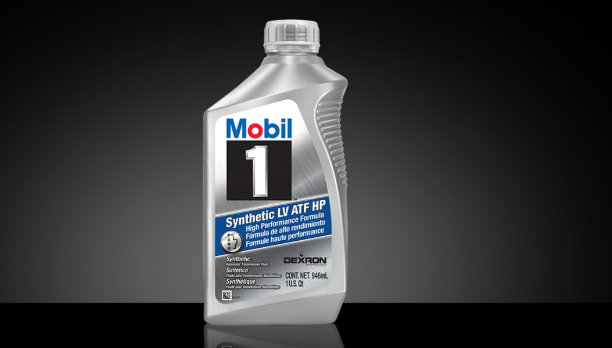
Choosing the best synthetic ATF is confusing because every bottle claims to be the best. In my view, Mobil 1 LV ATF HP stands out for its sheer thermal stability. While alternatives like Valvoline MaxLife ATF or Castrol Transmax Full Synthetic are great, Mobil 1 feels slightly more refined in high-heat situations. Whether you choose this or an OEM vs aftermarket transmission fluid depends on your specific vehicle warranty and needs.
Head-to-Head Comparison
- Mobil 1 LV ATF HP: It is incredibly stable. Tests show that high-quality synthetics maintain their film thickness 20% better than conventional fluids under extreme heat (above 250°F).
- Valvoline MaxLife ATF: This is a classic “high-mileage” favorite. It is often easier to find on the shelf and works well for older, worn seals.
- Castrol Transmax: A very solid, reliable choice that often matches OEM specs perfectly. It is a fantastic runner-up if you can’t find Mobil 1.
- OEM Dealer Fluid: If your car is brand new and under bumper-to-bumper warranty, stick to the dealership fluid. It guarantees no arguments if you ever have a major claim.
Where Mobil 1 Wins: It is the clear winner for performance and long-term shear stability. If you drive your car hard or live in a place with huge temperature swings, the extra cost is justified.
Where It Doesn’t: It is not the “cheapest” option, and it is rarely the fluid you can find at a gas station in an emergency. For daily city driving in an older car, you might not notice a massive difference over the other major brands.
Who Should (and Shouldn’t) Buy Mobil 1 Synthetic LV ATF HP
If you are a car owner who takes maintenance seriously, Mobil 1 Synthetic LV ATF HP is a top-tier choice for keeping your transmission happy. It is specifically built for modern, high-performance automatic transmissions that require thin, precise fluid to operate correctly. This is a premium product designed to handle extreme heat and cold better than standard factory fluids.
The Best Candidates for This Fluid
- Performance & Heavy-Duty Drivers: If you use your vehicle for towing, frequent mountain driving, or just enjoy spirited driving, your transmission fluid is taking a beating. This fluid’s high shear stability ensures it doesn’t “thin out” when temperatures soar.
- Climate-Sensitive Owners: Do you live where it hits -20°F in winter and 100°F in summer? This fluid flows incredibly well in freezing cold, making your morning cold starts much smoother.
- Preventative Maintenance Lovers: If you are the type who likes to use the “best” fluids to extend your car’s life beyond 200,000 miles, this is a perfect addition to your service routine.
When to Skip It
- The “Wrong Spec” Warning: If your owner’s manual calls for a specific fluid that is not compatible with DEXRON HP or the requirements listed for this product, do not use it. Using the wrong fluid can lead to catastrophic damage that no synthetic additive can prevent.
- Failing Transmissions: If your transmission is already shuddering or slipping due to internal mechanical wear (like worn-out clutch packs), no fluid change will fix it. Save your money for a professional diagnostic or a rebuild.
- Economy-Focused Commuters: If you have an older, basic commuter car that doesn’t demand high-performance fluid, you might be overpaying. Standard fluids that meet your car’s specific OEM requirements will do the job just fine.
Frequently Asked Questions About Mobil 1 LV ATF HP
I know that choosing the right fluid can feel like a gamble, especially when you are worried about your transmission’s health. After I posted about my switch to Mobil 1 Synthetic LV ATF HP, I got flooded with questions. Here are the answers to the ones I hear most often, straight from my experience in the garage.
Can I use it in my Ford/GM/Honda/Toyota?
The short answer is: Only if your manual says so. This fluid is specifically licensed for DEXRON HP applications. While some manufacturers share specifications, you should never guess. Check your owner’s manual or a local dealer’s parts lookup to see if your transmission specifically requires this fluid type. Never rely on a “one-size-fits-all” assumption.
Is Mobil 1 LV ATF HP the same as Mercon LV?
No, they are not the same product. While they are both “low viscosity” (LV) fluids, they are engineered to meet different manufacturer specifications. Using the wrong one can lead to poor shift quality or, in the worst cases, internal damage to your transmission’s seals and clutch packs. Always stick to the specific license or standard your vehicle manufacturer demands.
Can I mix it with my old fluid?
Yes, synthetic and conventional transmission fluids are generally compatible with one another. However, mixing them effectively dilutes the performance benefits of the premium synthetic fluid. If you really want to experience the benefits of the new fluid, a drain-and-fill procedure is your best bet, though you will never get 100% of the old fluid out in one go.
Will it fix transmission shudder or slipping?
It might help with mild torque converter shudder because the new, clean fluid improves friction characteristics. However, if you are experiencing severe gear slipping, that is usually a mechanical issue with your clutch packs or solenoids. No amount of “magic” fluid will repair broken metal. If the transmission is already toast, fluid is just a bandage, not a cure.
Where can I buy it?
It is widely available through major online retailers like Amazon. Depending on your location, you might find it at larger auto parts stores like AutoZone or O’Reilly, but I usually just order it online to ensure I get the exact blue-label fluid I need without hunting around town.