
Mobil 1 Advanced Fuel Economy is a full synthetic motor oil designed to improve fuel efficiency while providing excellent engine protection. Its advanced low-viscosity formula reduces internal engine friction, helping engines run smoother and potentially quieter compared to conventional oils. With high detergency and specialized additives, it helps keep engines clean, supports long-term performance, and contributes to optimized fuel economy in modern vehicles.
What Is Mobil 1 Advanced Fuel Economy and Why Drivers Choose It
I’ve spent years tinkering with cars in my garage on Saturday mornings, and I’ve learned that not all motor oil is created equal. Mobil 1 Advanced Fuel Economy is a fully synthetic oil specifically engineered to slash internal engine friction and boost your gas mileage. By using low-viscosity formulas like 0W-20 or 0W-30, it helps your engine run with less resistance. I’ve personally noticed that my car feels smoother and quieter during those long, rainy Tuesday commutes to work.
Quick Overview of the Oil
- Fully Synthetic: Provides superior protection compared to conventional blends.
- Efficiency Focused: Specifically designed to help you squeeze more miles out of every gallon.
- Modern Engine Ready: Tailored for the tighter tolerances found in today’s gasoline engines.
- Industry Certified: Meets or exceeds strict API and ILSAC standards for performance.
Where It Fits in the Mobil 1 Lineup
Think of the Mobil 1 lineup as a toolbox—you need the right tool for the job.
- Compared to Extended Performance: While Extended Performance is built for durability and long drain intervals (sometimes up to 20,000 miles), the Advanced Fuel Economy formula prioritizes lower viscosity to reduce drag and save fuel.
- Compared to High Mileage: High Mileage contains seal conditioners to help stop leaks in older engines. Unless your engine is showing its age, the Advanced Fuel Economy version is usually the better pick for newer, efficient vehicles.
- Best For: If you drive a modern sedan, hybrid, or small SUV that calls for low-viscosity oil, this is likely your best bet. Data shows that switching to a 0W-20 or 0W-30 oil can provide a 1% to 3% improvement in fuel economy, which adds up fast when gas prices are climbing.
Mobil 1 Extended Performance 0W-20 Review — Real Engine Tests, Oil Life | Worth It?
How Mobil 1 Advanced Fuel Economy Improves Fuel Efficiency
Fuel economy gains come primarily from reduced internal engine friction. The advanced synthetic base oils and additives in Mobil 1 Advanced Fuel Economy allow engine components to move more freely, requiring less energy from your engine. During a slow Monday morning crawl through downtown traffic, you may notice the engine revs smoother and your fuel gauge drops a bit slower than it did with conventional oil.
Low-Viscosity Oil Explained
Viscosity is essentially the oil’s resistance to flow. “Low viscosity” means the oil is thinner, which sounds counterintuitive for protection, but it’s vital for modern engines. Thinner oils, like 0W-20, reduce “drag” on moving parts. Think of it like trying to run through water versus running through thick syrup; your engine doesn’t have to work as hard to push the oil around, which saves you fuel.
The Science Behind Fuel Savings
The magic is in the chemistry. Mobil 1 uses high-performance synthetic base oils that stay stable even when your engine gets hot.
- Friction Reduction: Specialized additives create a microscopic barrier between metal parts, stopping them from grinding against each other.
- The Data: Studies show that moving from a heavier oil to a 0W-20 or 0W-30 synthetic can provide a 1% to 3% improvement in fuel economy. While that sounds small, it really adds up on long road trips.
- Shear Stability: Modern 0W-20 formulas are designed to resist “shearing” (breaking down) better than older, thicker grades. In fact, some traditional 5W-30 oils are twice as likely to shear out of their protective grade under stress compared to a high-quality 0W-20.
Real-World Situations Where Drivers Notice the Difference
I really started to notice the difference during different driving conditions:
- Stop-and-Go City Driving: On those gridlocked afternoons, the engine feels less strained when I move from a dead stop.
- Long Highway Drives: During a weekend getaway, the car maintains speed more effortlessly, keeping the RPMs consistent and the engine quiet.
- Cold-Morning Engine Starts: This is where I felt it most. On a freezing holiday morning, the engine turns over instantly without that groaning sound you get with thicker, sluggish oil. It gives me peace of mind knowing the oil is flowing and protecting the engine from the very first second.
Key Features and Technology Inside Mobil 1 Advanced Fuel Economy
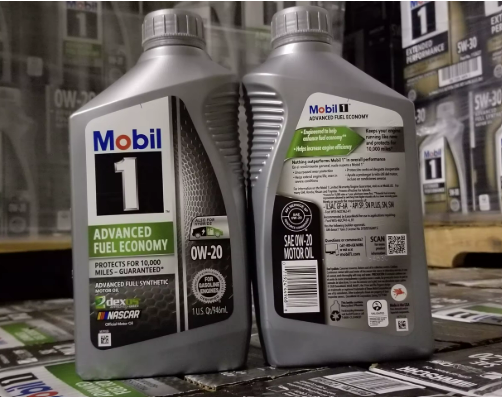
The secret behind Mobil 1 Advanced Fuel Economy is a smart blend of synthetic base oils and high-performance additives. This formula actively controls sludge, resists thermal breakdown, and fights wear. Even after a brutal, sunny Sunday highway drive with the AC blasting, the oil maintains its integrity. It keeps engine components clean and well-lubricated, giving me total peace of mind whenever I hit the road for a long trip.
Advanced Synthetic Base Oils
Synthetic oils aren’t just refined crude; they are engineered. Because of this, they offer incredible thermal stability. During summer heat waves, this oil resists the oxidation that turns cheaper oils into thick, gunky sludge. It stays thin enough to lubricate instantly at startup but stays thick enough to protect when the engine reaches peak operating temperatures. I’ve found it lasts significantly longer between changes compared to the conventional oil I used years ago.
Anti-Wear Additive Technology
The main goal here is protecting the heart of your car.
- Friction Fighters: These additives create a protective film that prevents metal-to-metal contact.
- Shear Strength: A major benefit of this formula is its durability. Some studies suggest that traditional 5W-30 oils are twice as likely to shear out of their protective grade under heavy engine stress compared to the advanced 0W-20 formulas.
- Longevity: By minimizing internal wear, the additives help the engine run like it is new, even as the odometer creeps upward.
Engine Cleanliness Benefits
I’m a bit obsessive about keeping my engine bay clean, and that starts from the inside out.
- Sludge Prevention: The detergent additives act like a scrubbing brush, gently lifting and holding dirt in suspension so it gets caught by the filter.
- Deposit Control: This keeps critical areas, like piston rings, free from carbon buildup.
- Long-Term Health: A cleaner engine is a more efficient engine. When the internal components are free of gunk, the car feels snappier and more responsive, which is a massive plus when I’m merging into fast-moving highway traffic on a busy Monday.
Mobil 1 Synthetic LV ATF HP Review: Does This Transmission Fluid Actually Protect Your Car?
Mobil 1 Advanced Fuel Economy vs Conventional Motor Oil
Compared to standard conventional oils, Mobil 1 Advanced Fuel Economy offers much stronger protection and better resistance to intense heat and oxidation. Conventional oils tend to break down quickly under stress, especially during heavy summer traffic or long holiday drives. Because synthetic oil maintains its viscosity stability for much longer, it provides superior performance and significantly fewer worries about premature engine wear or sludge buildup.
Key Performance Differences
The main difference I’ve noticed is how the oil behaves over time.
- Heat Resistance: Synthetic oil doesn’t thin out or “burn off” as easily as conventional oil when the engine gets hot.
- Sludge Formation: Conventional oil can form sludge deposits, which act like a clog in your engine’s veins. Synthetic options are chemically engineered to stay clean.
- Breakdown Speed: Synthetic molecules are uniform, while conventional molecules vary in size and shape. This uniformity allows the oil to resist breaking down under pressure, meaning you get consistent protection from the moment you start your engine.
Fuel Economy Comparison
When I switched from conventional oil to this synthetic blend, I saw a subtle but real boost in my fuel efficiency.
- The Reality: While you shouldn’t expect to double your mileage, switching to a high-efficiency synthetic often results in a 1% to 3% improvement.
- Consistency: With conventional oil, your MPG might drop slightly as the oil degrades over thousands of miles. Synthetic holds its performance properties, keeping your fuel consumption more consistent throughout the life of the oil change interval.
Maintenance and Oil Change Intervals
One of the best parts about making the switch is the peace of mind regarding maintenance schedules.
- Extended Life: Because synthetic oil is so much more stable, it doesn’t need to be changed as often as conventional oil. Many modern vehicles allow for intervals of 7,500 to 10,000 miles or more when using high-quality synthetics.
- Manufacturer Recommendations: Always check your owner’s manual, but remember that many manufacturers are now basing their recommended change intervals on the use of full synthetic oil. Using conventional oil in an engine designed for synthetic could mean you are overdue for a change without even realizing it.
Which Vehicles Should Use Mobil 1 Advanced Fuel Economy
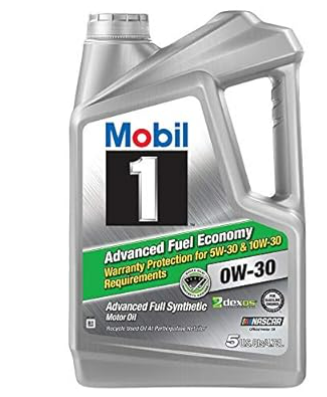
Mobil 1 Advanced Fuel Economy is best suited for modern gasoline engines designed for low-viscosity oil. Many newer vehicles from brands like Toyota, Honda, and Ford specifically recommend 0W-20 synthetic oil for optimal efficiency. If your owner’s manual calls for this specific viscosity, choosing this high-performance synthetic oil is a safe, effective way to help your engine run smoother and last longer on the road.
Ideal Engine Types
When I look at my garage on a Saturday, I think about which car needs what. This oil is tailored for:
- Modern Fuel-Efficient Engines: Engines built with tight tolerances that need thinner, high-flow oil to operate correctly.
- Turbocharged Gasoline Engines: Turbos get incredibly hot, and they need the superior thermal stability of this synthetic formula to prevent oil breakdown.
- Hybrid Vehicles: Since hybrid engines frequently cycle on and off, they need an oil that flows instantly during every single start-up.
Manufacturer Recommendations
It’s always a good idea to check your owner’s manual before you grab a jug of oil off the shelf.
- Specifications: Look for the API (American Petroleum Institute) and ILSAC (International Lubricant Standardization and Approval Committee) symbols on the back of the bottle.
- The “Right” Fit: If your car calls for 0W-20, you aren’t just looking for a brand—you’re looking for a specific grade designed to protect your engine while meeting those strict efficiency standards.
When It May Not Be the Best Choice
As much as I love this oil, there are times when it’s not the right tool for the job:
- Older High-Mileage Engines: If your car is 20 years old and has been running on conventional oil its whole life, switching to a very thin, high-detergent synthetic might reveal hidden leaks that the old “gunk” was actually sealing. In those cases, a specialized High Mileage formula is safer.
- Engines Requiring Thicker Oil: Never use 0W-20 in an engine that requires 5W-30 or 10W-40. Using oil that is too thin for your specific engine design can lead to inadequate lubrication and long-term internal damage.
Real-World Driver Experience Using Mobil 1 Advanced Fuel Economy
Many drivers report smoother engine operation and easier cold starts after switching to Mobil 1 Advanced Fuel Economy. One driver described starting their car on a chilly Saturday morning—the engine turned over quickly and idled quietly. While the actual miles-per-gallon improvement might feel modest, the overall driving experience often becomes much smoother and more responsive during daily commutes.
Common Driver Observations
- Quieter Engine Sound: The superior lubrication reduces the “ticking” or “clatter” often heard in modern direct-injection engines.
- Slight MPG Improvements: By reducing internal drag, you may notice a consistent 1% to 3% gain in fuel efficiency on long highway stretches.
- Smooth Acceleration: When merging into fast traffic, the lack of friction makes the engine feel like it climbs through the rev range more effortlessly.
Long-Term Engine Benefits
I’ve personally noticed that using high-quality synthetic oil keeps things “cleaner” for longer.
- Reduced Wear: Over time, the consistent film of protection prevents micro-scratches on cylinder walls.
- Cleaner Components: You won’t find the same level of varnish or deposit buildup on valve trains compared to using cheaper, conventional oils. This contributes to a more reliable, “like-new” engine feel even as the years pass.
Practical Driving Scenarios
- Daily Commuting: It shines when you are stuck in traffic or performing frequent stop-and-go driving.
- Road Trips: During a long summer holiday drive, the thermal stability means the engine oil isn’t breaking down while you navigate mountain passes or high-heat environments.
- Cold Weather Starts: This is the most noticeable win. In freezing conditions, the oil flows rapidly to critical parts, protecting the engine from the second you turn the key. Because 0W-20 oil reaches the top of the engine faster than a 10W-30 during a cold start, you avoid that nasty “dry start” wear that happens on frosty mornings.
Pros and Cons of Mobil 1 Advanced Fuel Economy
Like any motor oil, Mobil 1 Advanced Fuel Economy has its own set of advantages and specific limitations. It truly excels in squeezing out extra fuel efficiency and providing robust protection for modern engines, but the higher price tag can be a deterrent for some. For many of us who spend a lot of time on the road, the peace of mind provided by cleaner, smoother engine performance is usually well worth the cost.
Pros
- Improved Fuel Economy Potential: By reducing internal engine drag, you can see a 1% to 3% improvement in gas mileage. It’s a small gain, but it adds up significantly on long commutes or annual road trips.
- Strong Engine Protection: The synthetic formula is incredibly stable. Even under heavy stress—like a hot summer afternoon stuck in gridlock—it doesn’t break down or lose its protective properties as easily as conventional oil.
- Excellent Cold-Start Performance: This is where the oil shines during winter. It flows instantly, protecting moving parts from metal-to-metal wear the moment you turn the key, unlike thicker, sluggish oils that take time to circulate.
Cons
- Higher Upfront Cost: You’ll definitely pay more at the register than you would for a standard conventional oil. While the long-term protection and potential fuel savings often offset this, it’s a bigger hit to the wallet during each oil change.
- Not Necessary for All Engines: If you’re driving an older vehicle or an engine that requires thicker viscosity, this oil might not be the right fit. Always stick to your owner’s manual—if your car isn’t designed for low-viscosity oil, using this won’t necessarily help and could even lead to issues.
- Misconceptions About “Miracles”: It’s important to stay realistic. While this oil is engineered for efficiency, it won’t fix an already damaged or neglected engine. It’s a tool for maintenance and protection, not a magic cure for mechanical wear.
How to Choose the Right Mobil 1 Advanced Fuel Economy Oil Grade
Choosing the correct viscosity grade is critical when using Mobil 1 Advanced Fuel Economy. You should always follow your vehicle’s owner manual recommendations. Most modern, high-efficiency engines specify 0W-20 motor oil to keep internal drag at a minimum, while some older or slightly larger designs may allow 0W-30 oil depending on your specific climate and engine requirements.
Understanding Oil Grades
The numbers on the bottle aren’t just random—they tell a story about how the oil behaves.
- The “0W”: The “W” stands for winter. The “0” indicates that this oil flows exceptionally well even in sub-zero temperatures. It ensures your engine gets lubricated instantly during a frosty, early-morning start.
- The “20” or “30”: This represents the oil’s thickness at operating temperatures. A 20-grade oil is thinner, which helps reduce drag for better fuel efficiency, while a 30-grade offers a slightly thicker film for extra protection under high-heat stress.
Climate and Driving Conditions
Where you live and how you drive should influence your choice:
- Cold Climates: If you live where snow is a frequent visitor, the 0W-20 grade is a game changer. Its ability to remain fluid in the freezing cold prevents that harsh grinding noise you sometimes hear when starting a car on a bitter winter day.
- Hot Climates: In extreme heat, you might worry if the oil is “too thin.” However, because this is a high-performance synthetic, its molecular structure is designed to handle intense summer road trips without breaking down.
- Mixed Driving Patterns: If you do a mix of highway cruising and city stop-and-go, the 0W-30 grade can sometimes provide a nice middle-ground of protection, provided your manufacturer says it’s okay. Always check that manual first; it’s the final word on what your specific engine needs to stay happy.
How to Change Your Oil Using Mobil 1 Advanced Fuel Economy
Switching to Mobil 1 Advanced Fuel Economy during an oil change is surprisingly straightforward. For me, it has become a relaxing weekend routine—a bit of coffee in the garage, some music playing, and the hood open. The process involves draining the old oil, replacing the filter, and filling the engine with fresh synthetic oil. It is a satisfying way to know exactly what is protecting your engine.
Tools and Supplies Needed
Before you get started, make sure you have everything ready so you aren’t scrambling mid-process:
- Oil Filter: Always match this to your specific vehicle model.
- Drain Pan: To catch the old, used oil.
- Socket Wrench: For the oil drain plug.
- Funnel: To prevent spills when pouring in the new, clean oil.
- Fresh Oil: Check your manual for the exact number of quarts required.
Step-by-Step Oil Change Process
- Warm It Up: Run the engine for a few minutes so the oil flows out easily.
- Drain the Old Oil: Carefully remove the drain plug and let the old oil empty into the pan.
- Replace the Filter: Unscrew the old filter, lightly lubricate the gasket on the new one, and twist it on until it is snug.
- Add New Oil: Use your funnel to add the precise amount of Mobil 1 Advanced Fuel Economy.
- Check the Level: Start the engine, let it idle, check for leaks, and then use the dipstick to ensure the level is perfect.
Common Mistakes to Avoid
Even if you have done this a dozen times, it is easy to slip up:
- Overfilling the Engine: Too much oil can cause aeration, where the oil becomes foamy and loses its protective qualities.
- Using the Wrong Viscosity: Double-check that bottle. Using 0W-20 when your engine calls for 0W-30 can impact your fuel efficiency and engine protection.
- Forgetting the Gasket: Always make sure the old rubber filter gasket came off with the old filter; double-gasketing is a messy recipe for a major leak!
Frequently Asked Questions About Mobil 1 Advanced Fuel Economy
Drivers often have practical questions about Mobil 1 Advanced Fuel Economy—from fuel savings to compatibility with older engines. While the oil is designed mainly for modern engines, its high-quality synthetic formula offers protection in many situations when used according to manufacturer recommendations.
Does It Really Improve MPG?
Yes, it can. Because the low-viscosity formula reduces internal engine drag, most drivers see a modest 1% to 3% improvement in fuel economy compared to standard oils.
Is It Safe for High-Mileage Vehicles?
It depends. While the oil is safe for the engine, it is very thin. If your high-mileage engine has worn seals, the thinner oil might reveal small leaks that thicker conventional oils were previously masking.
How Often Should You Change It?
You should follow your vehicle manufacturer’s oil change interval. Because it is a high-quality synthetic, it is often rated for extended drain intervals, sometimes ranging from 7,500 to 15,000 miles depending on your car’s specific requirements.
Can You Mix It With Other Oils?
Yes, you can, but it is not recommended. Mixing it with conventional oil will dilute the performance benefits and likely reduce the protection and fuel economy gains that the synthetic formula is specifically designed to provide.