
How Many Miles Before Oil Turns To Sludge?
Most modern engine oils can go 5,000 to 7,500 miles before there’s a serious risk of turning into sludge—if oil changes happen on schedule and the engine runs under normal conditions. However, if oil changes are delayed or the engine faces harsh conditions, sludge can start forming as early as 3,000 miles. Regular maintenance is the key to preventing oil from degrading into sludge.
What Is Oil Sludge And Why Does It Matter?
Oil sludge is a thick, dark gel that forms when engine oil breaks down and mixes with contaminants. This sludge sticks to engine parts, blocking passages, reducing lubrication, and making engines run hotter. Over time, sludge can cause severe engine damage, high repair bills, and even engine failure.
Oil sludge matters because it:
- Reduces lubrication: Metal parts rub together, causing wear.
- Blocks oil flow: Critical parts may not get enough oil.
- Raises engine temperature: Sludge traps heat, increasing the risk of overheating.
- Decreases engine life: Continuous sludge buildup can destroy an engine.
Even small amounts of sludge reduce engine performance and fuel efficiency. That’s why understanding how long oil lasts before it turns to sludge is so important for every car owner.
How Many Miles Before Oil Turns To Sludge? (direct Answer)
Under normal driving and regular oil changes, oil usually does not turn to sludge before 5,000 to 7,500 miles. Most automakers recommend changing oil within this range. But if oil changes are delayed, or if you drive in harsh conditions (like frequent short trips, stop-and-go traffic, or extreme heat), sludge can start forming much sooner—sometimes at 3,000 miles or less.
The main factors that affect when oil turns to sludge are:
- Driving habits: Short trips, heavy traffic, and idling speed up sludge formation.
- Oil type and quality: Synthetic oils resist sludge longer than conventional oils.
- Engine condition: Older engines or those with leaks build sludge faster.
- Maintenance schedule: Skipping oil changes is the fastest way to create sludge.
Changing oil on time and choosing the right oil for your car are the best ways to prevent sludge, no matter how many miles you drive.
What Causes Oil To Turn Into Sludge?
Oil doesn’t just turn into sludge by itself—it’s a process involving chemical changes, contaminants, and heat.
- Oxidation: When oil reacts with oxygen at high temperatures, it breaks down and thickens.
- Contamination: Dirt, fuel, water, and metal particles mix with oil.
- Additive depletion: Modern oils contain additives to keep engines clean. Over time, these additives wear out.
- Excessive heat: High temperatures speed up all these processes.
- Moisture: Short trips that don’t let engines reach full temperature cause water to build up, leading to sludge.
Letting any of these factors go unchecked will turn good oil into thick, sticky sludge much faster.
How Oil Type And Quality Affect Sludge Formation
Not all oils are equal when it comes to sludge prevention. Two main types are conventional and synthetic oils.
| Oil Type | Sludge Resistance | Typical Change Interval |
|---|---|---|
| Conventional | Lower | 3,000–5,000 miles |
| Synthetic Blend | Moderate | 5,000–7,000 miles |
| Full Synthetic | High | 7,500–10,000 miles |
Synthetic oils are engineered to resist breakdown and sludge formation. They’re especially helpful for engines that run hot, tow heavy loads, or often drive in stop-and-go traffic. Conventional oils break down faster, especially in harsh conditions.
Oil quality also matters. Cheap, low-quality oils often lack the detergents and additives that keep engines clean. Always check your owner’s manual and use oil that meets the manufacturer’s specifications.
How to Remove Oil Sludge from Engine Without Removing It – 4 Easy Steps to Clean Your Engine
Driving Habits And Their Impact
How you drive can be as important as which oil you use. Short trips, where the engine doesn’t fully warm up, leave moisture and fuel in the oil. This creates the perfect conditions for sludge. Stop-and-go driving in traffic, frequent idling, and heavy towing also speed up oil breakdown.
Here’s how different driving habits affect oil life:
| Driving Habit | Impact on Oil | Sludge Risk |
|---|---|---|
| Frequent Short Trips | Oil doesn’t reach full temperature | High |
| Highway Driving | Oil stays warm and circulates well | Low |
| Heavy Towing/Hauling | Oil runs hotter | Moderate–High |
| Idling in Traffic | Poor circulation, high heat | High |
If you mostly drive short distances or spend a lot of time in traffic, it’s wise to change your oil more often—sometimes every 3,000 miles—even if the oil looks clean.
Recognizing Early Signs Of Oil Sludge
Spotting sludge early can save your engine. Look for these warning signs:
- Oil warning light: This can mean oil isn’t flowing properly.
- Ticking or knocking sounds: Sludge can block oil passages, making the engine noisy.
- Dark, thick oil on dipstick: Normal oil should be amber or brown, not black and sticky.
- Poor engine performance: Sludge reduces power and efficiency.
- Check engine light: Some cars sense oil pressure or flow problems.
If you see these signs, don’t ignore them. Get your oil checked and changed as soon as possible.
How Delayed Oil Changes Lead To Sludge
Delaying oil changes is the most common cause of sludge. Over time, oil fills with contaminants and loses its ability to lubricate and clean. Even if the oil “looks fine” on the dipstick, it may be full of acids and debris.
Here’s what happens when oil changes are missed:
- 3,000–5,000 miles overdue: Oil starts to thicken, detergents break down.
- 5,000–10,000 miles overdue: Additives are depleted, sludge begins forming.
- 10,000+ miles overdue: Sludge becomes severe, blocking passages and possibly damaging the engine.
Some modern cars have oil-life monitors that track driving conditions and alert you when it’s time to change oil. But these systems aren’t perfect—if your car doesn’t have one, stick to the schedule in your owner’s manual.
Can Engine Design And Age Affect Sludge?
Yes—some engines are more prone to sludge, especially older models or those known for tight oil passages. Toyota and Volkswagen had engines in the early 2000s that were especially sensitive to sludge if oil changes were missed.
Newer engines are designed to run hotter and use less oil, which helps fuel efficiency but increases sludge risk if maintenance is ignored. Older engines may have worn seals, letting fuel or coolant mix with the oil—another fast track to sludge.
If you own a car with a known sludge-prone engine, be extra careful with oil changes and consider using high-quality synthetic oil.

What Are The Risks Of Driving With Sludge?
Driving with oil sludge is risky. The thick sludge blocks oil passages, causing metal parts to rub together with little or no lubrication. This leads to:
- Seized engine: The engine can lock up and stop running, often with little warning.
- Expensive repairs: Fixing sludge damage can cost thousands of dollars, sometimes more than the car is worth.
- Sudden breakdowns: Sludge can cause your car to stall or fail to start.
- Lower resale value: Sludged engines are hard to sell or trade in.
In severe cases, the only fix is a full engine rebuild or replacement. Preventing sludge is much cheaper and easier than fixing it.
How To Prevent Oil From Turning Into Sludge
Prevention is simple with the right habits:
- Follow the recommended oil change interval in your owner’s manual.
- Use high-quality oil that meets your engine’s specifications—synthetic oil is best for most modern cars.
- Change the oil filter with every oil change, since old filters trap less dirt.
- Check oil levels regularly—low oil increases sludge risk.
- Fix leaks quickly—coolant or fuel leaks mix with oil and speed up sludge.
- Drive long enough for the engine to fully warm up at least once a week.
- Avoid repeated short trips if possible.
Don’t trust the “lifetime oil” myth—no oil lasts forever. Even the best synthetic oils need changing eventually.
How To Clean Or Fix Sludge If It’s Already Formed
If you suspect sludge, act fast. Mild sludge can sometimes be removed with frequent oil changes using a high-detergent oil or a special engine flush. In more severe cases, a mechanic may need to remove the valve cover or oil pan and clean the engine by hand.
DIY steps for mild sludge:
- Use a premium synthetic oil with high detergent levels.
- Change the oil and filter every 1,000–2,000 miles for 2–3 cycles.
- Consider using a gentle engine flush product (follow directions carefully).
For heavy sludge, or if your engine is making noise, see a professional. Don’t use harsh chemicals—they can loosen chunks of sludge that clog passages and cause more damage.
The Role Of Oil Change Intervals And Monitoring Systems
Modern cars sometimes have oil life monitoring systems that calculate when to change oil based on engine conditions, temperature, and driving habits. These systems are usually reliable, but they can’t detect sludge directly—only estimate oil life.
Always use these systems as a guide, but never ignore unusual noises, warning lights, or other signs of trouble. For cars without oil monitors, stick to the 5,000–7,500 mile interval unless your driving conditions are severe.
If in doubt, changing oil a little early is far cheaper than repairing sludge damage.

Examples: How Sludge Forms In Different Cars
Let’s look at two real-world examples.
- Toyota Camry (early 2000s models): These engines had narrow oil passages and ran hot. Owners who skipped even one oil change often saw sludge at 40,000–60,000 miles. Regular synthetic oil changes prevented almost all problems.
- Modern Honda Accord: With regular maintenance and synthetic oil, these engines rarely see sludge, even after 150,000 miles.
The main lesson: follow your owner’s manual, use good oil, and don’t miss changes.
Why Synthetic Oil Lasts Longer
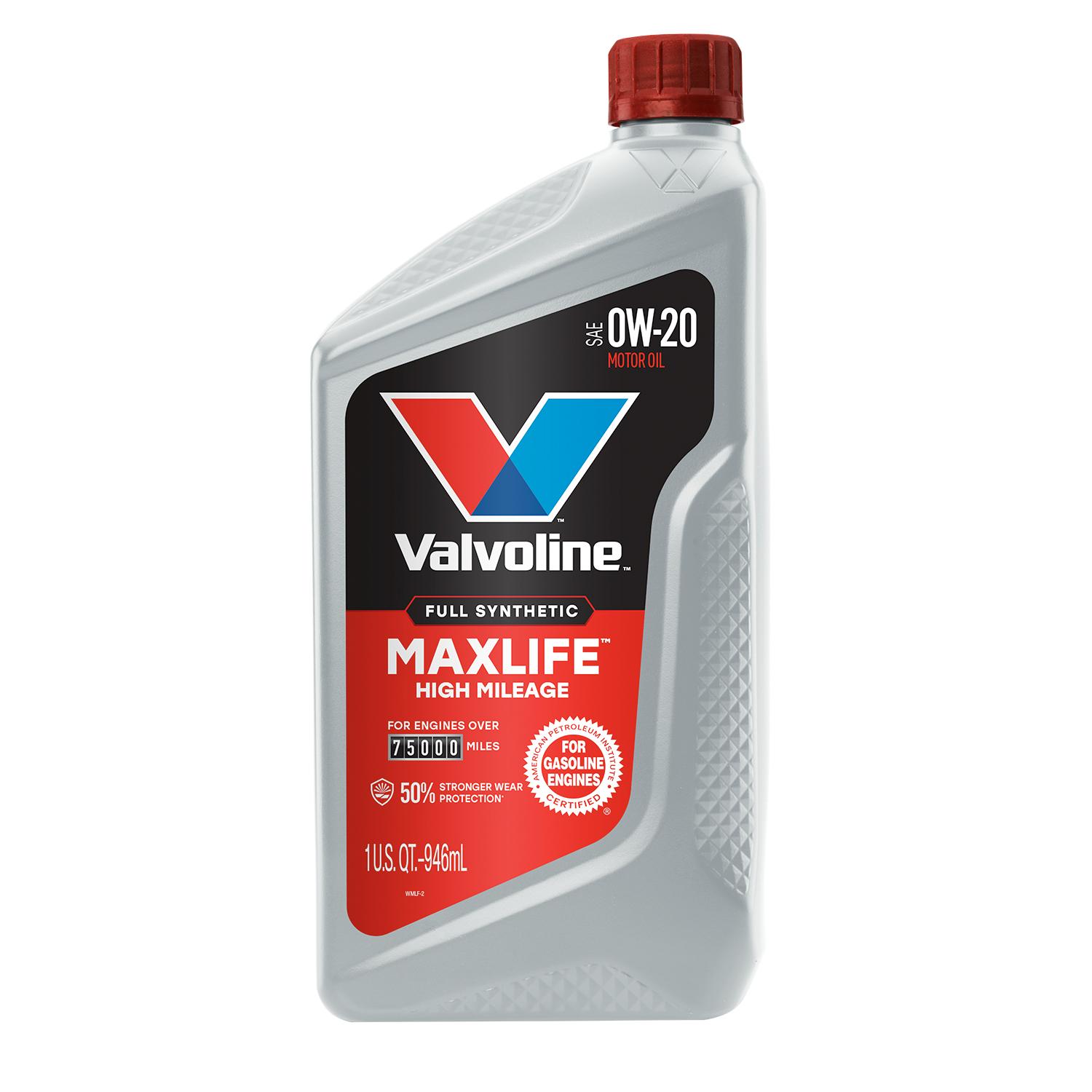
Synthetic oil is engineered to resist heat, oxidation, and contamination much better than conventional oil. It contains more detergents and stabilizers, which keep engines cleaner.
Benefits of synthetic oil:
- Resists breakdown at high temperatures
- Keeps particles in suspension (so the filter can catch them)
- Lasts up to 10,000 miles (sometimes more, depending on the car)
- Protects in extreme hot or cold weather
For most modern engines, synthetic oil is worth the extra cost for better protection against sludge.
Common Mistakes That Lead To Early Sludge
Many car owners make simple mistakes that speed up sludge formation:
- Trusting appearance: Oil can look clean but be chemically worn out.
- Using the wrong oil: Thicker or cheaper oil than specified can increase sludge.
- Ignoring leaks: Small coolant or fuel leaks quickly turn oil to sludge.
- Delaying oil changes: Even a few thousand miles over can make a difference.
- Skipping oil filter changes: Old filters let dirt circulate.
Avoid these mistakes and you’ll greatly reduce your risk of sludge.
How Weather And Climate Affect Sludge
Extreme temperatures increase sludge risk. Hot climates cause faster oil breakdown; cold climates create condensation, especially with short trips. If you live in a place with harsh summers or cold winters, change your oil more often and always use the grade recommended for your climate.
The True Cost Of Oil Sludge
Sludge is not just a nuisance—it’s expensive. Engine repairs for sludge often cost $1,500 to $5,000 or more. In some cases, the only option is a full engine replacement.
Here’s a rough breakdown:
| Problem | Estimated Cost | Prevention |
|---|---|---|
| Engine Flush (mild sludge) | $100–$300 | Frequent oil changes |
| Manual Cleaning (moderate sludge) | $500–$1,500 | High-quality oil, short intervals |
| Engine Replacement | $3,000–$7,000 | Stick to manufacturer’s schedule |
The small cost of regular oil changes—usually $30–$100—saves thousands in the long run.
Two Non-obvious Insights About Oil Sludge
- Modern engines with turbochargers or direct injection are more sensitive to oil condition. These designs run hotter and can form sludge faster if oil isn’t changed on time—even when using synthetic oil. Always follow the severe service schedule for these engines.
- Sludge doesn’t always show symptoms until it’s too late. By the time you hear noises or see warning lights, serious damage may have already occurred. Prevention is truly the only reliable solution.
Frequently Asked Questions
How Can I Tell If My Engine Already Has Sludge?
Check the oil under the oil cap or on the dipstick. Sludge looks like thick, black, sticky gel. If you see it, or if your oil is unusually dark and sticky, have a mechanic check your engine immediately.
Does Synthetic Oil Guarantee No Sludge?
No oil can guarantee zero sludge, but synthetic oil resists breakdown and sludge much better than conventional oil. Regular oil changes are still necessary, even with synthetic.
What Is The Best Oil For Preventing Sludge In Older Cars?
High-quality synthetic oil or a synthetic blend with strong detergents works best for older engines, especially those with sludge history. Always choose oil that matches your car’s specifications.
Should I Use An Engine Flush To Remove Sludge?
Mild sludge can sometimes be cleaned with a gentle engine flush, but always follow manufacturer advice. For heavy sludge, professional cleaning is safest—flushing can sometimes loosen large chunks that block passages.
Where Can I Find More Information About Oil Sludge And Maintenance?
For more detailed technical information, visit the Wikipedia Oil Sludge page. It offers in-depth explanations and links to research.
Taking care of your engine oil is one of the best ways to protect your car and your wallet. Don’t wait until you see sludge—make oil changes a habit, and your engine will thank you with years of reliable service.