
Can I Mix Castrol And Mobil 1?
Yes, you can mix Castrol and Mobil 1 motor oils if you need to top up your engine oil. Both are high-quality brands and, in emergencies, mixing them will not harm your engine right away. However, it’s best to stick with one brand and type for optimal performance and protection. Mixing is safe for short-term use, but your car will benefit most from using a single, consistent oil type.
Why People Mix Motor Oils
Mixing motor oils happens for a few reasons. Sometimes, you might only have a little of one brand left, or you’re away from your usual oil. Maybe you’re trying to save money or you’re in a pinch and need to top up quickly.
Whatever the reason, it’s a common situation for car owners. The good news is, modern motor oils are made to be compatible with each other in most cases.
What Actually Happens When You Mix Castrol And Mobil 1?
When you pour Castrol into an engine that already has Mobil 1 in it (or vice versa), the oils blend together. Both brands are built to meet industry standards, so their base oils and additives are generally compatible. Your engine will run normally and won’t show any problems right away. Most drivers who’ve mixed these oils notice no changes in how their car runs, starts, or sounds.
But there are a few things to keep in mind:
- The mix may not deliver the maximum benefits promised by either brand.
- Additives from both oils can interact, sometimes reducing their effectiveness.
- If you mix different viscosities (like 5W-30 and 10W-40), your oil’s thickness can change.
Credit: www.reddit.com
Comparing Castrol And Mobil 1: Are They Really That Different?
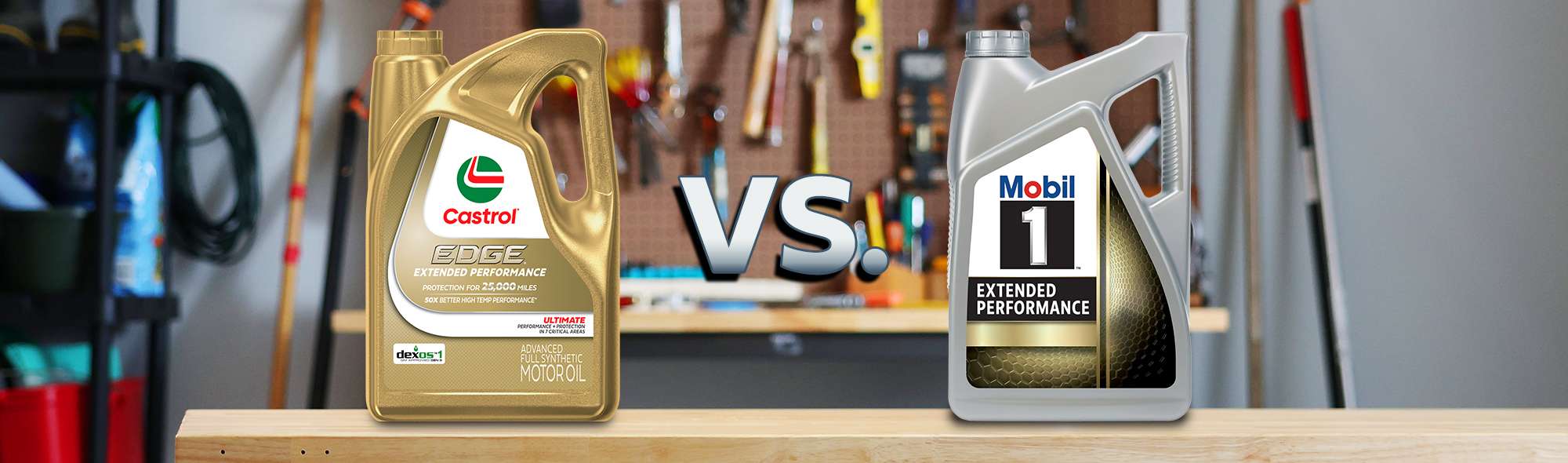
Both Castrol and Mobil 1 are popular for a reason. They’re trusted by millions, used by mechanics, and approved by car manufacturers worldwide. But let’s look at what makes them similar and what sets them apart.
| Feature | Castrol EDGE 5W-30 | Mobil 1 5W-30 |
|---|---|---|
| Type | Full Synthetic | Full Synthetic |
| API Rating | SP, SN Plus, SN | SP, SN Plus, SN |
| Recommended Change Interval | Up to 15,000 miles | Up to 15,000 miles |
| Main Strength | Strong under pressure | Excellent high-temp protection |
As you can see, both oils offer similar protections and certifications. In everyday driving, most people won’t feel a difference. But their unique formulas are designed to work best on their own.
The Science Behind Mixing Synthetic Oils
Synthetic oils, like Castrol EDGE and Mobil 1, are made from high-quality base oils with special additives. These additives fight sludge, protect against wear, and help your engine stay clean. When you mix oils, their additive packs blend together. Usually, this is not a problem because oil companies follow industry rules set by groups like the American Petroleum Institute (API).
Still, each oil maker uses a unique recipe. If you mix, you might not get the full cleaning or protection promised by either brand. For example, Mobil 1’s “Triple Action Formula” could work differently with Castrol’s “Fluid Titanium Technology. ” The result?
You get a blend that’s safe, but not perfect.
Mobil 1 Extended Performance High Mileage 0W-20 — Real-World Review & Buyer Guide
When Is Mixing Castrol And Mobil 1 Safe?
Mixing is safe if you:
- Top up in an emergency and plan to do a full oil change soon.
- Mix the same viscosity (for example, both 5W-30).
- Use both oils that are either fully synthetic or conventional (not one of each).
Mixing is less safe if:
- You mix synthetic with conventional oil (performance drops).
- You mix different viscosities (oil may be too thick or too thin at certain temperatures).
- Your engine is under warranty and the carmaker requires a specific oil.
Real-life Example: Mixing In An Emergency
Imagine you’re on a road trip, and you notice your oil is low. The only oil at the gas station is Mobil 1, but you usually use Castrol. You add the Mobil 1 to your engine. Your car will run just fine for the rest of your trip. But when you get home, it’s smart to change your oil and use only one type for the best results.
Will Mixing Affect Your Car’s Warranty?
Most carmakers say you must use oil that meets certain specs, like API SP or ILSAC GF-6. Both Castrol and Mobil 1 usually meet these. But if your car’s manual says to use a specific brand and you mix oils, you could have trouble with a warranty claim if something goes wrong. Always check your manual and keep receipts for the oil you use.
What About Oil Additives? Do They Clash?
Oil additives are like vitamins for your engine. They clean, protect, and help oil do its job. Each oil brand uses its own mix. When you combine them, the additives usually won’t fight each other, but sometimes they can “dilute” each other’s effects.
For example, one oil may have extra cleaning power, while the other is strong against wear. Mixing could mean you get less of both strengths.
Credit: www.castrol.com
Common Myths About Mixing Motor Oils
There’s a lot of confusion about mixing motor oils. Let’s clear some things up:
- Myth: Mixing brands will cause sludge or engine damage.
Fact: Modern oils are compatible and won’t harm your engine short-term.
- Myth: Synthetic and conventional oils can’t be mixed at all.
Fact: They can mix, but you lose some benefits of synthetic oil.
- Myth: Oil will “gel” or separate.
Fact: This is very rare with today’s oils.
Mobil 1 ESP 5W-30 Review – Why It’s a Best Choice for Modern Engines
Pros And Cons Of Mixing Castrol And Mobil 1
Mixing oils is not ideal, but sometimes it’s necessary. Here’s a quick look at the pros and cons.
| Pros | Cons |
|---|---|
| Safe for emergencies | Additives may be less effective |
| Both meet industry standards | May affect warranty if brand is specified |
| Won’t cause engine damage short-term | Performance may not be optimal |
How To Mix Castrol And Mobil 1 Safely
If you must mix, do it right. Here are steps for safe mixing:
- Check viscosity: Use the same viscosity (like 5W-30).
- Stay synthetic or conventional: Don’t mix synthetic with non-synthetic if possible.
- Add slowly: Pour in small amounts and check your oil level.
- Monitor your engine: Listen for odd noises or check for leaks.
- Plan an oil change: Switch back to one brand and type as soon as you can.
What Viscosity Means When Mixing Motor Oils
Viscosity shows how thick or thin oil is at different temperatures. Mixing 5W-30 with 10W-40 makes a blend with unpredictable thickness. Engines are designed for a specific viscosity. The wrong mix can make your engine work harder, especially in hot or cold weather.
For best results, always use the viscosity recommended in your car’s manual. If you have to mix, try to use oils with the same viscosity.
Credit: heavyvehicleinspection.com
How Long Can You Drive After Mixing Oils?
If you mix Castrol and Mobil 1, you can drive your car as usual. However, it’s smart to do a full oil change within a few weeks or a couple thousand miles. This way, your engine enjoys the full benefit of a single, high-quality oil.
Long-term mixing isn’t recommended because you lose out on each oil’s best features.
How Often Do Drivers Mix Motor Oils?
Mixing oils is not rare. In a survey by a major auto parts chain, about 1 in 5 drivers said they had mixed brands when topping up oil. Most reported no engine problems afterward. However, mechanics often recommend switching back to one brand at your next oil change for best results.
Does Mixing Oils Affect Oil Life?
Modern synthetic oils like Mobil 1 and Castrol EDGE are designed to last up to 15,000 miles or more. But if you mix, the oil’s life may be a little shorter because the additives are not balanced. You should still follow the oil change schedule in your owner’s manual, or change earlier if you drive in tough conditions.
What Do Car Experts And Mechanics Say?
Most mechanics agree: Mixing Castrol and Mobil 1 won’t hurt your engine in the short term. But, they all say the same thing—switch back to just one brand and viscosity at your next oil change. This keeps your engine healthy and gives you the protection you paid for.
Car experts also point out that mixing can be helpful in emergencies, but shouldn’t be a regular habit. If you’re unsure, ask your mechanic for advice.
Castrol Vs. Mobil 1: Performance, Price, And Popularity
Let’s compare these oils in three key areas: performance, price, and popularity.
| Category | Castrol | Mobil 1 |
|---|---|---|
| Performance | Strong under pressure, good for turbo engines | Excellent in extreme temperatures, trusted in racing |
| Price (per quart) | $7–$10 | $8–$12 |
| Popularity | Widely used in Europe and Asia | Very popular in the US |
Both oils are high quality, but Mobil 1 often costs a little more. Castrol is a top choice for many European cars, while Mobil 1 is famous for its performance in racing and high-stress driving.
Non-obvious Insights Most Drivers Miss
1. Additive Compatibility Isn’t Guaranteed:
While most modern oils are compatible, there’s no guarantee all additives play well together. Some additives can “cancel out” others, which might reduce cleaning or anti-wear benefits over time.
2. Older Engines May Be Sensitive:
If your car is over 15 years old, mixing oils can sometimes lead to leaks or burning oil. Older seals may not react well to a sudden change in oil chemistry.
3. Dealer Service Records:
If your car is serviced at a dealership, mixing oils could complicate service records. Some dealers keep detailed notes about the oil used, and mixing brands might raise questions during resale or warranty claims.
What Should You Do If You Accidentally Mix Castrol And Mobil 1?
Don’t panic. Your car will be fine. Just keep an eye on your oil level and engine performance. If you notice anything strange (like knocking, overheating, or warning lights), get an oil change soon. If everything seems normal, plan to switch back to your preferred oil at your next scheduled change.
When You Should Not Mix Motor Oils
There are times when you should avoid mixing:
- If your car has a turbocharged or high-performance engine and the manufacturer recommends one specific oil.
- When your car is under a strict factory warranty that requires a certain brand.
- If you’re using racing oil or a special synthetic blend for extreme conditions.
- In vehicles with oil sensors that track quality and need reset with each oil change.
Practical Tips For Oil Changes And Top-ups
- Keep a spare quart of your regular oil in your trunk.
- Read your owner’s manual to know the exact oil type and viscosity.
- Buy quality oil from trusted stores to avoid fakes.
- Change your oil filter with every oil change for the best protection.
- Record every oil change in your maintenance log.
Environmental Considerations
Mixing small amounts of different oils won’t harm the environment. However, always dispose of used oil properly. Never pour it down the drain or on the ground. Most auto shops accept used oil for recycling.
Where To Find More Information
For more on oil compatibility and standards, check the American Petroleum Institute’s website:
api Engine Oil Guide
Frequently Asked Questions
Can I Mix Different Viscosities Of Castrol And Mobil 1?
It’s possible, but not recommended. Mixing viscosities like 5W-30 and 10W-40 can change the oil’s thickness. This may affect your engine’s protection, especially in extreme weather. Always try to match the viscosity in your owner’s manual.
Will Mixing Castrol And Mobil 1 Void My Car’s Warranty?
Usually, no—if both oils meet the specs listed in your car’s manual. But if your warranty requires a specific brand or type, mixing could be a problem. Always keep your receipts and check with your dealer if you’re unsure.
Can Mixing Oils Cause Engine Damage?
Short-term, mixing Castrol and Mobil 1 will not damage your engine. Over time, using one consistent oil is best for protection. Watch for unusual noises or performance drops and change your oil as soon as possible.
Is It Okay To Mix Synthetic And Conventional Oil?
You can mix them, but you’ll lose some benefits of full synthetic oil, like better cleaning and protection. Stick to one type whenever possible for best results.
How Soon Should I Change My Oil After Mixing Brands?
Try to change your oil within a few weeks or 1,000–2,000 miles after mixing. This ensures your engine gets full protection from a single, high-quality oil.
Mixing Castrol and Mobil 1 isn’t ideal, but it’s safe for your engine in most cases. Stick with one brand for the long haul, and your car will thank you with smoother, longer-lasting performance.