
What is the Right Engine Oil for Your Car, Really?
The right engine oil is the specific blend that matches your engine design, local climate, and daily driving habits. It isn’t just whatever is on sale at the shop on a Saturday morning. I learned this the hard way during a scorching summer road trip when my engine began to groan and vibrate. Using the correct oil keeps parts cool, cuts friction by up to 20%, and ensures your car runs quietly.
What Engine Oil Actually Does Inside Your Car
I used to think oil was just “car juice,” but it’s actually a hardworking multitasker. When I’m cruising down the highway, that liquid is busy performing four vital jobs:
- Slicks everything up: It coats moving parts to stop metal from grinding against metal.
- Beats the heat: It carries warmth away from the hottest parts of the engine.
- Cleans as it goes: It picks up tiny bits of dirt so they don’t turn into thick sludge.
- Saves you money: Reducing friction can boost your fuel efficiency by about 2% to 3% over time.
Why Using the Wrong Oil Causes Problems
Mistakes happen, but using the wrong “viscosity” or type can be a pricey lesson. One winter, I used oil that was way too thick. My car sounded like a blender full of rocks when I tried to start it on a Tuesday morning. Here is what happens when the oil doesn’t fit:
- Fast wear and tear: Parts rub together and wear out much quicker.
- Bad starts: In cold weather, thick oil won’t flow, leaving your engine unprotected for those first few seconds.
- Gas guzzling: Your engine has to work harder to push through thick oil, which kills your MPG.
- Heat damage: If the oil is too thin, it can’t protect parts from melting under high heat.
7 Best Diesel Engine Oil for Maximum Performance: Expert Buying & Tested Guide
How Do You Find the Manufacturer-Recommended Engine Oil?
The most reliable way to find the right oil is to check your owner’s manual. It might feel a bit old-school, but that little book is gold. I usually keep mine in the glove box and flip through it while I’m waiting for my coffee at a fuel stop. Since car makers spend millions of dollars testing their engines, following their exact specs is the best way to keep your warranty safe and your engine happy.
Where to Look for the Correct Oil Specs
If you’ve lost your manual down the side of the seat, don’t panic. I’ve found these three spots are the fastest ways to get the truth:
- The Owner’s Manual: This is the “Bible” for your car. Look for the “Specifications” or “Maintenance” section.
- The Oil Cap: Pop the hood! Most modern cars have the required grade (like 5W-30) printed right on the cap where you pour the oil.
- Official Websites: You can search the manufacturer’s site with your VIN number to get the exact match.
What Information You Need From the Manual
When I’m standing in the store aisle looking at fifty different bottles, I look for three specific things to make sure I don’t grab the wrong one:
- Viscosity Grade: This is the big number like 5W-20 or 10W-30. It tells you how thick the oil is.
- Oil Type: Does your car need full synthetic, a blend, or just standard conventional oil?
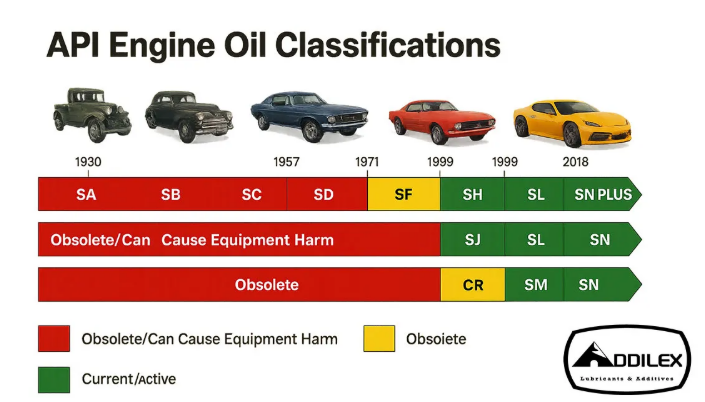
- Service Standards: Look for codes like API SP or ACEA C3. These are like “grade levels” that prove the oil passed tough industry tests.
What Does Engine Oil Viscosity Mean (and Why Should You Care)?
Engine oil viscosity is simply a measure of how easily your oil flows at specific temperatures. Think of it like honey: it’s thick and slow on a cold winter morning but runny on a warm day. Getting this right is vital because the correct viscosity ensures your engine starts smoothly and stays safe. I once used oil that was too thick during a chilly work week, and my car groaned with every turn of the key.
How to Read Viscosity Numbers (Like 5W-30)
I used to stare at those bottles in the shop feeling totally lost. Once I learned the “code,” it felt like I had a car superpower. Here is the simple breakdown of those numbers:
- The “5W” part: The “W” stands for Winter. This number tells you how the oil flows when you first start your car on a cold day. A lower number, like 0W or 5W, means it stays thin enough to move fast when it is freezing outside.
- The “30” part: This tells you the thickness at high heat. When I am cruising on the highway, my engine gets very hot. This number ensures the oil doesn’t get too thin to protect the metal parts.
Choosing Viscosity Based on Climate
Your local weather dictates your oil choice more than you might think. I live in a place where the seasons shift wildly, so I’ve had to adapt:
- Cold Climates: If you wake up to frost, you want a 0W or 5W. It prevents that scary “dry start” sound.
- Hot Climates: In the desert or during a peak summer holiday, a 40 or 50 grade helps the oil stay thick enough to coat engine parts.
- The Sweet Spot: Most of us do well with 5W-30. It’s a great “all-rounder” for moderate days and standard trips.
Should You Choose Synthetic, Semi-Synthetic, or Conventional Oil?
Most modern cars perform best with synthetic oil because it handles extreme heat and cold much better than older types. I switched to full synthetic before a long holiday drive last year, and the engine felt noticeably quieter and smoother. While synthetic costs more upfront, it lasts longer and keeps your engine cleaner. Conventional oil is still okay for older cars or if you are on a very tight budget.
Synthetic vs. Conventional Oil Differences
When I looked at the data, the choice became clear. Synthetic oil is engineered in a lab to be “perfect,” while conventional is just refined crude oil.
- Synthetic Oil: It can last up to 15,000 km, resists sludge, and flows better in the cold. It’s pricey, but it’s a long-term win.
- Conventional Oil: It’s cheaper but needs a change every 5,000 km. It’s basically the “budget” pick for older engines.
- Semi-Synthetic: This is a blend of both. It offers a nice boost in protection without the high price tag of full synthetic.
When Each Type Makes Sense
I’ve used all three types over the years depending on what I was driving and where I was going:
- Daily Commuting: Go with Synthetic. It handles the “stop and go” stress of city life perfectly.
- Older Vehicles: Use Conventional or Semi-Synthetic. Older seals can sometimes leak if you switch to a very thin synthetic too late in the car’s life.
- Heavy Driving: If you are towing a trailer or taking a massive road trip, Synthetic is the only way to go. It won’t break down when the engine gets pushed to its limit.
5 Best Engine Oil for Toyota Corolla — Tested, Ranked, and Recommended
How Do Driving Habits Affect Your Engine Oil Choice?
Your driving style impacts oil life more than you might think. Short city trips, like quick grocery runs on a Sunday afternoon, are actually harder on your engine than long highway cruises. This is because short trips don’t let the oil reach its ideal temperature to burn off moisture. Frequent stop-and-go traffic also builds up heat and contaminants quickly. To protect your car, choose a high-quality oil that matches how you truly drive.
Driving Conditions That Require Better Oil
I used to think my gentle city driving was “easy” on my car. I was wrong! I noticed my oil looked dark and gritty much sooner than expected. Here are the conditions that actually demand a tougher, high-grade oil:
- Short Hops: Trips under 10 kilometers don’t get the oil hot enough to work perfectly.
- Heavy Traffic: Idling in a morning jam creates a lot of soot and heat.
- Towing Loads: If you pull a trailer on your summer holiday, your oil works 30% harder to keep things cool.
- Extreme Weather: Driving in freezing snow or blistering heat thins out or thickens oil too much.
Adjusting Oil Choice to Your Lifestyle
I’ve learned to be honest about my habits. If I’m just hitting the shops once a week, I need different protection than if I’m driving across the country.
- City Drivers: You need high-quality synthetic oil. It handles the “start-stop” stress and prevents sludge.
- Highway Drivers: Standard synthetic is great here. Since the engine stays at a steady speed, your oil stays cleaner for longer.
- Occasional Drivers: If your car sits in the garage for days, you need oil with high stability to prevent corrosion from moisture buildup.
This Study shows engine life is directly proportional to the quality of engine oil. Using poor quality and unclean engine oil greatly reduces both the life and operating efficiency of the engine. Engine oil used in internal combustion vehicles is defined as the oil used to minimize the friction of moving parts. These oils, which serve to protect the moving parts in the engine, reduce friction losses in the engine and increase engine performance.
What Certifications and Standards Should You Look For?
Oil labels look like alphabet soup, but those codes are your best friend. I always double-check the back of the bottle while standing in the store aisle. These certifications prove the oil passed tests for wear, heat, and cleanliness. Most modern cars need an API SP or ACEA rating. Using oil with the right “stamp of approval” ensures your engine stays under warranty and runs smoothly for years.
Key Engine Oil Standards Explained
When I first saw these labels, I felt overwhelmed. Now, I just look for these three main entities:
- API (American Petroleum Institute): This is the gold standard for North American cars. Look for the “Starburst” or “Donut” symbol.
- ACEA (European Association): If you drive a European car, this is the one you need. It focuses on high-performance needs.
- Manufacturer Approvals: Some brands like BMW or VW have their own specific codes. I always check if the bottle mentions my car brand specifically.
Why Certifications Matter
Don’t just trust a flashy logo on the front. I once bought a cheap brand with no clear ratings, and my engine felt sluggish within a month. Certifications are important because they:
- Guarantee Quality: You know the oil won’t break down under pressure.
- Ensure Compatibility: It prevents chemical reactions that could hurt your engine seals.
- Protect Your Wallet: Using uncertified oil can actually void your car’s factory warranty.
How Often Should You Change Your Engine Oil?
Most modern cars need an oil change every 8,000 to 12,000 kilometers, but your manual is the final word. I used to wait far too long. One late-night drive, my car felt heavy and loud, which was a huge wake-up call. Regular changes are the cheapest way to avoid a $3,000 engine repair bill. Fresh oil makes a difference you can actually hear—your engine will sound much quieter and happier.
Factors That Affect Oil Change Intervals
It isn’t just about the number on the dash. I’ve found that three things change the “when” for me:
- Oil Type: Full synthetic can often go 15,000 kilometers, while basic oil needs a swap at 5,000.
- Driving Style: If I spend all week in heavy traffic, I change my oil about 20% sooner.
- Car Age: Older engines have more “blow-by” gas, which makes the oil dirty much faster.
Signs Your Oil Needs Changing
You don’t always have to wait for the sticker on the window. I keep an eye out for these sensory details:
- The Look: Pull the dipstick. If the oil is black and gritty instead of honey-colored, swap it out.
- The Sound: If you hear “ticking” or extra vibration when you start the car, the oil is too thin.
- Dashboard Lights: If that little oil can light flickers, don’t ignore it!
- Fuel Economy: I’ve noticed my MPG drops by about 2% when my oil is old and thick with gunk.
Can You Mix Different Engine Oils Safely?
Mixing different engine oils is not ideal, but it will not destroy your motor in a pinch. If you are low on a road trip, it is better to top up with a different brand than to drive with a dry sump. However, you should aim for the same viscosity grade to keep things stable. I once had to mix brands at a dusty roadside stop, and while the car ran fine, I swapped it for a fresh, consistent batch as soon as I got home.
When Mixing Oil is Acceptable
Life happens, and sometimes you are stuck in the middle of nowhere on a Saturday night. In those moments, survival comes first. Here is when I find it okay to mix:
- Emergency Top-ups: If your oil light flickers and the nearest shop only has one random brand, use it. Low oil is a much bigger threat than mixed oil.
- Same Viscosity Grades: If your car takes 5W-30, try to find another 5W-30. This keeps the flow rate steady so your engine parts stay slick.
Risks of Mixing Different Oils
While your car won’t explode, mixing is a bit like mixing different types of juice—it works, but the “flavor” and quality change. Here is why I try to avoid it:
- Additive Clashes: Every brand has a secret recipe. Sometimes, the chemicals in Brand A don’t play nice with Brand B.
- Lower Protection: You might lose that 15,000 km longevity you get from high-end oils. The mix usually defaults to the strength of the weakest oil.
- Less Predictable: It is harder to tell how the oil will act when your engine gets very hot.
What Mistakes Should You Avoid When Choosing Engine Oil?
Choosing the wrong engine oil is a mistake that can lead to a $3,000 repair bill. It is easy to get distracted by flashy labels or cheap prices when you are in a rush. I’ve made the error of grabbing the “wrong but cheap” bottle before, and the sluggish feeling in my gas pedal immediately told me I messed up. Avoiding a few common traps will keep your car healthy and your wallet full.
Common Engine Oil Mistakes
We all want to save a few bucks, but your engine is the heart of your car. Don’t let these common blunders trip you up:
- Ignoring the Manual: Your car maker spent millions on tests. If they say use 0W-20, don’t guess.
- Shopping Only on Price: Saving $10 now could cost you a fortune later. Cheap oil often lacks the cleaners your engine needs.
- Wrong Viscosity: Using oil that is too thick can drop your fuel economy by 2% or more.
- Skipping Changes: Old oil turns into “sludge.” Sludge is like thick mud that stops your engine from breathing.
Smart Habits for Choosing the Right Oil
After years of DIY car care, I’ve built a simple routine that keeps me from second-guessing myself at the store:
- Check the Manual First: I keep a photo of the oil page on my phone.
- Look for the Seal: I only buy bottles with the API or ACEA stamps. These are the industry “proof” of quality.
- Set a Schedule: Don’t wait for a warning light. I use a simple phone alert every 8,000 km.
- Listen to Your Car: If your engine sounds louder than usual after a cold start, it’s time to check your oil level and type.
Frequently Asked Questions
What happens if I use the wrong engine oil?
Using the wrong oil can lead to increased engine friction, which raises internal temperatures and wears down metal parts 20% faster. In the short term, you might notice a 2% drop in fuel economy or a noisy engine. Over time, the wrong viscosity can cause oil starvation, leading to a complete engine seizure and a repair bill often exceeding $3,000.
Can I use 5W-30 instead of 5W-20?
You should stick to 5W-20 if your manual requires it. While both flow similarly in winter, 5W-30 is slightly thicker at operating temperatures. This extra thickness can force your oil pump to work harder and may prevent the oil from reaching the tight clearances in modern, high-precision engines. I once swapped them by mistake and noticed my car felt sluggish for the entire month.
Is full synthetic oil worth the extra cost?
Yes, full synthetic oil is worth it because it lasts up to 3 times longer than conventional oil. While it costs more upfront, it handles extreme heat without breaking down into sludge. If you drive in a city with lots of “stop-and-go” traffic, synthetic oil provides a protective layer that can extend your engine’s life by years.
How do I know if my engine oil is low?
The most reliable way is to check your dipstick on a flat surface while the engine is cool. If the oil level is below the “MIN” or “Low” mark, you need a top-up immediately. I also listen for a metallic ticking sound when I start the car on a Monday morning—that is usually a sign the oil isn’t reaching the top of the engine fast enough.
Does engine oil expire if it sits in the bottle?
Unopened engine oil typically has a shelf life of 2 to 5 years if stored in a cool, dry place. Once the seal is broken, moisture from the air can get inside and degrade the additives. I always write the date on the bottle with a marker so I don’t accidentally use “skunky” oil during my next weekend service.