
Is synthetic oil better for diesel engines? In most cases, yes, synthetic oil is better for diesel engines than conventional oil. Based on both research and years of hands-on experience working with diesel vehicles, I have seen synthetic oils deliver better protection, smoother operation, and longer engine life. But as with most things, the answer depends on your engine, your driving habits, and even your climate. Let’s break down exactly why synthetic oil often comes out on top, when it matters most, and what you should know before making the switch.
Why Synthetic Oil Is Usually Better For Diesel Engines
Synthetic oil is made in labs using a controlled process. This means the molecules are all similar in size and structure, unlike conventional oil, which is refined from crude oil and has more variation. This difference matters because diesel engines work under high stress—hot temperatures, heavy loads, and high pressure.
Synthetic oil is built to handle these extremes.
From my own work with trucks and generators, I’ve noticed engines running synthetic oil stay cleaner inside, start easier in cold mornings, and need fewer repairs over time. But let’s look deeper at the main benefits.
Top-Rated Synthetic Diesel Engine Oils for Performance Before Your Engine Suffers
Key Benefits Of Synthetic Oil For Diesel Engines
1. Better Protection At High Temperatures
Diesel engines run hotter than gasoline engines, especially under heavy loads or towing. Synthetic oil resists breaking down at these high temperatures. Conventional oil can form sludge or varnish, which sticks to engine parts and can block oil passages. Synthetic oil keeps flowing and protects engine parts even in extreme heat.
I once had a delivery truck that was used for long highway trips. When we switched to synthetic, the oil stayed clean much longer, and we didn’t see thick deposits during oil changes.
2. Improved Cold Weather Performance
On cold mornings, oil can get thick and slow. Diesel engines need good lubrication right from startup. Synthetic oil flows better at low temperatures, so your engine gets protection faster. This means less wear during those first few seconds after you turn the key.
I live in a region with cold winters. After switching to synthetic, I noticed my diesel pickup started faster and sounded smoother right away, even at –10°C.
3. Longer Oil Change Intervals
Synthetic oils usually last longer before they need changing. They keep their protective qualities for more miles compared to conventional oils. Many synthetic oils for diesel engines can go 10,000–15,000 km (or more) between changes, while regular oil might need changing at 5,000–8,000 km.
But always check your owner’s manual. Some engines have special needs.
4. Cleaner Engines, Fewer Deposits
Diesel engines can create a lot of soot and particles. Synthetic oil has better detergents and dispersants, so it keeps engines cleaner. Cleaner engines run better and last longer.
When I started maintaining a fleet of small diesel vans, those on synthetic had noticeably less black sludge during inspections.
5. Better Fuel Efficiency
While the difference isn’t huge, synthetic oil can reduce friction inside the engine. That means the engine works a bit less hard, which can save a little fuel—often 1-2%. This adds up for long-distance drivers and commercial vehicles.
6. Superior Engine Wear Protection
Engines last longer when their moving parts are protected from wear. The even, stable molecules in synthetic oil form a strong film between metal surfaces. Over time, this means less wear and fewer expensive repairs.
7. Turbocharger Protection
Many modern diesel engines have turbochargers. Turbos spin extremely fast and get very hot. Synthetic oil’s stability is especially important here because turbos can destroy regular oil quickly. It helps avoid turbo failures and keeps the engine running strong.
When Conventional Oil Still Works Fine
Despite all the benefits, conventional oil is not always a bad choice. If your diesel engine is older (especially built before the 1990s) and has never used synthetic oil, sometimes it’s best to stick with what the manufacturer recommends. Some seals and gaskets in older engines can shrink or leak with synthetic.
Also, for vehicles used only in warm weather, for short trips, or with low annual mileage, the extra cost of synthetic may not be justified. You’ll still need to change oil by the calendar, not just kilometers.
How Synthetic Oil Differs From Conventional Oil
Let’s compare the two main types of oil used in diesel engines:
| Feature | Synthetic Oil | Conventional Oil |
|---|---|---|
| Base Oil Quality | Purer, uniform molecules | Mixed-size molecules |
| Temperature Stability | Excellent (high & low) | Moderate |
| Change Interval | Longer (up to 15,000 km) | Shorter (5,000–8,000 km) |
| Deposit Control | Very good | Good to fair |
| Price | Higher | Lower |
Ravenol VST 5W40 (2026) – Full Synthetic Oil Performance, Protection & Expert Review
Types Of Synthetic Oil For Diesel Engines
Not all synthetic oils are the same. Here’s a quick breakdown:
- Full Synthetic: Made entirely from synthetic base stocks. Best performance, highest cost.
- Synthetic Blend: Mix of synthetic and conventional oil. Some benefits of synthetic, but cheaper.
- High-Mileage Synthetic: Designed for engines with over 120,000 km. Includes seal conditioners.
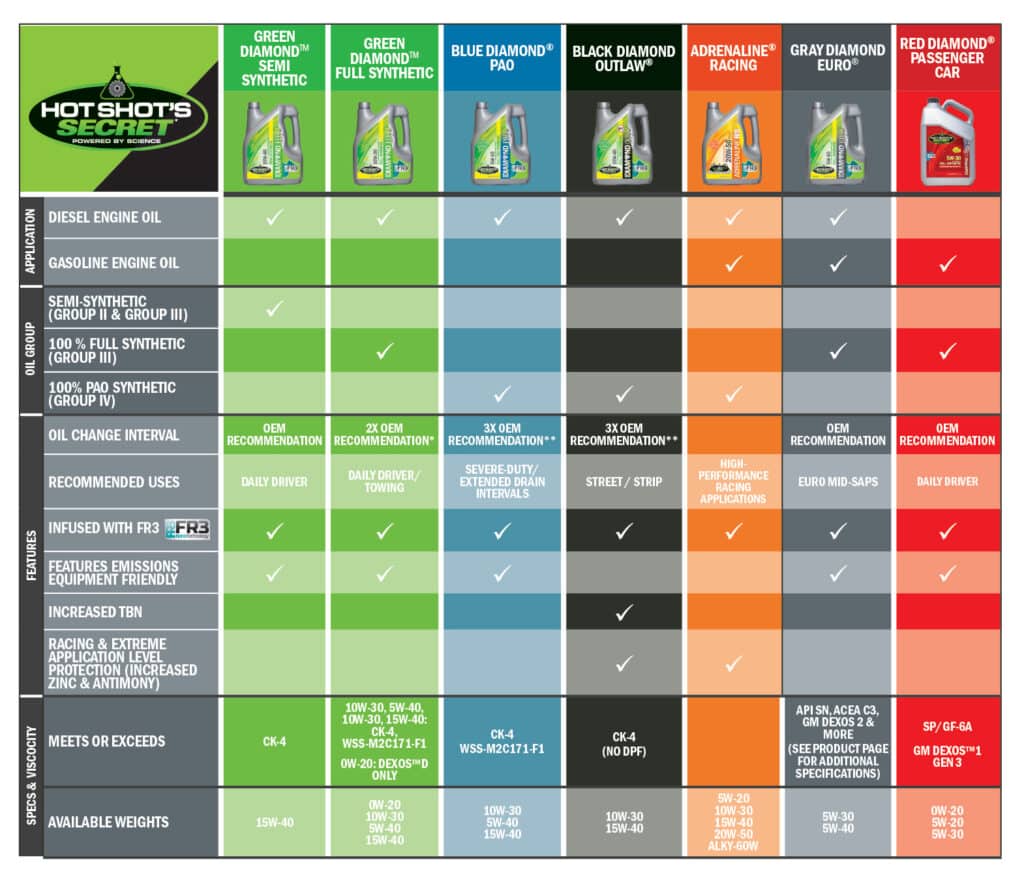
Always look for oil rated for diesel engines (like “API CK-4” or “ACEA E9”) to make sure it meets the right standards.
Common Mistakes When Switching To Synthetic Oil
Many drivers worry about changing to synthetic oil, especially in older engines. Here are mistakes I’ve seen:
1. Not Checking Seals And Gaskets
Some old engines develop leaks with synthetic oil. If your engine has old, brittle seals, fix leaks before switching.
2. Ignoring Manufacturer Specs
Always use the oil grade (like 5W-40 or 15W-40) and rating recommended in your manual.
3. Expecting Miracles
Synthetic oil is not a cure for mechanical problems. If your engine is worn out or burning oil, synthetic won’t fix it.
4. Mixing Oil Types
It’s best to fully drain old oil before filling with synthetic. Mixing is not dangerous, but it reduces the benefits.
Is Synthetic Oil Worth The Extra Cost?
Synthetic oil can cost 1.5 to 3 times more than regular oil. Is it worth it? For most modern diesel engines—especially those with turbos, used for towing, or in extreme climates—the answer is yes. The longer oil change interval, better protection, and peace of mind often offset the higher price.
For example, if you spend $50 on regular oil changes every 8,000 km, but $90 on synthetic every 15,000 km, the annual cost is similar. Plus, you get better protection.
Real-world Example: Synthetic Oil Vs. Conventional Oil In Diesel Fleet
A local trucking company switched half their fleet to synthetic oil and kept the rest on conventional oil for a year. They tracked:
- Oil change intervals
- Engine repairs
- Fuel costs
After 12 months:
- Synthetic trucks went 60% longer between oil changes
- They had 25% fewer engine wear issues
- Fuel economy improved by about 1.5%
The upfront cost was higher, but the company saved money on maintenance and downtime.

When Should You Definitely Use Synthetic Oil?
Some situations make synthetic oil a clear winner:
- Extreme temperatures (hot summers, cold winters)
- Heavy towing or carrying big loads
- Turbocharged engines
- Long driving distances between oil changes
- Modern diesel engines (built after 2000)
If you’re unsure, ask a trusted mechanic or check with your dealer.
Factors To Consider Before Choosing Synthetic Oil
Before switching, consider these points:
| Factor | Why It Matters |
|---|---|
| Engine Age | Old seals may leak with synthetic |
| Manufacturer Specs | Always follow recommendations |
| Driving Style | Hard use benefits more from synthetic |
| Climate | Cold or hot climates favor synthetic |
| Budget | Weigh oil cost vs. long-term savings |
My Personal Experience With Synthetic Oil In Diesel Engines
I’ve worked on everything from old diesel tractors to new turbocharged pickups. After switching many vehicles to synthetic oil, my honest advice is: if your engine is healthy and takes synthetic, use it. I have seen:
- Less smoke on startup
- Cleaner oil filters at every change
- Fewer injector and turbo problems
One thing beginners often miss: synthetic oil won’t fix a poorly maintained engine. It’s a tool—not a magic cure. But if you value reliability, it’s worth the investment.
Environmental Impact: Synthetic Oil Vs. Conventional Oil
Synthetic oil lasts longer, which means fewer oil changes and less waste. Some brands even use recycled oil as a base. While making synthetic oil uses more energy, the reduced waste and better engine efficiency help the environment over time.
Synthetic Oil And Diesel Engine Warranties
Most major diesel engine manufacturers approve synthetic oils that meet their specs. Using synthetic oil does not void your warranty if you use the right grade and keep service records. Always keep your receipts and service logs.
Trusted Brands Of Synthetic Oil For Diesel Engines
Some of the most respected brands are:
- Mobil 1
- Shell Rotella
- Castrol EDGE
- Valvoline Premium Blue
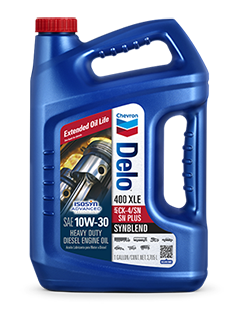
- Chevron Delo
Check for the correct API or ACEA rating on the bottle.
For more technical details, you can check the Wikipedia page on synthetic oil.
Frequently Asked Questions
What Happens If I Switch To Synthetic Oil In An Old Diesel Engine?
If your engine is in good shape, you can usually switch with no problems. But very old engines (especially those with old gaskets) may develop leaks. Monitor oil levels and check under your vehicle for leaks after the switch.
How Often Should I Change Synthetic Oil In My Diesel Engine?
Most synthetic oils for diesel engines can go 10,000–15,000 km between changes, but always follow your owner’s manual. Some engines or severe driving conditions may need more frequent changes.
Can I Mix Synthetic And Conventional Oil In My Diesel Engine?
Yes, you can mix them in an emergency, but it’s not recommended. Mixing reduces the benefits of synthetic oil. Try to use one type at a time and fully change the oil at your next service.
Does Synthetic Oil Improve Diesel Engine Performance?
Synthetic oil reduces friction and keeps engines cleaner, which can improve fuel efficiency slightly. Engines may run smoother, and you may notice easier cold starts, but don’t expect a big horsepower boost.
Is Synthetic Oil Safe For All Diesel Engines?
Most modern diesel engines are compatible, but always check your manual. Some older engines or those with special requirements may need a specific type of oil.
Choosing the right oil is one of the simplest ways to protect your diesel engine. In my experience, synthetic oil is almost always a smart investment—especially if you want your engine to last, save money on repairs, and enjoy worry-free driving.