
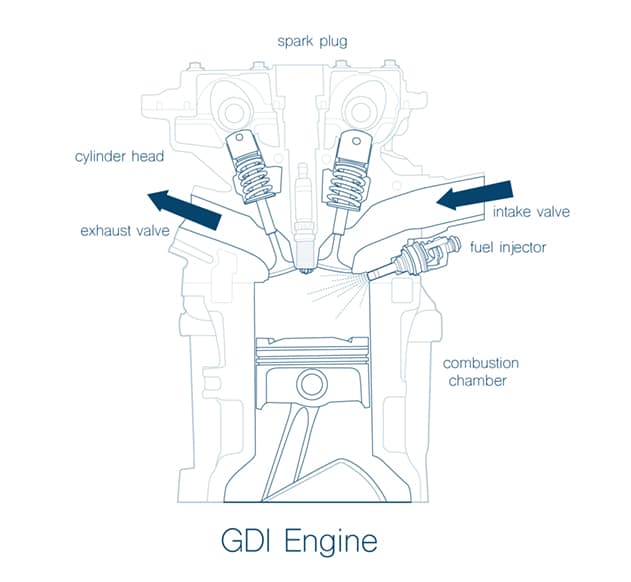
A GDI engine—short for Gasoline Direct Injection—is a type of petrol engine that sprays fuel directly into the combustion chamber instead of mixing it with air beforehand. This allows the engine to burn fuel more precisely, improving power, efficiency, and emissions.
Most people do not think about how fuel reaches the cylinders when they start the car. You press the pedal. The engine wakes up. The car goes. Yet there is a quiet shift under the hood that has changed how modern cars feel and save fuel. Gasoline Direct Injection, or GDI, is part of that change.
If you have driven a newer car and felt crisp power with less noise, you may have felt GDI at work. It helps engines make more power from less fuel. It also helps lower emissions to meet strict rules. In short, it is a smarter way to burn every drop.
This guide breaks GDI down in simple words. We will compare it with older systems. We will also cover how it works, its pros, its cons, and how to care for it. If you want a clear view before your next car choice, or you want to treat your current engine right, you are in the right place.
Best Fuel Injector Cleaner For GDI Engines: This Cleaner Fixed It Instantly
What Is a GDI Engine? (Simple Explanation Anyone Can Understand)
A GDI engine—short for Gasoline Direct Injection—delivers fuel straight into the combustion chamber instead of the intake manifold. That small change makes a surprisingly big difference. You get better fuel efficiency, more power, and cleaner emissions. If you’ve driven a newer car on a quiet Sunday morning and noticed smoother acceleration, chances are you’ve already experienced GDI without realizing it.
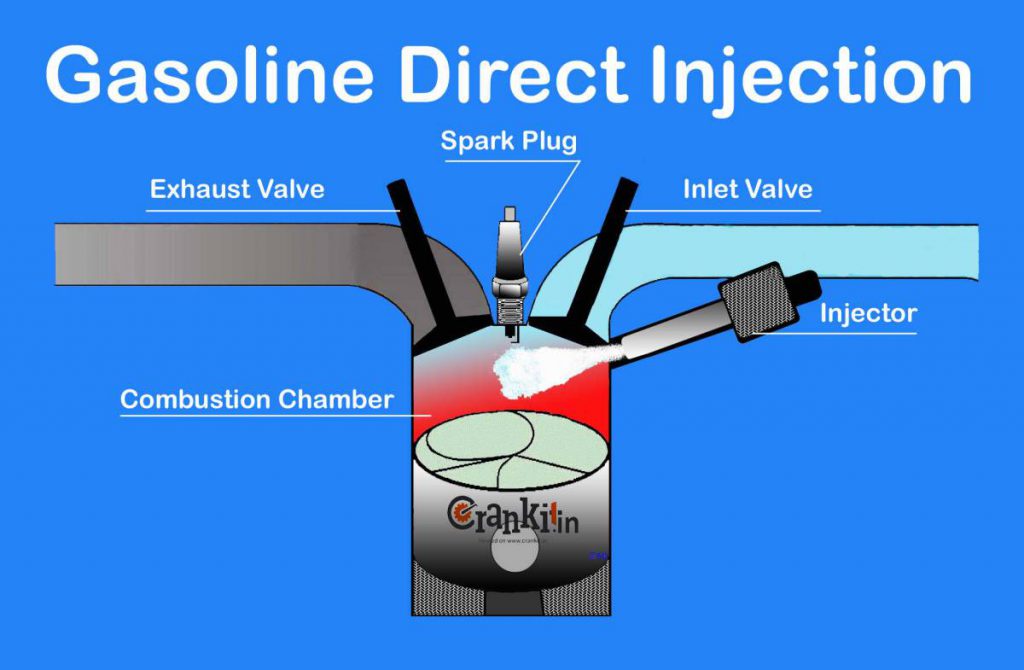
Think of it like a chef adding spice at the perfect moment. In a GDI engine, fuel enters later and closer to the flame. That gives the engine more control over how the mix burns. More control means cleaner, stronger, and smarter power.
In older port fuel injection (PFI) systems, fuel mixed with air earlier. It flowed past the intake valves into the cylinder. Some of that mix stuck to the walls. Some burned less cleanly. GDI changes that. It sends a fine spray right where the spark happens.
Modern cars use GDI because drivers want more and regulators demand cleaner air. GDI helps with both. It improves throttle response too. That is why you find it in many small, turbocharged engines today.
How Does a GDI Engine Work? (Step-by-Step Breakdown)
At its core, a GDI engine precisely sprays fuel directly into each cylinder at high pressure. This allows better control over the air-fuel mixture, especially under different driving conditions—like quick acceleration on a highway or slow crawling in city traffic on a rainy weekday.
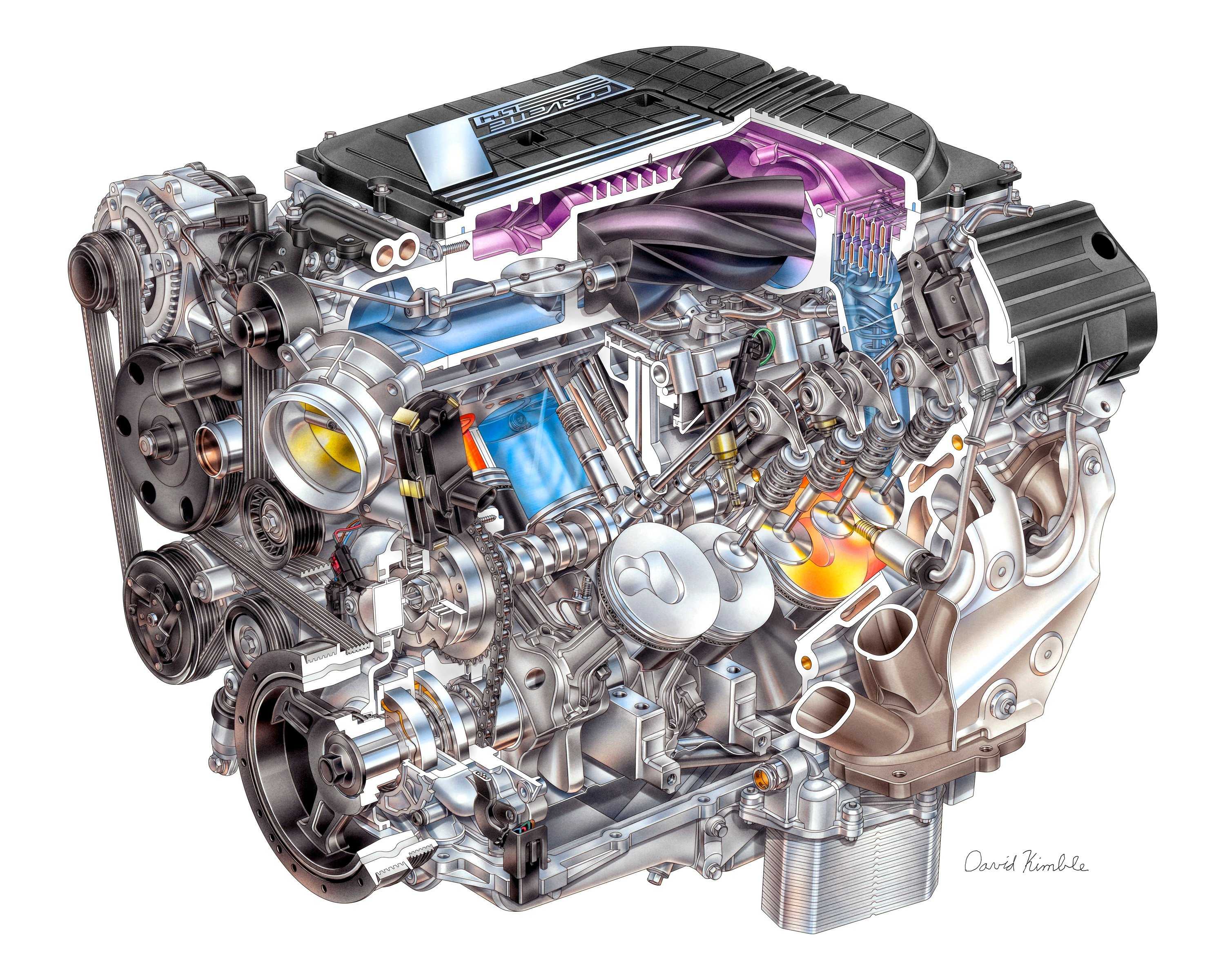
Here is the big idea. There is a high-pressure fuel pump. There are special injectors that can spray fuel in tiny, accurate bursts. The engine’s computer (ECU) times those bursts down to fractions of a millisecond. The spark fires at just the right instant. Energy surges. The car moves.
GDI can also shift styles. It can run in a “stratified” way at light loads with a leaner mix. Or it can go “homogeneous” for steady power. This shape-shifting mix helps fuel economy and keeps emissions in check.
Key Steps in the GDI Process
Here is a simple walk-through of what happens each time the piston moves. It repeats many times per second. Yet the flow stays smooth in the cabin. That is the magic of modern engine control.
- Air enters the combustion chamber
- High-pressure injectors spray fuel directly inside
- Fuel mixes with air more efficiently
- Spark plug ignites the mixture
- Energy pushes the piston down
Each step is tightly timed. Airflow matters. Pressure matters. The injection pattern matters too. Some engines use multiple short pulses of fuel. Others use one precise hit. It depends on speed, load, and design.
The spray itself is a fine mist. The shape of the spray and the angle of the injector tip guide the mix. Engineers tune the swirl and tumble of air in the cylinder to help that mix. All of this boosts burn speed and reduces waste.
Top-Rated Synthetic Diesel Engine Oils for Performance Before Your Engine Suffers
What Makes GDI Different Internally
GDI hardware is built for control and strength. The parts live with high pressures and fast cycles. The ECU pulls in data from many sensors to make it all work in harmony.

- High-pressure fuel pump
- Specialized injectors
- Advanced engine control unit (ECU)
- Precise timing sensors
The high-pressure pump can push fuel up to hundreds of bar. Many systems run near 200 bar. Some go higher. That is far beyond older port injection pressures. The injectors must open and close fast and clean. They resist heat and deposits.
The ECU is the brain. It watches the crankshaft and camshaft sensors. It listens to oxygen sensors, intake air temp, and more. It then tweaks timing and fuel mix for each piston every cycle. That level of precision is how GDI squeezes extra efficiency from each drop.
GDI vs Traditional Fuel Injection: What’s the Difference?
The biggest difference is where the fuel gets injected. Traditional engines spray fuel before it enters the cylinder, while GDI does it inside. It sounds minor—but it changes everything from performance to efficiency. Think of it like cooking: seasoning food before cooking vs adding it at just the right moment while it’s sizzling.
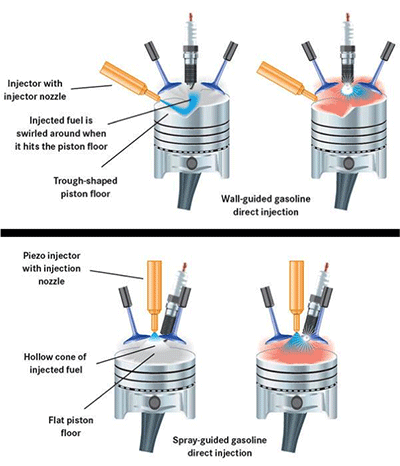
Port fuel injection (PFI) sprays fuel at the intake port. That fuel flows past the intake valve and into the cylinder with air. It is simple and proven. It also washes the back of the valve with detergent fuel, which can help keep it clean.
GDI puts the fuel right into the combustion chamber. The air comes in on its own. The injector angle, pressure, and timing tune the mix. The burn is tighter and quicker. That is why GDI engines can run with higher compression and still avoid knock with the right fuel.
Both systems can work well. In fact, some engines use both at once. They use port injection at times to keep valves clean. Then they switch to direct injection for power or efficiency. This blend is called dual injection in some engines.
Side-by-Side Comparison
Let’s stack them up in clear terms. This helps you see trade-offs at a glance. Your driving habits will shape which traits matter most.

- Fuel Delivery Location
- PFI: Fuel sprays in the intake port, before the valve.
- GDI: Fuel sprays straight into the cylinder.
- Efficiency Levels
- PFI: Good, consistent.
- GDI: Often better, thanks to precise timing and lean options at light loads.
- Power Output
- PFI: Solid for most needs.
- GDI: Often higher torque and better throttle response for a given size.
- Maintenance Needs
- PFI: Valves may stay cleaner due to fuel wash.
- GDI: Intake valves can build carbon; maintenance can be higher.
Here is the bottom line. GDI often wins on power per liter and miles per gallon. PFI wins on low fuss and valve cleanliness. Dual systems aim for the best of both. That is why many brands now blend the two.
Why Automakers Switched to GDI
There is no single reason. It is a web of goals and rules. GDI fits the sweet spot for many of them.
- Stricter emissions laws
- Demand for better mileage
- Performance expectations
Carmakers face tight CO2 targets in both the US and abroad. Buyers want more power and fewer fuel stops. GDI helps cut CO2 by burning fuel more efficiently. It also pairs well with small turbo engines to boost torque without big displacement.
Modern emissions rules also target tiny particles from gasoline engines. GDI can reduce some pollutants but may raise particulate numbers. So newer cars add gasoline particulate filters (GPFs) in some markets. Even with that, GDI remains the path to meet the full mix of goals.
Benefits of a GDI Engine (Why Drivers Love It)
GDI engines shine when it comes to balancing power and efficiency. Whether you’re heading out for a weekend road trip or stuck in Monday morning traffic, the engine adapts quickly. Many drivers notice sharper throttle response and fewer fuel stops—small wins that add up over time.
You feel the perks every day. The car pulls with ease from low revs. Passing on the highway feels simple. The cabin may feel calmer because the engine does not need to work as hard.
On the money side, fuel savings add up. Even a small bump in miles per gallon matters over months and years. If you keep cars a long time, that adds up to real cash. It also helps lower your carbon footprint without you changing how you drive.
Key Advantages
Here are the highlights in plain words. These are the reasons so many brands moved to GDI fast. You can feel these perks without being a tech expert.
- Better fuel economy
- Increased horsepower
- Lower CO₂ emissions
- More precise combustion
Precision is the theme. The engine can run leaner at light loads and richer only when needed. That is how it saves fuel without dulling the drive. It avoids waste by hitting the sweet spot more often.
The extra power is not just peak numbers. It is about torque where you use it. Many GDI engines feel strong in daily ranges. You pass with less downshifting. Hills feel less steep.
Real-Life Driving Benefits
Specs on a page are one thing. Real roads are another. Here is how GDI helps where it matters: in your seat.
- Smoother overtaking on highways
- Better performance in stop-and-go traffic
- Reduced fuel costs over time
When you tap the gas, the response is sharp yet smooth. The engine does not need to rev high to deliver torque. That calm strength helps during merges and exits. It also makes city driving less tiring.
In long-term use, you may find you visit the pump less. That frees time and money. If you value a car that feels eager yet frugal, GDI delivers a great balance.
Common Problems with GDI Engines (What You Should Watch For)
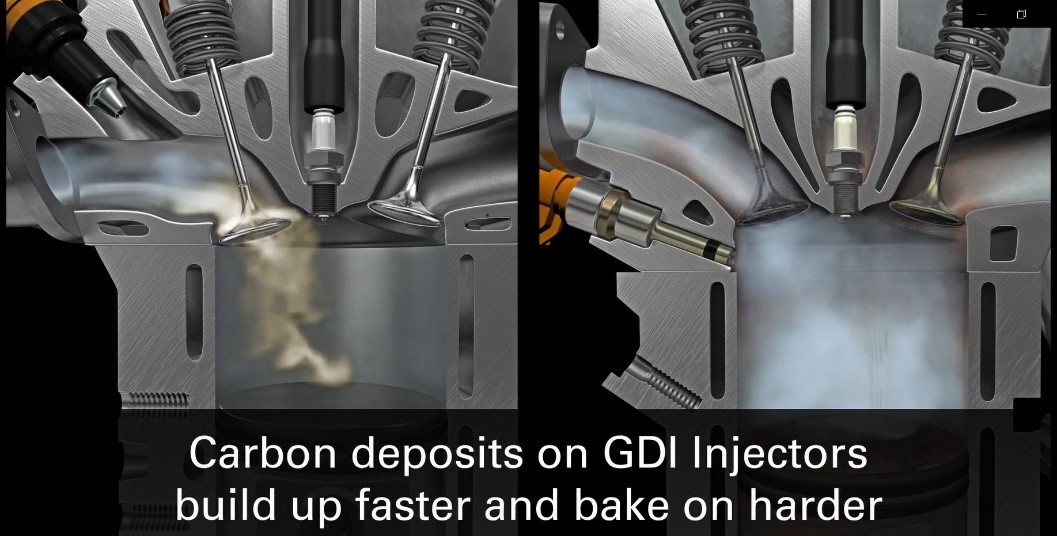
Despite the perks, GDI engines aren’t perfect. One common issue is carbon buildup on intake valves because fuel no longer washes over them. It’s the kind of thing you might not notice—until one day your engine feels a bit rough on a cold morning.
Here is why that buildup happens. Oil mist and blow-by gases pass through the intake path. They can stick to the valve backs. In PFI engines, fuel washed those surfaces. In GDI engines, it does not. Over time, those sticky bits harden into carbon.
This carbon can narrow airflow and disrupt the mix. Cold starts get rough. Idle may wobble. Power may feel blunted. Left alone, it can trip sensors and throw a check engine light.
GDI injectors also face harsh heat in the chamber. They can get dirty or restricted. That hurts spray quality. Poor spray can make misfires more likely and lower efficiency.
Most Common Issues
You do not need to be a mechanic to spot early signs. These are the usual suspects. Catch them early to save money and stress.
- Carbon buildup
- Intake valve deposits
- Fuel injector clogging
- Higher maintenance costs
Carbon and valve deposits are the big ones. The fix can be a professional intake cleaning. One popular method is walnut shell blasting. It is like gentle sandblasting. It strips carbon without harming metal. Intervals vary. Many drivers do checks around 50,000 to 70,000 miles, or sooner if symptoms appear.
Injector issues may need cleaning or replacement. Quality fuel and proper filters help prevent that. An occasional use of a fuel system cleaner can help injectors, but note it does not clean intake valves in a pure GDI setup, since fuel does not touch them. Follow your manual for any cleaner use.
Symptoms to Notice Early
Listen to your car. It will often whisper before it shouts. These hints can save you a big bill down the road.
- Rough idling
- Reduced fuel efficiency
- Engine hesitation
- Check engine light
Rough idle or cold start shake is a classic clue for valve deposits. Hesitation under load can point to injector spray issues. A drop in MPG with no other changes may be a sign too. If the check engine light comes on, scan for codes. Misfire codes in certain cylinders may tie back to carbon or injector faults.
This is also where good oil and filter changes help. Clean oil lowers blow-by and helps rings seal. That reduces the oil mist entering the intake. A clean PCV system is key as well.
How to Maintain a GDI Engine (Practical Tips That Actually Help)
Maintaining a GDI engine isn’t complicated, but it does require a bit more attention. Think of it like keeping your kitchen clean—ignore it for too long, and things build up. Regular care keeps everything running smoothly, especially if you rely on your car daily.
The goal is to slow carbon buildup and keep injectors happy. Use quality fuel with strong detergents. Stay on top of oil changes with the right spec. Plan for periodic intake checks. A little planning beats reactive fixes.
If your car allows, a combined port+direct injection design lowers valve deposit risk. If yours is pure GDI, prevention matters more. Some owners also add oil catch cans to reduce intake oil mist. Be careful: this can affect warranty status if not approved. Always follow your maker’s guidance.
Simple Maintenance Tips
Here are simple steps that make a big difference. None are hard. Over time, they protect both wallet and peace of mind.
- Use high-quality fuel
- Change oil regularly
- Consider periodic intake cleaning
- Follow manufacturer service intervals
Top Tier fuel can help keep injectors clean. It has more detergent. It costs a bit more per gallon, but can pay off. Many brands list Top Tier providers on their sites.
Oil is the lifeblood. GDI and turbo GDI engines can suffer from low-speed pre-ignition (LSPI) if the oil is wrong. Use the oil grade and spec your manual lists. Many newer oils carry SN Plus or SP ratings that guard against LSPI. Short-trip city use may need shorter intervals.
Intake cleaning is not always on the stock maintenance plan. But many owners do it around 60,000 miles. The right time depends on driving style and symptoms. Ask a trusted shop that knows your engine type.
Pro Tips from Real Drivers
Owners share what works in the real world. Here are tried-and-true habits. Simple, cheap, and smart.
- Occasional highway driving can help reduce buildup
- Use fuel system cleaners (when recommended)
- Don’t skip scheduled maintenance
Short trips are hard on engines. The engine may not reach full temp. Moisture and fuel can dilute oil. Carbon forms faster. A weekly or monthly long highway drive at steady speed helps burn off residues. It is like a “health jog” for your car.
If your manual allows, a PEA-based cleaner in the fuel tank can help keep injectors clean. Do not overuse. Follow the label and your manual. Remember: in pure GDI engines, this will not clean the intake valves. But it can help spray quality.
Never push off service light warnings. A late oil change on a GDI engine can cost you more in the long run. The same goes for air filters and spark plugs. Spark quality matters a lot with precise injection.
Are GDI Engines Reliable? (What Owners and Experts Say)
GDI engines are generally reliable when maintained properly. Many modern cars run well past 150,000 miles with no major issues. Still, reliability depends heavily on driving habits and maintenance consistency—like whether you’re mostly doing short city trips or long weekend drives.
In large fleets and long-term owner reports, GDI holds up well if cared for. Failures tend to link to neglect. Late oil changes. Cheap filters. Ignored check engine lights. The fix is simple: treat the engine to a routine, and it treats you back.
Turbocharged GDI engines can be a bit more sensitive. They run hotter and make more boost. Cooling and oil quality matter more. But the same rules apply: follow the book, fix issues early, use the right fluids.
Factors That Affect Reliability
You can control most of the big factors. Here are the levers. Keep them in your favor, and life is easier.
- Driving style
- Maintenance habits
- Fuel quality
- Engine design
Aggressive, high-load driving heats parts more. It can speed up wear. Calm, steady driving tends to be easier on the system. But engines like to be exercised too. A mix of city and highway is often ideal.
Maintenance speaks for itself. Clean oil and a sealed intake tract are key. So is a clean PCV valve and good air filtration. A clogged filter invites dust and strain.
Fuel quality shapes deposits and injector health. Stick with trusted stations. If you see recurring issues after filling at a certain place, try another brand.
Finally, design matters. Some engines add port injectors to keep valves clean. Others use special coatings or improved EGR control. If waiting to buy, look up your specific engine’s track record.
Longevity Expectations
Realistic goals help set your plan. Here is what many owners see in the wild. Your mileage may vary, but the pattern is clear.
- Typical lifespan range
- Many GDI engines reach 150,000 to 250,000 miles with routine care.
- Comparison with older engines
- Similar or better, provided you follow modern service needs like intake checks.
Modern engines are built tight and strong. That is how they make power with less fuel. They can last as long or longer than older engines. But they ask for smarter care. If you give them that, they repay you with years of smooth, quiet service.
Which Cars Use GDI Engines? (Popular Models and Brands)
GDI engines are now common across many brands. From compact cars to SUVs, manufacturers use this technology to meet efficiency and performance goals. If you’ve browsed cars recently, you’ve probably seen it listed without giving it much thought.
You can find GDI in entry-level sedans, family crossovers, and even trucks. Turbocharged GDI engines, in particular, are everywhere. They help small engines act bigger when you need it and sip fuel when you do not.
Hybrids also use GDI in some cases. That combo gives you both electric torque and efficient gasoline power. The result is smooth, quiet, and thrifty.
Popular Brands Using GDI
Here are some familiar names using GDI across many models. This is not a full list, but it shows how common the tech is.
- Toyota
- Ford
- Hyundai
- Volkswagen
- BMW
You will also see GDI in:
- Honda (in newer turbo and some non-turbo models)
- General Motors/Chevrolet
- Kia
- Mazda (Skyactiv-G)
- Subaru (DIT turbo engines)
- Audi
- Mercedes-Benz
- Nissan/Infiniti
Some brands, like Toyota with D-4S, blend port and direct injection in many engines. That mix helps reduce valve deposits. It is a nice way to get the best of both worlds.
Examples of GDI Vehicles
You may not recall exact engine names. So here are simple categories with samples. Always check model years, as specs change over time.
- Sedans
- Toyota Camry (selected engines), Honda Accord 1.5T/2.0T, Hyundai Sonata, Kia K5, VW Jetta, Chevy Malibu
- SUVs
- Toyota RAV4 (varies by year/engine), Ford Escape, Hyundai Tucson, Kia Sportage, VW Tiguan, Mazda CX-5, Chevy Equinox
- Compact cars
- Honda Civic 1.5T, Hyundai Elantra, Kia Forte, Mazda3, VW Golf
- Performance vehicles
- BMW 3 Series, Audi A4/S4, Ford Mustang EcoBoost, VW GTI/Golf R, Subaru WRX
Turbo GDI engines are especially common in performance trims. They make strong torque at low RPM. That makes them fun without high revs. Many daily drivers appreciate that balance as well.
Is a GDI Engine Right for You? (Honest, Practical Advice)
If you want better fuel efficiency and responsive performance, a GDI engine is a strong choice. But if you prefer low-maintenance simplicity, it’s worth considering the trade-offs. It really depends on how and where you drive—daily commutes, long road trips, or occasional weekend errands.
Ask yourself a few questions. Do you drive many short trips with cold starts? Do you hate extra maintenance tasks? Or do you value power and MPG in a modern package? Your answers will point the way.
If you lease or trade often, GDI is a no-brainer. You enjoy the benefits while the car is young. If you keep cars well past 100,000 miles, plan for intake care and use good fuel. That makes the path smooth.
Best For
If these points sound like you, GDI fits well. You will feel the upsides every day. The car will feel eager yet calm.
- Daily commuters
- Highway drivers
- Performance enthusiasts
Daily commuters save gas and enjoy snappy response. Highway drivers benefit from strong midrange torque. Passing is easy and stress-free. Enthusiasts like how turbo GDI engines surge without big revs.
Might Not Be Ideal For
GDI is not perfect for all use cases. Here are cases where you may prefer something else. Or at least plan more maintenance time.
- Short-trip-only drivers
- Low-maintenance seekers
If you do many short hops and the car rarely gets warm, carbon can build faster. Port-injected engines may be simpler for that pattern. If you want to avoid any extra maintenance beyond basic oil changes, GDI may ask more from you over time.
A middle path exists. Some engines combine port and direct injection. If you like GDI perks but fear valve deposits, look for this dual setup. It reduces that risk while keeping the drive sharp.
Frequently Asked Questions About GDI Engines
What follows are short answers to common questions. These replies keep it simple. They help you make quick, confident choices without digging through forums or jargon.
- Is GDI better than port injection?
- It depends on your goals. GDI often gives more power and better fuel economy. Port injection can be easier on maintenance and intake valve cleanliness.
- Do I need premium fuel for a GDI engine?
- Not always. Use what your manual says. Some turbo GDI engines need or recommend premium for best performance. Many non-turbo GDI engines run fine on regular.
- Does a fuel additive clean intake valves in GDI engines?
- In pure GDI, no. Fuel does not touch the intake valves. Additives can help injectors, but not the valve backs. For valves, professional intake cleaning is the fix.
- How often should I clean GDI intake valves?
- There is no single number. Many owners check between 50,000 and 70,000 miles. It depends on driving style, oil quality, and engine design.
- What is LSPI and why should I care?
- LSPI is low-speed pre-ignition. It can occur in turbo GDI engines at low RPM with high load. It is like uncontrolled mini-detonations. Use the oil spec in your manual (often SN Plus or SP) to reduce the risk.
- Are gasoline particulate filters (GPF) used with GDI?
- Yes, in some markets and models. GPFs reduce tiny particle emissions from GDI engines. They work much like diesel particulate filters but for gasoline engines.
- Can a catch can help a GDI engine?
- It can reduce oil mist entering the intake, which may lower deposit formation. But it may affect warranty coverage if not approved. Follow your manufacturer’s rules.
- Do hybrids use GDI?
- Many do. GDI pairs well with hybrid systems. You get efficient combustion plus electric torque. That adds up to smooth, quiet power.
- Why do some engines use both port and direct injection?
- To blend strengths. Port injection helps keep valves clean. Direct injection boosts power and efficiency. Together, they cut downsides and raise upsides.
- How can I make my GDI engine last longer?
- Use quality fuel, change oil on time with the right spec, keep filters fresh, and do periodic intake checks. A steady diet of highway miles helps too.
Final Thoughts: Understanding GDI Engines in Everyday Life
A GDI engine isn’t just a technical upgrade—it’s something you feel every time you press the accelerator. From smoother drives to fewer fuel stops, it quietly improves your everyday driving experience. Once you know how it works, you start noticing the difference in ways you didn’t expect.
GDI turns small changes into big gains. It uses timing, pressure, and control to save fuel and add punch. It is like a skilled barista drawing a better shot with the same beans. The recipe is the same. The craft is sharper.
No engine tech is perfect, and GDI has trade-offs. Intake valve deposits are real. Injector care matters. But you can manage these with simple steps. Good fuel. Right oil. On-time service. Occasional highway trips. A clean intake every so often.
If you want a car that feels eager yet calm, GDI delivers. It works well for commuters, families, and enthusiasts alike. It keeps air cleaner and fuel bills lower. And with small, steady care, it can run strong for years. In the end, that is what most drivers want: a car that feels good, costs less to run, and just works. GDI helps make that happen.