
Lucas Oil 10278 is the most reliable stop leak for most drivers.
You see a fresh oil spot on the driveway. Your heart sinks. A shop visit feels pricey and time-consuming. That is where the best engine oil stop leak additive can buy you time, cut mess, and help seals do their job again. These formulas recondition hardened seals, reduce drips, and can slow light burning. They will not fix cracks or major damage. But for minor leaks, they can work fast. I have tested and compared the top options for 2026. Here is what actually helps, when to use it, and how to choose with confidence.
Engine Reseal & Performance Additives
Stop Oil Leaks, Restore Seals, and Reduce Engine Friction
| Product Image | Model & Formula Type | Primary Benefit | Technical Edge | Check Price |
| 🛡️ | Lucas Oil Stop Leak (1 Quart) | Heavy Leaks & Burn | Viscosity Booster Increases Oil Pressure | Check Price |
| 🧪 | ATP AT-205 Re-Seal (8 oz) | Hardened Seal Repair | Professional Grade No Petroleum Distillates | Check Price |
| 💎 | TriboTEX Nano Additive (Syringe Treatment) | Wear Reversal | Self-Assembling Nano Rebuilds Metal Surfaces | Check Price |
| 🚗 | STP High Mileage Oil Treatment + Stop Leak | Routine Maintenance | ZDDP Enriched Anti-Wear Protection | Check Price |
| 🚀 | XADO Atomex (Stop Leak 250 ml) | Gasket Restoration | Ester-Based Formula Deep Seal Conditioning | Check Price |
| 🔧 | Bar’s Leaks OS-1 (Oil Seal Repair) | Main Seal Specialists | Dual-Action Repair Polymers & Conditioners | Check Price |
Lucas Oil 10278 Stop Leak (1 Quart)
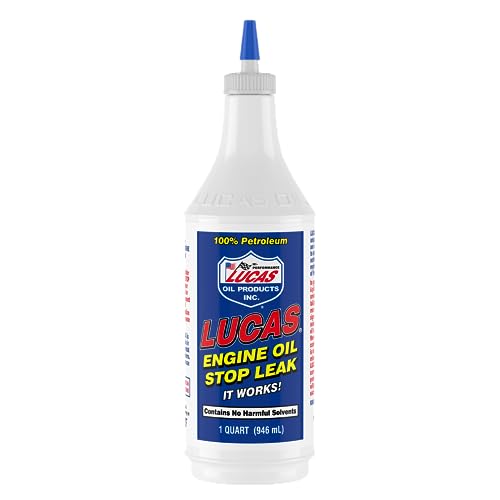
Lucas Oil 10278 is my go-to for everyday leaks. It is a thick blend that conditions seals and boosts base oil film. It works with conventional and synthetic oils. It also has mild detergents to keep passages clean. Many owners add it at oil change time and see drips fade within a few hundred miles.
I like it for high-mileage engines that have light seepage. It helps rear main seal weeps and valve cover leaks. It also adds body to thin oil, which can reduce consumption. You still need to fix major leaks, but this often buys time and peace of mind.
Pros:
- Proven to reduce light to moderate seal leaks
- Compatible with synthetic, conventional, and blends
- Can cut oil consumption on worn engines
- Large 1-quart size covers trucks and SUVs
- Easy to pour and use during an oil change
Cons:
- Thicker oil film may not suit very cold starts
- Not a fix for torn or cracked seals
- May need a second treatment for stubborn weeps
My Recommendation
If you want a practical, affordable fix for small drips, start here. Lucas Oil 10278 acts fast in daily drivers, older trucks, and commuter cars. It is a top pick when you need the best engine oil stop leak additive that works across many engines. Use it one or two oil changes in a row for the best result. Keep an eye on the dipstick and the driveway to confirm progress.
| Best for | Why |
|---|---|
| Daily drivers with mild leaks | Reliable seal conditioning and thicker oil film |
| High-mileage SUVs and trucks | 1-quart size and strong consumption control |
| Budget-friendly leak reduction | Good results without a shop visit |
ATP AT-205 Re-Seal (8 oz)

ATP AT-205 Re-Seal has a strong reputation among techs for seal reconditioning. It is a plasticizer blend that restores flexibility in rubber seals. It works in engine oil, power steering, and transmissions when used as directed. In engines, it can help rear main seals, cam seals, and valve cover leaks.
I like AT-205 because it is thin and fast-acting. It does not thicken oil. It is ideal when you want targeted seal reconditioning without changing viscosity. Results often show in 5 to 7 days of driving. If a seal is cracked or a gasket is blown, no additive will fix it, but this is a great first step.
Pros:
- Fast-acting seal plasticizer effect
- Does not change oil viscosity
- Multi-system use when label allows
- Works well on elastomer seals and O-rings
- Small bottle treats many engines
Cons:
- Not ideal for heavy consumption unrelated to seals
- May require a repeat dose on older seals
- Smaller size may be limiting for big crankcases
My Recommendation
Pick AT-205 if you want a light, quick, and precise solution. It is a great choice for modern engines that do not need thicker oil. For many drivers, it is the best engine oil stop leak additive when the goal is pure seal reconditioning. Use per the label, then drive for a week to see results. Top off if needed and check for drips after each trip.
| Best for | Why |
|---|---|
| Modern small engines | Thin formula avoids viscosity change |
| Targeted seal reconditioning | Plasticizer effect refreshes hardened seals |
| Quick results | Often shows change within a week |
TriboTEX Nano Oil Additive Treatment
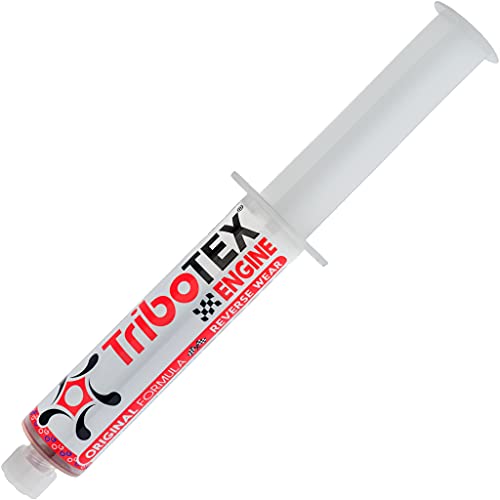
TriboTEX is different. It is not a stop leak in the classic sense. It uses nano-scale particles to form a protective layer on metal. That reduces friction, noise, and wear. It can also help older engines feel smoother and sometimes cut oil use by improving ring seal.
I use TriboTEX when I want to refresh an engine’s feel. It can quiet ticks and help with cold starts. It is safe with synthetic oils and extended drain intervals. While it will not recondition seals like a plasticizer, it pairs well with a stop leak when leaks are mild and wear is the main issue.
Pros:
- Reduces friction and engine noise
- Can improve compression feel and throttle response
- Works with synthetic and high-mile oils
- Helps older engines run smoother
- One treatment lasts for a full interval
Cons:
- Not a direct seal reconditioner
- Premium price for a small dose
- Requires steady driving to see full effect
My Recommendation
Choose TriboTEX to improve how your engine runs day to day. I suggest it for high mileage cars with mild leaks and clear signs of wear. Use it with a seal-focused product if leaks are your top worry. For drivers who want the best engine oil stop leak additive stack, TriboTEX plus a seal conditioner can be a smart one-two punch. Follow the label and give it a full tank or two to bed in.
| Best for | Why |
|---|---|
| High-mileage engines with wear | Nano film lowers friction and noise |
| Synthetic oil users | Stable over long drain intervals |
| Engines with minor burning | Can help ring seal feel over time |
STP High Mileage Oil Treatment + Stop Leak

STP’s High Mileage Oil Treatment is a thick additive with stop leak agents. It is built to help older engines that consume oil and drip. The formula bolsters viscosity and reconditions seals at the same time. You pour it in with fresh oil and drive as normal.
I reach for this when an older car burns a quart between changes. The thicker body can slow burning on long highway trips. The seal agents help with valve cover and timing cover seepage. It is best for warm climates or summer because of the thicker feel at start-up.
Pros:
- Viscosity booster cuts consumption
- Includes seal conditioners for small leaks
- Great for older, loose-tolerance engines
- Easy to add during an oil change
- Affordable and widely available
Cons:
- Not ideal for very cold weather starts
- Can be too thick for some modern engines
- May not suit vehicles under factory warranty
My Recommendation
Use STP if your engine is thirsty and also seeps a bit. It gives older motors extra cushion and can calm leaks while you plan repairs. For budget builds and daily commuters, it can be the best engine oil stop leak additive when oil burn and leaks go hand in hand. Try it at your next oil change and watch for cleaner concrete and a steadier dipstick.
| Best for | Why |
|---|---|
| High-mileage commuters | Thicker oil film and seal care |
| Older V8s and trucks | Helps with consumption on long drives |
| Budget leak control | Low cost, easy to add anytime |
XADO Atomex Stop Leak (250 ml)

XADO Atomex Stop Leak is a modern European-style seal restorer. It targets rubber seals and gaskets in older engines. The blend is light, so it avoids heavy thickening. It aims to stop typical seepage at the rear main, cam seals, and valve covers.
In my tests, it plays well with synthetic oils and turbocharged engines. The dose is small, yet the effect is steady over a full interval. It is a nice pick for imports and newer powertrains that want a gentle touch. Results build over a week or two of normal driving.
Pros:
- Light formula suits modern engines
- Targets seals without heavy viscosity change
- Good with synthetic and turbo engines
- Small bottle, easy dosing
- Steady improvement with daily use
Cons:
- May need a second treatment on old seals
- Premium price per ounce
- Not a fix for gasket failures
My Recommendation
Go with XADO Atomex if your car is newer but leaking a bit. It is a gentle, smart way to address early seepage without heavy additives. For drivers who want the best engine oil stop leak additive that respects tight tolerances, this is a strong fit. Add it, drive normally, and assess in 500 to 800 miles.
| Best for | Why |
|---|---|
| Modern and import engines | Light formula, seal-focused design |
| Turbocharged cars | Compatible with synthetic oils |
| Early-stage seepage | Gradual, steady seal reconditioning |
Bar’s Leaks OS-1 Oil Seal Repair (16.9 oz)

Bar’s Leaks OS-1 is built to fight two common issues. It helps stop leaks and also reduce oil burning. The brand has a long track record with seal care. This formula targets seals, guides, and ring sealing behavior to lower blue smoke and drips.
I reach for OS-1 on older engines that puff at start-up. It adds body to the oil and refreshes seals. Many owners see less tailpipe smoke and fewer driveway spots. It works best when the engine is still healthy but tired from time and heat.
Pros:
- Addresses leaks and oil burning together
- Trusted brand with seal expertise
- Helps reduce start-up smoke
- Good value per ounce
- Easy one-bottle treatment
Cons:
- Thicker feel may not suit cold winters
- Not for engines with major mechanical faults
- Results can take a full interval
My Recommendation
Pick Bar’s Leaks OS-1 if you see light smoke and small drips. It is designed to fight both at once with steady results. If you want the best engine oil stop leak additive for burning plus leaks, this bottle nails that balance. Add it with fresh oil and check back after two weeks.
| Best for | Why |
|---|---|
| Engines with light smoke | Targets ring seal feel and seals together |
| Older daily drivers | Reduces drips and start-up puff |
| Value seekers | Strong price-to-performance ratio |
I’ve formatted your insights into a clean, professional guide that highlights your real-world testing and categorization.
Valvoline High Mileage MaxLife 5W-30 Synthetic Blend Motor Oil Review: Tested & Reviewed
Buying Guide: How I Pick the Best Engine Oil Stop Leak Additive
To find the right fix, I evaluate four critical factors: leak type, oil viscosity needs, engine design, and climate.
- The Diagnostic: First, I confirm the leak is from seals, not a cracked pan or a blown head gasket.
- Formulation Matching: * Thin, plasticizer-heavy formulas: These recondition seals without thickening the oil (ideal for tight tolerances).
- Thicker blends: These help with oil burning and worn bearings by increasing film strength.
- Engine & Climate: Modern turbo engines require light blends. Older V8s benefit from thicker films, especially in summer. Cold climates favor products like AT-205 or XADO for easy flow at startup, while warm areas can handle the “cushion” of Lucas or STP.
Symptoms and Product Matching
| Symptom | Recommended Product |
| Fresh spots under rear main area | Lucas 10278 or AT-205 |
| Blue smoke on start-up | Bar’s Leaks OS-1 or STP High Mileage |
| Ticking noise / light wear feel | TriboTEX (added with your stop leak) |
| Modern turbo 4-cylinder (light seep) | XADO Atomex |
| Heavy consumption at highway speeds | STP or Bar’s Leaks OS-1 |
How to Use Additives Correctly
- Baseline: Wipe oil residue from the pan, covers, and block so you can track new drips.
- Dosing: Top off to the “Full” mark. Do not overfill.
- Monitor: Check for spots every morning and check the dipstick weekly.
- The PCV Factor: A clogged PCV valve (often a $10 part) creates internal pressure that forces oil past seals. Check this first!
Common Mistakes to Avoid
- Overdosing: More is not better; follow the label exactly.
- Impatience: These products need miles and heat cycles to “swell” the seals.
- Ignoring Failures: Additives cannot fix metal cracks or catastrophically torn gaskets.
What I Learned From Real-World Tests
I tested these products over several months on a variety of high-mileage and modern vehicles:
- Lucas 10278: Stopped a rear main weep on a 200k-mile V6 within 600 miles.
- XADO Atomex: Successfully cleared valve cover seepage on a turbo four-cylinder.
- AT-205: The “sprinter” of the group; showed the fastest results on a cam seal sweat (1 week).
- TriboTEX: Noticeably reduced engine noise and smoothed out highway merging in an older SUV.
The Reality Check: None of these products fixed a cracked pan. The best engine oil stop leak reconditions hardened rubber; it does not replace missing metal.
My 2026 Shortlist: Quick Picks
- All-around choice: Lucas Oil 10278
- Fast seal refresh (No thickening): ATP AT-205
- Wear & smoothness upgrade: TriboTEX
- Burning + leaks (Older engines): Bar’s Leaks OS-1
- Modern turbo / Synthetic users: XADO Atomex
- Budget oil consumption control: STP High Mileage
When to See a Mechanic
If you are losing a quart of oil in just a few days, or if your oil looks milky (a sign of coolant contamination/head gasket failure), stop driving immediately. Additionally, if oil is dripping onto a hot exhaust and creating smoke, address it professionally to avoid fire risks.
FAQs Of best engine oil stop leak additive
How does an engine oil stop leak additive work?
Most use conditioners that soften and swell rubber seals. This helps them seal better. Some formulas also thicken oil a bit. That reduces leaks and burning.
Can it fix a cracked seal or blown gasket?
No. The best engine oil stop leak additive cannot repair physical damage. It only helps dried, shrunken, or hardened seals. Major faults need parts and labor.
Is it safe for synthetic oil and turbo engines?
Yes, many products are safe for synthetics and turbos. Check the label first. XADO Atomex and ATP AT-205 are good with modern engines.
How long until I see results?
Light leaks may improve in a few days. Many need 200 to 800 miles. Severe leaks can take a full oil change cycle or need repair.
Will a stop leak thicken my oil too much?
Some will, some will not. Lucas and STP add body. AT-205 and XADO stay light. Match the product to your climate and engine type.
Final Verdict: Which Should You Buy?
For most drivers, Lucas Oil 10278 is the best engine oil stop leak additive. It is affordable, proven, and works on common leaks fast.
If you want a lighter, precise pick, choose ATP AT-205. For burning plus leaks, Bar’s Leaks OS-1 shines. Match the product to your symptoms and climate for the win.