
The NGK Iridium IX LKR7DIX-11S is the best replacement spark plug for most drivers because its laser-welded iridium tip provides a consistently stable spark and high heat durability. Choosing the right plug ensures your engine runs smoothly, starts reliably, and maintains fuel efficiency. This guide helps you identify the correct component for your vehicle.
Quick Picks
- Best Overall: NGK Iridium IX LKR7DIX-11S — Features a laser-welded fine iridium tip for extreme ignitability.
- Most Durable Design: Bosch OE Double Iridium — Uses iridium on both electrodes for four times longer life.
- Best Platinum Performance: NGK G-Power Platinum TR5GP — Operates over a wider heat range than ordinary plugs.
- Best Factory Replacement: ACDelco GM Original Equipment — Engineered specifically for Chevrolet, Buick, GMC, and Cadillac vehicles.
- Simplest Standard Upgrade: NGK G-Power BKR5EGP — Offers a straightforward performance boost for standard gasoline engines.
| # | Product | Best for | Price |
|---|---|---|---|
| 1 | NGK Iridium IX LKR7DIX-11S | Best Overall | Check price on Amazon |
| 2 | Bosch OE Double Iridium | Most Durable Design | Check price on Amazon |
| 3 | NGK G-Power Platinum TR5GP | Best Platinum Performance | Check price on Amazon |
| 4 | ACDelco GM Original Equipment | Best Factory Replacement | Check price on Amazon |
| 5 | NGK G-Power BKR5EGP | Simplest Standard Upgrade | Check price on Amazon |
1. NGK LKR7DIX-11S Iridium IX Spark Plug (93175 Iridium Ix)

Best for: Performance enthusiasts needing stable ignition and heat resistance.
This plug is built for drivers who want a noticeable improvement in throttle response. The 0.6 millimeter laser welded fine Iridium tip ensures high durability and a consistently stable spark. Its corrugated ribs on the insulator are designed to prevent flashover, keeping the electrical current contained where it belongs.
The use of trivalent metal plating gives this model strong anti-corrosion properties, which helps during future maintenance when it comes time to remove the plug. Because it features a tapered ground electrode, it minimizes the electrical quenching effect, allowing for a more complete combustion cycle. Compared to the NGK G-Power BKR5EGP, this model utilizes an iridium alloy with a higher melting point, which is better suited for high-performance engines.
Pros:
- Laser-welded 0.6 millimeter fine iridium tip
- Corrugated insulator ribs prevent electrical flashover
- Trivalent metal plating resists corrosion and seizing
- Triple gasket seal prevents combustion gas leakage
Cons:
- 5/8 inch hex size, which requires a specific socket size for installation
2. BOSCH 9621 OE Fine Wire Double Iridium Spark Plug
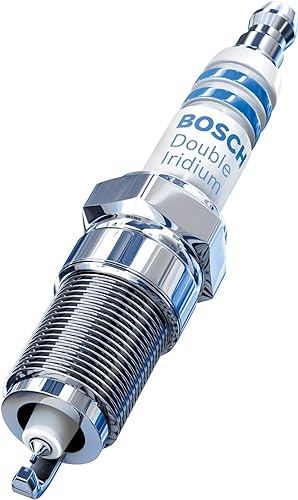
Best for: Drivers looking for maximum longevity and reduced maintenance intervals.
This plug stands out because it features iridium on both the firing pin and the ground electrode inlay. This design choice is why it offers four times the life of standard copper plugs. It comes pre-gapped from the factory, so you can install it immediately without needing to adjust the gap yourself.
The nickel-plated threads are a major benefit for anyone who works on their own car, as they resist corrosion and make removal much easier. By reducing the required voltage by up to 24 percent, it puts less strain on your ignition system while maintaining a 360-degree laser-welded connection. At 4X the life of a copper plug, it lasts significantly longer than the NGK G-Power Platinum TR5GP, which uses a different material construction.
Pros:
- Iridium firing pin and ground electrode inlay
- Nickel-plated threads resist corrosion
- Factory pre-gapped for easy installation
- Compatible with Gasoline Direct Injection (GDI) engines
Cons:
- Specific fitment is limited to select vehicle models, so verification via the fit checker is required
3. NGK # 3186 G-Power Platinum Spark Plugs TR5GP

Best for: Vehicle owners who need a plug that handles a wide variety of operating temperatures.
This platinum-based plug is designed to perform reliably across a broader heat range than standard options. It’s particularly effective at resisting carbon buildup, which is a common cause of ignition failure in older or high-mileage engines. The triple gasket seal ensures that your engine maintains proper compression by preventing gas from leaking past the plug threads.
Because it resists pre-ignition, it’s a stable choice for engines that spend a lot of time in stop-and-go traffic or varied driving conditions. Compared to the NGK Iridium IX LKR7DIX-11S, this model focuses on platinum construction rather than iridium, making it a different approach for achieving longevity.
Pros:
- Operates over a wider heat range than standard plugs
- Resists carbon buildup and pre-ignition
- Patented triple gasket sealing process
- Reliable performance in varied conditions
Cons:
- Platinum construction provides different wear characteristics compared to the iridium-tipped models on this list
4. ACDelco GM Original Equipment 41-162 Iridium Spark Plug

Best for: Owners of Chevrolet, Buick, GMC, or Cadillac vehicles seeking factory-spec parts.
Engineered to meet the exact standards of General Motors, this plug is an ideal choice if you want to maintain your vehicle’s original performance profile. It uses an iridium composition that provides high strength and a high melting point, ensuring that it holds up well under the heat of a modern engine. The three-piece fired-in suppressor seal is a standout feature, as it effectively blocks radio frequencies that could interfere with your car’s sensitive onboard electronics.
It’s designed to deliver stable engine idle and reliable cold starting, which are essential for daily drivers. When you compare this to the Bosch OE Double Iridium, the ACDelco model is specifically validated for GM engines, whereas the Bosch plug is designed for a broader range of manufacturers including Infiniti and Mazda.
Pros:
- Exact replacement for original GM components
- Suppression seal blocks radio frequency interference
- Reliable cold starting and stable idle
- Backed by General Motors engineering standards
Cons:
- Sold in a pack of 2, which may require purchasing multiple packs for engines with more than two cylinders
5. NGK 7090 BKR5EGP G-Power Spark Plug
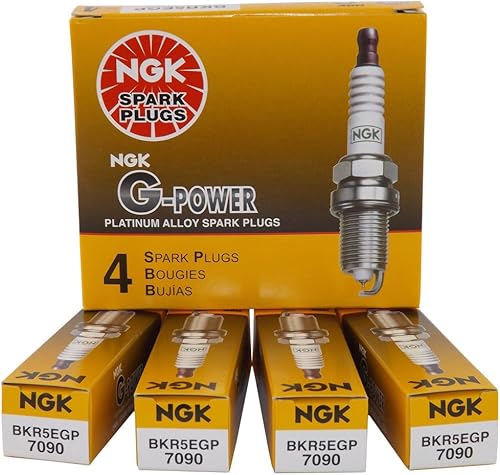
Best for: Budget-conscious owners needing a reliable, simple upgrade over basic plugs.
This plug is the most straightforward option for a standard engine tune-up. It provides a reliable spark without the complex design features found in high-performance iridium models. Its compact packaging makes it easy to store and handle during a weekend repair job.
If you’re just looking to get your engine running cleanly again, this is a solid choice that doesn’t overcomplicate the installation.
Pros:
- Straightforward design for standard engines
- Compact and easy to handle
- Reliable performance for daily driving
- Standard fitment for many gasoline vehicles
Cons:
- Lacks the advanced iridium tip technology found on the higher-end NGK and Bosch picks
Also Worth Considering
The NGK LFR6AIX-11-6 is an iridium-based plug designed for specific engine configurations. You might choose this if your manual specifically calls for this exact reach and thread size.
The NGK LTR6IX-11 is another iridium option, but it serves a different set of engine requirements than the NGK Iridium IX LKR7DIX-11S. It’s best suited for engines that demand this specific electrode length and heat range.
The NGK CR9EIX is a specialized iridium plug for smaller or high-revving engines.
5 Best Spark Plugs For Acceleration: Tested For Boost Throttle Response
How We Choose Each sp
Sixteen Amazon listings were compared on material composition, intended vehicle compatibility, and special design features, and near-duplicates were left out. To earn a place, a plug had to clearly state its electrode material and its primary performance benefit.
Picks were chosen to represent a range of needs, from factory-specific replacements to performance-focused iridium upgrades. Plugs that lacked clear specifications regarding their heat range or sealing technology were excluded from the final list. Consistency in the provided technical data was prioritized to ensure that the recommendations align with manufacturer design requirements.
How to Choose the Right Spark Plug
Material and Longevity
The material used for the electrode determines how often you need to replace your plugs. Iridium, as seen in the NGK Iridium IX LKR7DIX-11S and Bosch OE Double Iridium, offers the highest durability. Platinum options like the NGK G-Power Platinum TR5GP are a mid-range choice that balances performance with heat resistance.
Compatibility and Fit
Always use your vehicle’s owner’s manual to confirm the required thread size, reach, and heat range. The Bosch OE Double Iridium listing includes a fit checker that’s essential for ensuring the plug fits your specific engine block. Never assume a plug fits based on appearance alone; the physical dimensions must match exactly to prevent engine damage.
Performance Features
Consider whether you need features like radio frequency suppression, which the ACDelco GM Original Equipment plug provides. If you drive a modern vehicle with many electronic sensors, this is a key factor. For performance enthusiasts, the fine-wire design of the NGK Iridium IX LKR7DIX-11S helps ensure a stable spark under heavy engine loads.
Frequently Asked Questions
Is it necessary to gap my spark plugs before installation?
Most modern plugs, such as the Bosch OE Double Iridium, come pre-gapped from the factory. You should check your specific product’s packaging, as some manufacturers require you to verify the gap, while others explicitly state that adjustment isn’t required. Never force a gap tool into the fine wire of an iridium tip.
Can I use a different brand than what the factory installed?
Yes, you can use a different brand as long as the plug meets or exceeds the manufacturer’s specifications for heat range and thread size. The NGK Spark Plug technical guide explains how heat ranges are calculated to ensure safe engine operation. Always verify the cross-reference for your specific engine.
What happens if I use the wrong heat range?
Using a plug with the wrong heat range can lead to engine knocking, carbon buildup, or even pre-ignition damage. A plug that’s too “hot” may not dissipate heat quickly enough, while one that’s too “cold” may foul prematurely. Always consult the engine manufacturer’s design requirements before selecting a replacement.
How often should I replace my spark plugs?
Replacement intervals depend on electrode material and your vehicle’s maintenance schedule. Iridium plugs, like the Bosch OE Double Iridium, typically last longer than standard copper plugs. Always consult your owner’s manual, as the engine’s combustion cycle determines the specific wear rate for your vehicle.
The NGK Iridium IX LKR7DIX-11S is the top choice for most drivers due to its reliable iridium construction and excellent heat management. If you need a simple, standard replacement for a basic engine, the NGK G-Power BKR5EGP is a straightforward alternative. Verify your vehicle’s fitment requirements today to ensure optimal engine performance.
Can I use anti-seize compound on the threads?
You generally shouldn’t use anti-seize on modern spark plugs because most, like the Bosch OE Double Iridium, come with specialized plating designed to prevent galling. Adding anti-seize can lead to over-tightening the plug, which puts excessive stress on the cylinder head threads and may damage the seal. Always follow the manufacturer’s specific instructions regarding installation lubricants.
What is the difference between a resistor and non-resistor plug?
A resistor plug, such as the NGK Iridium IX LKR7DIX-11S, contains a 5K Ohm resistor to suppress radio frequency interference. This is crucial for protecting the sensitive electronic control units and audio systems in modern vehicles. Non-resistor plugs are typically reserved for older engines or specific racing applications where electronic noise isn’t a concern for the vehicle’s onboard computer.
Will a performance spark plug increase my horsepower?
A spark plug is a maintenance item designed to maintain the engine’s original performance, not to add power. The NGK Iridium IX LKR7DIX-11S is designed to offer extreme ignitability and improved throttle response. It simply ensures the engine operates as efficiently as it should.
How do I know if my spark plugs are failing?
Common signs include a rough engine idle, difficulty starting the vehicle, decreased fuel efficiency, or a noticeable hesitation during acceleration. If you experience a misfire, the engine control module may trigger a check engine light. Inspecting the plugs for heavy carbon buildup, eroded electrodes, or cracked insulators can confirm if they have reached the end of their service life.
Does the number of ground electrodes matter?
The number of ground electrodes is part of the manufacturer’s design for specific flame propagation characteristics. Some plugs feature a single ground electrode, while others use multiple to extend the service life of the plug. You should always stick to the design specified by your engine manufacturer, as changing the number of electrodes can alter how the air-fuel mixture ignites in the combustion chamber.
Can I clean and reuse old spark plugs?
It isn’t recommended to clean and reuse old spark plugs because the internal components, such as the ceramic insulator and the internal resistor, degrade over time. Even if the electrode appears clean after wire brushing, the structural integrity of the seal and the effectiveness of the spark are likely compromised. Replacing them with a new set, such as the NGK G-Power BKR5EGP, is the safest way to ensure reliable engine performance.
What does the “reach” of a spark plug mean?
The reach is the length of the threaded portion of the spark plug shell. It’s critical that the reach matches your cylinder head perfectly; a plug that’s too long can strike the piston, causing catastrophic engine damage, while a plug that’s too short won’t reach the combustion chamber properly, leading to poor ignition and carbon buildup on the threads. Always cross-reference the exact part number for your engine’s specific year and model.
Is there a difference between copper, platinum, and iridium?
Electrode material determines melting point and wear resistance. Copper plugs wear faster, while precious metals like iridium withstand higher temperatures and resist erosion longer. Iridium’s hardness allows for ultra-fine wire designs, like those in the NGK Iridium IX LKR7DIX-11S, which provide a focused spark with lower voltage requirements.
What does the “heat range” number actually indicate?
Heat range measures a plug’s ability to dissipate heat from the firing tip. “Cold” plugs shed heat quickly, while “hot” plugs retain it to prevent fouling. You must use the manufacturer-specified heat range to prevent pre-ignition, as the NGK G-Power BKR5EGP is designed specifically for the thermal profile of standard gasoline engines.
Why do some plugs have a “tapered” ground electrode?
Tapered ground electrodes, like those on the NGK Iridium IX LKR7DIX-11S, reduce the “quenching effect” where the electrode absorbs heat from the flame kernel. By tapering the electrode, the plug allows the flame kernel to expand more freely. This results in more efficient, stable ignition, especially during cold starts or high-load conditions.
Can a damaged spark plug boot affect the new plug’s performance?
Spark plug boots insulate high-voltage electricity traveling from the ignition coil to the plug. If the boot is cracked or contaminated, electricity can arc to the engine block instead of firing the plug. Even with a new NGK Iridium IX LKR7DIX-11S, a faulty boot will cause a misfire, so inspect your ignition wires regularly.
What is the purpose of the “corrugated ribs” on the insulator?
Corrugated ribs on the NGK Iridium IX LKR7DIX-11S insulator increase the surface distance between the terminal and shell. This design prevents “flashover,” where electricity jumps down the outside of the ceramic instead of firing at the tip. This is essential in high-performance engines where ignition systems generate higher voltages prone to arcing.
Is it necessary to use a torque wrench when installing new plugs?
Use a torque wrench to seat plugs correctly without damaging cylinder head threads. Overtightening can strip threads, while undertightening causes vibration-related loosening or poor grounding. Following manufacturer torque specifications ensures the sealing mechanism, such as the triple gasket on the NGK G-Power Platinum TR5GP, maintains proper engine compression.
How do I identify a “foul” spark plug?
Fouled plugs show visible contamination on the firing tip or insulator. Carbon fouling appears as dry, black soot, while oil fouling looks like a wet, dark coating. If you find these deposits, it indicates an underlying engine issue, as replacing the plug provides only a temporary fix for the symptoms.
Do I need to clean the cylinder head threads before installing new plugs?
Clean cylinder head threads to ensure the new plug seats properly and transfers heat correctly. Use a lint-free cloth or thread chaser to remove carbon deposits, avoiding wire brushes that could leave debris inside the engine. A clean surface allows the gasket on your new ACDelco plug to seal effectively.
Why do some iridium plugs have different “reach” lengths?
Reach is determined by the cylinder head design and combustion chamber position. A long-reach plug must extend deep into the head to position the electrode where the air-fuel mixture is concentrated. Using a plug with the incorrect reach, regardless of material, will result in poor performance and potential internal engine damage.
Can I install a resistor plug in an older engine that didn’t use one?
Most modern vehicles require resistor plugs to prevent electronic interference, though older engines may not. Installing a resistor plug like the NGK Iridium IX LKR7DIX-11S in an older engine is generally safe. The primary benefit is reduced electromagnetic interference, which is useful if you have upgraded your vehicle with modern audio equipment.
Does the “hex size” affect the performance of the spark plug?
Hex size, such as the 5/8 inch size on the NGK Iridium IX LKR7DIX-11S, is a physical dimension for installation and does not influence combustion. It is determined by the space available in the cylinder head and spark plug well. Always use the correct socket size to avoid damaging the ceramic insulator.
Conclusion
Keeping your engine in top shape doesn’t have to be a headache. Once you’ve picked the right set, you’ll notice a smoother ride and better gas mileage right away. Check your owner’s manual for the specific gap requirements before you start, and you’ll be ready to hit the road with confidence.