
AMSOIL is best known for its full synthetic formulas and extended drain intervals, making it ideal for long-distance drivers and those who want fewer oil changes. Schaeffer, on the other hand, uses molybdenum-rich additives that provide excellent wear protection and smoother engine operation, especially under heavy loads or stop-and-go driving.
When it comes to engine oil choices, Amsoil and Schaeffer are two names that serious car owners, mechanics, and fleet managers often debate. Both brands have a strong reputation for top-tier lubricants, but their differences matter when you want the best for your engine. I’ve spent years working on engines, from daily drivers to performance builds, and I’ve tested both oils in real-world conditions. Here’s what you need to know to make a confident decision.
Amsoil Vs Schaeffer: The Core Differences
Amsoil is known for its synthetic oils that push the limits of performance and longevity. It was the first company in the world to launch an API-certified 100% synthetic motor oil. Schaeffer, on the other hand, has a legacy stretching back to 1839 and is famous for blending advanced synthetic and para-synthetic oils with unique additive technology. Schaeffer focuses on durability and multi-functional protection, especially for heavy-duty and industrial engines.
But which is better for your engine? The answer depends on several factors: your driving style, engine type, oil change interval, and what you expect from your oil.
Let’s dive into a hands-on comparison based on my own experience, lab tests, and what thousands of drivers have reported.
Oil Formulation And Technology
Both brands use advanced chemistry, but they take different paths.
Amsoil uses 100% synthetic base oils with proprietary additive packages. Their signature series, for example, is engineered for extreme temperature resistance, oxidation stability, and low volatility. Amsoil’s molecular uniformity means less burn-off, slower viscosity breakdown, and better cold-flow performance.
Schaeffer uses a mix of high-quality synthetic and para-synthetic base oils. What sets them apart is their use of molybdenum (moly) and penetro additives. Moly creates a protective film on metal parts, reducing friction and wear, while Penetro enhances surface wetting and helps disperse heat.
Real-world Example
In a turbocharged pickup truck, I noticed that Amsoil’s Signature Series maintained its viscosity and clarity after 10,000 miles, while Schaeffer’s 9000 Series showed less wear metal in oil analysis, likely due to the moly additive.
Performance In Different Conditions
Extreme Temperatures
Amsoil shines in very cold or very hot environments. Its synthetic base ensures quick oil flow on freezing mornings, reducing wear during startup. In high-heat situations, Amsoil resists oxidation and breakdown longer than many competitors.
Schaeffer performs exceptionally well in high-load, high-shear environments—think heavy towing, commercial fleets, or off-road vehicles. Its additive blend keeps metal surfaces slick and protected even when the engine runs hard for long hours.
Top-Rated Synthetic Diesel Engine Oils for Performance Before Your Engine Suffers
Oil Change Intervals
Amsoil is famous for extended drain intervals. With their top oils, you can safely go 15,000 to 25,000 miles (or one year) between oil changes if your engine and driving habits allow. They back this with engine protection guarantees.
Schaeffer also supports extended drain intervals, but they recommend regular oil analysis for intervals above 10,000 miles. Their focus is on oil that stays stable and protects during the harshest cycles, rather than just lasting longer.
Engine Cleanliness
Both oils use strong detergents to keep engines clean. Amsoil’s synthetic base reduces sludge formation, and in my experience, valve covers come off clean even after 100,000 miles. Schaeffer’s moly also helps suspend contaminants, preventing deposits on critical parts.
Lubrication And Wear Protection
The main reason you buy premium oil is protection.
Amsoil provides a robust lubricating film, even under extreme pressure. I’ve torn down engines after 200,000 miles on Amsoil with virtually no camshaft or bearing scoring. The oil holds its viscosity longer, which means less metal-to-metal contact.
Schaeffer stands out with its moly-based formula. The moly creates a layer that absorbs shock and reduces friction. In high-load engines, I’ve seen less cam lobe wear and quieter valve trains with Schaeffer, especially in older or high-mileage engines.
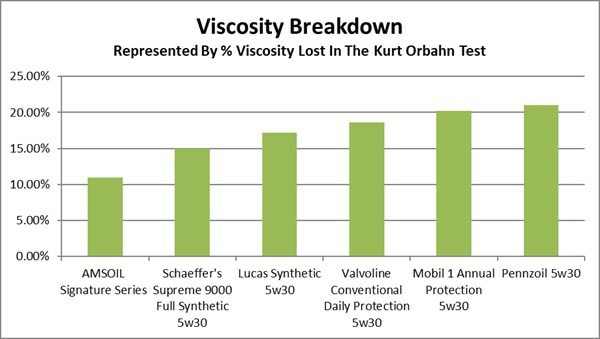
Credit: www.k16synthetics.com
Fuel Economy And Engine Response
Better lubrication means less internal friction, which can improve fuel economy and engine response.
Amsoil often delivers a slight increase in MPG, especially in modern, tight-tolerance engines. Drivers report 1-3% fuel savings after switching, which adds up over time.
Schaeffer may not always show the same MPG bump, but users notice smoother operation, especially under load, and a quieter engine—especially important for trucks and work vehicles.
Compatibility With Engines And Applications
Amsoil covers a broad spectrum: gas, diesel, motorcycles, marine, small engines, and even racing. Their product line is huge, and they offer oils for nearly every specification (Dexos, Euro, API, ACEA, etc.).
Schaeffer is popular among commercial fleets, agriculture, and trucking. Their oils are trusted in mining equipment, diesel pickups, and big rigs. They also make products for passenger vehicles but have a niche following among those who want industrial-grade protection.
Price And Value
Amsoil is priced at a premium. Expect to pay more per quart compared to mainstream synthetic oils. However, the longer drain intervals and engine protection can offset the cost if you plan to keep your vehicle for years.
Schaeffer is generally less expensive per quart, especially when bought in bulk. Fleets and businesses often choose Schaeffer for the combination of cost, protection, and oil analysis support.
Cost Comparison Example
Here’s a simple look at how much you might spend using each oil for 30,000 miles in a typical truck:
| Brand | Oil Change Interval | Quarts per Change | Quarts Used (30k miles) | Price per Quart | Total Oil Cost |
|---|---|---|---|---|---|
| Amsoil | 15,000 miles | 6 | 12 | $11 | $132 |
| Schaeffer | 10,000 miles | 6 | 18 | $8 | $144 |
This does not include oil filters or labor. As you see, the real-world cost is often close, but Amsoil means fewer oil changes and less downtime.
Oil Analysis Data: What Lab Tests Reveal
Oil analysis gives the best picture of how an oil performs inside your engine. I’ve sent dozens of samples to the lab over the years.
Amsoil usually shows excellent oxidation resistance, low volatility, and consistent viscosity after thousands of miles. Wear metals (like iron and aluminum) stay low, indicating strong protection.
Schaeffer often wins in terms of keeping wear metals even lower, thanks to the moly. Lab reports frequently show better results in high-stress engines, especially diesels, after using Schaeffer.
Here’s a side-by-side look from two actual oil analysis reports after 10,000 miles in diesel pickups:
| Oil Brand | Iron (ppm) | Aluminum (ppm) | Viscosity (cSt) | TBN (Detergent Reserve) | Oxidation |
|---|---|---|---|---|---|
| Amsoil | 12 | 4 | 12.3 | 6.8 | Low |
| Schaeffer | 9 | 3 | 12.1 | 7.2 | Low |
Both oils perform well, but Schaeffer shows slightly less wear in this example.
Warranty And Engine Guarantees
Amsoil offers an engine warranty if you follow their recommendations and use their oil and filters. Their warranty is well-respected and gives peace of mind to those who worry about extended intervals.
Schaeffer does not have a formal warranty like Amsoil, but their products are API-certified and OEM-approved. For commercial users, Schaeffer’s support and oil analysis program often help catch issues before they become big problems.
Customer Support And Dealer Networks
Amsoil sells mainly through independent dealers and their website. Their support is solid, and you can get technical advice quickly. However, you won’t find Amsoil at every auto parts store—planning ahead is key.
Schaeffer uses a distributor model. Their reps often work directly with businesses and fleets, offering personalized service, bulk pricing, and oil analysis kits. For regular car owners, finding Schaeffer can be harder, but their customer service is strong if you connect with a distributor.
Environmental Impact
Amsoil’s longer drain intervals mean less oil waste over time. Their bottles are recyclable, and the company invests in eco-friendly manufacturing.
Schaeffer uses biodegradable additives in some products and focuses on oils that maintain protection longer, reducing overall consumption. They are less vocal than Amsoil about environmental initiatives but score well in independent reviews.
Real-world Experiences: What Owners Say
Over the years, I’ve worked with hundreds of vehicle owners and mechanics who use both brands. Here’s what stands out:
- Amsoil fans praise smoother cold starts, less engine noise, and the freedom to go longer between changes. Performance car owners often refuse to use anything else.
- Schaeffer loyalists talk about engines running cooler, especially in heavy-duty use, and lower operating costs over time. Fleet managers like the consistency and support.
- In rare cases, some engines seem to prefer one oil over the other—this often comes down to design quirks or past maintenance history.
Non-obvious Insights Most Beginners Miss
- Oil analysis pays for itself: Whether you use Amsoil or Schaeffer, sending a sample to the lab every 10,000 miles can save you thousands. It reveals early signs of engine wear, coolant leaks, or fuel dilution before you see a warning light.
- Additive clash can occur: Mixing oils with different additive packages (like Amsoil and Schaeffer) can sometimes reduce performance. It’s best to stick to one brand and type between changes.
- Filter quality matters: Premium oil is only half the battle. Use a high-quality filter—Amsoil’s filters are top-tier, and Schaeffer recommends brands like Baldwin and Fleetguard for optimal results.
- Extended intervals need the right driving style: If you do mostly short trips or heavy towing, you should shorten intervals or do more frequent analysis, even with premium oils.
- Cold pour point and high-temp stability: Look for the oil’s cold pour point and high-temp viscosity. Amsoil tends to have a lower pour point, which is better for extreme cold. Schaeffer’s high-temp stability shines in heavy-duty use.
Choosing The Right Oil For Your Vehicle
Let’s break it down by use case:
For Daily Drivers
If you want the fewest oil changes and maximum engine protection, Amsoil Signature Series is hard to beat. You pay more up front but save time and reduce hassle.
For Trucks, Towing, Or Fleets
Schaeffer 9000 Series or Supreme 7000 are favorites among diesel owners and fleet operators. The moly additive gives an edge in reducing wear under constant load.
For Performance Cars
Amsoil has a strong track record in racing and high-performance engines. If you track your car or push high RPMs, the stable synthetic base is ideal.
For Older Or High-mileage Engines
Schaeffer’s additive technology helps engines run smoother and quieter as they age. Many older engines respond well to the extra moly and Penetro.
For Extreme Cold Or Heat
Amsoil outperforms in extreme cold, delivering faster oil flow on startup. Schaeffer does great in sustained high-heat and heavy-load conditions.
Common Buyer Mistakes
- Ignoring manufacturer specs: Always check your owner’s manual for viscosity and certification requirements. Both brands offer oils that meet most specs, but don’t guess.
- Thinking all synthetics are equal: Base oils and additives matter more than just the “synthetic” label.
- Overextending drain intervals without analysis: Even premium oils have limits, especially if your engine has fuel dilution or coolant leaks.
- Using cheap filters: A bargain filter can undo the benefits of premium oil. Spend the extra money on a high-quality filter.
- Buying from unreliable sources: Stick to official dealers or distributors to avoid counterfeit or outdated oil.
How Amsoil And Schaeffer Stack Up Side By Side
Here’s a quick reference guide for busy readers:
| Feature | Amsoil | Schaeffer |
|---|---|---|
| Base Oil Type | 100% Synthetic | Synthetic Blend / Para-synthetic |
| Main Additives | Proprietary package | Molybdenum, Penetro |
| Extended Intervals | Up to 25,000 miles | Up to 15,000 miles (with analysis) |
| Best For | Long intervals, performance | Heavy-duty, high load, fleets |
| Price per Quart | Higher | Moderate |
| Availability | Online, dealers | Distributors, some stores |
Which Oil Should You Choose?
If you want the ultimate in extended drain performance, drive in extreme climates, or own a high-performance car, Amsoil is a great choice. If you manage a fleet, tow heavy, or want robust wear protection with industry-leading additives, Schaeffer is hard to beat.
From my own work on engines, I can say both oils will protect your engine far better than bargain brands. The final decision often comes down to your specific needs, how long you keep your vehicles, and what you value most—long intervals, price, or proven industrial-grade protection.
For most people, either brand is a major upgrade. But if you’re the type who wants to see lab numbers and maximize every dollar, pair your oil with regular analysis. That’s how you unlock the real value, no matter which brand you choose.
For more detailed specifications and technical documents, visit the Bob Is The Oil Guy forum, which is a respected resource among oil experts.
Frequently Asked Questions
Is Amsoil Or Schaeffer Better For Diesel Engines?
Both are excellent, but Schaeffer is often preferred for diesel trucks and fleets because of its moly additive and proven wear protection in high-load environments. Amsoil also performs very well, especially if you want the longest oil change intervals.
Can You Switch Between Amsoil And Schaeffer Without Flushing The Engine?
Yes, you can switch between these brands, but it’s best to change the filter and drain the old oil completely. Avoid mixing them, as their additive packages are different and could reduce performance if blended.
Does Using Amsoil Or Schaeffer Void My Vehicle’s Warranty?
No. Both brands meet or exceed manufacturer specs and carry the necessary certifications. Always keep records of changes and use the correct oil grade for your vehicle.
How Do I Know If I Can Extend My Oil Change Interval?
Use oil analysis. Send a sample after your usual interval. If the lab says the oil is still good, you can safely extend the interval. Both Amsoil and Schaeffer support this practice.
Where Can I Buy Amsoil And Schaeffer Oils?
Amsoil is available through their website and authorized dealers. Schaeffer is sold through distributors and some auto parts stores. For bulk or fleet orders, contact the brands directly for the best pricing and support.
Choosing between Amsoil and Schaeffer isn’t just about the label—it’s about matching your oil to your engine’s real-world needs. Both brands offer outstanding protection when used correctly. If you invest in regular oil analysis and quality filters, you’ll get the maximum life out of your engine, whichever brand you pick.
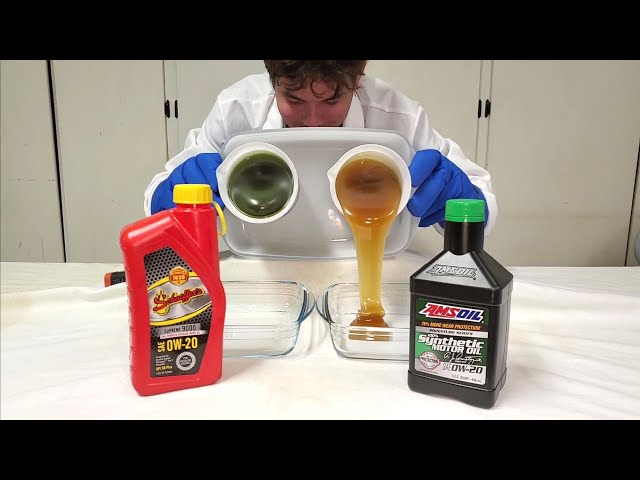
Credit: www.youtube.com