
Are Gdi Engines Good?
Gasoline Direct Injection (GDI) engines have become very popular in modern cars. You see these engines in many brands, from Toyota and Ford to Hyundai and Volkswagen. But are GDI engines good? Let’s explore their strengths, weaknesses, and what drivers should really know before buying a car with a GDI engine.
What Is A Gdi Engine?
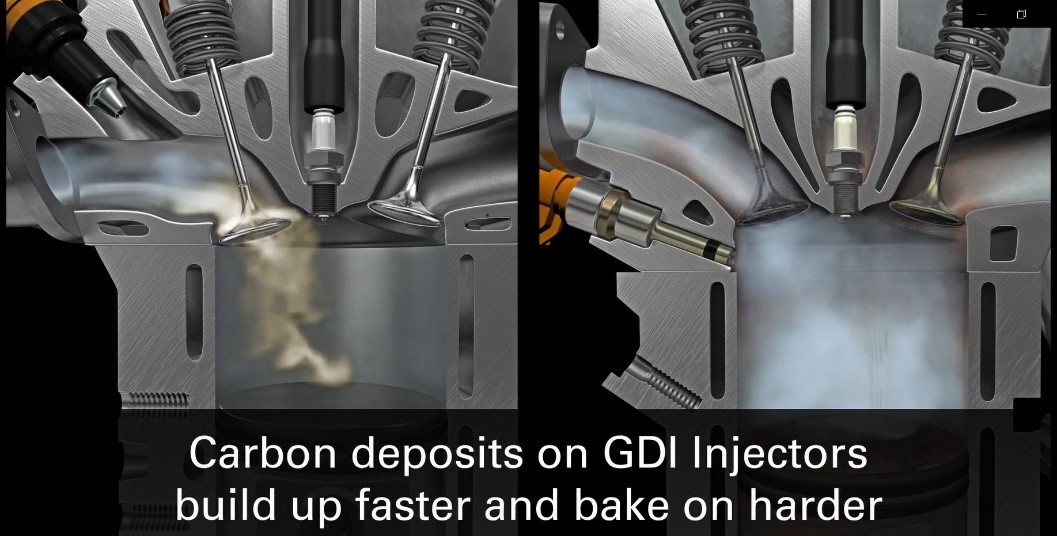
A GDI engine is a type of gasoline engine where fuel is injected directly into the combustion chamber. This is different from older engines, which spray fuel into the intake manifold. GDI systems use high-pressure injectors, allowing for more precise control of fuel delivery.
Why is this important? Direct injection helps improve fuel efficiency, power output, and emissions. Car companies use GDI technology to meet stricter environmental rules and give drivers more performance.
The Benefits Of Gdi Engines
GDI engines offer several real advantages. Let’s look at the most important ones:
- Better Fuel Efficiency
- GDI engines mix fuel and air more precisely. This means less wasted fuel and more miles per gallon (MPG).
- For example, the Hyundai Sonata with GDI can get up to 28 MPG city and 38 MPG highway, which is better than similar non-GDI models.
- More Power
- Direct injection allows higher compression ratios and more complete combustion.
- Many GDI engines offer turbocharging, adding extra horsepower without increasing engine size.
- Lower Emissions
- GDI engines produce fewer CO2 emissions because they burn fuel more efficiently.
- This helps automakers meet environmental standards and keeps the air cleaner.
- Smooth Performance
- Drivers often notice quicker throttle response and smoother acceleration. This makes city driving and highway merging feel easier.
- Smaller Engine, Same Power
- GDI technology lets manufacturers use smaller engines with the same or even more power than older, larger engines.
Tested 8 Best Oil for GDI Engines (2026): Prevent LSPI & Carbon Buildup
Key Drawbacks Of Gdi Engines
Despite their strengths, GDI engines have some weaknesses that buyers should consider:
- Carbon Build-Up
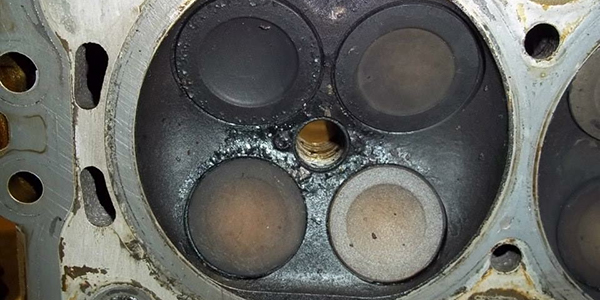
- One of the biggest issues is carbon deposits on the intake valves. Because fuel is injected directly, it doesn’t wash over the valves and remove carbon.
- Over time, this can cause rough idling, loss of power, and higher repair costs.
- Higher Maintenance Costs
- GDI engines often need special maintenance, such as walnut blasting to clean the valves.
- Spark plugs and injectors may need replacing more often. Neglecting maintenance can lead to expensive engine repairs.
- More Complex Parts
- GDI systems use high-pressure fuel pumps and advanced injectors. These parts can be more expensive and harder to fix if they fail.
- Potential for Engine Knocking
- GDI engines may be more prone to engine knocking (also called “pinging”), especially if you use low-quality fuel. Knocking can damage the engine over time.
- Higher Particulate Emissions
- While GDI engines reduce CO2, they sometimes produce more tiny particles (PM). Some automakers now add extra filters to solve this problem.
Real-world Examples: Gdi Engine Cars
Many popular cars use GDI engines. Here are a few examples:
- Ford EcoBoost: Uses GDI with turbocharging. Offers high power and good fuel economy but can suffer from carbon build-up.
- Volkswagen TSI: Known for smooth power and efficiency. Owners report excellent performance but sometimes higher maintenance costs.
- Hyundai Theta-II: Found in Sonata and Elantra. Great MPG, but needs regular maintenance to avoid carbon deposits.
Gdi Vs. Traditional Port Injection Engines
To help you understand the differences, here is a comparison table:
| Feature | GDI Engine | Port Injection Engine |
|---|---|---|
| Fuel Efficiency | Higher | Lower |
| Power Output | Higher | Lower |
| Maintenance Needs | More frequent | Less frequent |
| Carbon Build-Up | High risk | Low risk |
| Emissions | Lower CO2, higher PM | Higher CO2, lower PM |
Gdi Engine Maintenance: What Owners Must Know
If you own a GDI engine, you need to pay close attention to maintenance. Here are some practical tips:
- Use Top-Tier Gasoline
- Higher-quality fuel helps reduce carbon build-up and engine knocking.
- Regular Oil Changes
- Clean oil keeps the engine and injectors working smoothly.
- Walnut Blasting
- This process removes carbon from intake valves. Many experts recommend cleaning every 40,000–60,000 miles.
- Fuel System Cleaners
- Some additives can help, but always check your car’s manual first.
- Change Spark Plugs Early
- GDI engines can be tough on spark plugs. Replace them sooner than the traditional interval.
- Monitor Check Engine Light
- If it comes on, get your engine checked right away. Ignoring problems can lead to expensive repairs.
Gdi Engine Longevity: How Long Do They Last?
GDI engines can last as long as traditional engines if you maintain them well. Many GDI-powered cars reach 150,000–200,000 miles without major problems. However, lack of maintenance is the main reason for early failures.
One non-obvious insight: GDI engines in countries with poor fuel quality often suffer more problems. If you live in a place with low-quality gasoline, you may need more frequent maintenance.
Best Fuel Injector Cleaner For GDI Engines: This Cleaner Fixed It Instantly
Are Gdi Engines Worth It?
If you want better fuel economy and power, GDI engines are a strong choice. But they need more care and maintenance. For drivers who don’t mind regular service and can use high-quality fuel, GDI engines are good.
Some buyers make the mistake of ignoring maintenance, thinking GDI engines are “set and forget. ” This can lead to costly repairs later. If you’re buying a used car with a GDI engine, always ask for maintenance records.
Comparing Gdi To Newer Engine Technologies
There are newer engine types, like hybrid and electric motors, and even engines with both port and direct injection (dual injection). Here’s a brief comparison:
| Technology | Fuel Efficiency | Maintenance | Emissions |
|---|---|---|---|
| GDI | High | Moderate | Low CO2, higher PM |
| Port Injection | Moderate | Low | Higher CO2 |
| Hybrid | Very High | Low | Lowest |
| Electric | Highest | Lowest | Zero |
| Dual Injection | High | Low | Low |
Dual injection engines combine the strengths of GDI and port injection. They help reduce carbon build-up and keep performance high.
Common Myths About Gdi Engines
Let’s clear up some misunderstandings:
- “GDI engines always have carbon problems.”
- Not true. Good maintenance and high-quality fuel can prevent most issues.
- “GDI engines are unreliable.”
- They are as reliable as traditional engines if cared for properly.
- “You must use premium gasoline.”
- Most GDI engines work well with regular fuel, but premium can help prevent knocking in some models.
Gdi Engine Market Trends
Many automakers are moving towards GDI because it helps them meet fuel economy and emissions rules. Today, about 50% of new cars sold in the US have GDI engines. Experts predict this will keep growing.
However, some brands are now using dual injection systems to solve carbon build-up and particulate problems. Toyota’s D-4S system is a good example.
Environmental Impact
GDI engines reduce CO2 emissions, which is good for the environment. But the higher particulate emissions (PM) are a concern. Some governments require special filters, called particulate filters, to catch these tiny particles.
If you care about the environment, ask your dealer if your car has a particulate filter. This can make a big difference in air quality.
Is A Gdi Engine Right For You?
Think about your driving habits and local fuel quality. If you drive long distances, want better MPG, and don’t mind regular maintenance, GDI engines are a smart pick. If you prefer low maintenance and live in a place with poor fuel, a traditional engine may suit you better.
One overlooked tip: If you only drive short distances (like city commutes), carbon deposits can build up faster. Highway driving helps burn off carbon, keeping the engine cleaner.
Frequently Asked Questions
Are Gdi Engines Reliable?
Yes, GDI engines are reliable if you follow the right maintenance. Regular oil changes, quality fuel, and cleaning intake valves help prevent most problems. Neglect is the main cause of engine failures.
Do Gdi Engines Need Premium Gasoline?
Most GDI engines work fine with regular fuel, but some turbocharged models need premium gasoline to avoid knocking. Always check your car’s manual for fuel recommendations.
How Often Should I Clean Gdi Intake Valves?
Experts suggest cleaning the intake valves every 40,000–60,000 miles, especially if you notice rough idling or loss of power. Some cars with dual injection may need cleaning less often.
Are Gdi Engines Better Than Hybrid Engines?
GDI engines offer good fuel economy and power. Hybrid engines are better for city driving and produce less pollution. If you want maximum efficiency and low emissions, hybrids are usually better.
What Is Walnut Blasting In Gdi Engines?
Walnut blasting is a cleaning method for removing carbon deposits from intake valves. Technicians use crushed walnut shells to blast away buildup without harming the engine. It’s a common service for GDI cars.
Final Thoughts
So, are GDI engines good? The answer is yes—if you value fuel efficiency, power, and are willing to keep up with the maintenance. GDI technology is a smart step forward in engine design, but it comes with some extra care. The smartest drivers stay informed, use good fuel, and don’t skip service. For more technical details, check out this resource: Wikipedia. With the right habits, a GDI engine can be a great choice for your next car.