
Are Pennzoil And Shell The Same?
Pennzoil and Shell are not exactly the same brand, but Pennzoil is owned and produced by Shell plc, the global energy company. Shell acquired the Pennzoil-Quaker State motor oil business in 2002, and since then Pennzoil products have been manufactured and marketed under Shell Lubricants, alongside Shell’s own lubricant brands.
No, Pennzoil is owned by Shell, but the oils and formulas differ.
If you’ve ever wondered Are Pennzoil and Shell the same?, you’re not alone. I’ve worked with both brands in shops and personal builds. I’ve tested them in daily drivers and track days. In this guide, I break down how the brands connect, where they differ, and how to choose the right oil for your engine with confidence.
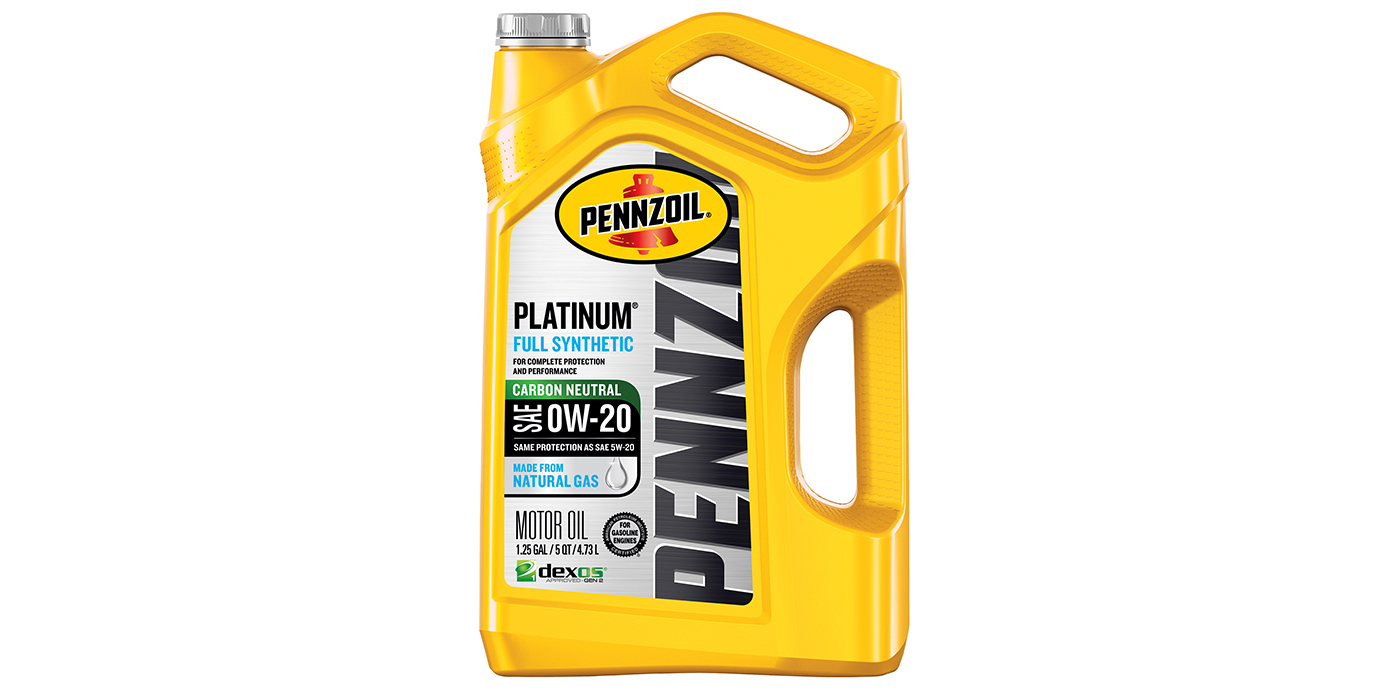
Who owns Pennzoil and how it ties to Shell
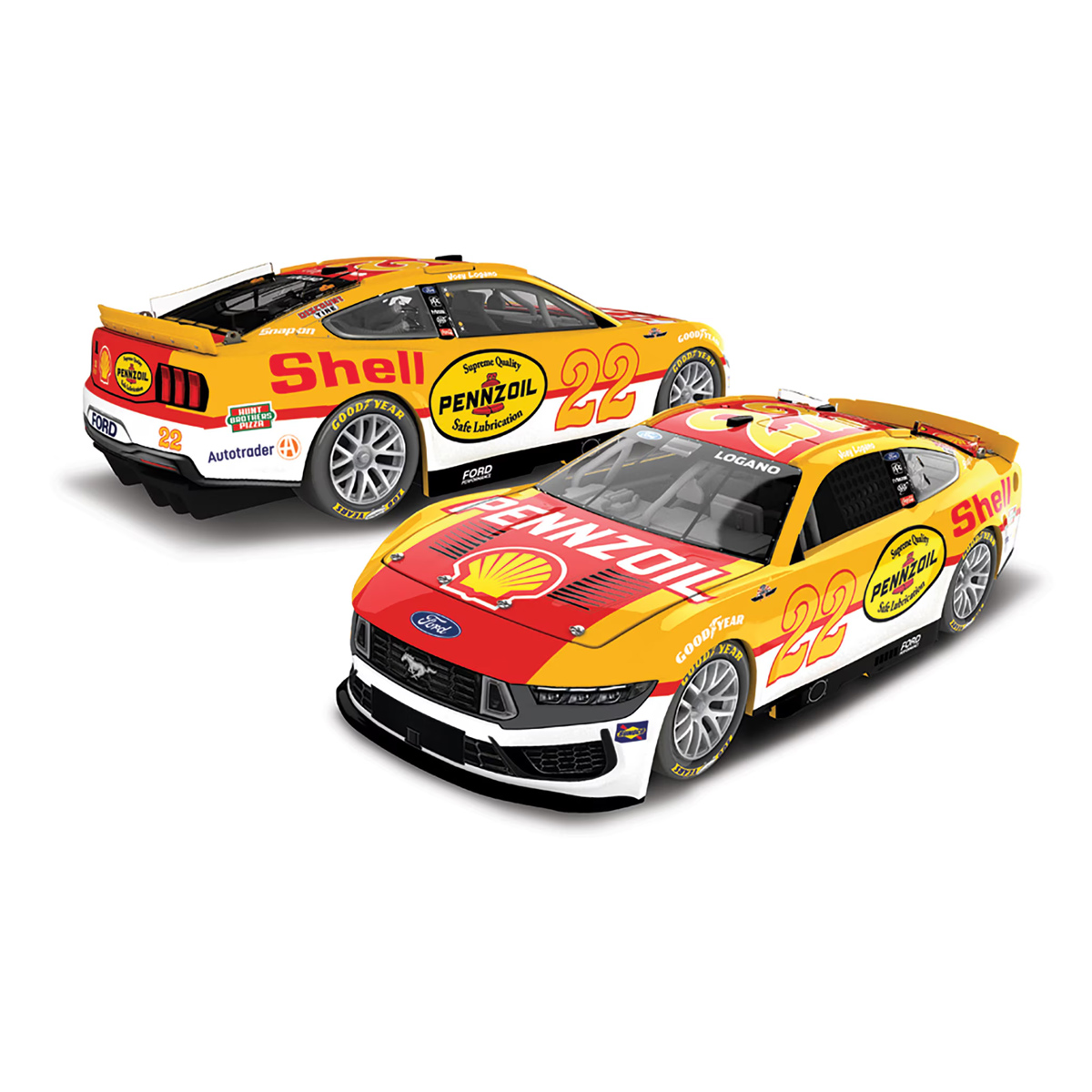
Pennzoil is a motor oil brand that started as an American company. In 2002, Shell acquired Pennzoil-Quaker State Company. Since then, Pennzoil has been part of Shell’s global lubricants family. So, Are Pennzoil and Shell the same? From a corporate view, they share the same parent, Shell.
What does that mean for you? Shared research, base oil supply, and scale. It also means Pennzoil benefits from Shell’s big R&D labs and quality systems. But the bottles are not twins. The marketing, add-pack choices, and product lines can be different. This is key to the question: Are Pennzoil and Shell the same?
What is actually different in the bottle?
Let’s get under the cap. Pennzoil Platinum and Ultra Platinum use PurePlus base oil. That base oil is made from natural gas using Shell’s GTL process. It is a very pure Group III+ base. Shell uses this GTL base in some Shell-branded lines too, like Shell Helix Ultra in other regions.
Additive packages can differ by brand, region, and use case. That is where much of the performance changes. Detergents, anti-wear, friction modifiers, and seal conditioners can vary. So, Are Pennzoil and Shell the same? No. They share tech, but blends and approvals can be unique to each label.
Here is the simple picture:
- Base oils often share the same GTL source.
- Additives and targets differ by brand and market.
- Approvals and viscosity choices can vary by product line.
European engines run hotter and have tighter tolerances, leading many to ask: is Pennzoil good for European car performance in the long run?
Pennzoil vs. Shell product lines at a glance
Think of the brands like siblings. Same family, different strengths. Are Pennzoil and Shell the same? They are related, yet built for different audiences.
- Pennzoil Platinum and Ultra Platinum: Aimed at modern gas engines. Great in turbo DI cars. Known for cleanliness claims and low volatility.
- Pennzoil High Mileage: For older engines with leaks or oil burn. Adds seal conditioning and extra detergents.
- Shell Helix (outside North America): Similar role to Pennzoil in many markets. Helix Ultra also uses PurePlus GTL base oil.
- Shell Rotella: Focused on diesel and heavy-duty. Popular with fleets and diesel pickups. Some car enthusiasts use Rotella in special cases, but follow the spec needs.
Are Pennzoil and Shell the same? Not in how they segment the shelves. Each brand fills a clear niche even when they share core tech.
Standards, approvals, and warranties
Good oil is more than a brand name. It is the standards it meets. For gas engines, look for API SP and ILSAC GF-6A or GF-6B. Many Pennzoil products meet these. Many also carry GM dexos1 Gen 3 approval, which is strict for turbo DI engines. Shell Helix lines abroad often target ACEA and OEM specs common in Europe.
Pennzoil offers a Lubrication Limited Warranty on select products when you follow rules. That includes using the right oil and keeping receipts. Shell offers different support for its other lines, like Rotella, with their own terms. So, Are Pennzoil and Shell the same? Not when it comes to approvals and warranty terms. Always check the exact bottle and the spec sheet.

Real-world experience: what I have seen in engines
In my shop time, I used Pennzoil Platinum 5W-30 in a turbo DI hatch that ran hot. Tear-down checks showed clean valve covers and low varnish. Used oil analyses showed low wear metals in normal intervals. Cold starts were smooth even in winter mornings.
On a long-haul diesel, Shell Rotella T6 held up under heavy load. Soot control and shear stability were solid across long intervals. Both results line up with lab data and field reports. Are Pennzoil and Shell the same? On results, both can be great, but they shine in different roles.
Tips from the bay:
- Match the spec first, then the brand.
- If you have LSPI-prone engines, favor dexos1 Gen 3 or API SP with LSPI defense.
- For diesel trucks, pick the right Rotella grade and API category.
- If leaks or burn are issues, try a high mileage formula.
How to choose the right oil for your car
Start with your owner’s manual. The right viscosity and approvals come first. Then look at your driving style and climate. This is how I guide customers in a quick, clear way.
Follow these steps:
- Check your manual for viscosity and specs like API, ILSAC, ACEA, or OEM approvals.
- Decide your interval based on your driving. Short trips need shorter intervals.
- Pick the product line that matches your use. Daily driver, towing, or high mileage.
- If your car needs dexos1 Gen 3, verify it on the label or data sheet.
- Balance price and value. Rebates can make premium oils a smart buy.
Are Pennzoil and Shell the same? No, but both cover the big needs. The best oil is the one that meets your spec and fits your use.
How to read labels and avoid counterfeits
Counterfeits exist in the oil world. Bad oil can ruin an engine fast. Protect yourself with a short label and packaging check.
Look for:
- Sealed caps and intact safety rings.
- Clear batch codes and date codes stamped on the bottle.
- Crisp print, correct color, and proper logos.
- API Donut and Starburst or OEM approval logos where claimed.
- Buy from trusted stores or direct from brand stores online.
When in doubt, scan the QR code if given and confirm batch info. Are Pennzoil and Shell the same? They share systems, but each has its own packaging and codes. Compare to the brand’s official images if unsure.
Frequently Asked Questions of Are Pennzoil and Shell the same?
Are Pennzoil and Shell the same?
No. Pennzoil is a brand owned by Shell, but the formulas and product lines differ. They share some technology and base oils, yet the blends and approvals are not identical.
Does Pennzoil use Shell’s PurePlus GTL base oil?
Yes, in lines like Pennzoil Platinum and Ultra Platinum. That base oil comes from natural gas and is very pure.
Is Shell Helix the same as Pennzoil?
They are close cousins in many ways but not the same. Helix targets markets outside North America and follows ACEA and regional OEM specs.
Can I switch between Pennzoil and Shell oils?
Yes, if both meet your car’s required specs and viscosity. Always match API, ILSAC, ACEA, or OEM approvals first.
Is Pennzoil better than Shell or vice versa?
It depends on your engine and specs. Choose the oil that meets the exact approvals your car needs and fits your use case.
Will using Pennzoil affect my warranty?
No, as long as the oil meets the required specs in your manual. Keep receipts and follow the service interval.
Do Pennzoil and Shell have the same additive packages?
Not always. Additive packages can differ by brand, product line, and market goals.
Conclusion
Are Pennzoil and Shell the same? From a corporate angle, yes, they are under one roof. In the bottle, no. They share technology, but the blends, approvals, and missions are different. The smart move is to match the exact spec your engine needs, then pick the brand and product line that fits your driving and budget.
Use the steps in this guide on your next oil change. Your engine will thank you for it. Want more deep dives like this? Subscribe, share your questions, or drop a comment with your setup and I will help you find the best match.