
A vehicle running on worn parts often stumbles, shakes at stoplights, and drinks much more gasoline than usual. Recognizing classic bad spark plug symptoms allows you to fix weak combustion before unburned fuel ruins your expensive catalytic converter. Replacing these inexpensive plugs restores easy cold starts, smooth idle speeds, and factory throttle response.
Common Signs of Failing Spark Plugs
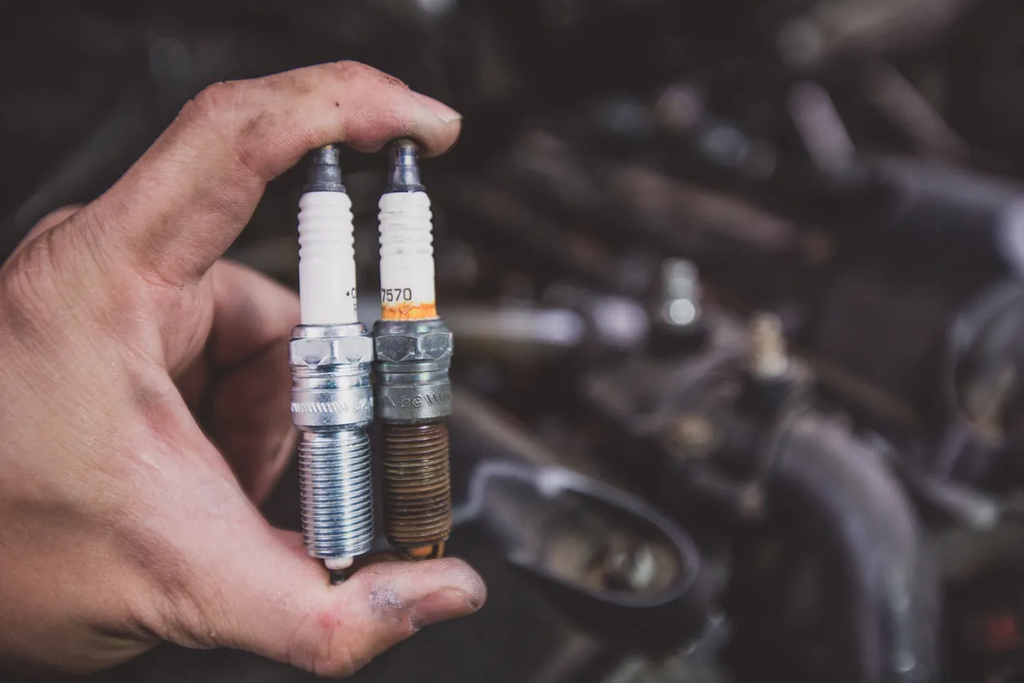
Worn spark plugs can’t produce the strong, clean spark your engine needs to ignite fuel smoothly. When the spark weakens or fails entirely, the engine misses combustion cycles and creates noticeable performance troubles. Drivers usually notice these warnings during everyday driving, especially when starting cold or speeding up on highways.
A failing plug changes how the car sounds, feels, and responds to your right foot. If you spot more than one of the symptoms listed below, inspect your plugs immediately.
- Engine stumbles or shakes while you wait at a red light.
- Starting takes several seconds of prolonged cranking.
- Fuel consumption jumps noticeably on your weekly commute.
- Acceleration feels sluggish, flat, or hesitant when passing.
- Check engine light flashes or glows steadily on the instrument cluster.
How Spark Plugs Affect Engine Combustion
An internal combustion engine relies on a timed mix of compressed air, atomized fuel, and a hot electrical arc. The spark plug delivers that arc across a small gap between its center and ground electrodes. If the gap widens from metal erosion, the ignition coil must supply much higher voltage to jump the space.
When voltage demands exceed what your ignition system can deliver, the spark fails to bridge the gap. That leaves unspent fuel in the cylinder head, which wastes thermal energy and drops cylinder pressure. Clean, precise ignition creates an even flame front across the piston top, generating steady mechanical power with minimal exhaust soot.
Why Your Engine Experiences Misfires
An engine misfire happens when the air-fuel charge inside a combustion chamber fails to ignite properly. As plugs wear down, their sharp electrode edges round off, requiring extra electrical energy to spark. Under heavy loads, such as driving up a steep hill, the dense cylinder pressure makes sparking even harder.
The ignition coil can’t always bridge the widened gap under that intense pressure, causing an intermittent misfire. A misfire sends raw fuel down the exhaust manifold, producing a jerky, bucking sensation through the chassis. If the misfire happens repeatedly on one specific cylinder, the car’s computer logs a diagnostic trouble code such as P0301 or P0304.
Causes of Rough Idling and Vibration
A healthy engine idles smoothly at a steady speed, usually between 600 and 800 RPM. When one or more spark plugs degrade, combustion forces become uneven between the working cylinders. That imbalance creates a rough, rhythmic vibration you can feel through the steering wheel and seat cushions.
Rough idle gets worse because modern engines pull the throttle closed to save fuel when stationary. At these low engine speeds, weak electrical sparks struggle most against the lean fuel mixture. A common mistake is buying costly new engine mounts to stop cabin shaking, when a basic set of plugs was the real cure.
Impact on Fuel Economy and Efficiency
Worn plugs directly hurt fuel economy because incomplete combustion leaves usable energy unburned. Your car burns gasoline to push the pistons, but unspent fuel simply blows out through the exhaust valves. According to the EPA fueleconomy.gov guide on engine maintenance, fixing a car that’s noticeably out of tune or has failed its emissions test can boost gas mileage by roughly 4 percent.
The downstream oxygen sensor detects this unburned fuel and prompts the engine computer to adjust fuel trim levels. Sometimes the computer mistakenly adds extra fuel, thinking the engine runs lean, which wastes even more fuel. The trade-off for delaying a plug swap is spending far more on extra gasoline over several months than the replacement parts cost.
Difficulty Starting Your Vehicle
Cranking an engine requires strong electrical energy from both the starter battery and the ignition system. Cold fuel doesn’t vaporize as easily as hot fuel, so cold engines need an intense, fat spark to catch fire. Old, corroded plugs produce thin, weak sparks that may fail to ignite cold fuel droplets entirely.
If your battery and starter motor crank the engine briskly but the car refuses to fire up, examine the plugs. Extended cranking cycles also overheat the starter motor and draw heavy amps from your battery. Replacing worn plugs ensures fast ignition on cold mornings without draining the vehicle’s electrical reserves.
Recognizing Poor Acceleration and Power Loss
When you press the accelerator pedal, the engine ingests a sudden surge of air and fuel. This rapid change raises cylinder pressure instantly, demanding maximum spark energy from the ignition plugs. If the electrode gap is worn wide, the spark blows out like a candle in a breeze.
Your vehicle will hesitate, lag, or feel completely lifeless instead of accelerating smoothly onto a fast highway. This power loss becomes dangerous when merging into fast-moving traffic or attempting to pass heavy commercial trucks. Fresh plugs restore crisp throttle response, allowing your transmission to hold gears without hunting constantly for lower ratios.
Interpreting Spark Plug Deposit Colors
Reading the color of the firing tip reveals exactly what happens inside the combustion chamber. A healthy plug shows a light gray or light tan deposit across the porcelain insulator nose. Unusual colors, blistered metal, or heavy wetness point directly to deeper engine issues or incorrect operating temperatures.
Black Sooty Deposits
Dry, black, velvety soot covering the tip points to carbon fouling from too much fuel or weak ignition voltage. A clogged engine air filter, a stuck fuel injector, or excessive idling can cause these heavy deposits. The conductive soot coating bleeds electrical voltage directly to ground, stopping the plug from sparking across the gap.
White Blistered Deposits
A chalky white, glazed, or blistered ceramic insulator indicates severe combustion overheating inside that cylinder. Overheating occurs from incorrect ignition timing, a dangerously lean air-fuel ratio, or installing a plug with the wrong heat range. Extreme heat melts the electrode tips, which can drop molten metal chunks into the cylinder and score the walls.
Oil Fouling and Wet Plugs
An oily, wet, dark plug tip shows that engine motor oil entered the combustion space. Oil slips past worn piston rings, hardened valve stem seals, or a failed head gasket. The thick oil quickly bridges the spark gap, killing combustion and causing a persistent, dead cylinder misfire.
When to Replace Your Spark Plugs
Automakers specify replacement intervals based on the metallurgy used on the plug electrodes. Traditional copper plugs feature a nickel-alloy coating that erodes relatively quickly under daily heat. Platinum and iridium plugs use hard precious metals that resist high-voltage spark erosion for much longer periods.
- Copper core plugs: Replace every 20,000 to 30,000 miles.
- Single platinum plugs: Replace every 50,000 to 60,000 miles.
- Double platinum plugs: Replace every 80,000 to 100,000 miles.
- Iridium or ruthenium plugs: Replace every 100,000 to 120,000 miles.
This assumes normal factory driving conditions; severe use, like constant towing or stop-and-go taxi work, cuts these service intervals shorter. Check your vehicle owner’s manual in the maintenance schedule chapter to find the exact mileage interval for your model.
Differentiating Ignition Issues from Fuel Problems
Ignition issues and fuel delivery failures share many overlapping symptoms, such as stumbling and hesitating under load. A simple decision rule helps separate the two: if the engine bucks sharply under sudden acceleration, suspect the ignition system; if it surges, starves, or cuts out steadily at high RPM, suspect fuel flow. Faulty fuel pumps usually starve the entire engine evenly, whereas failing spark plugs create sharp, isolated cylinder drops.
Home mechanics can safely inspect external plug condition, check wiring harnesses, and read engine fault codes with a hand-held scanner. However, testing fuel rail pressure, testing live electrical pulse waveforms, or replacing internal intake injectors crosses the safety wall into professional shop work. Escalate the job to a certified automotive technician when basic plug swaps don’t clear persistent misfire codes.
Risks of Ignoring Worn Ignition Components
Postponing a routine spark plug replacement leads to severe, expensive secondary damage across your vehicle. Unburned fuel pumped out by a misfiring cylinder travels straight down the exhaust piping into the catalytic converter. The converter burns this raw fuel internally, driving its core temperature past safe limits and melting the ceramic honeycomb inside.
Replacing a melted catalytic converter costs thousands of dollars, turning a cheap maintenance task into a major financial headache. Misfiring also dilutes the engine oil with raw gasoline, washing away protective lubrication films from cylinder walls. Over time, this fuel wash causes premature piston ring wear and accelerates total engine bearing failure.
Frequently Asked Questions
Can bad spark plugs cause a check engine light to turn on?
Yes, failing plugs frequently trigger the dashboard check engine light. The engine control module continuously tracks crankshaft rotational speed to detect whenever a cylinder fails to fire cleanly. When a misfire occurs, the computer illuminates the light and stores diagnostic codes between P0300 and P0308.
Is it safe to drive with a misfiring cylinder?
You should avoid driving with an active misfire beyond limping home or reaching a nearby repair shop. If the check engine light flashes rapidly, pull over and shut the vehicle down safely. A flashing light warns that raw fuel is overheating the catalytic converter, which risks a severe exhaust fire.
Do all spark plugs need to be replaced at the same time?
Always replace spark plugs as a complete engine set, never just one individual plug. All plugs experience the same operating heat cycles, electrical stress, and mechanical wear over time. Leaving old plugs mixed with new ones creates uneven cylinder balances and guarantees another misfire soon.
How do I know if I need copper, platinum, or iridium plugs?
Look up your factory engine specifications in your vehicle owner’s manual before buying replacements. Never downgrade an engine designed for iridium or platinum plugs down to standard copper plugs.
Bad Spark Plug Symptoms Vehicle Type
Heavy pickup trucks and large SUVs with worn plugs exhibit pronounced shuddering when towing trailers or climbing highway grades. Compact commuter cars with small four-cylinder engines usually display severe idle vibration and dramatic drops in city fuel efficiency. Performance turbocharged cars suffer sharp power cutoffs under boost pressure when electrode gaps widen beyond factory limits.
Conclusion
This maintenance guide isn’t for drivers of fully electric vehicles, which don’t use spark plugs or liquid fuel combustion. Inspecting your ignition components at the first sign of rough operation keeps your car dependable and guards against pricey exhaust repairs. Pulling a suspect plug for a visual check remains the quickest way to verify engine health and maintain smooth daily driving.