
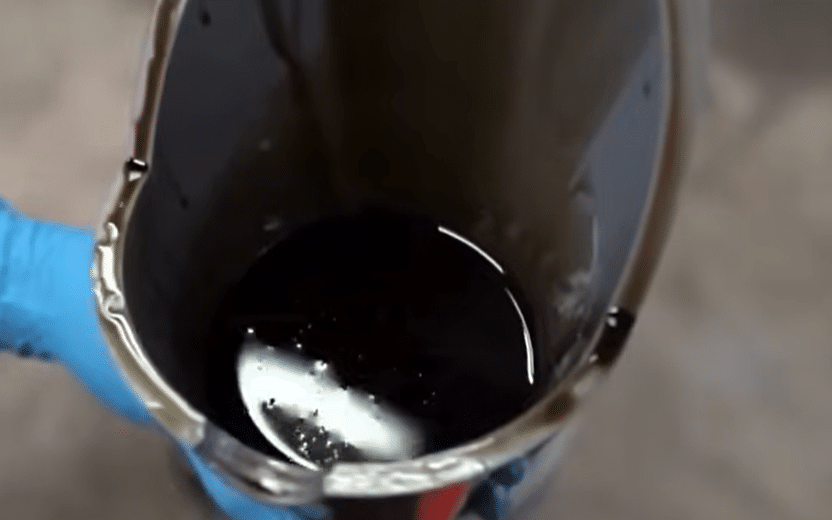
Black and gritty engine oil is often a sign that the oil has become contaminated or has been used beyond its recommended interval. As engine oil circulates, it collects dirt, metal particles, and combustion byproducts. Over time, these contaminants can make the oil appear darker and feel gritty between your fingers.
Mechanics Recommended Maintenance Products
While you cannot “fix” gritty oil with a product, you can ensure your next service is done correctly with high-quality supplies.
Product Why It’s Important High-Quality Oil Filter Look for your specific vehicle’s filter (e.g., Mobil 1 or Bosch). A fresh, high-quality filter is crucial to catch particles during the next cycle. Full Synthetic Engine Oil Using the manufacturer-recommended grade helps resist heat and breakdown. Synthetic oils often have better detergent additives to keep engines cleaner. Digital Luggage Scale/Inspection Light A high-lumen LED flashlight is a great tool to keep in your car to regularly inspect your dipstick under clear light to see the actual texture of your oil.
First Things First — What Does Black and Gritty Engine Oil Actually Mean?
I’ve been there—standing in my driveway on a sunny Saturday, coffee in one hand, ready to check my oil. I expected to see that clean, honey-colored glow. Instead, I pulled out a dipstick covered in thick, dark, and gritty gunk. My heart sank. It’s a confusing, frustrating moment, especially if I just changed the oil a few weeks ago. But before you panic, let’s break down what that gunk is actually telling you.
Normal Engine Oil Color vs. Problematic Oil
Most people think fresh oil should stay amber forever, but that isn’t true. When oil is new, it looks like light, clear honey. As you drive, it naturally darkens because it picks up carbon from combustion. This is normal! However, there is a big difference between healthy, darkened oil and oil that is truly contaminated or oxidized.
- Dark but smooth: If the oil is black but feels thin and smooth, it’s likely just doing its job by holding carbon in suspension.
- Dirty oil: This happens when the detergent additives are full and can no longer trap soot.
- Oxidized oil: This occurs when oil is exposed to high heat for too long; it loses its viscosity and turns into a dark, jelly-like state.
- Contaminated oil: If it looks like a milky coffee or has a thick, gritty texture, you have a real problem that needs immediate attention.
What “Gritty” Oil Feels Like
If you rub a bit of oil between your thumb and index finger, it should feel slick and smooth. If you feel a “sand-like” texture, that is your engine screaming for help. That grit is a sign of solid particles—like dirt bypassing your air filter or actual metal shavings from internal engine wear—circulating where they don’t belong.
- The Paper Towel Test: Take your dipstick and dab a drop onto a white paper towel. Let it sit for a minute.
- What to look for: If the oil spreads out in a clean ring, you are likely okay. If you see a dark core with visible specks of “sand” or metallic shimmer, those are particles that act like sandpaper on your cylinder walls.
- Pro Tip: If you can feel the grit, your engine is essentially grinding itself down from the inside.
Top 5 Best Engine Oil for Car: Top Valvoline Picks for Maximum Performance
Why Engine Oil Turns Black So Quickly
It can be startling to check your dipstick just days after an oil change and find the oil has already turned dark. While it feels like a failure, this rapid color change is often a sign that your motor oil is working exactly as it should. Modern oils are designed to capture combustion byproducts and keep them in suspension, protecting your engine’s internal surfaces from harmful deposits and premature wear.
Carbon Buildup From Combustion
Whenever fuel burns, it produces tiny soot particles. Even in a healthy engine, a small amount of these gases escapes past the piston rings—this is called “blow-by.” Once this soot enters the oil, it turns the amber fluid black almost instantly. Diesel engines are notorious for this; because they operate with higher compression ratios, they produce significantly more soot than gasoline engines, often turning oil jet-black within a few hundred miles.
Detergents in Modern Motor Oil
Think of your oil as a cleaning crew for your engine. High-quality motor oils contain powerful detergents and dispersant additives. These components actively seek out microscopic dirt and carbon, grabbing them and holding them in suspension so they don’t settle as sludge. If your oil turns black quickly, it’s a good sign that these detergents are successfully scrubbing your engine’s internal components and keeping the “gunk” from sticking to vital parts.
Short Trips and Stop-and-Go Driving
I learned this the hard way during a rainy week of commuting to the office. My short, five-mile drives meant the engine never reached full operating temperature. When the engine stays cold, moisture and unburnt fuel tend to condense in the oil. This “fuel dilution” can thin your oil and accelerate contamination. According to industry studies, engines subjected to frequent short trips can experience up to 30% more oil contamination compared to those used for long-distance highway driving.
High Engine Temperatures
When you push your car hard—like towing a trailer up a mountain or driving in extreme summer heat—your oil works overtime. This thermal stress causes the oil to oxidize. As the oil breaks down under high heat, it begins to thicken and darken. While synthetic oils are built for thermal stability, even they have limits. Consistent exposure to temperatures above 100°C can significantly shorten the life of your oil’s additive package, leading to faster degradation and a darker appearance.
The Real Problem — When Engine Oil Becomes Gritty
Black oil is usually just doing its job, but gritty engine oil is a serious red flag. If your oil feels rough or sandy between your fingers, it means solid particles are circulating through your engine’s internal parts. These contaminants act like an abrasive, accelerating wear on critical components. Ignoring this texture can lead to costly internal damage, so you should identify the source of the grit as soon as possible.
Dirt Entering Through the Air Intake
Your engine needs a massive amount of clean air to run. If your air filter is clogged or the intake hoses have loose clamps, dirt and road dust will bypass the filter entirely. Once this grit gets into the cylinders, it mixes with your oil, turning a slick lubricant into a grinding paste. I learned this after a dusty weekend trip; a simple $20 air filter change could have saved me a lot of stress.
Engine Wear Particles
Sometimes, the grit isn’t coming from outside—it’s coming from inside. As engine bearings or pistons wear down, they shed microscopic metal shavings into the oil. While some “break-in” metal is normal for a brand-new engine, persistent metallic grit is not. For context, if you see copper or brass particles in your oil, it often indicates the thin babbitt layer on your rod bearings is wearing through and reaching the base metal.
Carbon Sludge Formation
Sludge is more than just dirty oil; it is a thick, tar-like substance that happens when oil breaks down completely. This often occurs if you skip oil changes or use low-quality oil that cannot handle high engine heat. When oil turns into sludge, it cannot flow properly, which leads to overheating. Studies show that extended oil change intervals can increase engine sludge deposits by over 40%, drastically reducing the lifespan of your engine.
Contamination From Coolant or Fuel
If your oil feels gritty and smells strongly of gasoline, you have a fuel dilution issue. This happens when unburnt fuel leaks past the rings, washing the protective oil film off the cylinder walls. Even worse is coolant contamination; if a head gasket fails, coolant mixes with oil to create a thick, gritty, milky mess. This mixture has zero lubrication properties, meaning your engine could suffer catastrophic damage in just a few miles of driving.
How to Check Your Engine Oil the Right Way
Checking your oil might seem basic, but doing it correctly provides the most reliable data about your engine’s health. I make it a ritual on quiet Saturday mornings before running errands. I park on level ground and let the engine cool for about ten minutes. This ensures the oil has drained back into the pan, giving me an accurate reading that prevents me from overfilling or misjudging the actual condition of the lubricant.
Step-by-Step Dipstick Inspection
First, find a flat spot for your car. If the ground is tilted, your oil level reading will be wrong. Open the hood, pull the dipstick out, and wipe it clean with a fresh cloth. Reinsert it fully, pull it out again, and look at the level and color. Your oil level should always sit between the “min” and “max” marks. If it is consistently low, you might have a leak or be burning oil.
The Paper Towel Test
This is my favorite trick for a quick, expert-level check. Place a single drop of oil onto a clean white paper towel. Wait for it to spread. If the oil forms a uniform, clean ring, your oil is still in good shape. If you see a dark, dense center or small, solid particles left behind, your oil is heavily contaminated. This simple test is a great way to detect internal issues before they become expensive repairs.
The Finger Rub Test
Finally, rub a small amount of the oil between your thumb and index finger. It should feel smooth and slick, much like clean honey. If you feel any “grit” or tiny bumps, those are likely metal particles or carbon sludge. Research suggests that detecting these contaminants early can prevent up to 80% of major engine failures caused by abrasive wear. If it feels rough, it is time to visit your mechanic immediately.
Signs Your Engine Oil Needs Immediate Attention
Some minor oil darkening can wait until your next scheduled maintenance, but certain signs demand that you stop driving right away. When you notice persistent red flags, your engine is signaling that the protective barrier of the oil has failed. Ignoring these symptoms can lead to catastrophic internal damage. If you spot these issues, it is safer to have your vehicle towed to a professional rather than risking a total engine breakdown.
Visible Metal Flakes
If you see shimmering, metallic specks on the dipstick, this is not normal. These flakes are usually bits of aluminum or steel from internal bearings. Seeing even a few tiny, shiny particles suggests that your engine is actively shedding material. This often indicates a severe lubrication failure, and continuing to drive can cause the engine to “seize” as metal-on-metal friction increases.
Thick Sludge on the Dipstick
When you pull the dipstick and find thick, gloopy, or tar-like deposits, you are looking at sludge. This forms when oil oxidizes and breaks down, losing its ability to flow. Sludge blocks your oil passages, which starves the engine of lubrication. Studies show that a severely clogged oil pickup screen can result in zero oil pressure in under 30 seconds of engine operation, leading to immediate catastrophic damage.
Burning Oil Smell
If you catch a sharp, burnt odor coming from under your hood, your oil is likely overheating. This smell often happens when oil leaks onto a hot exhaust manifold or when the oil has lost its viscosity due to extreme heat. If the oil is burning, it cannot protect your engine parts from heat. This often leads to increased friction, which can cause the engine to run 15-20°C hotter than its normal operating range.
Engine Noise
Listen closely when you start your engine. If you hear a persistent “ticking,” “tapping,” or “knocking” sound, it may mean the oil is too thin or contaminated to provide proper cushioning for the moving parts. This noise typically comes from valve lifters or rod bearings that aren’t getting enough pressure. If you hear these sounds, stop the engine immediately to prevent permanent, irreversible damage to your engine’s internal components.
Dirty Oil After Only 2500 Miles or Less: Is It Normal or a Warning Sign?
Common Causes of Black and Gritty Engine Oil
Finding black and gritty engine oil usually stems from a mix of your driving habits, the local environment, and your maintenance schedule. It is rarely just one thing. Often, it is a combination of pushing your oil change intervals too far or using oil that cannot handle your specific driving conditions. Understanding these root causes is the first step toward keeping your engine running smoothly and avoiding major repair bills down the road.
Skipping Oil Change Intervals
I once thought my car could handle “a few extra thousand miles” beyond the recommended interval, but I was wrong. Modern synthetic oils are great, but they still have a limit. Once the additive package is spent, the oil stops cleaning effectively. While conventional oil might need a change every 3,000–5,000 miles, high-quality synthetic can often last 7,500–10,000 miles. Don’t push your luck; clean oil is the cheapest insurance for your engine.
Using Low-Quality Engine Oil
Not all oils are created equal. I’ve learned that bargain-bin oil often lacks the robust detergent and dispersant packages found in premium brands. Low-quality oils break down much faster when exposed to heat. In fact, some economy oils are up to 40% more prone to thermal breakdown when operating under heavy loads, which leads directly to that dreaded dark, gritty sludge. Always stick to the viscosity and quality rating recommended in your owner’s manual.
Faulty Oil Filter
Your oil filter is the frontline defense against grit. If you buy a cheap filter, the internal bypass valve might open too early or fail to catch fine particles. If that valve is faulty or the filter element tears, it allows unfiltered contaminants to circulate continuously. A high-quality filter ensures that even microscopic soot and wear particles stay trapped, keeping your oil cleaner for a longer period of time.
Driving Conditions
Where you drive matters just as much as how often you drive. If you live in a rural area with dusty roads or frequently navigate construction zones, your engine inhales more airborne debris. Off-road driving or towing a heavy trailer also creates extreme heat. These “severe” driving conditions stress your oil and can turn it black and gritty significantly faster than standard highway commuting.
How to Fix Black and Gritty Engine Oil
If you find that your oil has turned gritty, don’t panic, but do take action. I learned this the hard way during a summer road trip when I realized my oil was compromised. Most cases have simple fixes, and addressing them early prevents permanent engine damage. Start by evaluating the condition of your oil and your current driving patterns to choose the right path forward.
Perform an Immediate Oil Change
The most effective fix for contaminated oil is a fresh change. Drain the old, gritty oil completely while the engine is still warm—this helps carry out suspended particles. Crucially, always replace the oil filter, too. Using the manufacturer-recommended viscosity ensures your engine gets the right protection. Think of it as a reset button for your engine’s internal health.
Inspect the Air Intake System
If the oil was gritty, there is a chance dirt is getting in through the intake. Check your air filter; if it’s dark or clogged, replace it. Also, take a few minutes to inspect the intake hoses and clamps for any cracks or loose seals. Keeping the intake tract airtight is the best way to stop road dust from becoming “sandpaper” inside your engine.
Consider an Engine Flush (When Appropriate)
If you find significant sludge, an engine flush might be necessary. This involves using a specialized cleaning agent to break up deposits before draining the oil. However, use caution: if you have a high-mileage engine with old seals, a flush can sometimes do more harm than good by dislodging debris that is currently keeping a seal tight. Always consult a professional if you’re unsure about your engine’s history.
Monitor Oil After the Change
After you have fresh oil and a new filter, don’t just forget about it. Keep a close eye on the dipstick for the next 300–500 miles. If it turns black or starts feeling gritty again very quickly, you likely have an internal issue, like a failing head gasket or significant engine wear, that needs a mechanic’s expert diagnosis. Early detection is the key to preventing a catastrophic failure.
Is black engine oil always bad?
No. Engine oil naturally turns black as it collects soot, carbon, and combustion byproducts. In many cases, darker oil simply means the detergents in the oil are doing their job by trapping contaminants instead of letting them stick inside the engine.
How long can you drive with dirty oil?
It depends on how dirty it is. Slightly dark oil can still be safe within the normal oil change interval. But if the oil looks thick, gritty, or sludgy, it’s best to change it immediately to avoid increased engine wear.
Does synthetic oil turn black too?
Yes. Synthetic oil can turn black just like conventional oil because it still collects carbon and engine contaminants. The difference is that synthetic oil usually resists breakdown longer and keeps particles suspended more effectively.
Can gritty oil damage an engine?
Yes. Gritty oil often contains metal particles, dirt, or carbon deposits, which can increase friction inside the engine. Over time, this can accelerate wear on bearings, pistons, and other critical components.