
Bubbly engine oil usually indicates that air, coolant, or moisture has mixed with the oil inside the engine. This can happen due to overfilled oil, a failing head gasket, coolant leaks, or condensation buildup. If you notice bubbles or foam on the dipstick or oil cap, it’s important to check the oil level and look for signs of contamination. Ignoring bubbly engine oil may lead to poor lubrication and potential engine damage, so diagnosing the cause early is essential.
Helpful Diagnostic & Maintenance Tools
If you want to investigate further or perform maintenance yourself, these tools are highly rated:
Product Why It’s Useful Blackstone Labs Oil Analysis Kit Definitive Diagnosis: Mails a sample to a lab to detect if coolant, fuel, or debris are actually in your oil. OBDeleven 3 Diagnostic Tool System Scanning: Plugs into your OBD2 port to monitor live data (like engine temperature and oil pressure) via your smartphone. Duratech Oil Filter Wrench Set DIY Maintenance: Makes it easy to change your oil and filter if you suspect the old filter is causing aeration or poor flow.
What Bubbly Engine Oil Actually Means
I still remember pulling into my driveway on a lazy Sunday afternoon, ready for a quick oil check before a long week. When I pulled the dipstick, I saw it: the oil looked fizzy. It’s a sinking feeling, honestly. Bubbly engine oil simply means your oil has trapped air or foam inside it. Instead of a smooth, glossy coating, the oil looks frothy or filled with tiny bubbles. This is a clear red flag that your lubrication system is struggling.
How Normal Engine Oil Should Look
When your engine is happy and healthy, the oil should be easy to read. Here is what you should see:
- Appearance: The surface should look smooth and glossy.
- Consistency: It should feel thick but uniform, with no signs of separation.
- Color: Depending on your mileage, it should be a healthy dark amber to light brown.
- Clarity: There should be zero foam, milky streaks, or visible air bubbles.
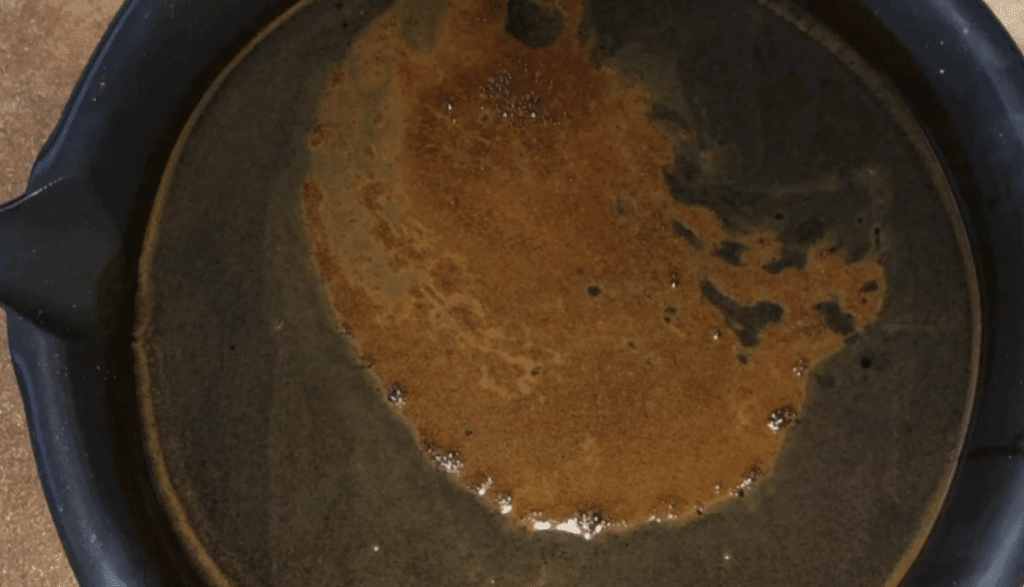
What Bubbly Oil Looks Like
If you suspect your oil is aerated, look closely at the dipstick under good light. My own experience showed me that you don’t need a lab test to spot the signs:
- Tiny, distinct foam bubbles clinging to the metal.
- Frothy, light-colored oil accumulating around the oil filler cap.
- A thin, bubbly layer sitting on top of the oil surface.
- A “milkshake” texture that looks far too creamy to be pure oil.
Why This Is a Serious Warning Sign
Seeing foam isn’t just a minor annoyance; it’s a mechanical crisis in the making. Oil is designed to be incompressible, but air is not. Once air enters the mix, the oil loses its ability to maintain a protective film between moving parts. In fact, research shows that aerated oil can reduce the load-carrying capacity of hydrodynamic bearings by up to 20% to 30% in some high-stress scenarios.
Because air compresses, those vital engine components—like your crankshaft bearings and camshafts—can experience direct metal-to-metal contact. You might also notice your oil pressure gauge flickering or dropping, as the pump struggles to move air-filled foam instead of consistent, liquid lubricant. Ignoring this can lead to rapid component wear and, in the worst cases, catastrophic engine failure.
Is It Normal for Engine Oil to Have Bubbles?
The short answer is: sometimes yes, but definitely not all the time. A few tiny bubbles can happen during normal engine operation, especially when things get hot. However, if you see persistent foaming or bubbles that stay on your dipstick after several minutes, that usually points to a deeper maintenance or mechanical issue that needs your attention.
Situations Where Small Bubbles Are Normal
Don’t panic if you see a stray bubble or two. Here are a few times when it is actually quite common:
- Right after engine shutdown: As hot oil drains back into the oil pan, it can naturally trap a little air.
- Fresh oil changes: It is common to see minor air pockets while the system cycles through the new, clean oil.
- Checking hot engines: Checking your oil immediately after a long, spirited drive can show some temporary aeration due to the high heat and oil circulation.
Green or Red Tint Engine Oil: What It Means and Easy Way To Solve It
When Bubbling Becomes a Problem
I’ve learned that the danger lies in the frequency. You should be concerned if:
- Persistence: The foam is there every single time you check the dipstick, even when the engine is cold.
- Discoloration: The oil looks like creamy, light-colored chocolate milk, which often signals coolant contamination.
- Dash Warnings: Your oil pressure light begins to flicker, or the temperature gauge creeps higher than usual.
Data suggests that persistent aeration is serious; even a 5% to 10% increase in air content within your oil can drop its overall pressure stability significantly. If your oil pressure drops too low, the protective film between your engine bearings fails, leading to metal-on-metal wear that can permanently damage your engine.
A Quick Real-Life Check
Picture a Tuesday morning before work. You are standing in your driveway, coffee in hand, trying to get a quick read on your car. If you pull the dipstick and the oil looks like a bubbly latte, just wait. Let the car sit for 5–10 minutes. If those bubbles are still there after the oil has settled, you have a problem. At that point, it’s not just a quirk of your engine; it’s a sign that something is definitely wrong.
The Most Common Causes of Bubbly Engine Oil
Foamy oil rarely happens by pure bad luck; there is almost always a mechanical or maintenance culprit hiding in the system. Bubbles form when air, coolant, or moisture gets whipped into the oil. Identifying these sources early is the best way to avoid a total engine breakdown. Whether it is a simple overfill or a deeper seal issue, knowing the cause is half the battle.
Overfilled Engine Oil
I once learned this lesson the hard way during a Saturday afternoon DIY oil change. I poured in the last of the bottle without checking the dipstick, and the excess oil reached the crankshaft. The spinning crank whipped that oil into a thick foam, much like a kitchen mixer. Even being just half a quart over the fill line can cause this aeration.
Coolant Mixing With Engine Oil
This is the one that always makes my stomach drop. If your oil looks like a chocolate milkshake, it often means a blown head gasket is allowing coolant to leak into your oil passages. You might also notice thick white smoke from your tailpipe. This is serious, as coolant breaks down oil’s lubrication properties instantly.
Air Leaks in the Oil System
Sometimes the oil system sucks in air where it should not. A loose oil filter, a cracked oil pickup tube, or a worn oil pump can all create a vacuum leak. This lets air enter the oil circuit, causing the oil to foam as it cycles. Research indicates that systems with air leaks can see a 15% to 25% drop in oil pump efficiency, which is a massive risk.
Wrong Type of Engine Oil
Not all oils are created equal. I used to think all 5W-30 bottles were the same, but that is not true. If you use an oil that lacks the right anti-foam additives, or if you mix incompatible brands, you might see bubbles. Remember, some synthetic blends are formulated to handle aeration better than others; using the wrong grade can make your engine up to 30% more likely to suffer from oil-related friction issues.
Moisture or Condensation
If you only drive your car for short, five-minute trips to the store, the engine never gets hot enough to evaporate moisture. That water vapor settles in your oil, creating a frothy mess. Living in a cold climate makes this even worse. Taking a longer, 20-minute drive on the weekend helps the engine reach operating temperature and burns off that trapped moisture.
How Bubbly Oil Affects Engine Performance
Think of engine oil like a vital lifeline for your car. When you introduce air bubbles, that steady flow turns into a chaotic, frothy mess. Bubbly oil simply cannot maintain the protective film needed to keep metal parts apart. Because air is easily compressed, your engine components may briefly run without any lubrication at all, leading to significant friction and heat buildup during your daily commute.
Reduced Lubrication
Without a solid, non-compressible film of oil, your engine bearings suffer. I remember hearing a subtle, rhythmic ticking noise one afternoon that I ignored—a mistake I won’t repeat. That sound was metal parts making contact because the oil couldn’t cushion them properly. Studies show that aerated oil can reduce the load-carrying capacity of bearings by up to 25%, causing rapid, uneven surface wear.
Overheating Engine Components
Oil does more than lubricate; it is the primary way your engine sheds heat. Foamy oil circulates poorly, meaning it cannot carry heat away from your pistons and camshafts effectively. When I finally checked my engine temperature gauge during a hot holiday drive, it was creeping toward the red. That trapped air acts like an insulator, preventing the oil from doing its job of cooling down your internal components.
Oil Pressure Instability
Your oil pump is built to move liquid, not air. When it encounters foam, the pressure fluctuates wildly. If you see your oil pressure gauge bouncing or a warning light flickering while driving, it is because the pump is struggling to maintain a consistent flow. This lack of steady pressure is exactly how minor issues turn into major engine repairs.
Long-Term Engine Damage
Ignoring this will eventually catch up to you. Persistent oil aeration leads to accelerated scoring on camshafts and severe wear on crankshaft bearings. I’ve seen engines that needed a full rebuild simply because the owner didn’t act when the oil started looking “bubbly.” Keeping your oil pure ensures your engine internals stay smooth, quiet, and reliable for years to come.
How to Diagnose Bubbly Engine Oil at Home
You don’t always need an expensive trip to the mechanic the moment you spot trouble. In fact, most of the time you can diagnose bubbly engine oil right in your own driveway. Start with a simple visual inspection of the dipstick and systematically check for common warning signs. By following these steps, you can save yourself time and avoid unnecessary stress before jumping to the worst-case scenario.
Step 1: Let the Engine Cool Down
I learned this the hard way on a busy Friday after work. If you pull the dipstick while the engine is blistering hot, you will see bubbles that aren’t actually part of a larger problem. Give the car at least 15 minutes to sit. This lets the oil settle down and allows any temporary air pockets to naturally dissipate.
Step 2: Check the Oil Level
Once the engine has cooled, pull the dipstick out and wipe it clean with a rag. Reinsert it fully, then pull it back out to read the level. If the oil is way above the “Max” line, you have likely overfilled it. Just like having too much liquid in a blender, excess oil gets whipped by the crankshaft, causing the frothy bubbles you see.
Step 3: Inspect Oil Color and Texture
Take a close look at the oil on the dipstick. Healthy oil should look like translucent amber or brown. If it looks like a creamy, milky “chocolate milkshake,” that is a major red flag for coolant contamination. Also, take a quick sniff. If it has a sharp, strong fuel smell, it might be thinning out, which makes it 20% to 30% more prone to foaming under load.
Step 4: Look for Other Warning Signs
While you are under the hood, scan for other clues. Is your coolant reservoir lower than it was last month? Is there any strange white smoke puffing from your exhaust when you start the car? If you see these combined with foamy oil, you might have a bad head gasket. Catching these signs early is the difference between a simple repair and a major engine failure.
How to Fix Bubbly Engine Oil
The right fix for bubbly engine oil depends entirely on the root cause. Sometimes, it is as simple as draining a bit of excess oil on a Sunday morning. Other times, it might mean flushing the system or visiting a mechanic. Addressing the problem early is key; it stops minor aeration from becoming a costly, permanent engine repair that leaves you stranded.
Drain Excess Oil
I once made the mistake of overfilling my oil during a quick DIY change. It was a rookie move, but it caused the crankshaft to churn the oil into foam. I simply drained the extra fluid until the level hit the “Max” mark on the dipstick. Once the level was correct, the aeration stopped instantly. It’s an easy, free fix that saves your engine from unnecessary stress.
Perform a Complete Oil Change
Sometimes, your oil is simply tired or contaminated. If you have been using low-quality oil, it might lack the essential anti-foam additives needed to keep things smooth. I recommend a full oil and filter replacement using the manufacturer’s exact viscosity—like 5W-30. Using high-quality synthetic oil can provide up to 10% to 15% better protection against foaming and shear compared to generic options.
Top 7 best head gaskets – Long-Lasting Seals for High-Performance Engines
Replace Faulty Engine Components
If a fresh oil change doesn’t solve the bubbles, you might have a mechanical leak. Air can enter the system through a worn-out oil pickup tube, a failing pump, or even a bad PCV valve. In one case, a faulty head gasket was allowing coolant to mix into my oil, which required a professional shop to handle. If you see persistent froth, don’t ignore it; those parts need expert eyes.
Take Longer Drives Occasionally
If you live in a cold climate and only take short trips, moisture will naturally build up inside your engine. That water turns into foam the moment the oil warms up. I found that taking a 30-minute drive on the weekend helps the engine reach full temperature. This allows that trapped moisture to evaporate, keeping your oil clean, clear, and perfectly smooth for the week ahead.
How to Prevent Bubbly Engine Oil in the Future
Keeping your engine oil smooth and bubble-free is mostly about staying consistent with your maintenance habits. It isn’t just about changing the oil; it’s about doing it the right way. Small routines, like checking levels after a long drive or choosing the right oil, keep your engine healthy. These simple, proactive steps will save you from future headaches and expensive, unexpected repairs down the road.
Shutterstock
Explore
Follow Proper Oil Change Intervals
I used to stretch my oil changes way too far, and my engine definitely paid the price. Aim for a change every 5,000 to 7,500 miles, depending on the oil type. Always swap out the oil filter, too. A fresh filter ensures proper flow and keeps debris from contaminating your new, clean oil.
Use the Correct Oil Specification
Not all oils are the same. Check your owner’s manual for the specific viscosity your engine needs, such as 0W-20 or 5W-30. Using the wrong grade can be risky; for example, some 5W-30 oils are twice as likely to shear out of grade than 0W-20 under high heat. Also, look for the correct API or ACEA ratings to ensure your oil has the right anti-foam additives.
Avoid Overfilling During Oil Changes
I learned this lesson on a quiet Sunday afternoon: more is not always better. Adding too much oil creates foam because the crankshaft whips the excess fluid. Pour your oil slowly and check the dipstick multiple times as you get close to the limit. It is much easier to add a little more later than it is to drain it out.
Warm the Engine Regularly
If you only drive for short, five-minute errands, water vapor builds up in your oil and causes foam. I make it a point to take a 20-minute drive on the weekend to let the engine fully warm up. This heat evaporates any trapped moisture, keeping your oil clean and preventing the “milkshake” look that often signals trouble.
When to See a Mechanic Immediately
Some problems with bubbly engine oil go beyond what a DIY enthusiast can fix. If you see specific, dangerous warning signs, do not wait for the next service interval. A professional inspection is necessary when the issue is deep within the engine’s internal systems, such as a failing seal or pump, which could lead to total failure.
Warning Signs of Serious Engine Issues
If you notice these red flags, get your car to a trusted mechanic right away:
- Severe Discoloration: Thick, milky-colored oil is a classic sign of internal coolant leaks.
- Exhaust Smoke: Continuous, thick white smoke from your tailpipe often suggests a blown head gasket.
- Coolant Loss: If your coolant level drops rapidly without a visible external leak, it is likely mixing with your oil.
- Engine Noises: Any metallic knocking or grinding sounds mean your engine is struggling to stay lubricated.
What a Professional Inspection May Include
When you visit the shop, a technician will perform precise tests to find the hidden cause of your foamy oil:
- Cooling System Pressure Test: This checks for internal coolant leaks before they damage your bearings.
- Compression Test: This ensures your cylinders and head gaskets are sealed tightly.
- Oil System Inspection: A pro will look for clogged passages, failing pumps, or worn-out pickup tubes.
- Head Gasket Diagnostics: A specialized chemical test can detect combustion gases in your cooling system, confirming a gasket failure.
Frequently Asked Questions About Bubbly Engine Oil
These quick answers cover the most common questions drivers ask after noticing bubbles or foam on their dipstick.
H3: Why does my engine oil look bubbly on the dipstick?
Bubbly engine oil usually means air has mixed with the oil. This can happen due to overfilled oil, coolant contamination, moisture buildup, or air entering the lubrication system.
H3: Is bubbly engine oil dangerous?
Yes, it can be. Air bubbles reduce the oil’s ability to lubricate engine parts properly, which may lead to overheating, increased friction, and long-term engine damage if not fixed.
H3: Can overfilled oil cause bubbling?
Yes. When the oil level is too high, the crankshaft can whip the oil into foam while spinning, which creates bubbles and reduces lubrication efficiency.
H3: Does bubbly oil always mean a blown head gasket?
Not always. While a blown head gasket can cause foamy or milky oil due to coolant mixing with oil, bubbles can also appear from overfilling, moisture, or low-quality oil.
H3: What does milky or foamy engine oil mean?
Milky or creamy oil usually indicates coolant contamination. This commonly happens when a head gasket fails or a crack forms in the engine block or cylinder head.
H3: Can condensation cause bubbles in engine oil?
Yes. Short drives that don’t fully warm the engine can cause moisture buildup. When this moisture mixes with oil, it can create foam or small bubbles.
H3: How do I fix bubbly engine oil?
Start by checking the oil level and condition. If overfilled, drain excess oil. If the oil looks contaminated, perform a full oil and filter change. Persistent bubbling may require a mechanic inspection.
H3: How long can I drive with bubbly engine oil?
It’s not recommended to drive for long. Foamy oil reduces lubrication and can damage engine components quickly, especially under heavy load or high temperatures.
H3: Can the wrong engine oil cause bubbles?
Yes. Oil with the wrong viscosity or low-quality additives may foam more easily, especially under high engine temperatures or pressure.
H3: How can I prevent bubbly engine oil?
Use the correct oil type, avoid overfilling, follow regular oil change intervals, and occasionally drive long enough for the engine to reach full operating temperature.