
Yes, a blown head gasket can cause several other engine problems. It can lead to coolant and oil mixing, engine overheating, loss of compression, and white smoke from the exhaust. If not repaired quickly, it may also damage components like the cylinders, pistons, or catalytic converter, making the repair more expensive.
Recommended Amazon Resources for Diagnosis
If you are trying to determine if your head gasket has truly failed before committing to a costly repair, these tools can help you verify the issue:
Cooling System Pressure Tester: This allows you to pressurize the cooling system while the engine is off to see if you can locate the leak or observe a drop in pressure that confirms a breach.
Block Tester (Combustion Leak Test Kit): This is the most reliable DIY method. It uses a chemical fluid that changes color if it detects combustion gases in your cooling system (a hallmark sign of a blown head gasket).
If you care about how your engine lives or dies, this guide is for you. I pull from years in the shop to explain what fails, how it spreads, and what you can do next. We will answer the core question head-on: can a blown head gasket cause other engine problems, and how bad can it get? I will keep it clear, real, and based on what actually happens under the hood.
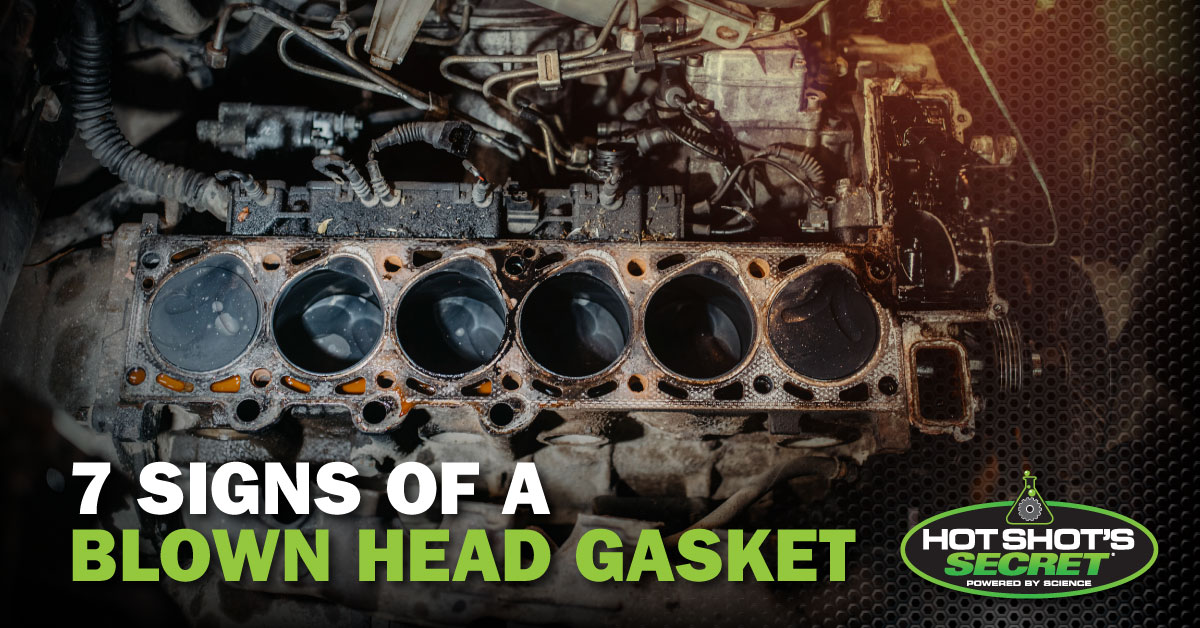
What is a blown head gasket?
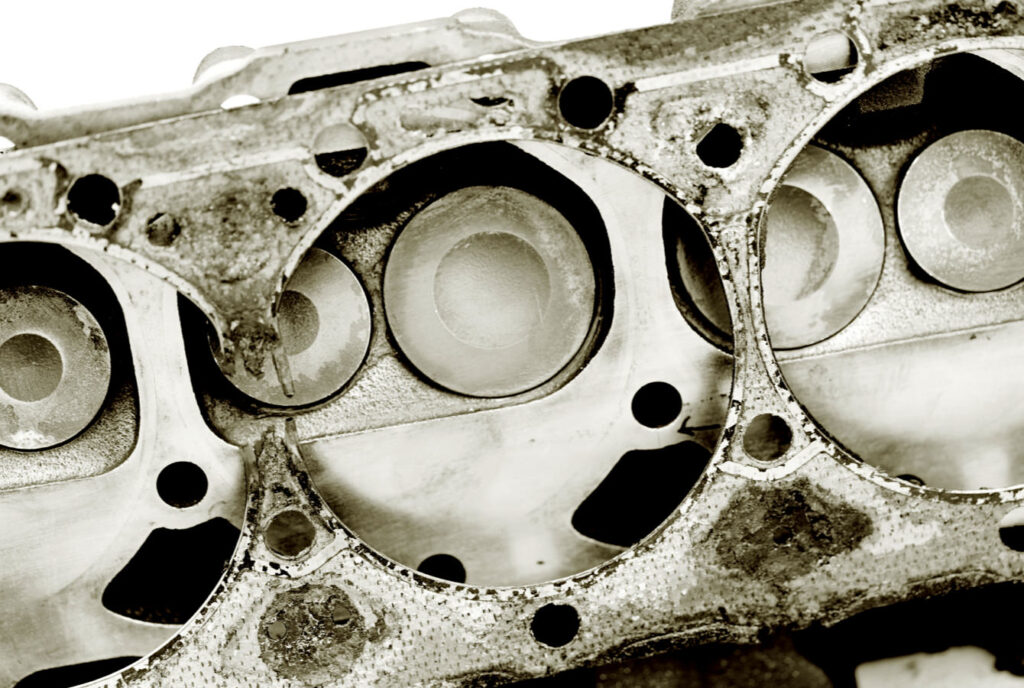
The head gasket sits between the engine block and the cylinder head. It seals three paths at once. It keeps oil, coolant, and high-pressure combustion in their own lanes. When it fails, those paths mix or leak. Heat, pressure, and poor sealing then cause more stress.
Why does it fail? Heat cycles. Overheating. Wrong torque on head bolts. Corrosion from old coolant. Boost on a turbo car. Any of these can push the gasket past its limit.
People ask: can a blown head gasket cause other engine problems? Yes. It can spread damage fast if you keep driving.
Top 7 best head gaskets – Long-Lasting Seals for High-Performance Engines

Common causes
- Overheating from a stuck thermostat or bad fan. The gasket softens and lifts.
- Detonation from poor fuel or tune. Pressure spikes hammer the fire ring.
- Coolant neglect. Old coolant turns acidic and eats metal and gaskets.
- Warped head. A hot aluminum head twists, and the seal fails.
Types of failure
- Combustion to coolant. Exhaust gases blow into the radiator and cause bubbles.
- Coolant to oil. Coolant leaks into oil and makes a milky mix.
- External leak. Coolant or oil drips down the block or behind the engine.
Can a blown head gasket cause other engine problems? The chain reaction
Short answer, yes. The gasket is a gatekeeper. When it fails, heat, pressure, and fluids go where they should not. That stress sets off a chain that hits cooling, oiling, emissions, and even the bottom end. That is why the question can a blown head gasket cause other engine problems matters so much. It rarely fails alone, and it can turn a small repair into a big one if ignored.
Cooling system fallout
- Overheating. Combustion gases in coolant reduce heat transfer and form hot spots.
- Boil-over. Pressure spikes lift the cap and push coolant out of the overflow.
- Warped head. Repeated hot runs can warp aluminum heads and crack them.
- Blown hoses and heater core. Pressure surges split the weak link.
Lubrication system fallout
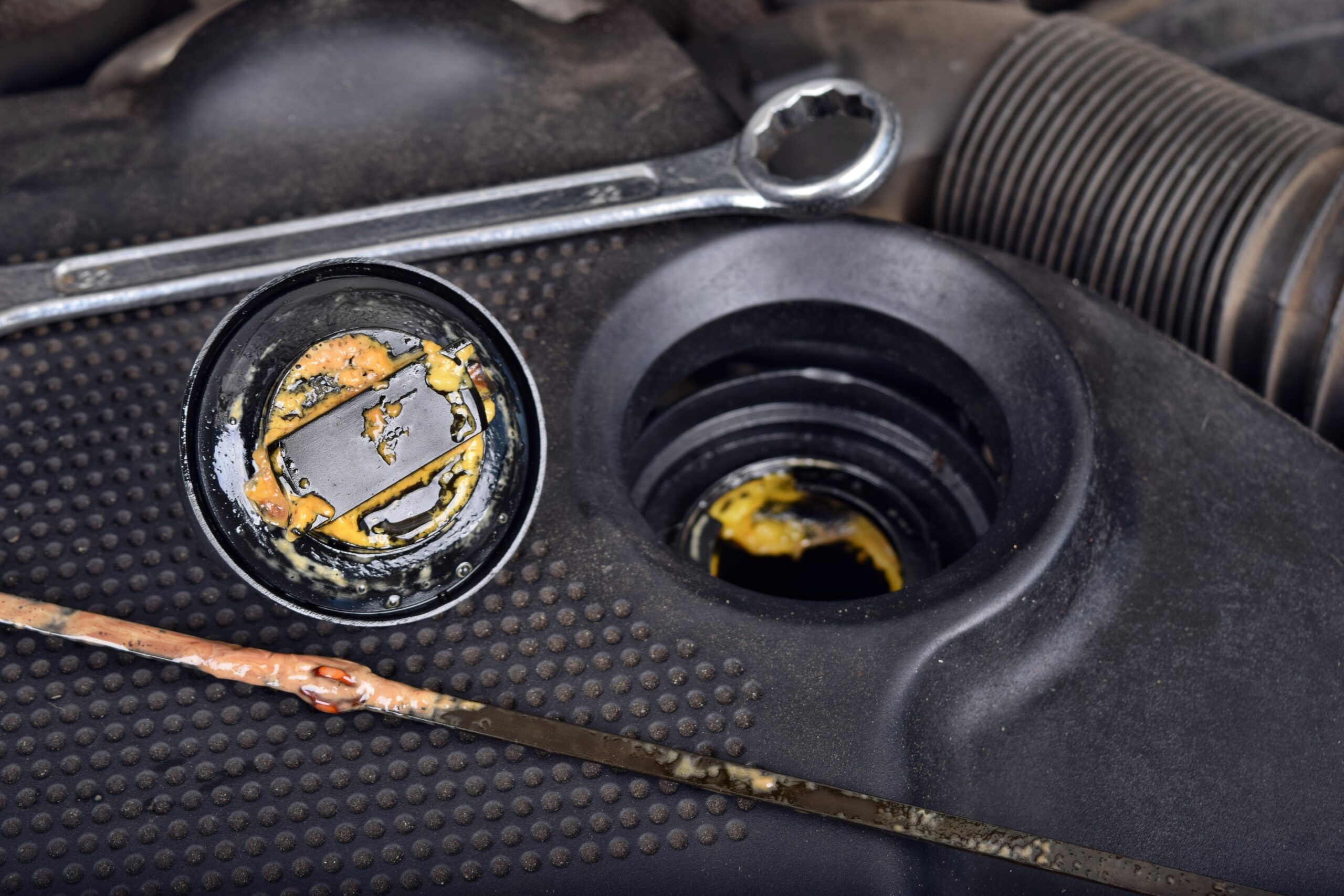
- Milky oil. Coolant in oil strips the film that keeps bearings safe.
- Spun bearings. Thin oil mix leads to rod and main bearing wear or spin.
- Sludge. Glycol reacts with oil and creates a sticky gel that blocks passages.
Emissions and sensors
- White smoke. Steam out the exhaust can load the catalytic converter with water and coolant salts.
- Catalytic converter damage. Overheating and contamination kill the honeycomb.
- O2 sensor failure. Coolant chemicals foul the sensor and skew fuel trims.
Bottom end and block
- Piston ring wear. Coolant wash removes oil and scores the walls.
- Hydro-lock. A cylinder full of coolant can bend a rod on startup.
- Cracked block or broken fire ring. Long runs with detonation or heat can do this.
I have seen all of these in the bay, and fast. That is why the answer to can a blown head gasket cause other engine problems is a firm yes, with real cost attached.
The Chain Reaction: How One Problem Becomes Many
When the seal is compromised, fluids begin to leak into places they don’t belong, which quickly causes damage to other components:
| Secondary Issue | What Happens | Resulting Damage |
| Engine Overheating | Coolant leaks into combustion chambers or is displaced by exhaust gases. | Warped cylinder heads, cracked engine blocks, or total engine seizure. |
| Oil Contamination | Coolant mixes with engine oil (often turning it “milky”). | Loss of lubrication causes friction, damaging bearings, camshafts, and internal surfaces. |
| Compression Loss | The seal around the combustion chamber fails, allowing pressure to escape. | Misfires, rough idling, significant loss of power, and potential piston damage. |
| Exhaust/Emissions Failure | Coolant is burned in the engine, creating thick white smoke. | Residue contaminates and permanently damages the catalytic converter and oxygen sensors. |
| Hydrolock | Excessive coolant leaks into the cylinders while the engine is off. | The liquid cannot be compressed; trying to start the engine can bend or break connecting rods and pistons. |
Symptoms you will notice early
You can spot clues before the engine is done. Watch, smell, and listen.
- Sweet white smoke from the tailpipe once warm.
- Bubbles in the radiator or overflow with the cap off.
- Overheating at idle or on climbs.
- Loss of coolant with no clear leak.
- Milky tan goo under the oil cap or on the dipstick.
- Misfire on cold start that clears after a minute.
- Pressurized upper radiator hose that stays rock hard when cold.
- Exhaust smell in the coolant.
If you wonder can a blown head gasket cause other engine problems, these signs say the risk is real. Early action can save the head and the block.

How to diagnose at home and in a shop
You can do quick checks in your driveway. A shop can confirm with tests that remove doubt.
DIY checks
- Cold start watch. Look for sweet white steam that lingers and drips water.
- Oil and coolant check. Milky oil, dark oily film in coolant, or chocolate milk mix.
- Bubble test. With the cap off and the engine warm, look for steady bubbles.
- Hose squeeze. A cold hose that is hard hints at combustion gases in the system.
- Exhaust smell. Sniff near the open radiator neck. Use care and avoid burns.
Pro tests
- Block test. A blue fluid in a tester turns yellow with exhaust gas in coolant.
- Compression test. Low or uneven readings point to a seal issue.
- Leak-down test. Air hissing into the cooling system marks a path past the gasket.
- Cooling system pressure test. Pressure drop with no drip suggests an internal leak.
- Infrared scan. Finds hot spots across the radiator that show gas pockets.
To confirm whether can a blown head gasket cause other engine problems in your case, combine a block test with a leak-down test. That pair gives strong proof.
Blown Head Gasket (2026) – Symptoms, Causes & Repair Cost Explained
Driving with a blown head gasket: risks and what fails next
You can limp a short way in a pinch, but it is a gamble. Heat is the enemy. Each mile with a bad seal adds stress to the head, block, and bearings. The next thing to fail is often the radiator cap, a hose, the heater core, or a bearing due to milked oil. If you must move the car, top coolant, keep the heat on full, and stop the instant the gauge climbs.
Ask yourself not just can a blown head gasket cause other engine problems, but how much more it will cost when it does. A gasket job can turn into a full engine if you keep driving hot.
Repair options, cost, and time
A proper fix is to replace the head gasket and any parts hurt by heat. That means new head bolts, gasket set, timing components opened in the job, and a thermostat. The head should go to a machine shop to check flatness and cracks. If the head is warped, it needs a light cut. Severe warp, cracks, or bearing damage may point to an engine swap.
On cost, plan for a wide range. Small four-cylinder jobs may run lower. V6 and V8 jobs cost more due to labor time and tight bays. Add machine shop fees and fluids. If the engine was driven hot, budget for a radiator, cap, hoses, and maybe a water pump and catalytic converter.
When you ask can a blown head gasket cause other engine problems, note that each extra mile can add a head resurface, bearings, or a cat to the bill.
When a sealant makes sense
- A stop-leak can work as a short-term patch on old, low-value cars.
- Use only on small external seeps or mild combustion-to-coolant leaks.
- It can clog small passages. Skip it if you plan a full repair soon.
When to swap the engine
- Severe overheat with warped head and low compression on more than one hole.
- Coolant in oil for a long time with noisy bearings.
- Cracks found in the head or block during test.
Prevention tips to protect your engine
Most head gasket jobs start with heat. Control heat and you protect the seal.
- Change coolant on time. Old coolant turns acidic and eats soft metals.
- Fix small leaks fast. Air in the system spikes local temps.
- Watch the gauge. Stop if it climbs. Do not trust it to catch all heat spikes.
- Replace weak caps, hoses, and thermostats. Cheap parts can save an engine.
- Use the right torque and sequence on head bolts if you ever open the engine.
- Keep fans, relays, and fuses in good shape.
- For turbo cars, use good fuel, a safe tune, and let the turbo cool down.
If you ever think can a blown head gasket cause other engine problems, remember that prevention costs far less than a rebuild.

Real-world example from the bay
A customer drove a small sedan with a slight overheat and sweet smoke. We found bubbles in the overflow and a hint of milk in the oil. They asked me, can a blown head gasket cause other engine problems if I drive it a week? I warned them it could.
They drove it anyway. One week later, the car came back on a hook. The engine cranked but locked. We pulled the plugs and shot coolant out of cylinder three. The rod was bent. The cat had also melted from the steam and misfires. What could have been a mid-range gasket job turned into an engine swap and a new cat. Lesson learned: heat will always win.
Frequently Asked Questions of can a blown head gasket cause other engine problems
How fast can damage spread after a head gasket fails?
It can happen the same day if you keep driving hot. Bearings, the head, and the cat are at risk first.
Can a blown head gasket cause other engine problems like a bad catalytic converter?
Yes. Coolant and rich misfires overheat and contaminate the converter. It can fail within days.
Will BlueDevil or sealants fix a blown head gasket for good?
They can seal small leaks for a while. They are not a permanent fix and may clog small passages.
Can I test for a blown head gasket without tools?
You can look for white smoke, bubbles in the coolant, and milky oil. For proof, get a block test or leak-down test.
Does oil in coolant mean the engine is ruined?
Not always. Flush and fix the seal fast. Long runs with mixed fluids can kill bearings and the radiator.
Can a blown head gasket cause other engine problems in a turbo car faster?
Yes. Boost adds heat and pressure, so damage grows faster. Stop and test at the first signs.
Is it cheaper to replace the engine than to replace the head gasket?
Sometimes. If the head is cracked, the block is scored, or bearings are worn, a used engine can cost less overall.
Can low coolant alone blow the head gasket?
Yes. Low coolant causes hot spots and warps the head. That sets the stage for a blown seal.
How do mechanics make sure the repair lasts?
They machine-check the head, use new head bolts, follow torque specs, and flush the cooling and oil systems.
Can a blown head gasket cause other engine problems even after repair?
If you skip machine work, reuse bolts, or ignore cooling issues, yes. A solid repair with system checks prevents repeat failure.
Conclusion
A head gasket is small, but it guards every vital path in the engine. When it fails, heat and pressure break the rules, and the damage spreads to cooling parts, bearings, sensors, and the catalytic converter. That is why the answer to can a blown head gasket cause other engine problems is a clear yes, and why fast action matters.
If you spot the signs, stop driving, test it right, and plan the fix. Protect your wallet with smart prevention: fresh coolant, quick leak repairs, and a close eye on engine temps. Want more hands-on tips and checklists? Subscribe, ask a question in the comments, or share your story so others can learn from it.