
Yes, you can technically mix different types of Mobil 1 oil since all are fully synthetic and compatible. However, it’s best to stick with the same viscosity and formulation recommended for your vehicle to ensure optimal engine protection and performance. Mixing oils occasionally won’t harm your engine, but for long-term health, consistency is key.
If you have ever asked can you mix different types of mobil 1 oil, you are not alone. I have helped many drivers with this exact choice at the shop and in my own garage. This guide explains when mixing is fine, when it can backfire, and how to do it right. I will share real cases, clear rules, and simple steps you can trust.
Mobil 1 Extended Performance 0W-20 Review — Real Engine Tests, Oil Life | Worth It?
What “mixing” motor oils really means
Mixing oil means you top off or blend two oils in one engine. The base oils can blend. The additives then combine. That new blend will still lubricate your engine.
Most modern engine oils are compatible. They use industry standards like API SP and ILSAC GF-6. That means they are designed to be miscible. But “compatible” does not mean “optimal.” Each product has a tuned additive system. When you mix, you change that balance.
Here is what can change when you mix oils:
- Viscosity at hot and cold temperatures can shift a bit.
- Additive levels like detergents, anti-wear, and dispersants get diluted.
- Extended drain claims may no longer apply.
- Emissions system protection can weaken if you mix low-SAPS and standard oils.
The short answer: can you mix different types of Mobil 1 oil?
Yes. Can you mix different types of mobil 1 oil and still drive? In most cases, yes. Your engine will be safe for normal use. Mobil 1 products are synthetic and are generally compatible with each other.
But here is the catch. Performance may drop from the labeled claim. For example, if you mix Mobil 1 Extended Performance with standard Mobil 1, the long drain feature can be reduced. If you mix Mobil 1 ESP with a non-ESP oil, emissions system protection can drop. So, can you mix different types of mobil 1 oil without risk? You can, but it is best as a short-term fix, not a habit.
When mixing Mobil 1 oils is generally okay
If you wonder can you mix different types of mobil 1 oil in a pinch, these cases are fine:
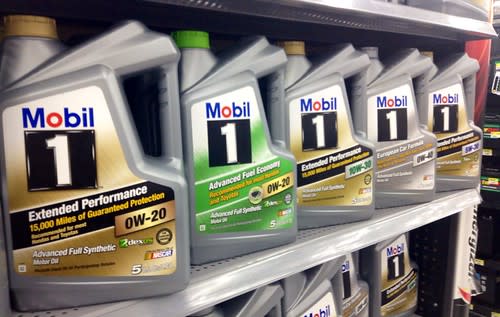
- Same viscosity, same spec, same family. Example: Mobil 1 5W-30 with Mobil 1 5W-30 Extended Performance to top off. Safe, but extended drain benefits may drop.
- Same viscosity and meets your car’s spec. Example: Two 0W-20 Mobil 1 variants that both meet API SP and your car’s dexos1 spec.
- Emergency top-off. You are low and only have a different Mobil 1 grade. Add enough to reach the dipstick mark. Then change oil at the next normal interval.
Real-world note: I have topped off a Camry with Mobil 1 0W-20 using Mobil 1 5W-20 once. The car ran fine. We changed it at the usual time and saw clean internals at later service.
When you should avoid or limit mixing
This is where can you mix different types of mobil 1 oil becomes tricky:
- Mobil 1 ESP vs non-ESP. ESP is low-SAPS for some European specs and emissions parts. Mixing can weaken DPF and catalyst protection.
- Racing oils vs street oils. Racing blends can have higher zinc and fewer detergents. Mixing into street oil can upset balance and may affect sensors and cats.
- Diesel-specific oils vs gasoline oils. The additive needs differ. Use the oil your engine type needs.
- Wide viscosity gaps. Mixing 0W-20 with 10W-40 can skew cold flow and film strength. Not ideal.
- If your engine needs a specific OEM spec. For example, VW 504/507, MB 229.52, BMW LL-01, or dexos2. Stay with the exact spec.
Tip from the bay: A client with a modern turbo VW mixed non-ESP oil into an ESP oil. The car ran. But we shortened the interval and returned to the correct oil to protect the GPF and O2 sensors.
Can You Mix Mobil 1 Extended Performance with High Mileage? – Safe or Risky?
How mixing affects performance and warranty
Your first worry may be warranty. Most makers care that the oil meets the required spec and viscosity. If both oils meet the spec in your manual, a small mix will not void a warranty by itself. Keep receipts and document the products you used.
Performance is the bigger point:
- Extended drain claims depend on a full fill of that exact oil. Mixing reduces that claim.
- Fuel economy benefits can slip if you blend different viscosities.
- Additive synergy can weaken when mixed. Wear protection stays good, but not optimal.
- Emissions system life may shorten if low-SAPS and standard oils are blended.
So can you mix different types of mobil 1 oil and keep peak performance? Not always. It is fine for topping off. It is not ideal for long drains or hard use.

Best practices for topping off and switching
Follow this simple plan when you must mix or switch.
Before you pour:
- Read your owner’s manual. Note the viscosity and required specs.
- Check the Mobil 1 label for API/ILSAC or OEM approvals.
If you must top off:
- Use the same viscosity when possible.
- Stay within the same family if you can. Example: Mobil 1 to Mobil 1, not mixing in ATF or gear oil.
- Add only what you need to reach full.
- Resume your normal oil at the next change.
If you plan to switch:
- Do a full drain and replace the filter.
- Fill with the target Mobil 1 product that meets your spec.
- Consider a short first interval if you blended before. Then go back to normal.
- Track oil use, noise, and fuel economy.
This way, can you mix different types of mobil 1 oil and stay safe? Yes, with care and a clear plan.
Real-world examples and lessons learned
From my work with daily drivers and track toys, here is what I have seen.
Case 1: Daily sedan, small top-off
- Mixed Mobil 1 0W-20 with Mobil 1 5W-20.
- No noise change. Fuel economy unchanged. Normal change interval kept.
Case 2: Direct-injected turbo, European spec
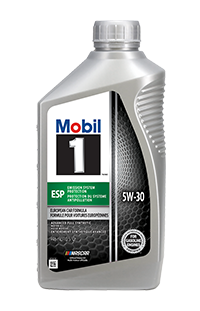
- Mixed a quart of non-ESP into Mobil 1 ESP 5W-30.
- Owner drove two months. We did an early change with the right ESP. No issues, but the safe call was to reset the system with a full, correct fill.
Case 3: High-mileage SUV
- Mixed Mobil 1 High Mileage with standard Mobil 1.
- Seal conditioner effect was diluted. Small seep stayed the same. Later, a full fill of High Mileage slowed the seep.
My takeaway: can you mix different types of mobil 1 oil for short-term needs? Yes. For best results, do a full, correct fill at the next change.
Compatibility by popular Mobil 1 lines
Here is a quick guide to common Mobil 1 families. Always confirm specs on the label.
- Mobil 1 Advanced Full Synthetic: General-purpose. Plays well with other Mobil 1 oils for top-offs. Good for API SP, ILSAC GF-6 needs.
- Mobil 1 Extended Performance (EP): Built for long drains. Mixing with non-EP lowers the long-drain claim. Fine for top-offs.
- Mobil 1 Extended Performance High Mileage: Same note as EP, with seal conditioners. Mixing dilutes those conditioners.
- Mobil 1 High Mileage: Great for older engines and minor leaks. Mixing is okay but reduces the seal care benefits.
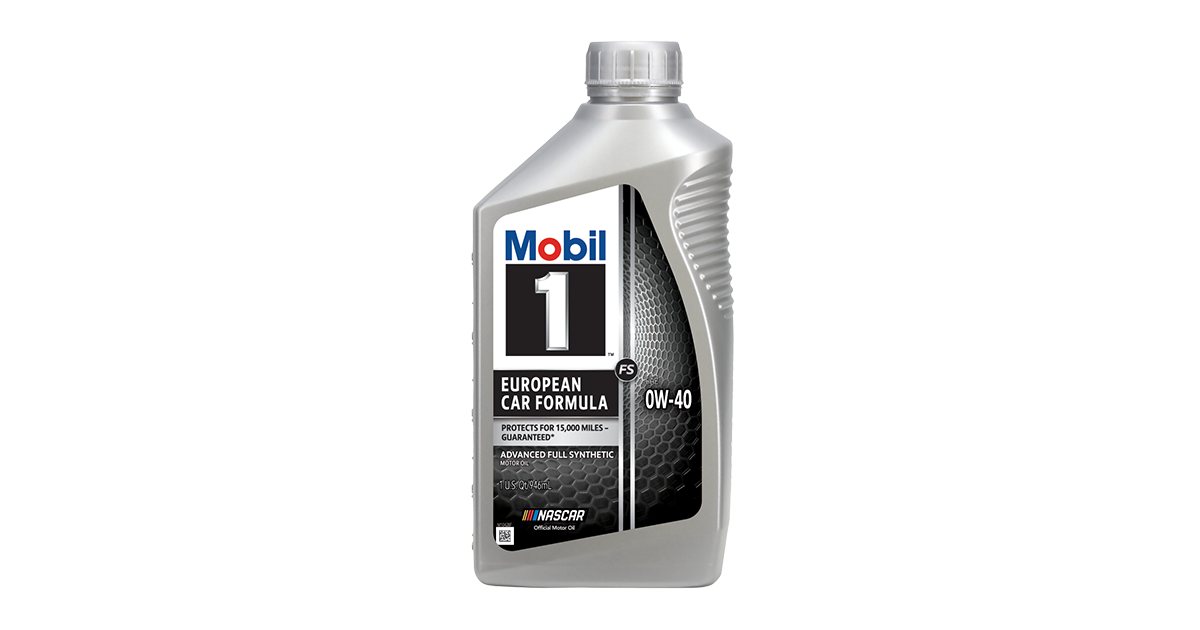
- Mobil 1 ESP (European Car Formula): Low-SAPS for emissions systems and Euro specs like VW 504/507 or MB 229.52. Avoid mixing with non-ESP if you need those approvals.
- Mobil 1 Truck & SUV / Turbo Diesel Truck: Tuned for trucks and some diesel needs. Check if your engine is gas or diesel. Do not assume cross-use.
- Mobil 1 Racing: Track use. Not ideal to mix into street oils.
If you ask can you mix different types of mobil 1 oil across these lines, the safe rule is to match the spec and viscosity first. Then keep any blend short term.
DIY blending: smart idea or extra work?
Some drivers try to “make” a custom grade. They pour half 0W-20 and half 5W-30 and hope for a magic middle ground. Oil does not blend in a straight line like that. Viscosity index math and additive chemistry are complex.
Can you mix different types of mobil 1 oil to craft a special brew? You can, but it rarely beats a single, correct product. Mobil 1 already tunes each oil for balance. Pick the grade and spec your engine needs. Save the lab work for the labs.
Frequently Asked Questions of can you mix different types of mobil 1 oil
Is it safe to mix Mobil 1 5W-30 and 0W-20?
Yes, for a small top-off. Your engine will be safe, but plan a normal oil change soon.
Will mixing Mobil 1 Extended Performance with regular Mobil 1 ruin long drain claims?
It reduces the extended drain benefit. Follow normal intervals after mixing unless the full fill is Extended Performance.
Can I mix Mobil 1 ESP with non-ESP oils?
It is not ideal. ESP protects emissions systems, and mixing can weaken that protection.
Does mixing void my warranty?
Not if the blend still meets your car’s required specs and viscosity. Keep records and follow the manual.
How much can I mix before it is a problem?
Small top-offs are fine. If more than a quart or two in a typical car, do an early change back to the correct oil.
Can I mix Mobil 1 with another brand?
You can in a pinch if specs match. But it is better to stay within the same brand and product line.
What if I mixed the wrong viscosity by mistake?
Do not panic. Drive gently and schedule an oil change soon with the correct viscosity.
Conclusion
You asked can you mix different types of mobil 1 oil, and the answer is yes—with limits. Mixing works for short top-offs and emergencies. For peak performance, emissions care, and long drain claims, use a full fill of the exact oil your engine needs. Check your manual, match the specs, and keep good records.
If this helped, share it with a friend, drop a comment, or subscribe for more simple, trusted car care tips.