
Cheap Engine Oil Vs Expensive: What’s The Real Difference?
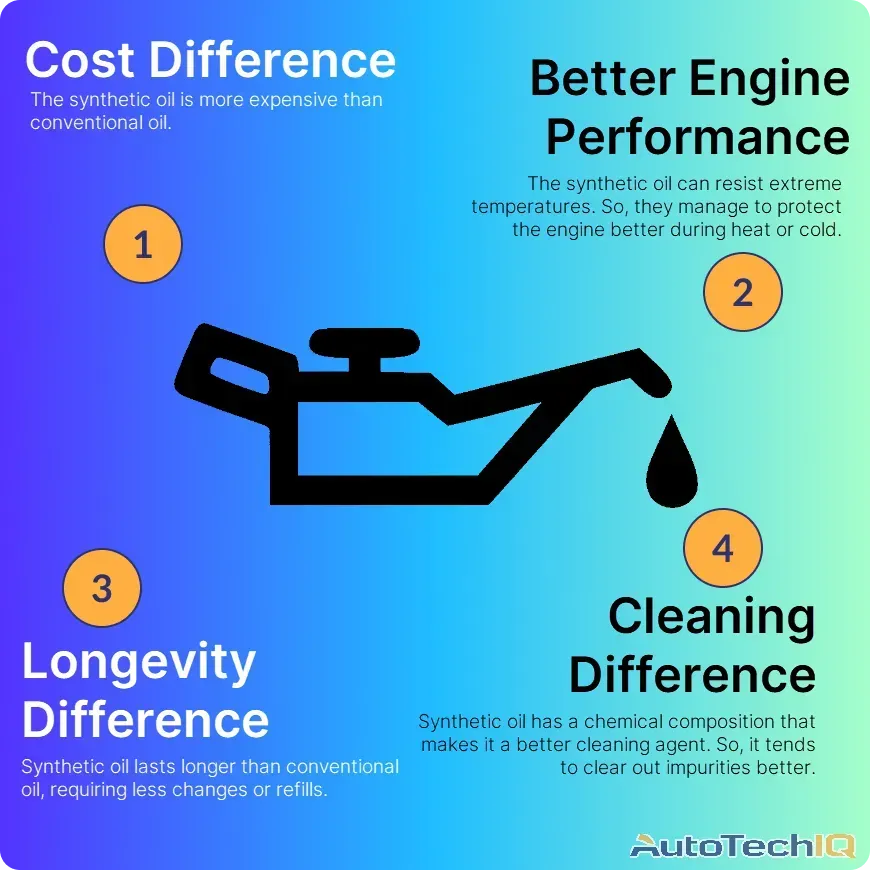
The main difference between cheap engine oil and expensive engine oil is their quality, protection level, and how long they last inside your engine. Cheap oils often use basic mineral formulas and fewer additives, so they break down faster and may not protect your engine as well—especially in tough conditions. Expensive oils are usually synthetic or semi-synthetic, packed with advanced additives for better cleaning, smoother operation, and longer change intervals. Choosing between them isn’t just about price—it’s about what your engine needs, how often you drive, and even where you live.
Many drivers think that oil is just oil, but there is a real gap between what you get from a cheap bottle and a premium one. Small savings on oil can turn into big costs later if your engine wears out or gets clogged with sludge.
Understanding the differences can help you make better choices and avoid costly repairs down the line. Let’s look deeper into how engine oils work, what you pay for, and how each type affects your car over time.
7 Best Diesel Engine Oil for Maximum Performance: Expert Buying & Tested Guide
How Engine Oil Works In Your Car
Engine oil is like the blood of your car’s engine. It keeps all the moving parts sliding smoothly, reduces heat, stops wear, and fights off gunk and sludge. When you start your car on a cold Monday morning or take a long weekend road trip, the oil works hard to protect the engine.
A good engine oil:
- Lubricates metal parts so they move without grinding each other down.
- Cleans by picking up dirt, soot, and tiny metal shavings, carrying them to the oil filter.
- Cools by moving heat away from pistons and bearings, preventing overheating.
- Protects against rust and corrosion, even when the engine sits unused for weeks.
When oil is fresh and high quality, your engine runs quietly and efficiently. But as oil ages or if you use a lower-grade product, it loses its ability to protect. The oil gets dirty, thickens, and forms sludge that can block oil passages.
For example, if you drive mostly in short trips where the engine doesn’t fully warm up, cheap oil can leave behind more moisture and acids that speed up corrosion. High-quality oil fights these problems better, helping your engine last longer.
Cheap oils might handle basic tasks, but when the weather is very hot, cold, or you drive a lot, higher-quality oil can make a big difference in how your car feels and lasts. If you push your engine hard—like towing a trailer or driving up steep hills—good oil prevents wear that you might not notice until it’s too late.
What Makes Engine Oil Cheap Or Expensive?
The price of engine oil depends on its base oil, additives, and the manufacturing process. Cheap oils usually contain more basic mineral oil, with simple additives. Expensive oils are often fully synthetic, made with advanced chemical processes and blended with special additives for cleaning, anti-wear, and engine life extension.
Here’s a simple comparison:
| Feature | Cheap Oil | Expensive Oil |
|---|---|---|
| Base Oil | Mineral | Synthetic/Semi-synthetic |
| Additive Package | Basic | Advanced |
| Change Interval | Short (3,000-5,000 km) | Long (10,000-20,000 km) |
| Performance at Extremes | Low | High |
| Price/Liter | $3–$7 | $15–$40 |
It’s not just about the raw ingredients. The quality control, blending technology, and even research behind expensive oils are much higher. For instance, synthetic oil molecules are designed to be uniform in size, which means they move more smoothly between engine parts.
Cheap mineral oil molecules are less consistent, which can lead to more friction and quicker breakdown.
The Science Behind Oil: Base Oils And Additives
Cheap and expensive oils start with different base oils. The cheapest oils use mineral base oils, made from refining crude oil. They do the job, but break down faster under stress. Expensive oils use synthetic bases, made in labs for more even molecules, better flow, and more stability in heat or cold.
Additives are another key. Cheap oil might have basic detergent and anti-wear additives. Expensive oil packs in extra detergents, anti-oxidants, friction modifiers, and seal conditioners. These keep your engine cleaner, smoother, and leak-free longer.
For example, antioxidants in premium oils help slow down the process of oil thickening and sludge formation, especially when engines get hot. Friction modifiers—often missing in cheap oils—make your engine run a little quieter and improve fuel economy by reducing the energy lost to friction.
Some additives, like dispersants, help keep microscopic debris suspended in the oil, so it gets trapped in the filter instead of sticking to engine parts. Over time, this keeps your engine cleaner inside. Cheap oils may skip these, leading to buildup you can’t see but will feel later in reduced performance or higher fuel use.
Engine Protection: Wear, Friction, And Longevity
Expensive engine oil gives better protection over time, especially in tough driving—like hot city traffic or cold mountain mornings. Cheap oil forms a thin film that can wear off, leading to more metal-on-metal contact. Over years, this causes more engine wear, ticking sounds, and maybe early engine failure.
High-end oil forms a stronger, longer-lasting layer. It has more zinc and phosphorus for anti-wear, and keeps its thickness even when hot or cold. If you push your car hard or have a turbo engine, expensive oil is like a health insurance plan.
Consider a real-world example: turbocharged engines, which are common in newer cars, run hotter and have higher pressures than older engines. Cheap oil can’t always keep up, letting heat and friction wear down the turbo bearings. Over time, this can lead to expensive repairs, sometimes costing thousands. Synthetic oils are designed to withstand these stresses, protecting critical parts for much longer.
Another overlooked point: cheap oil may not protect as well during “dry starts”—when the engine sits for days and oil drains off the parts. Synthetic oils cling better, reducing wear at startup, which is when most engine damage actually happens.
Oil Change Intervals: How Long Do They Really Last?
Cheap oil usually needs changing every 3,000 to 5,000 kilometers (about 2,000–3,000 miles). That means more visits to the garage, more wasted weekends, and more money spent over years. Expensive oil, especially full synthetic, can last 10,000–20,000 kilometers (6,000–12,000 miles), sometimes more with the right car and filter.
Here’s a quick look:
| Oil Type | Average Change Interval |
|---|---|
| Cheap Mineral Oil | 3,000–5,000 km |
| Mid-range Semi-Synthetic | 7,000–10,000 km |
| Expensive Full Synthetic | 10,000–20,000 km |
Frequent oil changes with cheap oil can feel like a never-ending chore, especially if your work schedule is busy or you just want to enjoy your weekend. The longer interval with expensive oil can actually be less hassle—and sometimes, less expensive—over the life of your car.
There’s also the hidden cost of time and labor. If you pay a mechanic, the labor fee for frequent changes can add up. If you do it yourself, it still takes time, effort, and safe disposal of used oil. With longer intervals, you reduce both waste and stress.
Engine Cleanliness: Sludge, Deposits, And Real-world Results
Cheap oil, with fewer detergents, allows more sludge and carbon deposits to build up. If you’ve ever seen a mechanic pull off a valve cover and show you thick, black gunk, that’s usually from cheap oil and missed changes. Expensive oils keep engines cleaner, which means better efficiency, fewer weird smells, and less burning oil.
A friend’s old Toyota started burning oil after years of cheap oil and lazy maintenance. The inside was coated in sludge, and the repair cost more than a year’s worth of good oil changes. Using expensive oil and regular changes could have kept things running smoothly.
Engines with a lot of short trips—like city taxis or delivery cars—are especially at risk. Cheap oils break down faster, and short trips don’t burn off moisture, so sludge forms quickly. Synthetic oils can handle these conditions better, helping avoid sticky valves, rings, and blocked oil passages that hurt performance.
Fresh Oil vs Burning Oil: The Hidden Clues Most Drivers Miss
Performance In Extreme Temperatures
If you live in a place with cold winters or hot summers, oil quality matters even more. Cheap oils can get thick in the cold, making your car hard to start on a frosty morning. In high heat, they thin out too much, losing their protective power.
Expensive synthetic oils flow well in freezing weather and stay thick enough to protect at high temperatures. For example, if you’re heading to the mountains for a holiday ski trip or driving across a desert in summer, the right oil can be the difference between a smooth journey and a breakdown.
A less-known fact: starting your engine with thick oil in the cold is when most wear happens. Premium oils are designed to flow quickly, even at -30°C, coating parts before they scrape against each other. This means fewer cold-start problems and less wear over the life of your vehicle.
Fuel Efficiency: Does Oil Quality Matter?
Yes, better engine oil can help your car use less fuel. Expensive synthetic oils often include friction modifiers that help the engine run smoother, using less energy to move parts. The difference can be small—maybe 1–3% better mileage—but over a year, that adds up.
Cheap oil, especially when it gets dirty or breaks down, can make your engine work harder. You might not notice a big change in a day, but on long trips or after months, the extra fuel cost can sneak up on you.
For example, if you drive 20,000 km a year and your car gets 3% better mileage with synthetic oil, you could save the equivalent of a tank or two of fuel. Over several years, that’s real money back in your pocket.
Real-life Costs: Cheap Oil Vs Expensive Oil Over Time
It’s easy to look at the shelf and pick the cheapest bottle. But the real cost comes after months or years. More frequent oil changes, possible engine repairs, and lower resale value can make cheap oil more expensive in the long run.
Here’s a cost comparison for a typical car over 100,000 km (about 60,000 miles):
| Oil Type | Bottle Price | Change Interval | Total Oil Cost* | Extra Repairs |
|---|---|---|---|---|
| Cheap Mineral Oil | $6 | 4,000 km | $150 | Possible (sludge, wear) |
| Expensive Synthetic Oil | $30 | 15,000 km | $120 | Rare |
\*Based on 4 liters per change, not including labor.
Surprisingly, expensive oil can cost less in the long run and keep your engine healthier.
There’s another hidden factor: resale value. Cars with records of regular synthetic oil changes and clean engines often sell for more. Buyers and mechanics can spot engines that have been looked after—and they’re willing to pay for peace of mind.
Engine Warranty And Manufacturer Requirements
Many new cars today, especially high-tech or turbocharged engines, require synthetic oil for warranty coverage. Using cheap oil might void your warranty and lead to expensive repairs.
Car makers specify what oil to use for a reason. If you drive a modern car, check your manual and stick to the recommended oil grade and type.
Skipping on oil quality in a new car is a gamble. If something goes wrong and you used the wrong oil, repairs might not be covered—even if the problem seems unrelated. Always keep receipts and records for oil changes, especially if your car is still under warranty.
Additives And Certifications: What To Look For
Not all engine oils are the same, even if the label says “for cars.” Look for certifications like API SN, ACEA, or your car maker’s approval. Expensive oils usually carry multiple certifications, while many cheap oils only meet basic standards.
Additives make a big difference:
- Detergents keep the engine clean
- Dispersants stop sludge
- Anti-wear agents protect moving parts
- Viscosity improvers help oil stay the right thickness
- Friction modifiers improve fuel economy
Some cheap oils may skip advanced additives, which means less protection.
Checking for these certifications and additives can help you avoid “fake” or low-quality oils, which are more common than many drivers realize. Buying from trusted retailers and looking for official approval marks is an easy way to protect your engine.
Environmental Impact: Used Oil And Emissions
Using cheap oil and changing it more often means more waste oil to dispose of. Synthetic oils, with longer change intervals, reduce the amount of oil dumped into the environment. Also, a clean engine with good oil burns fuel more efficiently, creating fewer emissions.
If you care about your carbon footprint, using high-quality oil and maintaining your car properly is a small but real way to help.
Many recycling centers now accept used oil, but frequent changes mean more trips and more risk of improper disposal. Using oil that lasts longer reduces your impact and helps keep local water and soil cleaner.
Credit: newsroom.aaa.com
When Is Cheap Oil “good Enough”?
Cheap oil can work if:
- You drive an old car with a simple engine
- The car isn’t driven hard or in extreme weather
- You’re okay changing oil often and watching for problems
But for modern engines, long road trips, or tough climates, cheap oil is a risky shortcut.
One practical example: if you have a 20-year-old sedan that’s only used for short trips to the store, cheap oil might be fine as long as you stay on top of oil changes. But if you notice ticking sounds, leaks, or see the oil getting dark quickly, it’s a sign your engine needs better protection.
When Should You Choose Expensive Oil?
Choose expensive oil if:
- Your car is new, turbocharged, or high-performance
- You want fewer oil changes and less hassle
- You drive in extreme heat, cold, or stop-and-go traffic
- You want to keep your car for many years or resale value
Premium oil isn’t just for sports cars—anyone who values reliability, smoother running, and lower long-term costs can benefit. Even in average family cars, synthetic oil can prevent small issues that often grow into big ones if ignored.
Common Myths About Engine Oil Prices
Many people think “oil is oil” or that expensive oil is just marketing. In reality, the science and additives in modern synthetic oils are well-proven. Another myth: “If you change cheap oil often, it’s just as good.” That’s true only in easy conditions and with perfect timing. Miss a change, and engine wear jumps.
Also, using “racing” oil in a normal car isn’t always better. Racing oils are for short, high-stress events and may lack detergents for daily driving.
Another common myth is that synthetic oil can leak more in old engines. While this was sometimes true decades ago, modern synthetics often include seal conditioners that actually help prevent leaks. If your car has an oil leak, it’s a sign of an underlying problem, not the oil itself.
Case Study: The Weekend Getaway
Imagine you plan a weekend trip to the coast. If your car uses cheap oil, and it’s overdue for a change, the hot highway drive could thin out the oil, causing more engine noise and wear. With expensive synthetic oil, you get peace of mind, better fuel economy, and a quieter ride.
Real-life context: I once drove my old sedan 400 km for a family holiday and noticed the engine felt rougher after using budget oil. The next time, with synthetic, the car felt smoother and even the gas mileage was better.
On longer trips, less obvious benefits include less oil consumption (so you’re less likely to run low) and fewer worries about the engine overheating in traffic or on hills. The difference may seem small, but over a few years, it adds up to less stress and more reliable travel.
Sensory Experience: How Oil Quality Feels
You might notice small changes:
- With cheap oil, the engine can get noisier over time.
- Expensive oil often keeps things quiet and smooth, even after months.
After switching to a high-quality synthetic, many drivers report less vibration, easier starts on cold mornings, and less oil smell.
Sometimes, the difference is most obvious after a long trip or after the car has sat for a few days in cold weather. If your engine sounds rough or takes longer to start, it’s a clue the oil isn’t doing its job.
That smooth, confident feeling after an oil change with good synthetic oil is a sign your engine is well protected.
Diy Vs Mechanic: Does Oil Quality Change The Job?
If you like to change your oil yourself, cheap oil seems attractive. But you’ll do it more often, and the mess adds up. With expensive oil, you change less, handle less waste, and can feel more confident on long drives.
A tip: Always use a good oil filter, no matter the oil.
Another insight: some premium oil brands sell “extended life” filters designed to match longer oil change intervals. If you’re switching to synthetic, consider upgrading your filter as well—otherwise, a cheap filter can limit the benefits of your expensive oil.
Credit: bangshift.com
A Mechanic’s View: Why Most Recommend Synthetic
Ask a trusted mechanic, and most will say expensive synthetic oil is worth it—especially for newer cars. They see engines every day, and the clean, well-protected ones usually run on good oil. Cheap oil engines often show sludge, leaks, and early wear.
Mechanics often point out that “peace of mind” is priceless, especially on long drives or in extreme weather. They also know that skipping on oil quality is one of the most common reasons for engine trouble in cars that should last many more years.
How To Choose The Right Oil For Your Car
- Check your owner’s manual for recommended type and viscosity.
- Consider your driving style—short trips, long commutes, hard driving.
- Think about your climate—hot, cold, or mixed.
- Look for certifications—API, ACEA, or car maker approval.
- Balance your budget—sometimes, mid-range synthetic is enough.
If unsure, ask a mechanic or check a trusted source like Consumer Reports.
Don’t forget to check for special needs—like high-mileage oils for older engines, or low-ash formulas for diesel engines with particle filters. Using the right oil keeps your warranty valid and ensures your car performs as it should.
Credit: www.autotechiq.com
Frequently Asked Questions
Is It Safe To Mix Cheap And Expensive Engine Oils?
It’s usually safe for a short time, as long as the oils meet the same specs and viscosity. But mixing can reduce the performance of the expensive oil, especially if the cheap oil lacks key additives. Try to use the same type for best results.
Will Expensive Engine Oil Fix Engine Noise Or Leaks?
Expensive oil can sometimes reduce engine noise by better lubrication, and special additives may help slow small leaks. But it can’t fix mechanical problems or worn seals. If you hear knocking or see oil spots, have a mechanic check your car.
Does Cheap Engine Oil Cause Engine Damage Right Away?
Not usually—if you change it on time and drive gently. But over months or years, cheap oil may allow more wear, sludge, or deposits, especially in newer or high-stress engines.
How Do I Know If My Car Needs Synthetic Oil?
Check your owner’s manual. Many modern cars require synthetic oil for warranty and performance. If you drive in extreme weather or want longer intervals, synthetic is a smart choice.
Is Expensive Oil Worth It For An Old Car?
For old, high-mileage cars, expensive oil can help reduce wear and leaks. But if the car is near the end of its life, or burns oil quickly, cheap oil may be more cost-effective—just change it often.
Choosing the right engine oil is more than just saving money at the checkout. It’s about protecting your engine, your time, and your driving experience—whether that’s a weekday commute or a weekend adventure. Make your choice based on your car, your lifestyle, and what really matters on the road.