
Experiencing dirty oil after only 2500 miles or less can be concerning. It may indicate engine issues like short trips causing condensation, poor-quality oil, or worn components producing sludge. Check your oil type, driving habits, and consider a professional inspection to prevent long-term engine damage.
It was a chilly Saturday morning, and I was finally getting around to my weekend “car therapy.” I popped the hood in my driveway, expecting to see that beautiful, honey-gold glow on the dipstick. After all, I’d only driven 2,500 miles since my last change.
Instead, I saw dark, ink-colored oil staring back at me. My heart sank for a second. Is my engine toast? Did I buy bad oil?
If you’ve been there, I feel your pain. “Dirty oil” usually looks like a dark brown or black liquid. Sometimes it feels gritty between your fingers, or it might look thin and watery. But here is the secret I learned after years under the hood: Color alone isn’t always a sign of engine failure.
Modern engines are smart. They use strong detergents to scrub the inside of your motor. That black color often means the oil is doing its job by grabbing soot and carbon before it can build up. However, your driving habits—like those short trips to the grocery store—also play a huge role. I’m going to share exactly what I found so you can stop worrying and start driving.
Top 5 Best Engine Oil for Car: Top Valvoline Picks for Maximum Performance
Is It Normal for Engine Oil to Get Dirty After 2,500 Miles?
The short answer is yes, it is often perfectly normal. In many modern cars, oil can turn dark in just a few hundred miles because it is actively cleaning your engine. However, if the oil is thick like tar or smells burnt, it becomes a warning sign that needs your attention.
Whether your oil condition is “good” or “bad” depends on a few things I noticed with my own car:
- Engine Type: If you have a modern turbo engine, they run hot. Heat turns oil dark fast.
- Oil Type: Synthetic oils have high-end cleaners. They find old dirt and soak it up like a sponge.
- Driving Style: If you’re like me and spend half your life in stop-and-go city traffic, your oil works twice as hard.
Why Oil Turns Dark So Fast
When I first saw my dark oil, I did some digging. Here is why it happens:
- Detergents at Work: The oil has additives that “trap” carbon. This keeps your engine parts shiny and clean.
- Heat Cycles: Every time you start and stop your car, the oil heats up and cools down. This “cooking” naturally darkens the fluid.
- Direct Injection: Many new cars (GDI engines) create a bit more soot during combustion, which ends up in the oil.
When Dark Oil Is Actually a Good Sign
Believe it or not, I’ve learned to be happy when my oil darkens slightly. It means:
- The oil is suspending contaminants instead of letting them stick to your engine walls.
- If you just switched to synthetic, the new oil is likely “deep cleaning” old gunk left behind by cheaper oils.
When It’s Not Normal
I always tell my friends to look for these “red flags.” If you see these, don’t ignore them:
- The Sludge Factor: If the oil looks like thick chocolate pudding, that’s a big problem.
- The Smell Test: If it smells like burnt toast and regret, your oil is likely overheating.
- Metal Flakes: Seeing glitter in your oil is never a party—it means metal is rubbing on metal.
- Rough Idle: If your car shakes or “ticks” at red lights, the oil might be too thin to do its job.
What Causes Dirty Oil So Quickly?
The main reasons your oil looks dirty fast are short trips, city driving, and engine design. When I first noticed my oil turning black by the third week of the month, I was frustrated. I learned that how we drive matters as much as the car itself. Your oil acts like a sponge for heat and soot.
Short Trips & Cold Starts
Last winter, I mostly used my car for five-minute school runs. This is “severe” driving. The engine never gets hot enough to evaporate moisture. This leads to:
- Water buildup: Condensation stays in the oil.
- Fuel Dilution: Unburnt gas slips past the pistons.
- Milkiness: In bad cases, the oil looks like a latte.
Stop-and-Go Driving (City Use)
I spent one summer commuting through heavy city traffic. My oil looked ancient after only 2,000 miles. When you idle at red lights, there is no airflow to cool the engine. The oil sits in a hot “bath,” which cooks it faster and turns it dark from carbon.
Turbocharged or Direct Injection Engines
My latest car has a turbo, and it is tough on lubricants. These engines have high pressure. More “blow-by” gases escape into the crankcase. This soot hits the oil immediately. It is a sign the oil is working, but it sure looks ugly on the dipstick.
Old Engine or High Mileage
My old high-mileage truck always had dark oil. The piston rings were worn, so more exhaust gases leaked into the oil pan. If your car is older, the oil is also busy cleaning up years of old “sludge” left behind by previous owners.
Cheap or Wrong Oil Type
Once, I tried to save ten dollars by using a generic oil. Never again. Cheap oil lacks the strong additives needed to stay stable. Also, using the wrong thickness—like 10W-30 when your manual asks for 5W-20—can cause more friction and heat.
Does Dark Oil Mean You Need an Immediate Oil Change?
No, dark oil does not always mean you need an oil change right away. I used to panic and rush to the shop the moment my dipstick looked like strong coffee. But color is a liar. It mainly shows that your oil is cleaning well. You only need to swap it early if the texture changes or you meet “severe” driving rules.
What Actually Determines Oil Life
To really know if my oil was “dead,” I looked past the color. True oil life depends on:
- Viscosity: Does it still flow right, or is it thick like syrup?
- TBN (Total Base Number): This is the oil’s ability to fight acid. Once this is gone, the oil is finished.
- Contamination: Lab tests look for dirt, metal, or water that shouldn’t be there.
The Dipstick Test — What to Look For
On a sunny Sunday morning, I learned a great trick. Take a drop of oil from the dipstick and rub it between your thumb and finger.
- Feel: It should feel smooth. If it feels like fine sand (gritty), change it now.
- Smell: Give it a sniff. A strong gas smell or a “burnt” odor is a bad sign.
- Thickness: If it drips off like water or hangs on like glue, it’s lost its strength.
When to Change It Early Anyway
Sometimes, I don’t wait for the light on my dash. I change mine at 3,000 miles if I’ve been:
- Towing: Pulling a trailer creates massive heat.
- Idling: Sitting in city traffic for hours kills oil life.
- Extreme Weather: Driving in a freezing winter or a 100°F summer wears oil out fast.
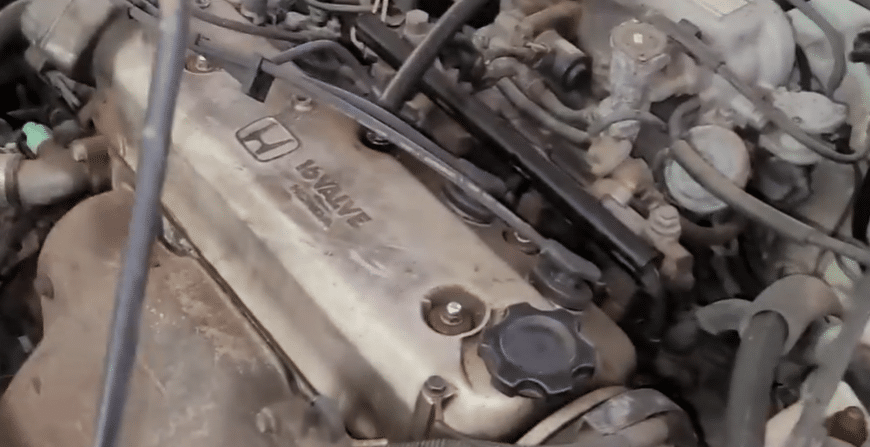
Can Fuel Dilution Make Oil Dirty in 2,500 Miles?
Yes, fuel dilution can ruin your oil quickly and it is very common in new cars. I noticed this when my oil level actually seemed to rise on the dipstick. Gas was leaking into my oil pan. This thins the oil out, making it dark and watery, which stops it from protecting your engine.
Signs of Fuel Dilution
When I checked my car last Tuesday, I looked for these specific clues:
- Rising Levels: If you have more oil than you started with, it’s likely gas.
- The Sniff Test: If the dipstick smells like a gas station pump, you have a leak.
- Watery Texture: The oil won’t “bead” up; it just runs off the metal.
Why It Happens
It’s not always a “broken” part. In my case, it was my lifestyle:
- Short Trips: If I only drive 10 minutes, the engine stays cold. The rings don’t seal, and gas slips into the oil.
- Direct Injection: These modern systems spray fuel at high pressure, which can wash down the cylinder walls.
Long-Term Damage Risks
I don’t play around with fuel dilution. If you leave it, the gas eats away at your engine’s “cushion.” This leads to worn-out bearings and expensive camshaft damage. If your oil smells like fuel, don’t wait—get it checked.
Is Synthetic Oil Supposed to Last Longer Than 2,500 Miles?
Yes, high-quality synthetic oil should easily last 5,000 to 7,500 miles or even more. I remember feeling cheated the first time I spent extra for full synthetic, only to see it turn dark before my next holiday road trip. I thought I had wasted my money. But I learned that while the color changes, the protection stays strong. If it looks truly “worn out” or thick at just 2,500 miles, it is usually a sign of an outside engine issue, not a failure of the oil itself.
Synthetic vs Conventional Oil Differences
When I made the switch, I noticed a huge difference in how my engine ran. Synthetic oil is engineered in a lab to be tough.
- Heat Resistance: It doesn’t “cook” as easily as regular oil when you are stuck in summer traffic.
- Better Cleaning: It has stronger detergents that scrub away gunk.
- Slower Breakdown: The molecules are all the same size, so they don’t wear out as fast as conventional oil.
Why Synthetic Still Gets Dark
Even though it lasts longer, my synthetic oil still turns black fairly quickly. Here is why:
- Cleaning Old Deposits: If you just switched from cheap oil, the synthetic is likely cleaning up years of old mess.
- High-Performance Engines: If you drive a turbo or a sporty car, the extra heat will darken the oil fast.
- Aggressive Driving: Heavy feet make for heavy soot. If you love the fast lane, your oil will show it!
Could There Be an Engine Problem?
Possibly—if your dirty oil comes with weird smells, noises, or smoke, it might be a mechanical issue. I’ve had my share of “car anxiety,” and sometimes that dark oil is a cry for help from the engine. It is important to look at the oil as a health report for your car.
Worn Piston Rings
If your piston rings are tired, they let exhaust “blow-by” into your oil. I once had an old sedan that blew blue smoke from the tailpipe. The oil was always jet black because the engine was essentially breathing into its own oil pan.
PCV System Issues
The PCV valve is a small part that does a big job. If it clogs, pressure builds up and contaminants stay trapped in the crankcase. This makes your oil get dirty at a record pace. It’s a cheap fix, but if you ignore it, you’ll get nasty sludge buildup.
Head Gasket Leaks
This is the one we all fear. Last year, a friend showed me their dipstick and it looked like a chocolate milkshake. That “milky” look means coolant is mixing with the oil. If your oil looks creamy or smells sweet like candy, stop driving immediately.
Sludge Build-Up in Older Engines
If you bought a used car with a spotty service history, you might find thick, tar-like deposits. This sludge can break loose and turn your fresh oil black in just a few days. It takes a few frequent changes with good oil to finally flush all that “engine mud” out.
How to Prevent Oil from Getting Dirty So Fast
You can slow down oil contamination by driving longer distances and using top-tier filters. While you cannot stop oil from turning dark—since that means it is doing its job—you can prevent it from degrading too soon. I found that simple changes to my weekend routine made a huge difference in how fresh my oil stayed. By managing heat and choosing better parts, I kept my engine much cleaner.
Take Longer Drives Occasionally
One Saturday, I realized my constant five-minute trips to the cafe were killing my oil. Now, I make sure to take a 30-minute highway drive at least once a week.
- Burn off moisture: Getting the oil to full heat evaporates water buildup.
- Stop fuel dilution: A hot engine seals better, keeping raw gas out of your oil pan.
Use High-Quality Oil & Filters
I used to buy the cheapest filter on the shelf, but that was a mistake. Now, I only use OEM-spec or premium synthetic filters.
- Better mesh: High-quality filters catch smaller bits of grit and carbon.
- Correct Viscosity: I always stick to the 5W-30 my car needs. Using the wrong “weight” can cause extra friction and soot.
Follow Severe Service Intervals If Needed
If you live in a dusty area or deal with brutal summer heat, the “normal” schedule does not apply to you. I treat my city commute as “severe service.” This means I change my oil more often than the main manual suggests. It costs a bit more now, but it saves me from a massive repair bill later.
Consider Used Oil Analysis
If you are a car nerd like me, try a lab test. I sent a small sample of my “dirty” oil to a lab last year. For about $30, they told me exactly what was in it. It gave me total peace of mind to know my dark oil was still chemically healthy and safe to use.
When Should You Actually Worry?
You should only worry if your dark oil comes with strange noises, odd smells, or a change in texture. Color is just a coat of paint; it doesn’t tell the whole story. I’ve learned to stay calm unless my car starts acting differently. If the engine feels smooth and the levels are steady, black oil is usually just busy oil.
Warning Signs That Require Immediate Attention
When I check my car, these four things make me call the mechanic immediately:
- Sounds: If I hear knocking or a fast ticking, the oil isn’t lubricating.
- Lights: A “Check Engine” or “Oil Pressure” light is a red alert.
- Smells: If the cabin smells like a backyard bonfire, oil might be leaking and burning.
- Sludge: If I see thick, jelly-like goo on the cap, that is a sign of long-term neglect.
When It’s Probably Fine
Most of the time, I realize I am just overthinking it. It is likely fine if:
- The engine idles smoothly and quietly.
- The oil level stays right between the two dots on the stick.
- You haven’t seen any new smoke from the tailpipe.
- You know you just changed it recently with a good brand.
Real-World Scenario: Why My Oil Looked Black at 2,300 Miles
I remember a freezing Tuesday morning last January when I decided to check my levels. I pulled the dipstick in my icy driveway, and my heart skipped a beat. The oil was pitch black. I had only driven 2,300 miles! I felt a surge of panic, thinking my engine was melting from the inside out. My paper towel was stained with a dark, oily mess that looked more like old tar than fresh lubricant.
However, after I calmed down, I looked at my recent driving habits.
- Cold Winter Commuting: I was driving in sub-zero temps.
- Short Drives: My office is only four miles away. The engine never got hot.
- New Synthetic: I had just switched to a high-detergent full synthetic.
I decided to send a sample to a lab for testing. The results shocked me. The oil was still perfectly healthy! It had plenty of life left. The black color was just the new synthetic oil doing a great job of cleaning out old soot from my short winter trips. It taught me a huge lesson: Color isn’t everything.
Final Thoughts on Dirty Oil After Only 2500 Miles or Less
Dirty oil is usually a sign that your oil is working, not that it is failing. Most of the time, seeing dark fluid at 2,500 miles is just part of modern car life. Unless you smell fuel or see thick sludge, you probably don’t need to worry. I have learned to trust the data and my car’s performance more than just the shade of the fluid on a paper towel.
To keep your car happy, I suggest you:
- Observe Patterns: Watch if the color changes faster in winter or during city hauls.
- Follow the Manual: Stick to the specs your car maker recommends.
- Don’t Overreact: Dark oil is often just “busy” oil cleaning your engine.
- Get a Lab Test: If you are truly worried, a $30 test can save you a lot of stress.
FAQs
Why does my oil look black after only 2,500 miles?
Oil darkens as it cleans deposits and carries combustion byproducts. Short trips and city driving can speed this up.
H2: Is it dangerous to drive with dirty oil at 2,500 miles?
Not always. If the engine runs smoothly and there are no warning signs, it’s usually safe.
H2: Should I change my oil early if it looks dirty?
Only if it shows signs of contamination, grit, or unusual smell. Color alone isn’t enough.
H2: Can synthetic oil get dirty this fast?
Yes, synthetic cleans better and can appear dark while still protecting the engine.
H2: Does short-trip driving cause dirty oil?
Absolutely — frequent cold starts prevent oil from reaching optimal temperature, trapping moisture and fuel.
H2: Could this indicate a bigger engine problem?
Possibly — look for sludge, metal flakes, ticking sounds, or unusual smells.
H2: How can I prevent oil from getting dirty quickly?
Use high-quality oil and filters, take longer drives, follow severe service schedules, and consider oil analysis.
H2: When should I worry about my engine oil?
Worry if dirty oil comes with knocking, burning smell, check engine light, or visible sludge.