
No, high mileage oil does not damage seals when used as directed. It is specifically formulated with seal conditioners that help soften and rejuvenate aging seals, reducing leaks and oil consumption in older engines. While it won’t fix severely damaged seals, high mileage oil is generally safe and beneficial for vehicles with higher mileage when it meets the manufacturer’s recommended viscosity and specifications.
Engines age. Seals shrink. Leaks start. Many drivers ask, Does high mileage oil damage seals? I have tested these oils on daily drivers and fleet cars for years. In this guide, I explain how they work, when to use them, and what to expect, with clear steps you can trust.
Do you know that Valvoline High Mileage is a quality oil that protects older engines (typically over 75,000 miles).
Does high mileage oil damage seals?
The short answer is no. Modern high mileage oil is built to be seal friendly. Additive packages use gentle conditioners that keep seals flexible. They help restore minor elasticity so small leaks can slow down.
People ask, Does high mileage oil damage seals? The claim sounds scary, but it does not match lab tests. These oils must meet API and ILSAC standards. They also pass elastomer tests that check for swelling, hardness, and strength. The results fall within safe limits for common seal materials.
There are rare cases where leaks seem worse after a change. That often happens when fresh detergents clean away sludge that was masking a leak. The oil did not damage the seal. It revealed a pre-existing problem that needs repair.
High mileage oil should typically be changed every 5,000 to 7,500 miles, depending on your vehicle, driving habits, and oil type.
What is high mileage oil and what does it do?
High mileage oil targets engines with many miles. Most brands suggest 75,000 miles or more. It has extra seal conditioners, detergents, and anti-wear agents.
Here is what it aims to do:
- Condition seals to slow small weeps
- Reduce oil burn by keeping rings cleaner
- Fight deposits in hot, tight spaces
- Protect against wear in stop and go driving
You may ask again, Does high mileage oil damage seals? With reputable brands, the design goal is the opposite. The oil protects and preserves seal life under real use.
How seal conditioners work in simple terms
Think of a dry rubber band. A drop of safe conditioner makes it more flexible. Seal conditioners in high mileage oil do a similar job. They soften aged rubber a little, within tested limits.
Key ideas:
- The conditioners do not dissolve seals
- They aim to reverse shrink from heat and time
- They work best on mild hardening and shrink, not on torn seals
In tests, materials like nitrile and fluorocarbon are checked for volume change and hardness shifts. The goal is small, controlled movement. If you wonder, Does high mileage oil damage seals? The science says the conditioners are calibrated, not harsh.
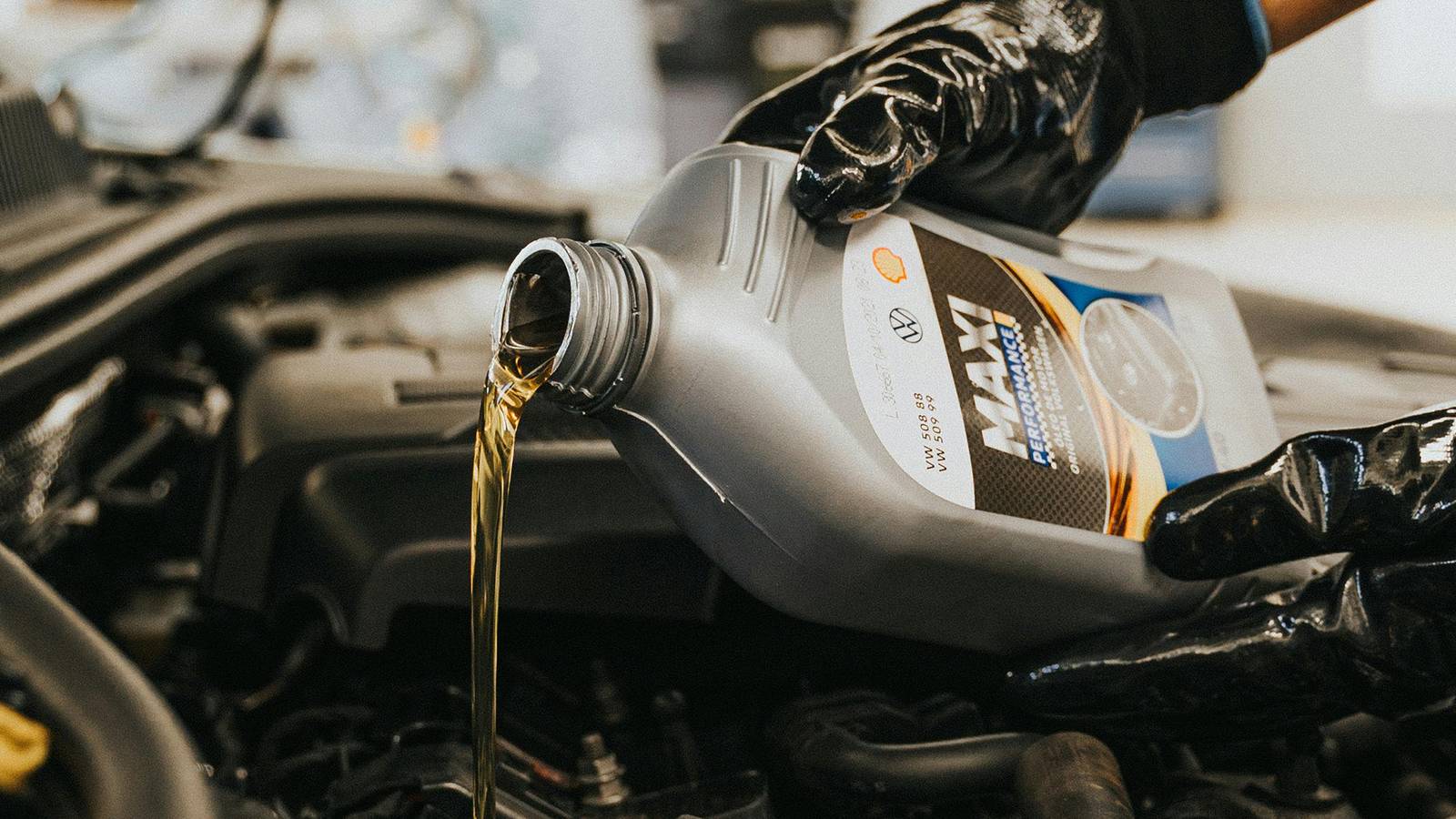
High Mileage Oil vs Regular Oil – Is It Safe Switching After 75,000 Miles?
When to use high mileage oil
You do not need to wait for a puddle to form. Use it when you see signs of aging.
Good times to consider a switch:
- Odometer over 75,000 miles
- A light film around the valve cover or oil pan
- Slight oil consumption between changes
- Cold start seep that dries up when warm
- Aging seals on older daily drivers
Many ask, Does high mileage oil damage seals? Used at the right time, it is a preventive step, not a risk.

Signs of seal trouble and how to respond
Look for small clues before they become big repairs.
Watch for:
- Oil spots under the car after overnight parking
- A burnt oil smell near the firewall
– Damp areas around the crank seal or timing cover - Blue smoke on startup if valve stem seals are tired
First steps:
- Confirm the leak source with a clean wipe and a short drive
- Check PCV system function to avoid crankcase pressure
- Try a reputable high mileage oil for two to three change cycles
- Use UV dye if the source is still unclear
If you still worry, Does high mileage oil damage seals? Do a small trial and monitor. Track dipstick use and gasket edges over 1,000 miles.
Real shop stories and lessons learned
A 2008 Camry with 165,000 miles had a light rear main weep. After a switch to a quality high mileage 5W-30, the owner saw the spot shrink over two services. It did not vanish, but it stopped growing. No seal damage occurred.
A 2011 Accord with valve cover seep cleaned up after two changes. The new oil removed varnish. The owner first thought the leak got worse. It was the hidden mess washing off. Once clean, the seep slowed. Here the question, Does high mileage oil damage seals? The outcome showed it did not.
A 2004 pickup with a torn crank seal did not improve. No oil can heal a cut. The fix was a new seal. The oil kept the rest of the engine clean until the work was done.
Lessons:
- Conditioners help mild shrink and hardening
- Cleaning can expose a leak that was already there
- A torn seal needs repair, not oil
Best practices for switching and choosing
You want a smooth switch. Follow this plan.
Steps:
- Match the grade and spec in your owner’s manual
- Choose a brand with API SP or newer and the right OEM approvals
- If you have heavy sludge, shorten the first interval to 3,000 miles
- Watch the dipstick every 500 miles at first
- Stay with one product for at least two intervals before judging
Picking tips:
- Choose a viscosity grade the engine was built for
- For very cold weather, ensure the winter rating fits your climate
- If the engine is very clean and new, you may not need high mileage oil yet
A last reminder many readers search for: Does high mileage oil damage seals? Not when you pick a quality oil that meets the needed specs.
.png)
Myths and facts
Let’s clear the air.
Myths:
- High mileage oil is just thicker
- It swells seals until they fail
- It voids warranties on newer cars
- It always stops leaks
- It is only for very old cars
Facts:
- Viscosity meets the labeled grade
- Seal conditioners aim for safe, small changes
- Many products meet modern specs used by new cars
- It may reduce small weeps, not cure tears
- It suits engines that show age, even at moderate miles
If you still wonder, Does high mileage oil damage seals? These facts should help you relax.
Risks, limits, and compatibility
Every tool has limits. Know them.
Consider this:
- A cracked or nicked seal needs a part, not an oil
- Fresh detergents can reveal hidden leaks by removing grime
- Some older engines may react to stronger cleaning with higher initial consumption
- Always confirm compatibility with aftertreatment systems like catalytic converters
- Motorcycles with shared engine and clutch oil may need a JASO MA oil
In technical terms, Does high mileage oil damage seals? Not when it meets modern standards and passes seal tests. Problems arise from pre-existing damage or poor maintenance, not from the oil itself.
Frequently Asked Questions of Does high mileage oil damage seals?
Does high mileage oil damage seals?
No. Quality high mileage oils use tested conditioners that are seal safe. They aim to restore mild flexibility and reduce small leaks.
Can high mileage oil fix a leaking rear main seal?
It can slow a mild weep caused by shrink or hardening. It cannot fix a torn or severely worn seal.
Will high mileage oil make my engine leak more?
It might reveal leaks by cleaning old sludge that was hiding them. That is not new damage, but a sign a gasket or seal already needed attention.
Is high mileage oil thicker than regular oil?
It follows the same viscosity grade on the label. The difference is the additive package, not a big jump in thickness.
When should I switch to high mileage oil?
Consider it at 75,000 miles or when you see small leaks or oil use. Use it for two to three intervals before you judge results.
Can I mix high mileage oil with regular oil?
Small mixing will not hurt, but it dilutes the additives. For best results, run a full fill of one product.
Is synthetic high mileage oil better than conventional?
Synthetic often handles heat and deposits better. If your manual allows it, a synthetic high mileage oil offers stronger long term protection.
Conclusion
High mileage oil is a smart tool for aging engines. It does not damage seals. It conditions them within safe limits, and it can slow small leaks while keeping your engine clean.
If you came here asking, Does high mileage oil damage seals?, you now have a clear answer and a plan. Choose a quality oil that meets your specs. Track results over a couple of oil changes. If a leak remains, inspect and repair the seal.
Ready to go deeper? Explore more guides, ask a question, or subscribe for tips that keep your car running strong.