
No, milky oil does not always mean a blown head gasket. While a blown head gasket can cause coolant to mix with engine oil—creating a milky or creamy appearance—other issues can also lead to the same symptom. Short trips and cold weather can cause condensation to build up inside the engine, which may temporarily make the oil look milky. A faulty intake manifold gasket or a cracked engine component can also allow coolant to mix with oil.
mechanics Recommended Diagnostic Gear you must
Tool How It Works Why It’s Useful Combustion Leak Detector (Block Tester) You place this device on your radiator or coolant reservoir. If the blue test fluid turns yellow (gas) or green (diesel), it confirms exhaust gases are present in the coolant. This is the “smoking gun” for a blown head gasket. It proves there is a breach between the combustion chamber and the cooling system. Coolant System Pressure Tester This hand pump allows you to manually pressurize the cooling system while the engine is off. If the gauge drops but you don’t see any puddles on the ground, the coolant is leaking internally—likely into the oil or the cylinders. Oil Analysis Kit You take a small sample of your oil and mail it to a laboratory (like Blackstone Labs) for chemical testing. Labs can detect trace amounts of potassium or sodium (found in antifreeze) that aren’t visible to the naked eye, confirming a leak long before it destroys the engine.
I’ve diagnosed this issue many times in the shop and at home. Does milky oil always mean a blown head gasket? Not always. This guide breaks it down in clear steps, with facts, checks you can do today, and pro tips to save your engine and your wallet.
Mobil 1 Extended Performance 0W-20 Review — Real Engine Tests, Oil Life | It’s Worth It
What milky oil looks like and why it happens
Milky oil looks like coffee with cream. It can show up on the dipstick or under the oil cap. It forms when water or coolant mixes with oil. The mix turns into a tan or gray foam.
Heat and engine shear whip the fluids into an emulsion. Short trips can make this worse. The oil never gets hot enough to steam off moisture. People often ask, does milky oil always mean a blown head gasket? It can mean that, but there are other causes too.
What you may see:
- Thick sludge on the oil cap
- Foam on the dipstick
- Rising level in the oil pan
- Sweet smell if coolant is in the oil

Does milky oil always mean a blown head gasket?
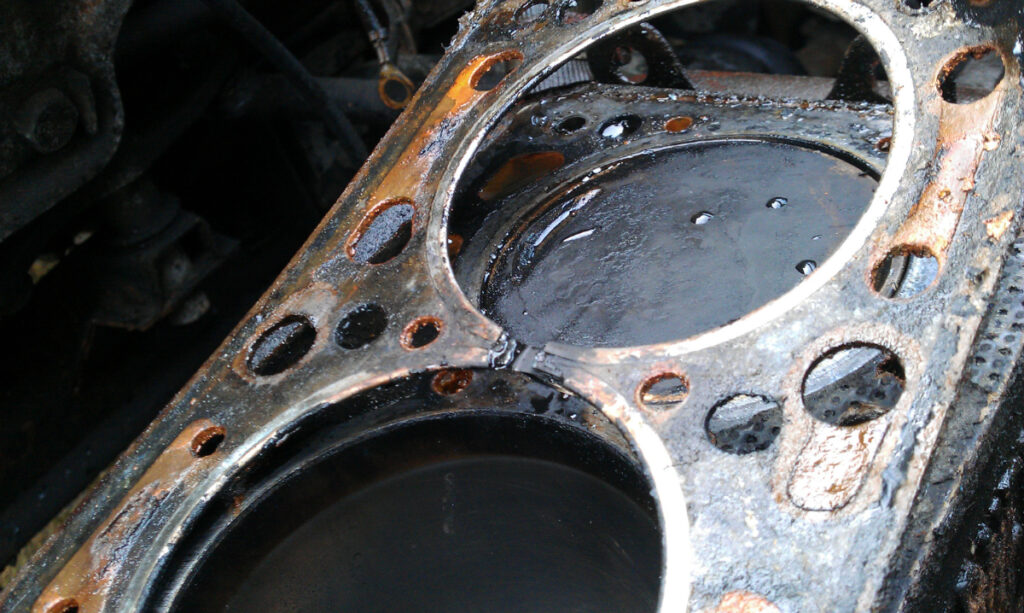
Does milky oil always mean a blown head gasket? No. It is a warning sign, but it is not proof. A bad head gasket is common, but not the only cause.
Here is the key idea. Coolant can reach the oil in many ways. Water can also enter from air and short trips. Your job is to sort the source before you spend big.
Red flags for a head gasket or worse:
- Milky oil plus fast coolant loss with no leaks on the ground
- White smoke that lingers and smells sweet from the tailpipe
- Overheating and hard starts after an overnight sit
- Bubbles in the coolant tank with the engine running
When I see those four together, I plan for a gasket job. If not, I test first. Does milky oil always mean a blown head gasket? No, but you must not ignore it.
Is a small amount under the cap normal?
Yes, in cold weather and short trips. Moist air condenses under the cap. If a long highway drive clears it, it is likely normal.
Can a PCV issue cause milky oil?
Yes. A stuck PCV valve traps moisture. That leads to goo under the cap and in the covers.
Will a single overheating event cause it?
It can. One bad overheat can warp a head. That can start a leak. But test before you tear down.
Other common causes of milky oil
There are several problems that can mimic a failed gasket. Each has a pattern and a fix.
Condensation from short trips
Short drives keep oil cool. Water from blow‑by and air stays in the crankcase. You see light tan goo under the cap, more in winter. A long, hot drive often clears it.
Faulty PCV system
The PCV valve pulls vapors out of the crankcase. If it fails, vapors and water build up. You may see sludge on the cap and hoses. Fuel smell can be strong too.
Failed oil cooler or oil filter housing
Many engines have a coolant‑to‑oil cooler. A crack or failed seal can mix fluids. You may find oil in the coolant tank or coolant in the pan. This can look just like a head gasket.
Intake manifold gasket leak (common on some V6 engines)
Some V engines route coolant through the intake. A bad intake gasket can send coolant into the lifter valley. That leads to milky oil with no head damage.
Incorrect fluids or water entry
A flooded intake or pressure wash can push water past seals. Wrong sealants can break down in oil. These are rare, but real.
Does milky oil always mean a blown head gasket? Not when these issues are in play. Always test before you decide.

How to diagnose the cause step by step
You can do many checks with simple tools. Move from easy to advanced. Write down what you see.
Step-by-step checks:
- Look under the oil cap. Light tan film only under the cap suggests condensation. Thick sludge on the dipstick points to a true mix.
- Check the coolant tank. Oily film or chocolate sludge in the tank hints at a cooler leak.
- Monitor fluid levels. Rising oil level with dropping coolant level is a red flag.
- Smell the exhaust. Sweet, steady white smoke often means coolant burn.
- Inspect the PCV system. Shake the PCV valve. If it does not rattle, replace it. Check hoses for collapse or sludge.
Advanced tests:
- Cooling system pressure test. Pressurize the system and watch for pressure drop. Pull plugs and look for wet cylinders.
- Block test (chemical test for combustion gas in coolant). If it turns color, you likely have a head gasket leak.
- Compression test. Low and uneven numbers suggest sealing issues.
- Leak-down test. Air bubbles in the coolant with a cylinder at TDC point to a gasket or crack.
- Oil analysis. Labs can detect coolant in oil early.
I use at least two tests to confirm. Does milky oil always mean a blown head gasket? Your tests will tell you. Do not guess.
Is it safe to drive? What to do right now
Coolant or water in oil kills bearings fast. It strips the oil film. Driving can turn a small job into a full rebuild. Treat this as urgent.
Do this now:
- Stop long drives. Keep RPMs low if you must move the car.
- Check levels. Top up coolant with the right mix if low.
- Change the oil and filter. Do this even if you plan more tests. Fresh oil protects the bottom end.
- Plan tests within a day or two. Confirm the cause before more miles.
- If overheating or misfiring, tow it. Do not risk it.
Does milky oil always mean a blown head gasket? No, but the risk to your engine is the same if you keep driving.

Fixes, timelines, and typical costs
Costs vary by make, engine, and local rates. Time also depends on access and parts.
Common fixes:
- Short-trip condensation. Take a 20–30 minute highway drive once a week. Change oil and fix the PCV system if needed.
- PCV service. Replace valve and clogged hoses. Clean the separator. Often under an hour on many cars.
- Oil cooler or housing. Replace the cooler or seals. Flush the cooling system and change oil. Parts are often mid-range.
- Intake manifold gasket. Replace the gasket set. Check and torque in the right sequence. Refill and bleed coolant.
- Head gasket repair. Machine the head if warped. Replace head bolts, gasket set, and timing parts as needed. New fluids and filters are a must.
Ballpark ranges:
- PCV service: low cost and quick
- Oil cooler seals: moderate cost
- Intake gasket on a V6: moderate to higher
- Head gasket on a 4‑cyl: higher
- Head gasket on a V6/V8 or boxer: even higher
If a crank bearing knocks after coolant mix, the engine may need a rebuild or a used long block. That is far more costly. Does milky oil always mean a blown head gasket? No, but fast action can keep you out of that worst case.
Prevention tips that actually work
A few habits and checks can cut the risk by a lot. These are easy wins.
Practical steps:
- Take one longer drive per week. Heat drives off moisture.
- Keep the PCV system clean. Replace valves and hoses on schedule.
- Use the right oil grade and spec. Follow the owner’s manual.
- Fix small leaks fast. Air in the cooling system raises hot spots.
- Replace the thermostat and coolant on time. Overheats lead to head damage.
- Watch the coolant tank and oil cap at every fuel fill. Early signs save engines.
Does milky oil always mean a blown head gasket? With good habits, you may never have to ask again.
Quick stories from the shop
A Subaru owner came in with a milky cap and panic. The tests were clean. The fix was a new PCV valve and a weekly highway run. The cap stayed clean after two weeks.
A truck showed milky oil and a low coolant tank. The block test was negative, but the oil cooler had a cracked core. We replaced the cooler and flushed fluids. The oil stayed clear.
A compact sedan had white smoke, misfire on cold start, and bubbles in the tank. The leak-down test pushed air into the coolant. That one was a true head gasket. We machined the head, used new bolts, and it ran like new.
These cases remind me to test, not guess. Does milky oil always mean a blown head gasket? The right tests make the call.
Frequently Asked Questions of Does milky oil always mean a blown head gasket?
Does milky oil always mean a blown head gasket?
No. It can also come from short trips, a bad PCV system, or an oil cooler leak. Good tests will tell you which one.
Is a little milky residue under the oil cap normal?
Yes, if you drive short trips in cold weather. Take a long drive and check again before you worry.
How fast can milky oil damage my engine?
Very fast if coolant is in the oil. Bearings can fail in hours of driving, so act at once.
What is the best test to confirm a blown head gasket?
Use two tests. A block test for combustion gas in coolant and a leak-down test work well together.
Can I fix milky oil with an oil change only?
You can clear the mix for a while, but it will return if the cause remains. Always find and fix the source.
Is it safe to drive to the shop with milky oil?
If you must, keep it short and slow. If it overheats or misfires, tow it to avoid major damage.
Will a head gasket sealer solve the problem?
Sealants are a short-term patch at best. They can clog small passages and may make later repairs harder.
Conclusion
Milky oil is a loud alarm, but it is not a verdict by itself. Does milky oil always mean a blown head gasket? No. Check the PCV system, consider short-trip moisture, and test for leaks before you spend big.
Use the steps here, log your results, and move fast to protect your engine. If you need help, talk to a trusted shop and ask for a block test and a leak-down test. Want more guides like this? Subscribe, share your case in the comments, and let’s fix it together.