
Gray engine oil color usually indicates contamination or internal engine issues. Fresh engine oil is typically amber or light brown, but when it turns gray, it may be mixed with water, coolant, or metal particles. This can happen due to a coolant leak, condensation buildup, or excessive engine wear. If you notice gray engine oil, it’s best to inspect the engine and change the oil promptly to prevent potential damage.
Mechanics Recommended kits for Diagnosis & Cleanup
Product Type Why it’s helpful Amazon Link Oil Analysis Kit Provides a lab report detailing exactly what is in your oil (metal, coolant, or fuel). Blackstone Laboratories Test Kit Engine Flush Used to clean out residual contaminants only after the mechanical leak (e.g., head gasket) has been repaired. Liqui Moly Engine Flush Magnetized Drain Plug Can help catch and identify metal shavings if you are monitoring for further wear. GoldPlug Magnetic Drain Plug
First Things First — Should Engine Oil Ever Be Gray?
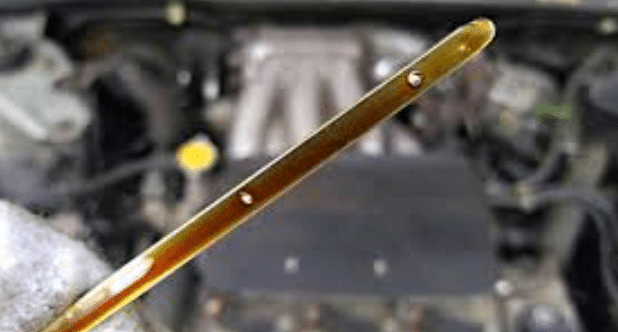
If you pull your dipstick and see gray, your heart might skip a beat. Trust me, I’ve been there. It was a Saturday morning, and I was getting my car ready for a long-planned road trip. I pulled the dipstick, and the oil looked like diluted graphite—anything but the clean, amber color I expected. To be clear: No, engine oil should never be gray. Gray oil is almost always a sign that something has contaminated your lubrication system, and it needs your immediate attention.
What Normal Engine Oil Color Looks Like
When your engine is healthy, your oil color follows a predictable path. Fresh motor oil usually starts out as a light, honey-colored amber. As you drive, the heat and combustion cycle naturally turn it into a golden brown. By the time you hit the end of your oil change interval, you will typically see a dark brown or black hue. This darkening is normal; it simply means the additives are doing their job by trapping carbon and debris.
- Fresh Oil: Light amber or honey-colored.
- Used Oil: Golden brown to dark brown.
- High-Mileage Oil: Dark brown or black.
- Why it changes: During combustion, oil interacts with tiny bits of soot and heat, which causes it to darken naturally over thousands of miles.
When Gray Oil Immediately Signals a Problem
If your oil looks gray, something has fundamentally changed its chemical makeup. Unlike dark oil, which is just doing its job, gray oil is a “warning light” in liquid form. If you notice a milky or metallic sheen, the oil has been compromised by an outside substance. My mechanic friends have a simple rule of thumb: “If it’s gray, there is something else in the tray.” It isn’t just aging; it is contamination.
- Dark vs. Gray: Dark oil is expected; gray oil is an anomaly.
- The Contamination Factor: Gray color often signals that coolant, water, or metal particles have entered the crankcase.
- Immediate Action: Don’t assume it’s just old oil. If the consistency looks like a latte or has a metallic sparkle, you need to stop and investigate the source of the leak before the engine suffers permanent damage.
The Most Common Causes of Gray Engine Oil
Gray oil never just shows up to the party uninvited; it is almost always a sign that a foreign substance has infiltrated your lubrication system. When your oil changes color or texture, it is usually because coolant, moisture, or internal metal debris has mixed with it. Understanding these specific triggers is the first step toward preventing a total engine failure, as identifying the culprit early can save you thousands in repair costs.
Coolant Mixing with Engine Oil
Finding coolant in your oil is the “red alert” of the automotive world. I once helped a neighbor whose car had a blown head gasket, and the oil looked exactly like a chocolate milkshake. This happens when the seal between your engine block and cylinder head fails, allowing coolant to leak directly into the oil passages. If you notice a sweet, syrupy smell coming from the dipstick, stop driving. That scent is a tell-tale sign of ethylene glycol, the main component in engine coolant, compromising your oil’s ability to protect the engine bearings.
Water Contamination in the Oil
Sometimes, the culprit is much simpler: plain old water. During those freezing winter mornings when I only drive a few miles to the store, my engine never gets hot enough to fully evaporate the condensation inside. This moisture builds up and emulsifies with the oil, creating a temporary gray haze. While this is less dangerous than coolant, it can still lead to sludge buildup. Ideally, your engine oil should reach at least 100°C to boil off trapped moisture and keep the system clean.
Metal Particles from Engine Wear
If your oil has a silvery, metallic shimmer—like glitter under a flashlight—you are looking at internal wear. This occurs when bearings or piston rings begin to fail, shedding tiny metal shavings into the oil. In my experience, this feels “gritty” if you rub a drop between your fingers. While modern engines are built to tight tolerances, studies show that oil filters can eventually become overwhelmed, allowing these harmful particles to circulate and accelerate internal damage.
Mixing Different Types of Engine Oil
You might have heard that mixing synthetic and conventional oil is a cardinal sin. While it won’t typically destroy your engine, it can sometimes cause the additive packages to react poorly, leading to a strange, cloudy gray appearance. It is always best to stick to one type of oil to maintain consistent viscosity. Remember, using a high-quality full synthetic oil can offer superior protection, often lasting 3,000 to 5,000 miles longer than conventional blends depending on your specific driving conditions.
How to Tell the Difference Between Gray, Milky, and Silvery Oil
Judging oil color can be tricky, but you don’t need a lab degree to spot the red flags. While a quick look at the dipstick is a good start, the secret lies in the texture, smell, and thickness of the fluid. By learning to differentiate between milky, thin, and metallic textures, you can quickly determine whether you are dealing with a minor condensation issue or a major mechanical failure requiring immediate professional repair.
Milky Gray Oil (Usually Coolant Contamination)
Whenever I see oil that looks like a creamy coffee latte, my stomach drops. This thick, milky gray consistency is the classic sign of coolant mixing with your oil. It’s often most visible right under the oil filler cap, where you might see a thick, white sludge buildup. If your oil has this texture, do not start the engine. The coolant destroys the oil’s lubrication properties, which can lead to bearing failure in as little as 10 to 20 miles of driving.
Thin Gray Oil (Possible Water Condensation)
On those cold, damp mornings when I only drive a few blocks to the gym, my engine doesn’t get warm enough to burn off internal moisture. This creates a thin, watery gray oil that looks a bit cloudy. The good news? This is often harmless. If the oil returns to a normal color after a long, spirited highway drive, it was likely just harmless condensation. However, if the oil remains thin or the level rises, it is time to check your PCV system.
Metallic Gray Oil (Metal Contamination)
This is the one that keeps me up at night. If you pull the dipstick and notice a reflective, glittery shimmer in the light, you are likely looking at metal flakes. When you rub a small drop between your fingers, it might feel gritty—that is metal from internal wear. Seeing this “silvery gray” effect is serious. It often means a bearing or piston ring is failing, and the engine is actively shedding material. If you see this, stop immediately; ignoring it can cause your engine to seize entirely.
What Gray Engine Oil Looks Like in Real Life
It was a quiet Saturday morning, and I was prepping my SUV for a long-awaited road trip. I popped the hood, pulled the dipstick, and my heart sank. Instead of the clear, amber oil I expected, the liquid looked chalky and gray. It’s an unsettling experience, but seeing gray engine oil in person helps you learn exactly what to look for. By using simple diagnostic tests at home, you can quickly distinguish between harmless condensation and serious internal damage.
How the Dipstick Test Reveals Oil Problems
The dipstick is your best friend when diagnosing engine health. To get an accurate reading, I always check the oil on a level surface after the engine has cooled for at least 15 minutes. Good lighting is critical; sunlight often reveals that “chalky” gray sheen that indoor garage lights hide. If the oil is opaque or looks like light-colored mud, it confirms that foreign fluids have likely compromised your oil’s viscosity.
Top 7 best head gaskets – Long-Lasting Seals for High-Performance Engines
Visual Clues Under the Oil Cap
Never stop at the dipstick; the oil filler cap is a goldmine of information. I once found a thick, white, foamy sludge coating the inside of my cap during a particularly cold, humid winter. That white residue is a major warning sign. While a tiny amount of foam can be normal in very cold weather, excessive buildup suggests that moisture is trapped and unable to evaporate. If it looks like mayonnaise, it is time to get a professional inspection.
The Paper Towel Oil Test
If you are still unsure, the “paper towel test” is my go-to quick fix. Simply pull the dipstick and dab a few drops of oil onto a clean, white paper towel. Let it sit for a minute. If the oil forms a distinct, dark center ring with a clear outer edge, it is likely still clean. However, if you see a cloudy, gray halo or separation, it indicates contaminants are present. If the towel shows a metallic, sparkly shimmer, that is a sure sign of internal component wear.
Is It Safe to Drive with Gray Engine Oil?
Whether you can keep driving depends entirely on why your oil turned gray in the first place. If it is just light condensation from a cold morning, you might be fine. However, if the gray color stems from a coolant leak or internal metal wear, driving is a gamble you will likely lose. My best advice: if the oil is thick or milky, do not turn the key. An engine repair bill is rarely worth the risk of a breakdown.
Situations Where Driving Might Be Temporarily Safe
I have lived in freezing climates where short trips to the grocery store cause a tiny bit of condensation to form inside the engine. It happens! If your oil looks slightly cloudy but clears up after the engine reaches full operating temperature—typically above 80°C to 100°C—you are usually safe. Just ensure you take the car out for a longer, 20-minute highway drive to help the system burn off that trapped moisture.
Situations Where You Should Stop Driving Immediately
There are times when you must walk away from the keys. If you notice a sweet, sugary smell coming from the dipstick or your exhaust, that is coolant. Coolant destroys the protective film of your oil. If you see your temperature gauge spike, your coolant levels drop rapidly, or the oil looks like a thick, creamy milkshake, stop immediately. Driving even 1 to 2 miles in this state can lead to catastrophic internal damage.
Potential Engine Damage If Ignored
Ignoring the color of your oil is a fast track to a dead engine. When coolant or metal shavings replace clean, high-quality oil, your engine loses its primary defense against friction. This leads to worn-out bearings, seized pistons, and eventually, total engine failure. While a simple oil change might cost you $50 to $100, neglecting these warning signs can turn a minor leak into a repair bill exceeding $3,000. It is simply not worth the risk.
What Gray Engine Oil Looks Like in Real Life
It was a quiet Saturday morning, and I was prepping my SUV for a long-awaited road trip. I popped the hood, pulled the dipstick, and my heart sank. Instead of the clear, amber oil I expected, the liquid looked chalky and gray. It’s an unsettling experience, but seeing gray engine oil in person helps you learn exactly what to look for. By using simple diagnostic tests at home, you can quickly distinguish between harmless condensation and serious internal damage.
How the Dipstick Test Reveals Oil Problems
The dipstick is your best friend when diagnosing engine health. To get an accurate reading, I always check the oil on a level surface after the engine has cooled for at least 15 minutes. Good lighting is critical; sunlight often reveals that “chalky” gray sheen that indoor garage lights hide. If the oil is opaque or looks like light-colored mud, it confirms that foreign fluids have likely compromised your oil’s viscosity.
Visual Clues Under the Oil Cap
Never stop at the dipstick; the oil filler cap is a goldmine of information. I once found a thick, white, foamy sludge coating the inside of my cap during a particularly cold, humid winter. That white residue is a major warning sign. While a tiny amount of foam can be normal in very cold weather, excessive buildup suggests that moisture is trapped and unable to evaporate. If it looks like mayonnaise, it is time to get a professional inspection.
The Paper Towel Oil Test
If you are still unsure, the “paper towel test” is my go-to quick fix. Simply pull the dipstick and dab a few drops of oil onto a clean, white paper towel. Let it sit for a minute. If the oil forms a distinct, dark center ring with a clear outer edge, it is likely still clean. However, if you see a cloudy, gray halo or separation, it indicates contaminants are present. If the towel shows a metallic, sparkly shimmer, that is a sure sign of internal component wear.
Is It Safe to Drive with Gray Engine Oil?
Whether you can keep driving depends entirely on why your oil turned gray in the first place. If it is just light condensation from a cold morning, you might be fine. However, if the gray color stems from a coolant leak or internal metal wear, driving is a gamble you will likely lose. My best advice: if the oil is thick or milky, do not turn the key. An engine repair bill is rarely worth the risk of a breakdown.
Situations Where Driving Might Be Temporarily Safe
I have lived in freezing climates where short trips to the grocery store cause a tiny bit of condensation to form inside the engine. It happens! If your oil looks slightly cloudy but clears up after the engine reaches full operating temperature—typically above 80°C to 100°C—you are usually safe. Just ensure you take the car out for a longer, 20-minute highway drive to help the system burn off that trapped moisture.
Situations Where You Should Stop Driving Immediately
There are times when you must walk away from the keys. If you notice a sweet, sugary smell coming from the dipstick or your exhaust, that is coolant. Coolant destroys the protective film of your oil. If you see your temperature gauge spike, your coolant levels drop rapidly, or the oil looks like a thick, creamy milkshake, stop immediately. Driving even 1 to 2 miles in this state can lead to catastrophic internal damage.
Potential Engine Damage If Ignored
Ignoring the color of your oil is a fast track to a dead engine. When coolant or metal shavings replace clean, high-quality oil, your engine loses its primary defense against friction. This leads to worn-out bearings, seized pistons, and eventually, total engine failure. While a simple oil change might cost you $50 to $100, neglecting these warning signs can turn a minor leak into a repair bill exceeding $3,000. It is simply not worth the risk.
Does Motor Oil Expire? – Shelf Life, Signs & Safe Storage Tips
How Mechanics Diagnose Gray Engine Oil
When you take your car to a pro for gray oil, they do much more than just peek at the dipstick. Mechanics use specialized diagnostic tools to pinpoint the exact source of contamination, whether it is a cooling system leak, internal engine wear, or simple condensation. By using pressure tests, lab analysis, and compression checks, they can confirm if you are looking at a simple fix or a serious engine failure.
Cooling System Pressure Tests
One of the first things a mechanic will do is perform a pressure test on your cooling system. I remember watching a technician attach a hand pump to the radiator filler neck to pressurize the system. By monitoring the gauge, they can see if the pressure drops, which confirms an internal leak. It is a very effective way to detect a blown head gasket, as it forces coolant into the cylinders or oil passages, mimicking how the engine behaves under heavy load.
Oil Analysis Testing
If the source of the gray color isn’t obvious, professionals turn to laboratory oil analysis. They take a small sample of your used oil and send it off for chemical testing. This report is incredibly detailed; it can detect trace amounts of ethylene glycol from coolant, specific metal alloys from worn bearings, or even fuel dilution. It is common for fleet operators to use this method to extend oil intervals by 10% to 20% while ensuring their engines remain perfectly healthy.
Engine Compression and Leak-Down Tests
When a mechanic suspects internal damage, they perform a compression test. By measuring the pressure in each cylinder, they can find where a seal has failed. A leak-down test goes one step further; it pumps air into the cylinder at top dead center to see where the air escapes. If air bubbles out of the radiator, it is a definitive sign of a head gasket breach. These tests are the gold standard for identifying hidden leaks.
How to Fix Gray Engine Oil
Fixing gray engine oil is not a “one size fits all” job; the solution depends entirely on what is causing the contamination. Whether you are dealing with a simple case of moisture or a serious coolant leak, the fix requires addressing the root cause before putting fresh oil back in. Once the mechanical issue is resolved, flushing your system is essential to ensure your engine runs smoothly and stays protected.
Fixing Coolant Contamination
If your oil is milky due to a coolant leak, you are likely looking at a major repair. I once had to help a friend replace a blown head gasket, which is the most common cause of this issue. It is a labor-intensive process that involves tearing down the top end of the engine. After replacing the gasket or a cracked cylinder head, it is crucial to flush the entire lubrication system. Residual coolant is extremely acidic and can cause corrosion if left behind, so I always recommend two back-to-back oil changes to ensure the system is truly clean.
Removing Water from Engine Oil
If your oil is gray because of water condensation, the fix is much friendlier to your wallet. If the issue is minor, a complete oil change is often enough. I make it a habit to change my filter as well during this process. To keep it from coming back, I try to take the car on longer drives during the weekend. Driving for at least 20 to 30 minutes allows the engine oil to reach a stable temperature of 90°C to 105°C, which evaporates trapped moisture. Checking the PCV (Positive Crankcase Ventilation) valve is also wise, as a stuck valve can trap water vapor inside the crankcase.
Addressing Metal Contamination
Discovering metal particles in your oil is the most serious scenario. If the oil is silvery and gritty, you cannot just flush it away. You must perform a deep inspection of internal components like bearings, piston rings, or the timing chain. Replacing the worn parts is the only permanent cure. Afterward, you must install a high-quality oil filter to capture any remaining debris. In my experience, even after a full repair, it is smart to change the oil again after just 500 miles to ensure all remaining microscopic metal shavings are flushed out completely.
How to Prevent Gray Engine Oil in the Future
Keeping your oil clean doesn’t have to be a headache. I’ve learned that a few simple, proactive habits are all it takes to keep my engine running clear and strong. By staying on top of your maintenance schedule, avoiding those quick “start-and-stop” trips, and keeping a close eye on your fluid levels, you can effectively prevent the contamination that leads to that dreaded gray sludge.
Follow a Consistent Oil Change Schedule
Sticking to your manufacturer’s recommended oil change interval is the easiest way to protect your engine. I personally prefer high-quality synthetic oils because they offer better thermal stability and resist breakdown longer than conventional blends. Using the right oil ensures that contaminants are suspended and filtered out effectively. Keeping to a strict schedule—like every 5,000 to 7,500 miles—can extend your engine’s lifespan significantly compared to skipping intervals.
Avoid Frequent Ultra-Short Drives
I used to think that just moving my car to the driveway on a Sunday morning was fine, but those ultra-short trips are actually harmful. If your engine never reaches its full operating temperature, moisture can’t evaporate and instead gets trapped in the oil. Engines need to reach at least 90°C to boil off internal condensation. If you must take short trips, try to combine errands so the engine has time to get properly warm.
Monitor Coolant and Oil Levels Regularly
Taking five minutes every weekend to check my fluids has saved me from some major disasters. I make it a habit to check both my coolant and oil levels before I head out on a trip. If I notice the coolant reservoir dropping, I know there is an issue before it turns into a major leak. Catching these small changes early is much cheaper than replacing a blown head gasket later on.
Use the Correct Oil Grade for Your Engine
Using the wrong oil viscosity can lead to poor lubrication and, eventually, contamination issues. I always check my owner’s manual to ensure I am using the exact grade required for my specific engine. Modern engines are built with very tight tolerances; for example, using a 0w20 oil instead of a 5w30 can change how the oil protects against shear and wear. Always stick to the manufacturer’s recommendation to keep your oil clean and effective.
Quick Symptoms That Often Appear Alongside Gray Engine Oil
When I find gray engine oil, I’ve learned that it’s rarely the only issue. Usually, the car is already trying to tell me something through other warning signs. From engine performance changes to cooling system failures and flashing dashboard lights, these secondary symptoms are your engine’s way of shouting for help. If you spot these while checking your oil, it’s a clear signal to stop driving and get a professional diagnosis before things get worse.
Engine Performance Symptoms
Your engine might feel “off” long before you even pull the dipstick. I’ve experienced a rough, uneven idle and a noticeable drop in power while accelerating. Sometimes, you might even hear a faint, metallic knocking sound coming from deep within the engine block. These are serious indicators that the oil’s lubricating film has broken down, allowing internal parts to grind against each other.
Cooling System Symptoms
Since coolant leaks are a top cause of gray oil, keep a close eye on your cooling system. I once had a vehicle that started overheating on a quick drive to the store. Check your coolant reservoir; if it’s consistently low, you have a leak. Also, watch your tailpipe. Thick, white exhaust smoke is often a sign that the engine is burning coolant, which is a classic symptom of a failed head gasket.
Dashboard Warning Indicators
Your car’s computer is smarter than you think. If your check engine light, oil pressure warning, or temperature gauge spikes, take it seriously. I’ve seen drivers ignore these lights, only to face a destroyed engine weeks later. These sensors detect issues like low oil pressure or rapid temperature changes long before they result in total failure. When the dashboard lights up, treat it as a final warning.
Frequently Asked Questions About Gray Engine Oil Color
Can synthetic oil turn gray?
Yes, synthetic oil can turn gray if it becomes contaminated. While synthetic oil is designed to resist breakdown better than conventional oil, it is not immune to mixing with water or coolant. If you notice a gray color, it is almost always due to foreign substances, not a flaw in the synthetic base oil itself.
Is gray oil always caused by coolant?
Not always. While coolant contamination is a common reason for a “milky” gray color, other factors like simple water condensation or metallic debris from engine wear can also turn your oil gray. You need to check the texture and smell to pinpoint the specific culprit.
What does gray sludge under the oil cap mean?
That gray sludge is usually a mixture of oil and water. It often happens in colder weather due to condensation. While a small amount is often harmless, a thick, creamy buildup typically means you have a coolant leak or a failing PCV system that needs a mechanic’s attention.
Can cold weather make engine oil look gray?
Yes, cold weather often causes temporary graying. If you only drive short distances, the engine cannot reach the 90°C needed to evaporate moisture. This moisture builds up and emulsifies with the oil. It usually clears up after a long, spirited drive on the highway.
How quickly should gray engine oil be fixed?
If the oil is milky or contains metal flakes, it should be fixed immediately. Driving with contaminated oil can destroy your engine bearings in less than 20 miles. If it is just light condensation from a cold start, you can drive carefully, but you should still address it by taking a longer trip or checking your engine’s health.