
Green or red tint engine oil can indicate contamination or additives in the oil. Fresh engine oil is typically amber, but a green or red tint may appear if coolant leaks into the oil or if the oil contains special dyes used by some manufacturers. If the color change is accompanied by a milky texture, overheating, or engine performance issues, it’s important to inspect the engine and check for possible leaks or internal problems.
Mechanics Recommended kits for Engine Health
Tool What It Does Why It’s Useful Oil Analysis Kit A laboratory service where you mail in a sample of your used oil for detailed testing. Provides a definitive report on wear metals, additive levels, and contamination (like coolant or fuel), identifying issues before they cause a breakdown. UV Leak Detection Dye Kit A fluorescent additive mixed into your oil or coolant, paired with a UV flashlight to make leaks “glow.” Makes it easy to trace the exact source of an external leak by highlighting the fluid trail under UV light, even in tight or dark engine areas.
Noticed Green or Red Tint in Your Engine Oil? Here’s Why It Happens
It was a random Tuesday morning, just before I had to rush out for a meeting. I popped the hood to check my oil—something I’ve done a hundred times—expecting that familiar, clean honey color. Instead, I saw a strange, vivid green tint. My heart honestly skipped a beat. It was surprising, a bit alarming, and immediately made me wonder if I was staring at a massive repair bill.
Understanding why your oil changes color is vital for engine health. While oil naturally darkens over time due to heat and combustion, a sudden green or red tint often indicates cross-contamination from other vehicle systems. Distinguishing between harmless dye tracers and serious issues like coolant leaks early on is the best way to prevent catastrophic, expensive engine damage.
Gray Engine Oil Color: Is It Safe? What Your Car Is Trying to Tell You
What Normal Engine Oil Should Look Like
Before you panic over a strange tint, it helps to know what healthy oil looks like. Fresh, high-quality motor oil usually starts as a light amber or honey color and is fairly transparent right after an oil change. As you drive, it will naturally darken to a deep brown or black due to heat, oxidation, and the collection of combustion byproducts.
Fresh Engine Oil Color
When you pour in fresh oil, it should look clean and clear. Think of it like cooking oil—it’s light, fluid, and transparent. If your oil is new and already looks muddy, you might have residual sludge left over from the old oil.
Oil Color Changes Over Time
It is perfectly normal for your oil to darken after a few thousand miles. In fact, oil is designed to trap soot and carbon particles to keep them away from your engine parts. Diesel engines are notorious for turning oil black almost immediately due to high soot levels, but this is a sign the oil is actually doing its job.
Texture and Smell Clues Most Drivers Ignore
Don’t just look at the color—use your other senses. A sharp, burnt smell usually suggests your engine has been running too hot. If the oil feels gritty between your fingers, that’s a bad sign indicating metal-on-metal wear. Most importantly, if your oil looks milky, like a coffee latte, that is a classic red flag that coolant has leaked into the oil system.
Why Engine Oil Might Have a Green Tint
Seeing a bright green tint in your engine oil can be startling, but it usually points to specific issues that need your attention. Most often, this color comes from coolant mixing into your oil or the presence of specialized leak-detection dyes. Identifying whether the green color stems from a simple additive or a major internal leak—like a blown head gasket—is essential for protecting your engine from costly, long-term damage.
Coolant Mixing with Engine Oil
The most common cause for green oil is a cooling system leak. Because antifreeze is often dyed a vibrant green, it turns your golden oil into a strange, neon-colored mess. If a head gasket or intake manifold gasket fails, that coolant has a direct path into your oil channels.
- Blown Head Gasket: This is the big one. If the seal between the engine block and cylinder head breaks, fluids start crossing paths.
- Cracked Engine Block: While rarer, a crack here lets coolant seep directly into the oil galleries.
- Symptoms to Watch: Keep an eye out for a “sweet” smell near the exhaust or the engine running hotter than usual. Even a small internal leak can increase oil volume by 5–10% while severely thinning the lubricant’s protective properties.
Certain Oil Additives or Dye Tracers
Sometimes, the green isn’t a sign of failure at all. Mechanics often add UV-reactive dye to the oil system to track down stubborn external leaks.
- Professional Dyes: These are designed to glow under a blacklight. If you recently had a “leak check” performed, that green tint might just be the dye doing its job.
- Aftermarket Additives: Some performance oil additives use green dyes. Check your maintenance receipts or bottles you’ve used recently. If you didn’t add it, assume it’s a contamination issue until proven otherwise.
Contamination During Maintenance
I’ve learned the hard way that a messy workspace can cause confusion. If a shop uses the same funnel for coolant and engine oil, or if a technician accidentally spills antifreeze into the oil fill port during a top-off, your oil will take on that green hue immediately.
- Shared Tools: Always make sure your funnel is wiped completely clean. Even a few drops of coolant can discolor a full sump of oil.
- Storage Mistakes: If you store your oil containers in a shed near old coolant jugs, ensure they are sealed tight. It only takes a tiny bit of cross-contamination to make your oil look suspicious.
Top 5 Best Engine Oil for Car: Top Valvoline Picks for Maximum Performance
Why Engine Oil Might Look Red or Reddish
Finding red-tinted oil can be just as alarming as seeing green. This color often signals that Automatic Transmission Fluid (ATF) has leaked into your engine, usually through a failed cooler or seal. While some high-performance oils are intentionally red, a sudden color shift indicates a serious cross-contamination issue. You need to investigate the source immediately to avoid transmission damage, which can often be 300% more expensive to repair than a simple oil-related fix.
Automatic Transmission Fluid Contamination
I once spent an entire Saturday morning troubleshooting a “red oil” mystery, only to realize my transmission fluid was migrating. Because ATF is bright red and thin, it mimics the appearance of a major leak when mixed with engine oil.
- Faulty Transmission Cooler: If the cooler inside your radiator fails, the high-pressure ATF can be pushed directly into your engine oil system.
- Internal Seal Failure: Worn seals between the engine and transmission housing allow fluids to swap places.
- Maintenance Errors: Sometimes, a quick-lube tech might accidentally top off your engine oil using an ATF bottle. It happens more often than you would think!
Certain Synthetic Oils or Additives
Don’t panic just yet. Some specialty oils are designed to be red. Racing oils often include red dyes to help you spot leaks on the track, and certain synthetic oil additives use these dyes to distinguish their high-end lubricants from standard options.
- Check the Label: If you recently switched brands or added an engine treatment, check the bottle. If the oil is red, you might just be seeing a brand-specific additive.
- Verify with the Dealer: If you are unsure, look up your specific oil brand online. Many synthetic manufacturers use red or purple dyes as a trademark feature.
Engine Overheating or Oxidation
Heat is the enemy of all lubricants. I’ve noticed that when I push my truck hard on long holiday road trips, the oil starts to look darker and potentially reddish as the base additives begin to oxidize.
- Thermal Breakdown: When oil stays in the engine past its 5,000–7,000 mile window, the additive package starts to break down.
- The Heat Effect: Extreme heat can change the chemical structure of your oil, leading to a reddish or brownish tint.
- Performance Metrics: Keep in mind that oils like 5W-30 are roughly twice as likely to “shear” or lose their protective viscosity under extreme heat than more stable 0W-20 blends, leading to faster degradation and color shifts.
Warning Signs That the Tint Means Something Serious
If your oil looks off, don’t just stare at the color. Usually, an unusual tint is just the first clue that something deeper is wrong with your engine. By paying attention to how your car performs and watching for physical warning signs, you can spot serious mechanical failures—like a failing head gasket—before they lead to a complete engine breakdown. Acting early saves time and keeps your repair costs manageable.
Engine Performance Symptoms
When oil quality drops, your engine struggles. I remember driving home one rainy Sunday when my car started feeling “lazy.” It was sluggish, and the idle felt rough, like the engine was struggling to breathe. If you notice a sudden loss of power or increased noise, your engine is likely crying out for help.
- Rough Idling: A shaky idle often means poor lubrication or timing issues.
- Loss of Power: When internal friction rises, your engine simply cannot produce the same torque.
- Engine Noise: If you hear ticking or knocking, stop immediately. Studies show that a 10% drop in oil viscosity can increase metal-to-metal wear rates by up to 25% under high loads.
Visible Signs During Inspection
The dipstick doesn’t lie. When I check my oil, I look for more than just color. If the oil on the dipstick looks like a milkshake or has bubbles, you have major contamination.
- Milky Texture: This “chocolate milk” look is a sure sign that coolant is mixing with your oil.
- Rising Levels: If your oil level goes up on the dipstick without you adding any, a fluid (like coolant or fuel) is leaking into the sump.
- White Smoke: A thick cloud of white smoke from your tailpipe usually means your engine is burning off coolant.
Dashboard Warning Indicators
Modern cars have great sensors, but most of us ignore the dashboard until it’s too late. If you see these lights, pull over to a safe spot—don’t try to “make it home.”
- Oil Pressure Light: This is a red-tier emergency. It means your engine isn’t getting enough oil to stay lubricated.
- Temperature Spikes: If your needle jumps into the red, your cooling system is likely compromised.
- Check Engine Light: This often logs codes related to misfires or sensor issues caused by contaminated oil.
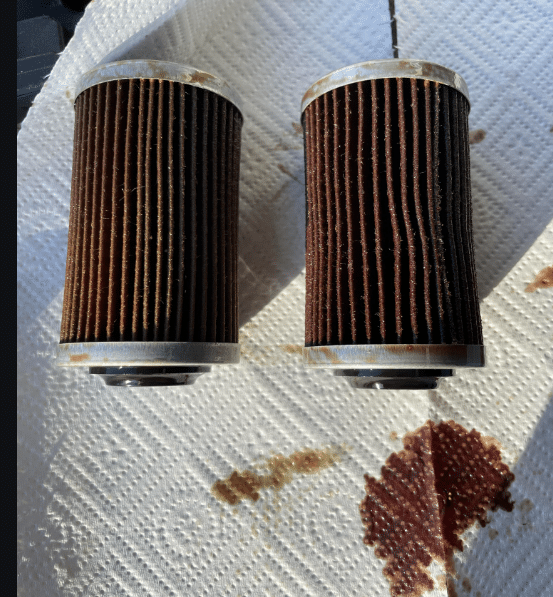
How to Check Engine Oil Properly (Most People Rush This Step)
Most drivers barely glance at their dipstick, but a proper inspection is your best defense against engine failure. Checking your engine oil correctly takes only ten minutes, yet it provides a clear window into your engine’s health. By consistently following a structured routine, you can catch issues like coolant leaks or fuel dilution before they ruin your engine, saving you thousands in potential repair costs over the life of your vehicle.
Step-by-Step Oil Inspection
I used to rush this on my lunch break, but I learned that accuracy matters. To get a true reading, park your car on level ground. Let the engine cool for about 5 to 10 minutes so the oil drains back into the pan. Pull out the dipstick, wipe it clean with a rag, and reinsert it fully. Pull it out again to check the level and color.
What to Look For on the Dipstick
The dipstick is more than a level gauge; it’s a diagnostic tool. Beyond checking if the level is between the “min” and “max” marks, look closely at the oil itself. Are there tiny, glittery metal shavings? That is a sign of internal wear. Does the oil look thick or foamy? That often means water or coolant has compromised the lubricant, which can increase internal engine friction by over 20%.
A Simple Paper Towel Test
When I’m unsure about the oil’s condition, I use the “blotter” test. Take a clean white paper towel and place a drop of oil from the dipstick onto the center.
- The Spread: Wait a minute for the oil to absorb. Healthy oil creates a wide, even ring.
- The Contamination Clues: If the drop sits on top like a bead of water, you have coolant contamination. If there is a dark, gritty center, the oil is heavily loaded with soot and debris.
This simple step is incredibly effective—it’s how I caught a head gasket leak on my old sedan during a lazy Saturday afternoon in my garage. It’s a quick, cheap, and reliable way to see what’s really happening inside your engine.
What To Do If Your Engine Oil Looks Green or Red
Discovering discolored oil is stressful, but a calm, systematic approach prevents further damage. If you notice a green or red tint, the priority is to stop driving and assess the vehicle’s vitals. By checking your coolant levels and watching for temperature spikes, you can determine if you are facing a minor additive issue or a critical mechanical failure. When in doubt, professional diagnostic testing is the safest way to protect your engine’s long-term health.
Shutterstock
Quick Actions You Can Take Immediately
When I first saw that neon-green oil in my own driveway on a sunny Saturday, my first instinct was to panic. Instead, I took a breath and did these three things:
- Stop Driving: Do not take the car on the highway. Driving with contaminated oil can increase internal wear by up to 50% in just a few miles.
- Check Coolant: Look at your coolant reservoir. If the level is low, it’s a strong indicator that coolant is leaking somewhere—potentially into your oil.
- Monitor Temperature: If your engine temperature spikes even slightly while idling, shut the car off immediately.
When to Schedule a Mechanic Inspection
Some issues are beyond a DIY fix. If the color change persists after a fresh oil change, you likely have an internal seal or gasket failure that requires specialized attention.
- Persistent Tint: If you change the oil and the green or red tint returns within 50 miles, the contamination source is active and severe.
- Rising Oil Levels: If the oil level on your dipstick seems to climb, another fluid is mixing in. This thins the oil, and because 5W-30 oils can be twice as likely to “shear” out of grade compared to more stable synthetic blends, this thinning puts your bearings at high risk of failure.
Diagnostic Tests Mechanics May Perform
When I finally took my car to the shop, the mechanic ran a few key tests to pinpoint the exact leak. You should expect similar diagnostics:
- Cooling System Pressure Test: They apply pressure to the cooling system to see if it drops, which confirms an internal leak.
- Oil Analysis: This is the “gold standard.” A lab tests a sample of your oil to identify trace minerals from coolant or transmission fluid.
- Compression Test: This checks the health of your engine cylinders and head gasket.
- Leak Detection Dye: They add a glowing dye to the coolant or transmission fluid to track exactly where it’s entering the oil system.
Can You Still Drive with Discolored Engine Oil?
Deciding whether it is safe to drive with discolored engine oil depends entirely on the cause. If the tint comes from harmless additives or dyes, you can typically keep driving without worry. However, if the color change stems from coolant mixing or internal leaks, you should stop immediately. Driving a vehicle with contaminated oil can cause catastrophic engine failure, often turning a small repair into a complete engine replacement costing thousands.
Situations Where Driving May Be Safe
I’ve been there—looking at a dipstick, panicking, and then realizing it was nothing. If you recently added an engine treatment or the oil change was performed at a shop that uses high-visibility dyes, you are likely fine.
- Harmless Dyes: If the oil color is vibrant but the texture is smooth, it is likely just a dye tracer.
- No Other Symptoms: If your engine runs quietly, holds a steady temperature, and performs normally during your commute, you are likely in the clear.
- Consistency: If the oil feels slick and has no gritty texture, it’s still providing vital protection.
Situations Where You Should Stop Driving
There are times when “just one more trip” is a terrible idea. If your oil looks wrong, listen to your gut and your car. I once ignored a slight milky tint on a holiday weekend, and I ended up stranded on the side of the road with a blown head gasket.
- Coolant Contamination: If you see any signs of “chocolate milk” or foam, park the car. Coolant destroys the oil’s ability to lubricate, and even a 5% mix of water in your oil can increase bearing wear rates by as much as 40%.
- Overheating: If your temperature gauge is climbing, shut it down. Heat is the ultimate enemy of oil, and once you start seeing color changes due to thermal breakdown, your oil’s protective additives are likely already gone.
- Visible Texture: If the oil feels thick, gritty, or looks foamy, do not turn the key. The damage to your internal components can happen in seconds.
How to Prevent Unusual Engine Oil Colors
Most cases of discolored oil are preventable with simple, consistent maintenance habits. By sticking to your manufacturer’s service schedule, monitoring your cooling system, and using only approved lubricants, you create a defensive barrier against contamination. Taking these small steps during a weekend garage session can save you from the stress of unexpected fluid mixing and costly engine repairs down the road.
Follow Proper Oil Change Intervals
I used to skip oil changes when life got busy, but I learned that old oil loses its ability to neutralize contaminants. Your owner’s manual provides the best timeline. If you drive in “severe” conditions—like lots of stop-and-go traffic or short trips—you should change your oil more frequently. Regularly flushing out aged oil removes the acids and particles that degrade your engine from the inside out.
Regular Cooling System Checks
Since coolant is a frequent culprit for green-tinted oil, keep a close eye on your cooling system. I make it a habit to check my coolant levels once a month, usually on a quiet Sunday morning. Look for any crusty residue around hoses or radiator connections. A small leak might seem minor, but it can quickly escalate, and coolant is roughly 10% more likely to cause bearing damage when it infiltrates your oil system than minor fuel dilution.
Use the Right Engine Oil
Using the wrong oil is a recipe for disaster. Always check your manual for the correct viscosity rating and performance specification. I once tried to save money by mixing two different synthetic brands during an emergency, and I ended up with sludge. Stick to what the manufacturer recommends. Remember that using the correct, high-quality oil is your engine’s best insurance policy against internal friction, oxidation, and those scary, unexpected color shifts.
Common Myths About Engine Oil Color
Many drivers believe that oil color is the only indicator of its health, but this is often a misconception. While sudden shifts to green or red warrant inspection, natural darkening is actually a sign of oil doing its job. Understanding the difference between normal chemical changes and signs of contamination helps you avoid unnecessary panic and focus on genuine maintenance needs that keep your engine running smoothly.
“Dark Oil Means It’s Bad”
I used to think my oil was “trash” the second it turned black. The truth? Modern detergents in your oil are designed to capture soot and combustion byproducts. In fact, if your oil stays perfectly clear, it might mean the additives aren’t working to clean your engine. A dark color just means the oil is successfully holding onto those contaminants until your next change.
“Oil Should Always Stay Golden”
It would be nice if oil stayed that pretty honey color forever, but that’s not reality. Engine heat, oxidation, and high operating temperatures naturally break down the oil’s clarity. If you drive a modern turbo engine, your oil will likely darken faster due to higher heat—often within just 2,000 miles. Don’t stress the color; follow your oil change intervals instead.
“Changing Oil Will Fix Everything”
I once hoped a quick oil change would solve a persistent “milky” look under my valve cover. It didn’t. Changing the oil hides the symptoms temporarily, but it doesn’t fix a blown head gasket or a leaking seal. If you have a deeper mechanical issue, the new oil will just get contaminated again within a few days.
FAQs About Green or Red Tint Engine Oil
Is green engine oil always coolant contamination?
Not always. While antifreeze is a common culprit, UV leak detection dyes added by shops are also frequently green. If you haven’t had a leak inspection, treat it as a potential coolant leak first.
Why does my oil look reddish after an oil change?
Some high-performance synthetic oils or specialized additives use red dyes for branding or leak tracking. Check the label of the oil brand you used.
Can synthetic oil change color differently?
Yes. High-performance synthetics are often more resistant to oxidation, but they may react differently to contaminants or specific engine additives compared to conventional oils.
Should I change oil immediately if the color looks unusual?
If you suspect coolant or transmission fluid contamination, yes. Continuing to drive with thinned, compromised oil can increase internal wear rates by 20–40% depending on the load.
How much does it cost to fix coolant in engine oil?
It varies wildly based on the leak. A simple intake manifold gasket might cost a few hundred dollars, while a blown head gasket can cost $1,500 to $3,000, depending on your vehicle’s make and model.