
Overview: How engine oil works refers to the process by which oil circulates through an internal combustion engine to lubricate moving parts and reduce friction. Pumped from the oil pan, it flows through passages to components such as bearings, pistons, and camshafts, forming a protective film that minimizes metal-to-metal contact. Engine oil also helps dissipate heat, suspend contaminants, and prevent corrosion through added detergents and additives. By maintaining proper viscosity across temperatures, engine oil supports efficient operation and reduces long-term wear in petrol and diesel engines.
Defination Of What Is Engine Oil
Engine oil is a special liquid used inside engines to keep them working properly. It lubricates the moving parts to prevent damage from friction. Without engine oil, parts would grind against each other and wear out quickly.
In short, engine oil is the lifeblood of your car’s engine. It keeps everything running smoothly, prevents damage, and helps your engine last longer.
Engine Oil Basics
Every second your engine runs, thousands of metal parts move at incredible speeds, generating enough friction to weld themselves together in under 60 seconds—without engine oil. But how does this liquid prevent catastrophic failure?” This section covers the essential points about engine oil, including its types, key components, and a clear definition of what engine oil is.
Types Of Engine Oil
Engine oil comes in different types, each designed for specific engines and driving conditions. Choosing the correct type of motor oil helps protect the engine and improve performance. Here are the main types:
- Conventional Oil: Made from crude oil, it is the most basic and affordable type. Suitable for older engines and normal driving.
- Synthetic Oil: Chemically engineered for better performance. It offers superior protection in extreme temperatures and lasts longer.
- Synthetic Blend Oil: A mix of conventional and synthetic oils. It balances cost and performance, providing better protection than conventional oil.
- High-Mileage Oil: Formulated for vehicles with over 75,000 miles. It contains additives to reduce leaks and oil consumption.
Key Components
Engine oil contains several important components that work together to protect the engine. These components keep the engine clean, cool, and running smoothly.
- Base Oil: The main part of engine oil, usually 80-90%. It provides lubrication to reduce friction.
- Additives: Chemicals added to improve oil performance. They help with cleaning, preventing rust, and reducing wear.
Common additives include:
- Detergents: Clean engine parts by removing dirt and sludge.
- Anti-wear agents: Protect metal surfaces from rubbing.
- Viscosity modifiers: Help oil work well in different temperatures.
- Corrosion inhibitors: Prevent rust and corrosion inside the engine.
- Foam inhibitors: Stop bubbles in oil that reduce lubrication.
We have a comprehensive guide on which oil works better in cold &hot weather
Lubrication Process
The lubrication process is a key function of engine oil. It helps keep all moving parts inside the engine running smoothly. Without proper lubrication, engine parts would wear out quickly due to heat and friction. Engine oil creates a thin, protective layer between metal surfaces. This layer stops parts from scraping against each other and causing damage. The lubrication process also helps cool the engine by carrying heat away from moving parts. It ensures the engine runs efficiently and lasts longer.
Reducing Friction
Friction happens when two surfaces rub against each other. Inside an engine, many metal parts move fast and touch each other. Without engine oil, these parts would grind together. This grinding wears down the metal and wastes energy.
Engine oil reduces friction by:
- Forming a slippery film between metal surfaces
- Allowing parts to slide smoothly
- Preventing direct metal-to-metal contact
The oil’s special molecules stick to the metal. They create a thin, smooth barrier. This barrier lowers friction and stops parts from heating up too much.
Here is a simple comparison of with oil vs without oil:
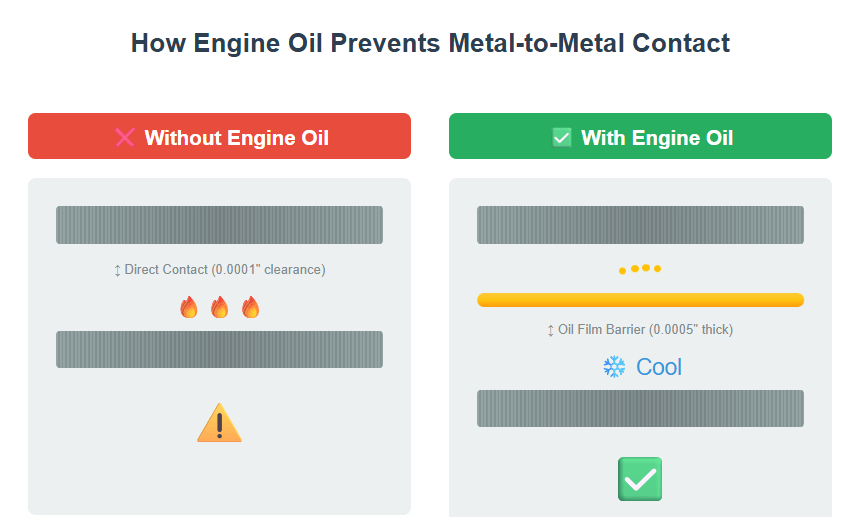
By reducing friction, engine oil helps improve fuel efficiency. Less energy is lost, so the engine works better with less fuel. This makes driving smoother and cheaper.
Protecting Engine Parts
Engine oil protects parts from damage and dirt. It creates a shield that stops harmful materials from reaching the metal surfaces. This protection is critical to keep the engine healthy.
Key ways engine oil protects engine parts:
- Prevents wear and tear: The oil film cushions parts and absorbs shocks.
- Stops rust and corrosion: Oil contains additives that fight moisture and acid.
- Cleans engine parts: It carries away dirt, metal bits, and sludge.
Dirty oil can cause problems. Sludge and dirt build up and block oil flow. This stops the oil from protecting parts well. Changing oil regularly keeps the engine clean and safe.
Here is a breakdown of oil’s protective roles:
| Protection Role | How It Helps |
|---|---|
| Wear Reduction | Oil film absorbs friction and pressure |
| Corrosion Prevention | Additives neutralize acids and block moisture |
| Cleaning | Suspends dirt and carries it to the filter |
Good engine oil keeps the engine parts in top shape. It lowers repair costs and extends the engine’s life. Proper lubrication means safer, smoother driving every day.
The Complete Engine Oil Circulation System In 6 Steps
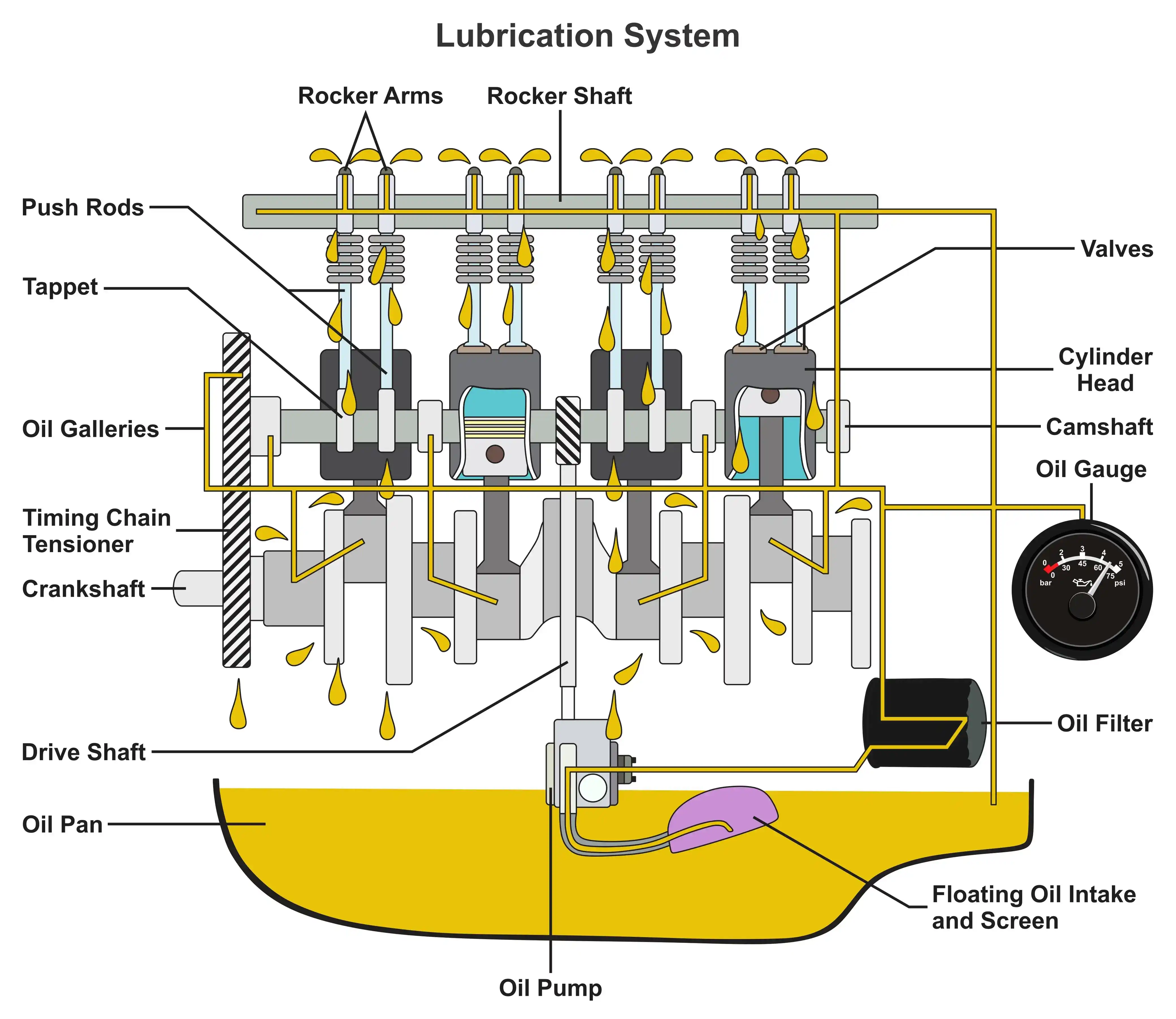
Engine oil plays a vital role in keeping your engine running smoothly. It lubricates moving parts, reduces friction, and helps cool the engine. Understanding the complete engine oil circulation system in 6 steps reveals how oil travels inside the engine to protect it from wear and tear.
The Oil Pump Draws Oil From The Pan
The process begins with the oil pump. It pulls oil from the oil pan, where the oil rests at the bottom of the engine. The pump creates pressure that pushes oil through the engine’s passages.
Oil Passes Through The Oil Filter
After the pump, oil moves to the oil filter. This filter removes dirt, metal particles, and other debris. Clean oil is essential to prevent engine damage and keep parts moving smoothly.
Oil Travels To Engine Bearings And Moving Parts
Filtered oil flows to the engine’s bearings and moving parts. It forms a thin layer between metal surfaces. This layer stops parts from rubbing directly against each other, reducing wear.
Oil Lubricates Pistons And Cylinders
Oil also reaches the pistons and cylinders. It coats their surfaces to lower friction and heat. This lubrication helps pistons move up and down freely.
Oil Cools Engine Components
As oil circulates, it absorbs heat from engine parts. This heat transfer helps keep the engine temperature under control. Cool oil protects parts from overheating and failing.
Oil Returns To The Pan To Repeat The Cycle
After completing its journey, oil flows back down to the oil pan. There, it cools and settles before the pump starts the cycle again. This continuous loop keeps the engine well-lubricated.
Cooling Function
One of its key jobs is the cooling function. As the engine works, it produces a lot of heat. Without proper cooling, parts can overheat and get damaged. Engine oil helps remove this heat and keeps the engine at a safe temperature. It flows through tight spaces, carrying heat away from hot parts and spreading it out. This helps the engine last longer and work better.
Heat Dissipation
Heat dissipation means moving heat away from the engine parts. Engine oil acts like a coolant by absorbing heat from the moving parts inside the engine. The oil flows over these parts and takes the heat with it. Then, the heat leaves the oil as it moves to cooler areas.
Key points about heat dissipation:
- Oil absorbs heat from engine components like pistons and bearings.
- It carries heat to the oil pan and engine block where it cools down.
- Oil flow spreads heat over a larger surface area for faster cooling.
Below is a simple table showing where heat moves during oil circulation:
| Engine Part | Heat Source | Heat Transfer Role of Oil |
|---|---|---|
| Pistons | Combustion chamber | Oil absorbs heat from piston surfaces |
| Bearings | Friction between moving parts | Oil cools bearings by carrying heat away |
| Oil Pan | Cooler engine area | Heat is released from oil to engine metal |
Without oil’s heat dissipation, engine parts would quickly overheat and fail. The oil acts as a moving heat carrier, protecting the engine.
Temperature Regulation
Temperature regulation means keeping the engine temperature stable. Engine oil helps prevent temperature spikes and drops. It keeps the engine running within the best temperature range for performance and safety.
How engine oil regulates temperature:
- Heat absorption: Oil absorbs heat from hot engine parts, stopping overheating.
- Heat release: Oil moves heat to cooler engine areas where it cools down.
- Thermal balance: Oil flow balances temperature differences inside the engine.
Good temperature regulation improves:
- Fuel efficiency
- Engine power
- Component life
- Reduced emissions
Engine oil viscosity plays a big role in temperature regulation. Viscosity means how thick or thin the oil is. The right viscosity helps oil flow easily and absorb heat well.
| Oil Viscosity | Effect on Temperature Regulation |
|---|---|
| Low viscosity (thin oil) | Flows easily, cools engine quickly |
| High viscosity (thick oil) | Less flow, slower heat transfer |
Choosing the right oil viscosity for the engine and climate helps maintain proper temperature. This keeps the engine safe and efficient.
Cleaning Role
Engine oil does more than just lubricate moving parts; it plays a vital cleaning role inside the engine. This cleaning function keeps the engine running smoothly and extends its life. By continuously circulating through the engine, the oil picks up dirt, metal particles, and other contaminants.
Removing Contaminants
Engine oil acts like a cleaning agent inside the engine. It traps tiny particles such as dirt, dust, and metal shavings. These contaminants come from normal engine wear and external sources. Without oil, these particles would scratch and wear down engine parts quickly.
The oil contains detergents and dispersants. These additives help capture and suspend contaminants in the oil, preventing them from settling on engine surfaces. This process keeps the engine cleaner and reduces damage.
- Detergents: Clean deposits from engine parts.
- Dispersants: Keep particles evenly spread in the oil.
- Filtration: Oil passes through a filter to remove trapped contaminants.
The table below shows how contaminants are managed:
| Contaminant Type | Source | How Oil Removes It |
|---|---|---|
| Dirt and Dust | External environment | Trapped by detergents and filtered out |
| Metal Particles | Engine wear | Suspended by dispersants and filtered |
| Combustion Byproducts | Fuel burning | Neutralized by additives and removed via filtration |
Regular oil changes keep the oil fresh and able to clean effectively. Old oil loses its ability to hold contaminants, leading to engine wear.
Preventing Sludge Build-up
Sludge forms when oil breaks down and contaminants stick together. It looks like thick, sticky residue inside the engine. Sludge blocks oil passages and reduces lubrication. Engine oil prevents sludge by maintaining cleanliness and breaking down deposits.
Special additives keep sludge from forming. These additives stop particles from clumping and help dissolve deposits. The oil’s flow carries these deposits to the filter, keeping engine parts clean.
- Anti-sludge additives: Stop sticky deposits from forming.
- Continuous circulation: Moves contaminants away from engine surfaces.
- Filtration system: Removes sludge particles from oil.
Sealing And Protection
Sealing and protection are two vital roles engine oil plays inside your vehicle’s engine. Beyond just lubrication, engine oil forms a thin film that seals small gaps between moving parts. This sealing helps keep the engine running smoothly by maintaining pressure and preventing harmful substances from entering sensitive areas. The protective layer also guards metal surfaces from wear and damage caused by friction and heat.
Maintaining Compression
Engine oil helps keep the engine’s compression tight by sealing the gaps between the piston rings and cylinder walls. This sealing stops the combustion gases from escaping during the engine’s power stroke. Good compression means the engine can create the power needed to move the vehicle efficiently.
Without proper sealing:
- Compression leaks occur.
- Engine power decreases.
- Fuel efficiency drops.
- Increased emissions happen.
The oil film fills tiny spaces and acts as a barrier. It ensures the pistons slide smoothly and the rings maintain a strong seal. This film also reduces metal-to-metal contact, lowering wear and tear.
| Effect | With Proper Oil Sealing | Without Proper Oil Sealing |
|---|---|---|
| Compression | Strong and consistent | Weak and inconsistent |
| Engine Power | Optimal | Reduced |
| Fuel Efficiency | High | Low |
Regular engine oil changes maintain this sealing ability. Old or dirty oil loses its effectiveness, leading to poor compression and engine problems.
Corrosion Prevention
Engine oil protects metal parts from corrosion by forming a protective layer that blocks moisture and harmful chemicals. Corrosion can cause rust and damage that reduce engine life and performance.
Inside the engine, condensation and combustion by-products create a harsh environment. Without oil protection, metal surfaces can quickly corrode. This leads to:
- Weakened engine components
- Increased wear
- Potential engine failure
The oil contains additives that neutralize acids formed during combustion. These additives:
- Prevent rust
- Reduce oxidation
- Keep engine parts clean
Choosing the right engine oil with good anti-corrosion additives helps extend engine life. Changing oil regularly removes contaminants that cause corrosion.
| Corrosion Risk Factor | Role of Engine Oil |
|---|---|
| Moisture Build-up | Oil film repels water |
| Acid Formation | Additives neutralize acids |
| Oxidation | Antioxidants in oil slow oxidation |
Oil Degradation Factors
Over time, this oil breaks down and loses its ability to perform well. Several factors cause this breakdown, known as oil degradation. The main causes of oil degradation include heat exposure, contaminants, and usage duration. Each affects the oil’s quality in different ways and reduces its effectiveness.
Heat Exposure
Heat is one of the biggest enemies of engine oil. When the engine runs, it generates a lot of heat, which transfers to the oil. High temperatures cause the oil to break down faster. This process is called thermal degradation. Over time, the oil loses its viscosity and protective properties.
Here are key effects of heat on engine oil:
- Thinning of oil: High heat makes oil thinner, reducing its ability to lubricate.
- Oxidation: Heat speeds up the chemical reaction between oil and oxygen, forming sludge and acids.
- Loss of additives: Heat breaks down important additives that protect the engine.
| Temperature Range | Effect on Oil |
|---|---|
| Below 200°F (93°C) | Oil remains stable and effective |
| 200°F – 300°F (93°C – 149°C) | Gradual breakdown starts, viscosity decreases |
| Above 300°F (149°C) | Rapid degradation, sludge formation |
Engines that run hotter, such as in heavy traffic or towing, cause faster oil degradation. Monitoring engine temperature and using oil with proper heat resistance helps maintain oil life.
Contaminants
Contaminants enter the engine oil during normal operation and cause it to degrade. Dirt, dust, metal particles, and water all mix with the oil and reduce its quality. These impurities make the oil less effective in protecting engine parts.
Common contaminants include:
- Dirt and dust: Enter through air filters and cause abrasion.
- Metal particles: Result from engine wear and tear.
- Water: Comes from condensation or coolant leaks, leading to corrosion.
- Fuel: Sometimes leaks into oil, thinning it and reducing lubrication.
Contaminants cause engine oil to:
- Lose its lubricating ability.
- Form sludge and deposits.
- Corrode engine parts.
- Increase engine wear.
Regular oil and filter changes remove these contaminants, keeping the oil cleaner and the engine safer. Using high-quality filters also helps trap dirt and particles effectively.
Usage Duration
Engine oil does not last forever. Over time, even clean oil loses its protective qualities. The longer oil stays in the engine, the more it wears out. This is why oil change intervals are important to follow.
As oil ages, it experiences:
- Breakdown of additives: Additives that prevent corrosion and oxidation get used up.
- Viscosity changes: Oil can become too thick or too thin.
- Accumulation of contaminants: Dirt and particles increase over time.
Typical oil change intervals depend on:
| Oil Type | Recommended Change Interval |
|---|---|
| Conventional Oil | 3,000 to 5,000 miles (4,800 to 8,000 km) |
| Synthetic Blend | 5,000 to 7,500 miles (8,000 to 12,000 km) |
| Full Synthetic | 7,500 to 10,000 miles (12,000 to 16,000 km) |
Ignoring oil change schedules risks engine damage. Fresh oil keeps the engine parts moving smoothly and extends engine life.
The Consequences Of Oil Failure
Engine oil plays a crucial role in keeping a car’s engine healthy. It lubricates parts, reduces friction, and helps cool the engine. When oil fails, serious problems can occur quickly. Understanding the consequences of oil failure helps avoid costly repairs and keeps the engine running smoothly.
What Happens Inside The Engine During Oil Failure?
Without proper oil, metal parts rub directly against each other. This causes:
- Increased friction that leads to overheating.
- Faster wear and tear on engine components.
- Build-up of heat that can warp parts.
The engine struggles to work efficiently and may stop working altogether.
Common Signs Of Oil Failure
Watch for these warning signs:
- Engine makes strange noises, like knocking or ticking.
- Oil pressure warning light turns on.
- Engine runs hotter than usual.
- Dark, dirty oil on the dipstick.
- Smoke from the exhaust.
Spotting these signs early can prevent major damage.
Long-term Damage Caused By Oil Failure
Failing oil leads to severe engine damage over time:
| Damage Type | Effect on Engine |
|---|---|
| Worn Bearings | Leads to engine knocking and possible failure. |
| Overheating | Causes warped cylinder heads and gasket leaks. |
| Corrosion | Damages metal surfaces and lowers engine life. |
| Sludge Build-Up | Blocks oil passages and reduces lubrication. |
Cost Implications Of Ignoring Oil Failure
Ignoring oil problems can lead to expensive repairs:
- Engine rebuilds costing thousands of dollars.
- Replacement parts such as pistons or bearings.
- Increased fuel consumption due to poor engine efficiency.
- Possible need for a complete engine replacement.
Regular oil checks save money and extend engine life.
How Oil Properties Affect Performance
Engine oil plays a vital role in keeping your engine running smoothly. The properties of the oil affect how well it protects and improves engine performance. Understanding these properties helps you choose the right oil for your vehicle.
Viscosity And Its Impact On Engine Protection
Viscosity is the thickness of the oil and how it flows at different temperatures. It is one of the most important properties of engine oil.
Oils with low viscosity flow easily and protect the engine quickly during cold starts. Oils with high viscosity stay thicker at high temperatures, keeping engine parts well lubricated.
Using the correct viscosity oil ensures:
- Reduced engine wear
- Better fuel efficiency
- Optimal engine performance
Detergent And Dispersant Properties
Engine oils contain detergents and dispersants to clean the engine and prevent sludge buildup.
Detergents remove deposits from engine parts. Dispersants keep dirt and particles suspended in the oil, stopping them from sticking and causing damage.
These properties help maintain engine cleanliness and prolong engine life.
Oxidation Resistance And Oil Life
Oxidation resistance is the oil’s ability to resist breaking down under heat and pressure.
Good oxidation resistance means the oil lasts longer without thickening or forming harmful deposits.
This property helps:
- Extend oil change intervals
- Maintain engine protection
- Reduce engine wear
Additives And Their Role In Performance
Engine oils contain special additives that improve performance.
| Additive | Function | Benefit |
|---|---|---|
| Anti-wear agents | Protect metal surfaces | Reduce engine wear |
| Friction modifiers | Reduce friction between parts | Improve fuel efficiency |
| Corrosion inhibitors | Prevent rust and corrosion | Extend engine life |
Signs Your Oil System Isn’t Working Properly
Engine oil plays a vital role in keeping your car’s engine running smoothly. It lubricates moving parts, reduces friction, and prevents overheating. Knowing the signs your oil system isn’t working properly can save you from costly repairs.
Low Oil Pressure Warning Light
The oil pressure warning light on your dashboard signals a problem with the oil system.
- It may indicate low oil levels or a failing oil pump.
- Ignoring this light can cause severe engine damage.
- Stop the engine immediately and check the oil level.
Unusual Engine Noises
Engine oil cushions moving parts to prevent metal-on-metal contact.
When oil fails, you may hear knocking or ticking sounds. These noises suggest parts are rubbing without enough lubrication.
Dark Or Dirty Oil
Fresh engine oil is amber and clear. Over time, it gets darker as it collects dirt and debris.
Black or gritty oil shows it’s dirty and not doing its job well. Old oil loses its ability to protect the engine.
Oil Leaks Or Spots Under The Car
Oil leaks can appear as dark spots under your vehicle.
Leaks reduce oil levels and cause poor engine lubrication.
- Check for wet, oily patches on the ground.
- Look for oil stains around the engine bay.
Burning Oil Smell Or Smoke
A burning oil smell or blue smoke from the exhaust signals oil is leaking into the combustion chamber.
This problem harms engine performance and increases emissions.
| Symptom | Possible Cause | What to Do |
|---|---|---|
| Low Oil Pressure Light | Low oil level or pump failure | Check oil level, stop driving, consult mechanic |
| Engine Knocking | Insufficient lubrication | Stop engine, add oil, repair leaks |
| Dark, Dirty Oil | Old or contaminated oil | Change oil and filter |
| Oil Leaks | Damaged seals or gaskets | Inspect and repair leaks |
| Burning Oil Smell | Oil entering combustion chamber | Have engine checked immediately |
Changing Engine Oil
Engine oil plays a key role in keeping your vehicle’s engine running smoothly. Over time, oil breaks down and collects dirt, which reduces its ability to protect engine parts. Changing engine oil regularly is essential to maintain engine health and performance. It helps remove old, dirty oil and replaces it with fresh oil that lubricates, cools, and cleans the engine efficiently. Knowing when and how to change oil ensures your car stays reliable and lasts longer.
Signs Oil Change Is Needed
Recognizing the signs that your engine oil needs changing can prevent engine damage. Some signs are easy to spot, while others require a closer look.
- Dark or dirty oil: Fresh oil is amber and clear. Dark, thick oil means it is dirty and losing effectiveness.
- Engine noise: Loud knocking or ticking sounds can indicate oil is not lubricating properly.
- Oil change light: Most modern cars have a dashboard light that signals when an oil change is due.
- Reduced fuel efficiency: Old oil causes the engine to work harder, lowering gas mileage.
- Exhaust smoke: Blue or dark smoke from the exhaust can mean oil is burning due to poor lubrication.
- Oil smell inside the car: A strong smell of oil inside the vehicle may point to a leak or burning oil.
Checking oil regularly helps avoid these issues. Use the dipstick to check oil level and color every few weeks. Follow the vehicle’s manual for recommended oil change intervals based on mileage or time.
| Oil Change Interval | Type of Oil | Recommended Mileage |
|---|---|---|
| Conventional Oil | Mineral-based | 3,000 to 5,000 miles |
| Synthetic Blend | Mixed synthetic and mineral | 5,000 to 7,500 miles |
| Full Synthetic | Fully synthetic | 7,500 to 10,000 miles |
Proper Disposal
Used engine oil is hazardous to the environment and must be disposed of properly. Throwing oil in the trash or pouring it down drains harms soil, water, and wildlife.
Follow these steps for safe disposal:
- Drain oil carefully: Use a clean container to catch the oil during an oil change.
- Store securely: Keep used oil in a sealed container, away from children and pets.
- Locate recycling centers: Most auto shops or waste facilities accept used oil for recycling.
- Do not mix fluids: Avoid mixing oil with gasoline, antifreeze, or other liquids.
Recycling used oil saves natural resources. It can be re-refined into new oil, processed into fuel oils, or used as raw materials.
| Disposal Method | Description | Environmental Impact |
|---|---|---|
| Recycling | Oil is cleaned and reused | Reduces pollution and conserves resources |
| Hazardous Waste Facility | Safe disposal by professionals | Prevents soil and water contamination |
| Illegal Dumping | Throwing oil in trash or drains | Causes severe environmental damage |
Choosing The Right Oil
Choosing the right engine oil is essential for your vehicle’s health. The right oil keeps the engine clean, cool, and running smoothly. It protects parts from wear and helps improve fuel efficiency. Not all oils are the same. Picking the correct one depends on your car’s needs and driving conditions. Understanding oil types and ratings helps make a smart choice. Let’s explore important factors like viscosity ratings and the difference between synthetic and conventional oils.
Viscosity Ratings
Viscosity measures how thick or thin the oil is. It affects how well the oil flows at different temperatures. Oil with the right viscosity ensures proper lubrication and protection.
Viscosity ratings are shown as numbers like 5W-30 or 10W-40. These ratings follow standards by the Society of Automotive Engineers (SAE).
- First number (before “W”) shows oil’s flow at cold temperatures. Lower numbers mean better flow in winter.
- “W” stands for winter.
- Second number shows oil’s thickness at engine operating temperature. Higher numbers mean thicker oil when hot.
For example, 5W-30 oil flows well in cold weather and stays thick enough when the engine is hot. This balance helps start the engine easily and protects it during running.
| Viscosity Rating | Cold Temperature Flow | Hot Temperature Thickness | Common Use |
|---|---|---|---|
| 0W-20 | Very good | Thin | Modern engines, cold climates |
| 5W-30 | Good | Medium | Most gasoline engines |
| 10W-40 | Fair | Thick | Older engines, hot climates |
Choosing the right viscosity depends on your vehicle manual and climate. Using oil too thick or too thin can reduce engine life and efficiency.
Synthetic Vs Conventional
Engine oils come in two main types: synthetic and conventional. Both protect the engine but differ in quality and cost.
Conventional oil comes from natural crude oil. It is refined to remove impurities. Conventional oil works well for regular driving but breaks down faster under stress.
Synthetic oil is man-made. It has a uniform molecular structure that resists breakdown. Synthetic oils perform better in extreme temperatures and reduce engine wear.
- Synthetic oil advantages:
- Better protection at high and low temperatures
- Longer oil change intervals
- Improved engine cleanliness
- Better fuel economy
- Conventional oil advantages:
- Lower upfront cost
- Good for older engines
- Widely available
Here is a quick comparison:
| Feature | Synthetic Oil | Conventional Oil |
|---|---|---|
| Cost | Higher | Lower |
| Engine Protection | Superior | Good |
| Oil Change Interval | Longer | Shorter |
| Performance in Extreme Temperatures | Excellent | Average |
Choosing synthetic oil helps if you drive in very cold or hot places. It suits vehicles with high performance or heavy use. Conventional oil fits normal driving and older cars well.
Frequently Asked Questions
What Is The Primary Function Of Engine Oil?
Engine oil lubricates engine parts to reduce friction and wear. It also helps cool the engine and prevent corrosion. Proper lubrication ensures smooth engine performance and extends engine life.
How Does Engine Oil Protect The Engine?
Engine oil forms a protective film between moving parts. This minimizes metal-to-metal contact, reducing wear and damage. It also cleans and prevents sludge buildup, enhancing engine efficiency.
When Should Engine Oil Be Changed?
Engine oil should be changed every 3,000 to 7,500 miles. This depends on your vehicle and oil type. Regular changes maintain engine health and performance.
Can Engine Oil Improve Fuel Efficiency?
Yes, clean engine oil reduces friction in the engine. This allows the engine to run more smoothly and efficiently, helping to improve fuel economy.
Conclusion
Engine oil keeps your engine parts moving smoothly. It stops metal from rubbing and wearing out fast. Oil also helps cool the engine by carrying heat away. Clean oil protects against dirt and rust inside the engine. Changing oil regularly keeps the engine healthy and working well.
Good oil choice saves money on repairs. Remember, engine oil is small but very important. Take care of it to keep your car running strong.