
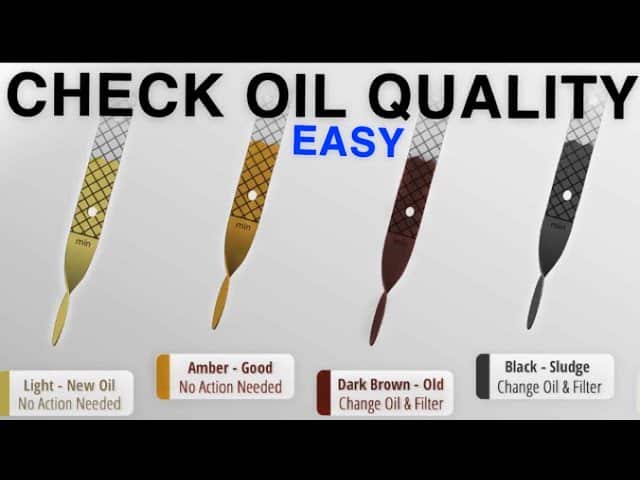
To check diesel engine oil quality, park on level ground, turn off the engine, and let it cool before pulling out the dipstick. Wipe it clean, reinsert it fully, then remove it again to check the oil level, color, and consistency. Healthy diesel oil is usually dark but should feel smooth and not gritty, milky, or excessively thick. A burnt smell, metal particles, or very low level may indicate contamination or wear. Regular checks and timely oil changes help maintain engine performance and longevity.
The Best Tools for Testing Diesel Oil Quality
If your oil looks black but you aren’t sure if it’s actually “spent,” these tools take the guesswork out of maintenance.
Product Why it’s the Best for Diesel Key Benefit Blackstone Labs Oil Analysis Kit The Gold Standard. Mail-in lab test. Identifies engine wear before it’s fatal. Lubricheck Digital Oil Tester Instant Results. handheld electronic sensor. Measures acid and soot levels in seconds. Wix Filters Oil Analysis Kit Budget Professional Option. Detailed report on fuel dilution and soot. Our Top Pick: Lubricheck Digital Engine Oil Tester
For diesel owners, the [Lubricheck] is the best way to check diesel engine oil quality at home. Since you can’t rely on color, this device uses electrical conductivity to detect physical and chemical changes in the oil.
Check color, soot, feel, smell, blotter spot, level, and lab results.
If you want to know how to check diesel engine oil quality, you’re in the right place. I’ve spent years maintaining diesel trucks, generators, and farm equipment. This guide gives you a clear, step-by-step process, with simple tests you can do at home and when to call in a lab. Read on to master how to check diesel engine oil quality with confidence.
Best Universal Oil Dipstick (2026) – Accurate Fits for Multiple Engines | Tested & Reviewed
Why diesel oil quality matters for engine life
Diesel engines run hot, hard, and long. Soot, fuel dilution, and coolant leaks can sneak into the oil and cut bearing life fast. Good oil protects the turbo, cam, injectors, and aftertreatment system.
Knowing how to check diesel engine oil quality helps you spot trouble early. It can prevent stuck rings, worn cams, and clogged DPFs. It also keeps warranties valid when you follow OEM specs like API CK-4 or FA-4.
I’ve seen fleets cut failures in half by checking oil each fuel stop. It is simple, cheap, and smart.
Tools and supplies you need
You do not need a lab for a first check. A few simple tools work well.
- Clean, white paper towel or coffee filter for the blotter test
- Nitrile gloves for safety
- Flashlight for color and clarity
- Dipstick and rag
- Small glass jar with lid if you want to save a sample
- Hand vacuum pump and sample bottle if sending to a lab
Having these tools on hand makes how to check diesel engine oil quality fast and safe.
Step-by-step: how to check diesel engine oil quality at home
Follow these steps. They take five minutes and can save an engine.
- Warm up the engine
Let it idle a few minutes. Warm oil shows problems better. Shut it off on level ground. - Pull the dipstick
Wipe it. Reinsert. Pull again. Look and smell. - Look at color and clarity
Diesel oil turns black fast from soot. Black alone is not bad. What you do not want is thick sludge, metal shimmer, or milky, tan streaks. Milky looks like coffee with cream. That can mean coolant. - Smell the oil
Sharp gasoline smell means fuel dilution. Burnt smell means overheating or long drains. Normal oil smells oily, not harsh. - Rub test between fingers
Put a drop between thumb and index finger. Rub lightly. Grit or hard specks can mean wear or dirt. Smooth and slick is good. - Blotter spot test
Put two drops on a white paper towel. Wait 15 minutes. Then check the rings.
- Clear outer ring with an even dark center is normal dispersion.
- No clear ring and a tight black spot can mean soot overload.
- Rainbow sheen can mean fuel.
- Brown, muddy halo can mean coolant.
- Check oil level trend
If the level rises, think fuel or coolant. If it drops fast, think leak or burn. Track it each week. - Watch cold starts and pressure
Hard cold starts, noisy lifters, or low oil pressure can point to thin oil or shear. Listen to the engine. - Decide next step
If two or more signs look bad, change the oil and filter. If you see metal, milkiness, or a rising level, pull a sample and send it to a lab.
These simple steps are the heart of how to check diesel engine oil quality at home.
Best Oil For Over 200k Miles– Top Picks for Engine Longevity & Protection
What your findings mean: interpreting results
Use this quick guide to decode what you see.
- Black but fluid and even spot ring
Normal for diesel. Soot is suspended. Keep interval. - Grit between fingers or shimmer on dipstick
Wear metals or dirt. Check air filter, intake, and change oil now. - Milky or tan streaks
Coolant contamination. Pressure test cooling system. Do not keep running. - Sharp fuel smell or rising oil level
Fuel dilution from leaky injectors, short trips, DPF regens, or late post-injection. Confirm with lab and fix the cause. - Burnt smell and very dark, thick oil
Overheated oil, long drain, or wrong grade. Change now. Check cooling and load. - No clear ring on blotter, tight black core
Soot overload. Use correct API grade, better filter, and verify EGR and combustion health.
Learning how to check diesel engine oil quality is not guesswork. You match symptoms to causes and act fast.
When to send oil for lab analysis
Home tests tell you a lot. Labs tell you the rest. I send samples when I see odd smells, milkiness, metal, or trending issues. I also sample on any high-hour engine or expensive turbo setup.
Ask the lab for:
- Viscosity at 40°C and 100°C checks oil thickness
- Fuel dilution percentage flags injector or regen issues
- Coolant markers like sodium, potassium, or glycol flags leaks
- Wear metals like iron, copper, aluminum, chromium points to parts
- Soot and oxidation measures deposits and aging
- TBN (Total Base Number) shows detergent reserve for acids
- TAN (Total Acid Number) shows acid build-up
A good lab report includes comments and limits. It replaces guesswork with data. It is the gold standard for how to check diesel engine oil quality over time.
Does the Quality of Engine Oil Matter?– Performance, Wear & Cost Compared
Common mistakes and myths
I have made some of these myself. Learn from them.
- Thinking black oil is bad in a diesel
Black is normal. Look at soot load, not color alone. - Checking only by miles
Use hours, fuel used, and duty cycle. Idling counts. - Sampling cold, first pull
Always warm the engine. Take a midstream sample to avoid sludge. - Ignoring air filtration
Dust kills engines. A bad seal on the air filter can show up as silicon and aluminum in oil. - Mixing oil specs
Follow OEM grade and spec. For new engines, API CK-4 or FA-4 may be required.
These fixes will improve how to check diesel engine oil quality and your results.
Maintenance schedule and a simple decision tree
Build a small routine. It keeps engines healthy and costs low.
Weekly or every fuel fill:
- Dipstick check for level, color, smell
- Quick rub test and blotter spot
Every oil change:
- Inspect filter media if possible
- Note metal or sludge
- Reset your log
Every 250–500 hours or 5,000–10,000 miles, or per OEM:
- Send a lab sample if the engine is critical
- Compare to your last report
Simple decision tree:
- Looks and smells normal, steady level
Keep running. Recheck in a week. - One warning sign
Shorten interval. Recheck in 200 miles or 10 hours. - Two or more warning signs
Change oil and filter now. Send a sample. - Coolant, heavy fuel, or metal
Stop. Diagnose before damage grows.
This routine is a practical backbone for how to check diesel engine oil quality with consistency.
Frequently Asked Questions of how to check diesel engine oil quality
How often should I check diesel oil quality?
Check at every fuel stop or once a week. It takes minutes and prevents bigger issues.
Is black diesel oil always bad?
No. Diesel oil turns black fast due to soot. Focus on texture, smell, blotter pattern, and lab data.
What oil spec should I use for modern diesels?
Use the grade and spec in your manual, often API CK-4 or FA-4. Wrong spec can harm emissions parts.
Can I rely only on the blotter spot test?
It is a great screen but not final. Use it with smell, feel, level checks, and lab tests for proof.
What does fuel dilution in oil feel or smell like?
It smells sharp and thin and may raise the dipstick level. Lab tests confirm the exact percent.
When is a lab test mandatory?
If you see milkiness, metal, rising oil level, or repeat odd smells. Also test high-hour or mission-critical engines.
Does synthetic oil change how to check diesel engine oil quality?
The steps are the same. Synthetic resists heat and oxidation better but still needs checks and proper intervals.
Conclusion
You now know how to check diesel engine oil quality with simple tools and clear steps. Look, smell, feel, blot, track trends, and use a lab when needed. Small checks today prevent big failures tomorrow.
Make this a weekly habit. Keep notes. If something looks off twice, act. Want more hands-on checklists and sample logs? Subscribe and grab the free maintenance tracker, or drop a question in the comments.