
If you want to check engine oil quality using paper, place a few drops of your car’s engine oil on a clean white paper and observe the spot after a few hours. The pattern, color, and spread of the oil can reveal issues like contamination, dilution, or the need for an oil change. This simple test helps you decide if your engine oil is still good or needs replacing.
What Is The Paper Test For Engine Oil Quality?
The paper test for engine oil involves dropping oil onto a piece of white paper and analyzing the resulting stain. This quick method helps you judge oil condition without special tools. The shape, color, and borders of the oil spot can reveal contamination, dirt, or water presence, and signal if the oil is still effective.
The paper test is popular among mechanics and car owners because it’s simple, cheap, and gives fast visual results. It doesn’t fully replace lab analysis but offers a practical way to spot problems early. With practice, you can use this method to monitor oil health and protect your engine from damage.
5 best Engine Oil Quality Tester – Top Tools for Accurate Oil Analysis
Why Engine Oil Quality Matters
Engine oil quality is critical because it protects your engine from wear and overheating. Poor-quality oil can cause expensive damage, reduce fuel efficiency, and shorten engine life. Regular checks help you avoid these problems and keep your car running smoothly.
Good oil lubricates moving parts, cleans out debris, and helps control temperature. When oil is old or dirty, it can turn into sludge, lose its protective qualities, and cause friction between engine parts. Checking oil quality ensures your engine stays healthy and reliable.
How To Perform The Paper Test: Step-by-step
To check engine oil quality with paper, you need a clean sheet, your car’s dipstick, and a few minutes. The method is quick and easy, even for beginners. Here is how you do it:
- Warm up the engine for a few minutes, then turn it off and let it sit for 2–3 minutes.
- Pull out the dipstick and wipe it clean with a rag.
- Insert the dipstick back fully, then pull it out again.
- Let a drop of oil fall onto a clean white paper (A4 or filter paper works best).
- Wait 2–4 hours for the oil to spread and the spot to dry.
- Examine the stain in good light. Look at the color, shape, and any rings or particles.
If the oil spreads evenly and is light brown, the oil is likely still good. Dark, gritty, or milky stains can mean it’s time for an oil change.
What To Look For In The Paper Test
During the paper test, focus on these signs:
- Color: Light brown is normal; black or very dark means old oil.
- Clarity: Clear edges are good. Cloudy or milky rings can mean water or coolant contamination.
- Particles: Grit or metal bits show wear or dirt.
- Spread: Even, round spread is healthy. Uneven or thick rings signal problems.
For example, if you see a dark center with a lighter outer ring, the oil is oxidized and old. If you notice milky or grayish spots, there may be coolant mixing with oil—this is a serious issue.
Table: Common Oil Stain Patterns And Their Meaning
Here’s a guide to help you interpret your results:
| Stain Pattern | Possible Cause | Action Needed |
|---|---|---|
| Light brown, even spread | Oil is in good condition | No action |
| Dark brown/black, gritty | Contaminated or old oil | Change oil soon |
| Milky/gray rings | Water or coolant contamination | Check for leaks, see mechanic |
| Thick black center | Oil oxidation/sludge | Replace oil |
These patterns give you a quick diagnosis. If you see signs of contamination, don’t ignore them—engine problems can get worse quickly.
Advantages Of The Paper Test
The paper test is popular for several reasons:
- Simple and quick: No special tools or skills required.
- Low cost: Only needs clean paper and a dipstick.
- Visual: Easy to compare results over time.
- Early warning: Catches problems before they become serious.
Many drivers find it useful for routine checks between oil changes. It’s also helpful if your car has no oil quality sensor or if you buy a used vehicle.
Limitations Of The Paper Test
The paper test is helpful, but it’s not perfect:
- Cannot measure additives: Modern oils have additives you can’t see by eye.
- No precise data: It gives clues, not exact results like a lab test.
- Misses subtle problems: Early chemical changes or small metal particles may not show up.
For most drivers, the paper test is enough for routine checks. However, if your engine has a history of problems, consider lab analysis for deeper insight.
How Often Should You Check Engine Oil Quality?
Check your engine oil quality every 1,000–2,000 kilometers or once a month, especially if you drive in tough conditions. Frequent checks help you spot problems early and avoid engine damage.
Drivers in hot climates, dusty areas, or with heavy loads should check more often. Older cars or those with high mileage may also need closer monitoring, as oil breaks down faster in these engines.

Credit: gandharoil.com
Common Mistakes When Testing Oil Quality
Even a simple test has pitfalls. Watch out for these mistakes:
- Using dirty paper: Only use clean, white paper. Dirt can confuse results.
- Not waiting long enough: The oil needs time to spread—don’t check too soon.
- Testing with a cold engine: Warm oil flows better and gives clearer results.
- Ignoring unusual smells: Burnt or sour smells can signal problems, even if the stain looks normal.
- Not checking regularly: One test is not enough. Compare over time for a true picture.
By avoiding these errors, you get more reliable results from your paper test.
What Is an Engine Oil Tester? My Hands-On Guide to Use Oil Quality Tester Like a Pro
Comparing The Paper Test To Other Methods
It’s useful to see how the paper test stacks up against other oil checking methods.
| Method | Accuracy | Cost | Ease of Use |
|---|---|---|---|
| Paper Test | Medium | Very low | Very easy |
| Oil Dipstick Only | Low | None | Easy |
| Lab Analysis | High | High | Difficult |
| Electronic Sensor | Medium-High | High (if not included) | Very easy |
The paper test offers a good balance between simplicity and insight, making it ideal for most car owners.
Real-world Example: Used Car Buyers
When buying a used car, the paper test can be a fast way to spot hidden engine problems. Ask the seller for a cold start, then perform the test. If the oil shows milky rings or lots of grit, the engine may have leaks or poor maintenance history.
This can help you avoid costly mistakes.
Many experienced buyers use this technique as a first step before paying for a full inspection. It’s a practical way to check claims about recent oil changes or engine health.
Scientific Background: Why The Paper Test Works
Engine oil contains different molecules, contaminants, and sometimes water or coolant. When dropped on paper, these components spread at different rates. Clean oil makes a light, even stain. Dirt, metal, or water change the shape, color, and clarity.
Over time, researchers have shown that the blotter spot test reveals oil oxidation, soot, and contamination visually. While not as exact as lab tests, it’s a reliable early screening tool. For more details, see this Oil Analysis Wikipedia entry.
Table: What Oil Color Tells You
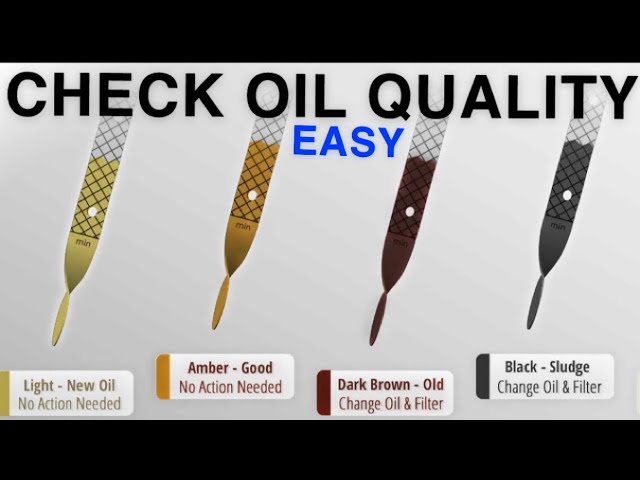
Engine oil color changes with age, heat, and contamination. Here’s a quick reference:
| Oil Color | What It Means |
|---|---|
| Golden/light brown | Fresh or lightly used oil |
| Medium brown | Normal aging, still usable |
| Dark brown/black | Needs changing soon |
| Milky/grayish | Possible coolant or water contamination |
Remember, color alone doesn’t tell the full story, but it’s a strong hint.
Tips For More Accurate Results
To get the best results from your paper test, follow these tips:
- Use filter paper if possible; it spreads oil more evenly than printer paper.
- Test oil before topping up with fresh oil, for a true reading.
- Compare new and old oil stains side by side for clear differences.
- Use good lighting—natural sunlight works best.
- Take a photo of each test for easy tracking over time.
These steps help you spot trends and act before problems get serious.

Credit: www.martechnic.com
When To Seek Professional Help
If the paper test shows signs like milky rings, heavy grit, or a burnt smell, don’t wait. These can mean coolant leaks, worn engine parts, or oil breakdown. It’s best to consult a mechanic for a full inspection.
Even if you change oil regularly, these warning signs can signal hidden issues. Early action protects your engine and saves money in the long run.
Frequently Asked Questions
Can I Use Tissue Paper Instead Of White Printer Paper?
You can, but tissue paper absorbs oil very quickly and may give a blurry stain. For best results, use thicker, white printer paper or special filter paper.
What Does A Milky Ring In The Oil Stain Mean?
A milky ring usually indicates water or coolant mixing with engine oil, possibly from a head gasket leak. This is serious—see a mechanic right away.
Is The Paper Test Enough To Know When To Change Oil?
The paper test is a good guide, but it’s not perfect. Always follow your vehicle’s service schedule and use the test as an extra tool, not the only one.
Will Synthetic Oil Give Different Results On Paper?
Synthetic oil may spread more evenly and look clearer, but it still darkens with age and contamination. The same signs—dark color, grit, or milky rings—apply.
How Do I Dispose Of The Used Oil And Paper Safely?
Wrap the used paper in plastic and throw it away according to local waste rules. Never pour used oil down drains; take it to a recycling center if possible.
Watching your engine oil quality with a simple paper test is a smart habit for every driver. It’s quick, low-cost, and can catch problems before they become expensive repairs. By learning to read the signs, you keep your engine in top shape and stay safe on the road.
Credit: www.youtube.com