
Use Top Tier fuel, low-volatility oil, PCV checks, intake cleaning, and longer highway drives.
If you own a direct injection car, you’ve likely heard about intake valve deposits. I’ve spent years helping drivers learn how to prevent carbon build up in GDI engines. In this guide, I break down what causes it, what actually works, and how to build a simple routine that keeps power up and repair bills down. Stick with me, and you’ll leave with a plan you can trust.
What carbon build up means in GDI engines
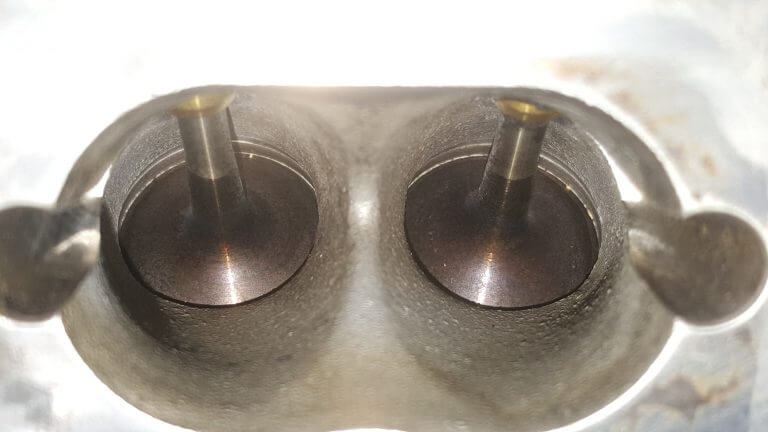
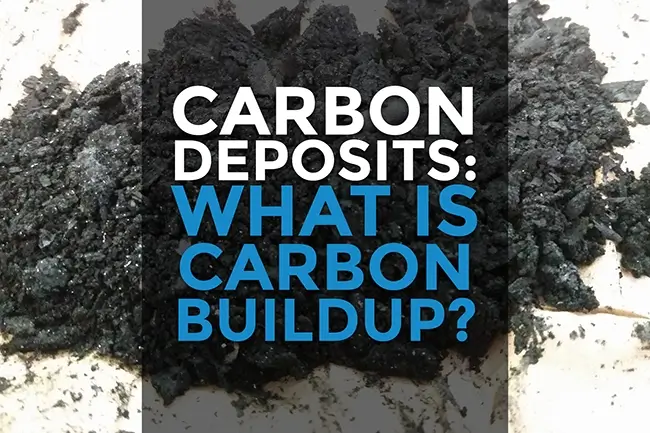
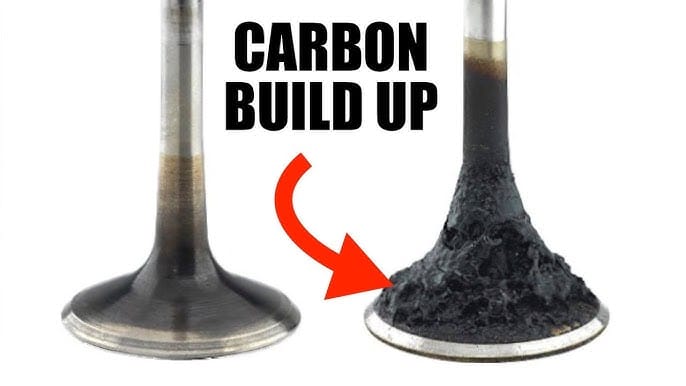
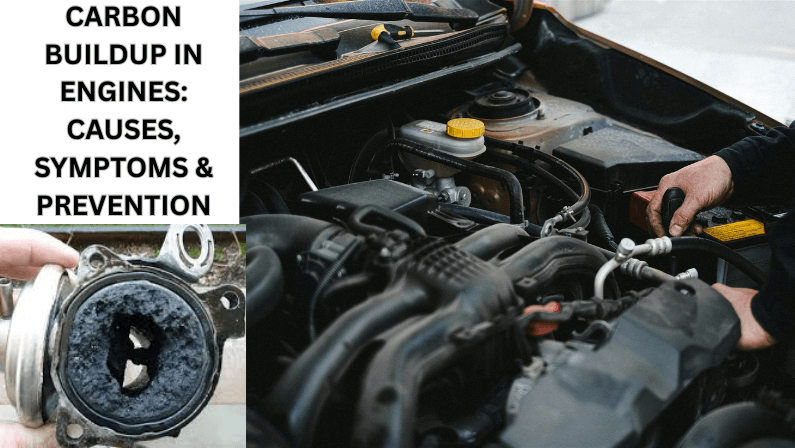
Gasoline direct injection sprays fuel straight into the cylinder. That boosts power and fuel economy. But the intake valves no longer get washed by fuel. Oil mist and blow-by bake onto the valves. Over time, those sticky layers harden into carbon.
You may feel rough idle, hesitation, or lost power. Cold starts can take longer. Your fuel use may rise. If it gets bad, you will need a manual clean like walnut blasting.
Knowing how to prevent carbon build up in GDI engines starts with the cause. Stop the oil mist and soot from sticking. Keep parts clean. Keep heat and time in your favor.

Why GDI engines build carbon faster
Several factors stack up in GDI cars. Here is what I see in the shop most often:
- PCV vapors carry oil mist into the intake. That oil bakes on the hot valves.
- EGR and blow-by add soot and unburned fuel to the mix.
- Short trips keep the engine cool. Cool valves let goo stick and harden.
- Low-detergent fuel can raise deposits in the chamber. That can worsen idle and stress the PCV system.
- High volatility oil sheds more vapor. That vapor feeds intake valve deposits.
- Turbo boost and low-speed, high-load driving increase blow-by.
Manufacturers know this. Many now use dual injection, better PCV designs, and tighter oil specs. But if you want to master how to prevent carbon build up in GDI engines, your routine matters most.
The proven prevention plan
Follow this routine. It is the same checklist I use for my own GDI cars and customer fleets.
- Use Top Tier gasoline every fill. It has more detergents. It helps keep the chamber and injectors clean.
- Change oil early. Do not stretch to the last mile on the oil-life monitor. I like 5,000 miles or 6 months on turbo GDI, 7,500 max on non-turbo, unless your maker says sooner.
- Choose the right oil. Pick the exact spec your maker calls for. For many modern GDI cars, Dexos 1 Gen 3 or the maker’s latest spec helps reduce LSPI and oil vapor. Low NOACK volatility is your friend.
- Take a weekly highway drive. Twenty minutes at steady speed, at full temp. This helps burn off soft deposits and dries the PCV system.
- Clean the throttle body and intake path every 15,000 to 30,000 miles. Use a product safe for GDI. It will not fix heavy valve crust, but it helps slow it.
- Inspect or service the PCV valve by 30,000 to 60,000 miles. A stuck PCV floods the intake with oil.
- Replace the air filter on time. Dirty filters raise vacuum and pull in more oil vapor.
- Consider an OEM-style catch can if the platform is known for oil mist. Use only proven designs and check local rules and warranty impacts.
- Scan for software updates. Some makers tune PCV, EGR, or spark to reduce deposits.
- Schedule a borescope valve check at 60,000 to 80,000 miles. If deposits are thick, plan a cleaning before misfires start.
PAA-style quick answers
- Does a catch can prevent all valve deposits? No. It lowers oil mist but does not stop all soot and vapor. It is one tool, not a cure.
- Will a fuel additive clean intake valves on GDI? Not well. It helps the chamber and injectors. Intake valves need direct cleaning.
- Do short trips really hurt GDI engines? Yes. Low heat and many starts make sticky films grow fast.
If you only remember one thing about how to prevent carbon build up in GDI engines, remember this: clean fuel, right oil, heat cycles, and early checks beat big repair bills.
Tested 8 Best Oil for GDI Engines (2026): Prevent LSPI & Carbon Buildup
Fuel, oil, and additives that actually help
Fuel
- Use Top Tier gas. The extra detergents help keep injectors and chambers clean. That stability reduces soot load.
- Octane: Use what the maker recommends. Higher octane does not directly clean valves, but it can prevent knock and keep timing stable.
- Every 5,000 to 7,500 miles, run a bottle of a PEA-based cleaner through a tank. It cleans injectors and chambers well.
Oil
- Follow the maker’s spec. For many modern GDI engines, look for low volatility and LSPI protection.
- Lower NOACK numbers (around 10 percent or less) mean less oil vapor. Less vapor means fewer deposits on valves.
- Do not cheap out on filters. A quality filter keeps oil control rings and PCV flow cleaner.
Additives and sprays
- Fuel system cleaners with PEA help injectors and chambers. They do not wash intake valves on GDI.
- Intake-cleaner aerosols sprayed before the throttle can soften light deposits. They help most when the engine is warm and run per the label. They are not a fix for heavy carbon.
- Oil additives are not a must. If you use the right oil spec and interval, you should not need extras.
If you focus on fuel quality and oil choice, you are halfway to solving how to prevent carbon build up in GDI engines.
Driving habits that reduce deposits
Daily use shapes deposit growth. Small changes make a big difference.
- Warm up gently. Drive off light. Do not idle long. Idling sends more oil vapor through the intake.
- Avoid many short hops. Batch errands. Try for at least 15 minutes at full temp.
- Once warm, give it a few strong pulls to redline each week. Think of it as a gentle scrub. Do this on a safe road.
- Do not lug the engine at low RPM in high gear. That raises blow-by and soot.
Personal tip from the shop: customers who follow this simple plan almost never ask me how to prevent carbon build up in GDI engines. Their cars stay smooth and strong for years.
5 Best Fuel Additives for GDI Engines: Tested That Fix Stops Carbon Buildup
Intake valve cleaning methods compared
When deposits get thick, you need a direct clean. Here are the common methods I trust.
- Walnut shell blasting. A shop uses crushed walnut through the intake ports with the valves closed. It strips hard carbon fast and leaves metal safe. This is my go-to for heavy build up. Plan on 60,000 to 100,000 miles, or as needed.
- Chemical soak via intake ports. The tech rotates the engine to close each valve, fills the port with a solvent, lets it soak, then vacuums and wipes. It helps when deposits are medium.
- Dual injection engines. Some new engines add port injectors. They wash the valves with fuel at times. This is the best design fix.
- DIY sprays. They help throttle bodies and light films, but they will not clear thick, baked carbon.
Costs vary by car. Walnut blasting can run a few hundred dollars to over a thousand. That is why staying ahead is key if you care about how to prevent carbon build up in GDI engines.
Monitoring and early warning signs
Catch problems early to save money.
- Watch for rough idle, cold-start stumble, or loss of pep.
- Check fuel trims with a scan tool. Drifting trims at idle can hint at valve deposits.
- Log misfire counts on affected cylinders. A pattern at idle that clears with RPM is a clue.
- Inspect PCV parts for oil in hoses. Excess oil hints at high vapor flow.
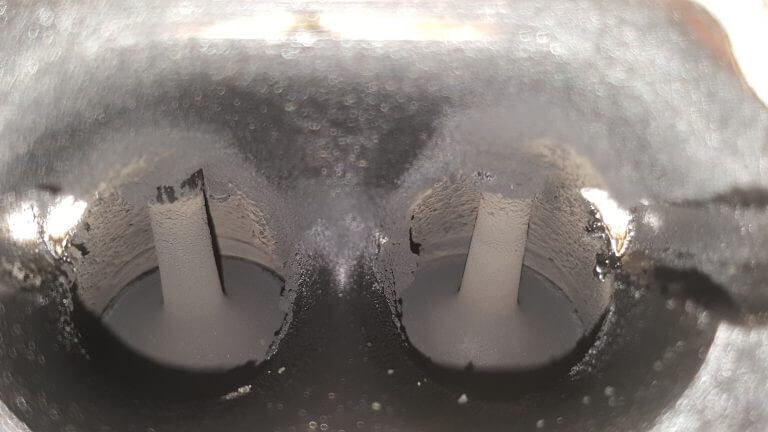
- Ask for a borescope look during spark plug service. Photos tell the truth.
These checks keep you ahead. They also guide if and when you need a valve clean. They are simple steps that support how to prevent carbon build up in GDI engines with real data.
Cost, risk, and payoff
Think in terms of total cost of ownership.
- Prevention costs are small. Top Tier fuel adds a few cents per gallon. Early oil changes add one extra service per year for many drivers.
- A catch can has a modest price, but you must drain it and check for leaks. Verify warranty and local rules before you install.
- A single walnut blast can cost more than years of good fuel and oil. Preventing is cheaper than curing.
There is no magic in how to prevent carbon build up in GDI engines. It is about steady, simple habits. You keep deposits soft and thin so they never turn into a big job.
Frequently Asked Questions of how to prevent carbon build up in gdi engines
How often should I clean intake valves on a GDI engine?
Most cars do not need it before 60,000 miles. Inspect first, then plan a cleaning only if deposits are heavy.
Will switching to Top Tier fuel prevent all carbon build up?
No, but it helps a lot. It keeps injectors and chambers clean, which lowers soot and stress on the PCV system.
Does premium fuel reduce intake valve deposits on GDI?
Not directly. Use the octane the maker calls for, and focus on fuel quality and oil choice.
Can I use fuel additives to clean GDI intake valves?
Not well. Additives help injectors and chambers, but intake valves in GDI need direct cleaning.
Are catch cans safe for daily drivers?
A good design can help, but install with care and check it often. Confirm warranty terms and local rules before adding one.
Do short trips really make GDI carbon worse?
Yes. Cool parts and many starts grow sticky films fast. Plan regular longer drives to stay ahead.
What oil is best for GDI engines?
Use the exact spec in your manual with low volatility. Many modern GDI engines need Dexos 1 Gen 3 or the maker’s latest standard.
Conclusion
A clean-running GDI engine is no accident. Use Top Tier fuel, choose the right low-volatility oil, avoid short trips, and service the PCV and intake on time. When needed, schedule a borescope check and plan a targeted valve clean before misfires start.
Build your routine today and make how to prevent carbon build up in gdi engines a done deal, not a mystery. If this helped, share it, subscribe for more simple car care guides, or drop a question in the comments.