
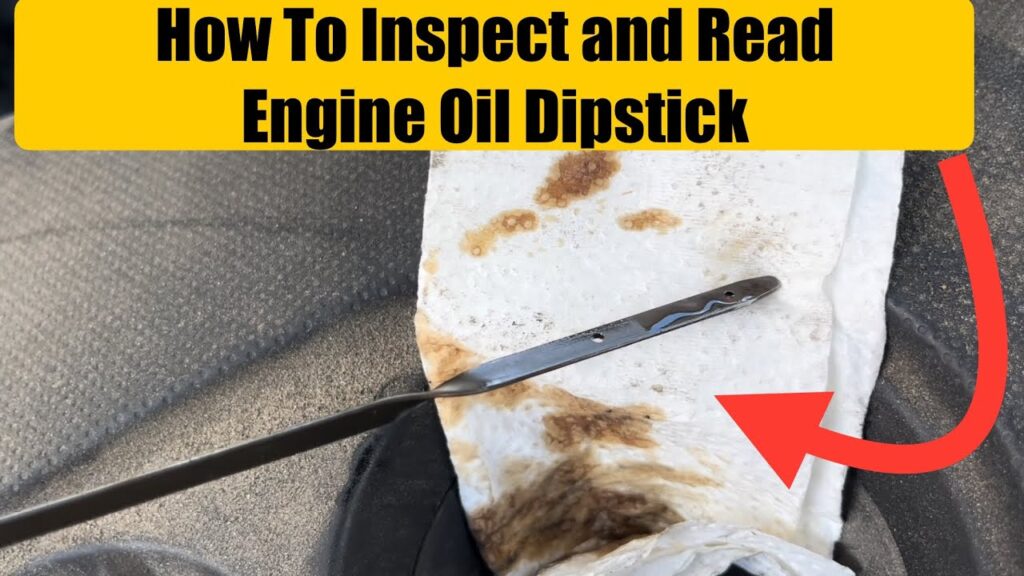
Shortly, Pull the dipstick, wipe it clean, reinsert, then read between the marks. If you do not know how to read oil dipstick correctly, park the vehicle on level ground and turn off the engine, allowing it to cool for a few minutes so the oil can settle. Pull out the dipstick, wipe it clean, reinsert it fully, then remove it again to check the oil level. The oil should fall between the minimum and maximum marks, with the color and thickness also indicating oil condition. If the level is low or the oil appears dirty, add oil or schedule an oil change as needed.
Quick verdict: Read the oil level
Above top hole → Overfilled; may need excess drained. Look where the fresh oil mark reaches:
Below bottom hole → Oil too low, add immediately.
Between bottom and 2nd hole → Low; safe to drive short term, but top up soon.
Between 2nd and 3rd hole → Good/normal level.
Between 3rd and top hole → Near full, ideal.
Table of Contents
Why checking your oil matters
Engine oil is the life of the engine. It cools, cleans, and protects moving parts. Low oil can cause wear, heat, and costly damage. Overfilled oil can also foam and harm seals.
A two-minute check can save a four-figure repair. You do not need special tools. You only need to know how to read oil dipstick and what the marks mean. I have seen drivers catch small leaks early and avoid breakdowns just by doing this simple habit.

What you need and how to prepare
You can check oil almost anywhere. Good prep makes the reading accurate.
- Park on level ground to avoid a false low or high reading.
- Turn the engine off and wait 3 to 5 minutes so oil drains back to the pan.
- Have a clean, lint-free rag or paper towel.
- Find the dipstick. It often has a bright handle near the engine.
- Check your owner’s manual for oil type and any special steps.
If your car has no dipstick, it uses an electronic sensor. In that case, follow the dash menu or manual to read level. For every other car, learning how to read oil dipstick is still the fastest way.
Step-by-step: How to Read Oil Dipstick
This is the method I teach apprentices. It is quick and reliable.
- Warm up the engine. Drive for a few minutes, then stop on level ground.
- Turn the engine off. Wait 3 to 5 minutes so oil settles.
- Pull the dipstick. Hold it tip-down to avoid smearing.
- Wipe it clean. Use a clean rag or towel.
- Reinsert fully. Push it all the way in until seated.
- Pull it out again. Hold it level so oil does not run.
- Read the level. Look at the wet line against the marks.
- Compare to the markings. The oil should be between low and full marks.
- Check oil condition. The color should be amber to dark brown, not milky or gritty.
- Reinsert the dipstick. Make sure it seats fully.
If the level is below the low mark, add oil. If it is over the full mark, remove some oil. You now know how to read oil dipstick with confidence.
Pro tip from the bay: Always read the side with the clearer line. Some sticks show one side better due to tube shape or airflow.
This technical paper outlines the calibration methods for engine oil scales, emphasizing that accuracy depends heavily on vehicle inclination. It demonstrates that manual dipsticks remain a benchmark for satisfying engine lubrication requirements, especially when measuring under varied slopes where electronic sensors may falter.
Understand dipstick marks, colors, and smells
Dipstick markings vary, but the meaning is the same.
- Full and low marks. Dots, lines, holes, or crosshatch show the safe range.
- The gap between low and full. It often equals about one quart, but check your manual.
- Oil color. Fresh oil is honey to light amber. Normal use makes it darker.
- Oil smell. Strong fuel smell can mean fuel dilution. A burnt smell can mean heat issues.
A dipstick is all about identifying the safe “operating window” for your engine. Here is the quick guide for each variation:
- 2 Holes: Ensure the oil level falls between the bottom hole (Minimum) and the top hole (Maximum).
- 3 Holes: The oil should ideally sit at the middle hole, with the bottom being “Low” and the top being “Full.”
- 2 Dots: Keep the oil level within the space between the lower dot (Add) and the upper dot (Full).
- 4 Holes: The oil is safe between the second and third holes, while the outer holes represent critical low and overfilled limits.
- 5 Holes: Treat the bottom hole as empty, the top as overfull, and aim for the oil to rest on the third (middle) hole.
- No Markings: Look for a cross-hatched or textured area; the oil should cover this section without exceeding its upper boundary.
If oil looks milky, you may have coolant mixing with oil. That needs rapid care. If it looks foamy, the level may be too high or air is mixing in. This is why learning how to read oil dipstick is more than checking level. You are also reading the oil’s health.
Is your car lying to you? Our deep dive into Oil Dipstick vs Electronic Oil Level monitors reveals why some enthusiasts still demand a physical rod over a dashboard icon. Learn which system provides the most accurate data and why many modern luxury brands are ditching the dipstick entirely.
Hot versus cold checks and special cases
Most cars are best checked warm, after a short wait. Some manuals allow a cold check. If cold, the level may sit slightly higher. Choose one method and be consistent.
- Turbos and performance engines. Warm checks are best since oil stays in passages longer.
- Hybrids and start-stop cars. Make sure the engine has run recently, then wait 3 to 5 minutes.
- Diesels. Soot darkens oil fast. Color alone is not a worry. Focus on level and feel.
- Cars without dipsticks. Use the dash level readout and follow the exact steps in the manual.
When in doubt, follow your owner’s manual. It is the final word. Even then, the basic skill of how to read oil dipstick will help you cross-check any electronic reading.
When and how to add oil
Adding oil is simple, but do it slow.
- Choose the right oil grade. Use the viscosity listed in the manual, like 5W-30.
- Add small amounts. Start with half a quart if you are near the low mark.
- Wait and recheck. Give it a minute to settle, then re-measure.
- Do not overfill. Stop when the level is near the full mark, not over it.
- Use a funnel. This prevents spills and helps keep the engine bay clean.
In the shop, I have fixed many overfill issues. People poured too fast. Go slow. If you know how to read oil dipstick, you can add just the right amount and avoid a mess.
Common mistakes to avoid
Small errors can throw off your reading.
- Checking on a slope. Always use level ground.
- Not wiping first. First pull is often misleading. Clean, then reinsert.
- Reading too soon. Wait 3 to 5 minutes after shutoff.
- Holding the stick tip-up. Oil can run and fool you.
- Ignoring oil type. Mixing random oils can hurt performance.
I once checked a car on a slanted driveway. The reading showed low, and we almost added oil. We moved the car to flat ground. The level was perfect. Lesson learned.
Troubleshooting what you see on the dipstick
Your dipstick tells a story. Here is how to read it like a pro.
- Low level, dry tip. You may have a leak or the engine burns oil. Top up and monitor weekly.
- Over full. Oil may foam, seals may leak, and performance can drop. Drain to correct level.
- Milky or frothy. Coolant could be mixing with oil. Stop driving and have it checked.
- Gritty feel. Metal or dirt may be in the oil. Change oil and filter soon.
- Strong fuel smell. Short trips or a fuel issue can thin oil. Change oil and diagnose.
Catching these signs early is why learning how to read oil dipstick matters. It is a simple test with big value.
Maintenance habits and how often to check
Make oil checks part of your routine.
- Check monthly or every 1,000 miles.
- Check before long trips and after towing or hard driving.
- Check more often on older cars or if you notice drips.
- Track your top-ups. A pattern can reveal a slow leak.
I keep a note on my phone. I log the date, mileage, and level. This makes trends clear. When you practice how to read oil dipstick often, you build a habit that protects your engine.
Frequently Asked Questions of how to read oil dipstick
How often should I check my oil level?
Check at least once a month and before long trips. Older cars or engines that use oil need checks more often.
Should I check oil when the engine is hot or cold?
Warm is best. Drive a few minutes, shut off, wait 3 to 5 minutes, then measure.
What if the oil level is between the marks?
That is safe to drive. If near the low mark, add a small amount to bring it close to the full mark.
Can the oil be too clean or too dark?
Clean oil is fine. Dark oil is normal with use, but gritty or milky oil is a warning sign.
What happens if I overfill the oil?
Too much oil can foam and raise pressure, which can harm seals. Drain to the proper level as soon as you can.
Is it okay to mix different oil brands or grades?
Brands can mix in a pinch if the grade matches. Avoid mixing different grades unless the manual allows it.
Why does my reading change each time?
Parking angle, wait time, and how you hold the stick can change results. Use level ground, wait a few minutes, and hold the stick level for a steady reading.
Conclusion
Now you know how to read oil dipstick with clear steps and smart habits. Park on level ground, wipe and reinsert, then read between the marks. Watch the oil’s look and smell for early signs of trouble.
Build this into your monthly routine. It takes minutes and can save your engine. If this helped, share it with a friend, subscribe for more car-care guides, or leave a question and I will help you master the next skill.