
Engine oil is combustible, not flammable; it burns when hot but resists easy ignition.
That quick line saves you confusion, but there is more to it. If you have ever asked Is engine oil flammable or combustible, this guide unpacks the science, the standards, and the real risks in plain language. I have worked around engines for years, and I will show you what matters in the shop, under the hood, and at home so you can stay safe and informed.
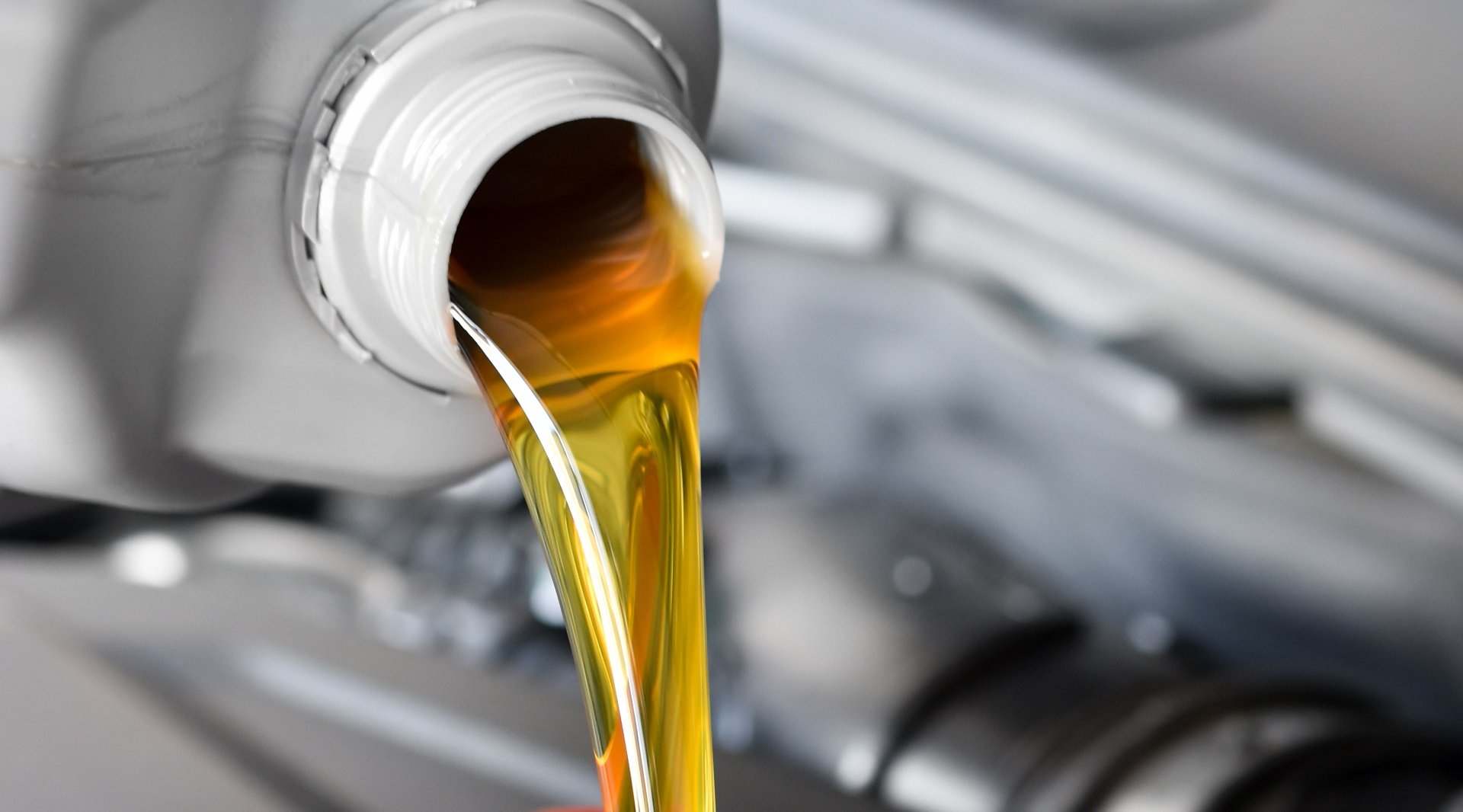
Is engine oil flammable or combustible? The short and long answer
Here is the simple truth. Is engine oil flammable or combustible depends on how the terms are defined. Under common safety standards, engine oil is a combustible liquid, not a flammable liquid.
Why? The key is flash point. Flammable liquids have a low flash point. They release vapors that can ignite at room temperature. Gasoline is a classic example. Engine oil has a much higher flash point. It needs more heat before it makes ignitable vapor. That is why we call it combustible.
Many standards use similar breakpoints. Liquids with flash points below about 100°F are flammable. Liquids above that are combustible. Most engine oils have flash points well above 200°F. In many cases, they are placed in a category often called Class IIIB combustible liquids.
So, if someone asks you again, Is engine oil flammable or combustible, you can say it is combustible. It can burn. But it is harder to ignite than fuels like gasoline or solvents.
10 Best Engine Oil 2026: Don’t Buy a Single Quart Until You See These
Does engine oil catch fire easily?
Not in normal room conditions. It needs high heat to make vapors that can ignite.
Can oil on a hot engine start a fire?
Yes, if it hits very hot parts like a turbo or exhaust. Heat and a small pool can raise vapor levels fast.
Is synthetic oil safer than conventional for fire risk?
Both are combustible. Some synthetics have higher flash points, but you should treat both with the same care.

Flash point, fire point, and autoignition explained
Think of three heat checkpoints that decide how engine oil behaves with fire.
- Flash point. The lowest temperature where the oil makes enough vapor to ignite. For most engine oils, this is around 392°F to 500°F (200°C to 260°C).
- Fire point. A bit higher than flash point. This is where a flame will keep burning on its own.
- Autoignition temperature. The point where oil vapors ignite without a spark or flame. Many motor oils sit above 608°F (320°C), often closer to 700°F to 800°F.
These numbers explain why a small drip on a warm engine rarely bursts into flames. It also shows why a leak onto a red-hot exhaust or turbo can cause a fast fire. Heat makes vapor. Vapor plus air plus an ignition source can lead to flames.
This is also why a fine oil mist is so risky. Mist has a huge surface area. It heats fast and can ignite easier. In industry, oil mists can even explode in enclosed spaces. That is rare in a home garage, but it is a known hazard in plants and compressor rooms.
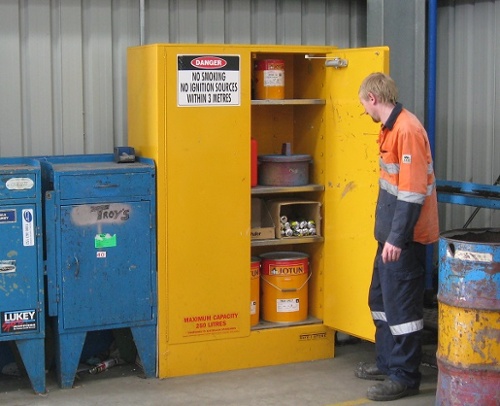
What affects the ignition behavior of engine oil
Not all engine oil behaves the same. Is engine oil flammable or combustible still holds true, but small changes matter.
- Viscosity grade. Lighter oils can vaporize a bit faster. Heavier oils tend to have higher flash points.
- Base oil type. Many synthetics show higher flash points than conventional oils. Still, both are combustible.
- Additives. Detergents and anti-wear packages do not change fire risk much. But they can affect smoke and residue.
- Contamination. Used oil can be riskier. Fuel dilution from short trips can lower the flash point. Solvent or brake-cleaner contamination is worse. A clean 5W-30 is far safer than a pan of used oil mixed with fuel.
- Aerosol form. Sprays and mists behave more like flammable vapors. They ignite much easier than a pool of oil.
In my experience, fuel-diluted oil is the surprise risk. A tech drains a crankcase after many short runs. The used oil flashes off fumes fast on a warm plate. That smell is your clue. If it smells like fuel, treat it with extra care.
Real-world scenarios and safety risks
Let’s bring this down to daily life. Is engine oil flammable or combustible is not just a lab question. It affects how we work around cars and tools.
- Hot engine leaks. A valve cover drip that hits an exhaust manifold can smoke and then ignite. Heat soaks build after shutdown. The risk is highest just after you stop a hot engine.
- Turbochargers. Turbo housings can glow. Oil lines near turbos need good seals and heat shields. A spray on a glowing turbo can flare fast.
- Oily rags. Engine oil is not a drying oil, but oily rags can still smolder in a hot, tight pile. Add a space heater nearby and you have a problem. Use a metal rag can with a lid.
- Shop floors. Oil plus dust makes slick films. A dropped grinder spark can start a stubborn, low flame that spreads along the film.
- Storage areas. Plastic jugs near a furnace or water heater are a bad mix. Keep them cool, capped, and off the floor.
A quick story from my own shop life. Years ago, a stack of oil-soaked absorbent pads sat next to a portable heater. The top pad browned and smoked. We caught it early, but it was a wake-up call. That day, we set a rule. Oily pads go straight in a closed metal can. No exceptions.
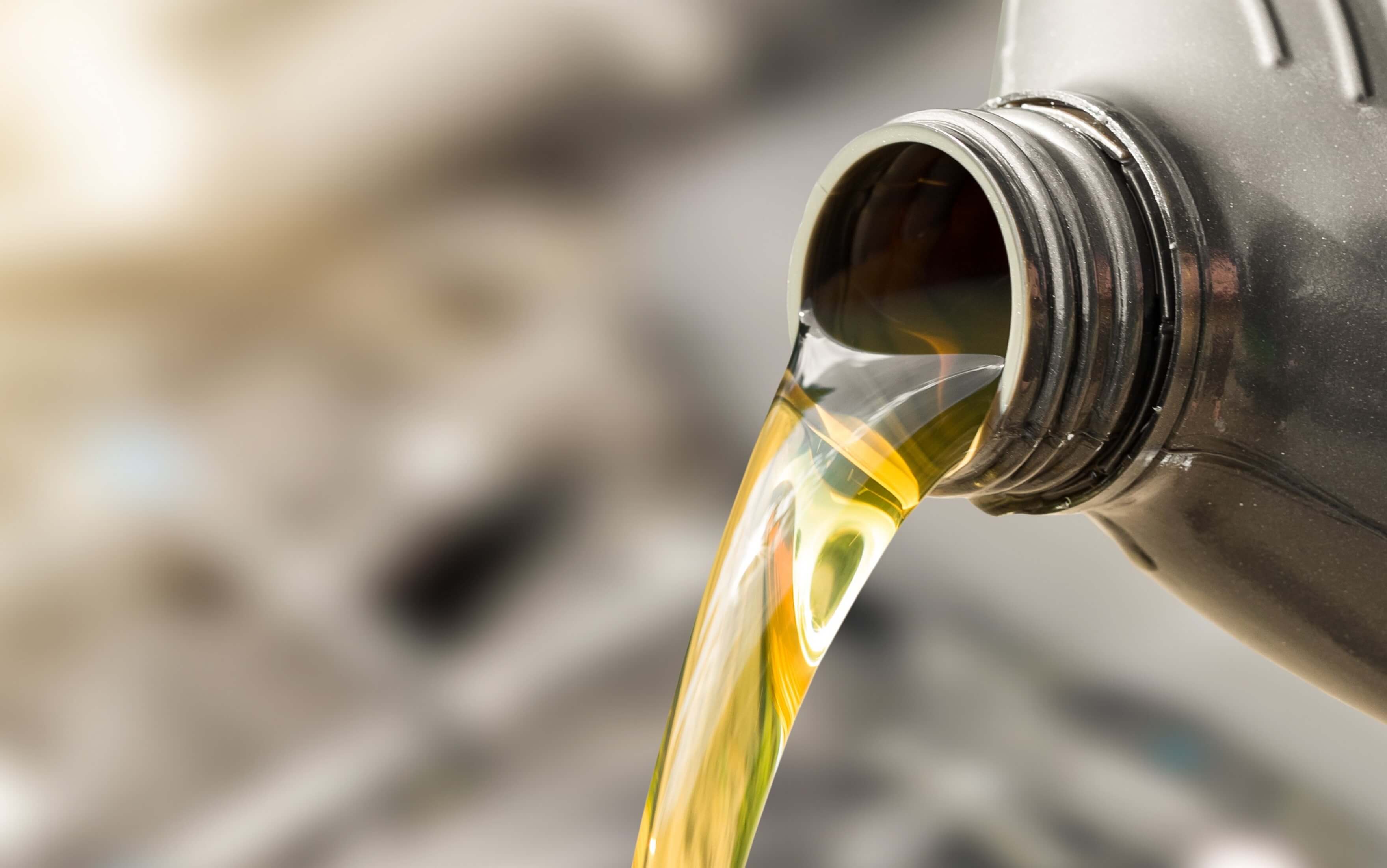
Practical safety tips for handling and storage
You do not need fear. You need a plan. Here are steps I teach new techs and DIYers.
Storage
- Keep oil in original, sealed containers.
- Store in a cool, dry place, away from heaters or sunlight.
- Place jugs on a spill tray or low shelf to catch drips.
- Label used oil. Do not mix with fuels, solvents, or brake cleaner.
Handling
- Wipe spills right away with absorbent pads.
- Use funnels to avoid drips on hot parts.
- Let hot engines cool before topping off or changing filters.
- Keep oily rags and pads in a closed, metal rag can.
Fire response
- Use a Class B or multi-purpose ABC extinguisher for oil fires.
- Do not use water on oil fires. It can spread the burning oil.
- If clothing catches, stop, drop, and roll. Then cool the skin with water after the flame is out.
Disposal
- Take used oil to a recycling center or auto parts store.
- Never pour oil on the ground or down drains.
- Do not burn used oil unless you follow local rules and proper equipment.
Following this list cuts your risk a lot. It also answers the deeper question behind Is engine oil flammable or combustible. Yes, it burns. But smart habits keep you safe.
Personal experience and common mistakes to avoid
Over the years, I have seen the same slip-ups repeat. Each one ties back to Is engine oil flammable or combustible in real-life terms.
Common mistakes
- Tossing oily rags in an open trash can. Use a metal can with a lid.
- Storing oil near a gas water heater. Keep a buffer zone and good airflow.
- Ignoring fuel dilution in used oil. If it smells like gas, handle with extra care.
- Spraying brake cleaner near hot oil. Vapors can flash with one spark.
- Letting small leaks ride. A slow seep on a hot manifold is a fire that waits for a gust of air.
Practical fixes
- Set a tidy bench rule. Clean up as you go.
- Put extinguishers where you can grab them with either hand.
- Use drip shields near exhaust parts during tests.
- Build a habit. Cap, label, and stow every container when you finish a job.
These steps are simple. They cost little. They lower fire risk more than any fancy gadget.
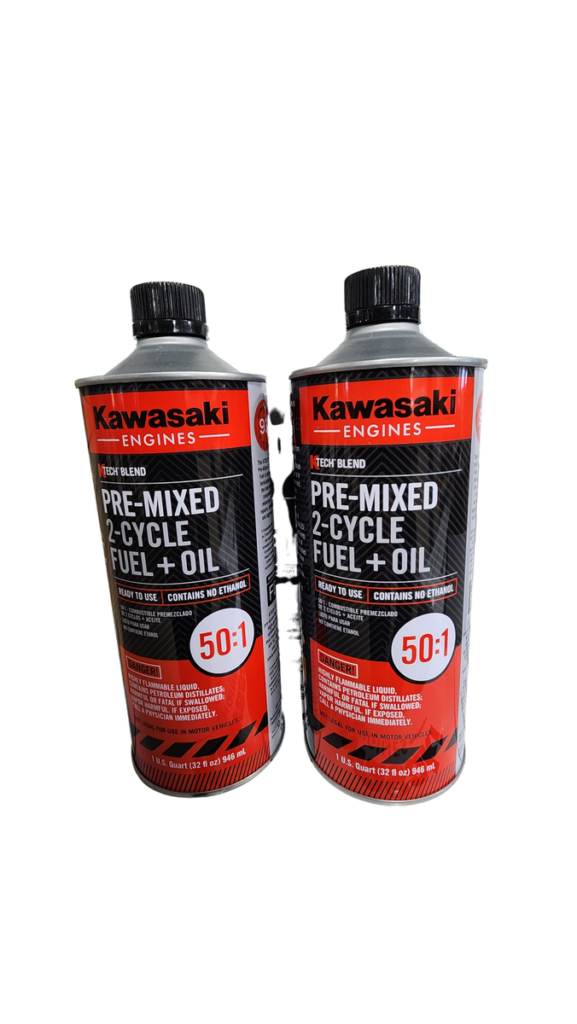
Frequently Asked Questions of Is engine oil flammable or combustible
Why do people ask Is engine oil flammable or combustible so often?
The terms sound similar, and many folks think all liquids that burn are flammable. Standards draw a line based on flash point, which puts engine oil in the combustible group.
Does the answer to Is engine oil flammable or combustible change in winter or summer?
No, the classification stays the same. But on a hot day, surfaces and vapors get warmer, so risk rises around very hot parts.
Can a drip pan of oil start a fire by itself?
Not on its own at room temperature. It needs high heat or a flame, but a pan near a heater or torch can flash.
Is engine oil flammable or combustible if it is synthetic?
It is still combustible. Some synthetic oils have higher flash points, but you should treat them with the same respect.
Is engine oil flammable or combustible when it turns to mist?
Mist lowers the barrier to ignition. Fine droplets heat fast and can ignite or even explode in closed industrial spaces.
Could used engine oil have a lower flash point?
Yes. Fuel or solvent contamination can cut the flash point a lot. This is common with short-trip driving or carb issues.
What should I do if engine oil catches fire in the garage?
Kill the source if safe, and use a Class B or ABC extinguisher. Do not throw water on it, and call for help if it grows.
Conclusion
Engine oil is not flammable in the common sense, but it is definitely combustible under the right heat and conditions. That is the clear answer to Is engine oil flammable or combustible, and it guides how you store it, handle it, and clean up after it. Respect the flash point, watch for hot parts, and keep your shop neat and ready.
Use the tips here on your next oil change or repair. Fix small leaks, store oil right, and keep a good extinguisher close. Want more safety checklists and step-by-step guides? Subscribe for updates or drop your questions in the comments.