
Draining oil through the plug usually does a better job of clearing out heavy sludge, making it ideal for older vehicles that may have more buildup. That said, extracting oil from the top is just as effective for most modern cars—it’s cleaner, quicker, and more convenient, especially when the dipstick and oil filter are easy to reach.
Table of Contents
Is It Better to Extract or Drain Oil?
Both oil extraction and traditional draining effectively remove engine oil, but each has pros and cons. Draining is the conventional method, where oil is removed through the drain plug, allowing complete evacuation including sediment from the oil pan, but it requires getting under the vehicle. Extraction uses a pump through the dipstick tube, which is cleaner and faster, but may leave some oil and sludge behind. For optimal engine maintenance, draining is generally preferred, though extraction is convenient for quick or frequent oil changes.
Top 3 Oil Extractors & Why They Shine
- VEVOR Fluid Extractor 1.74 Gal Pneumatic/Manual Oil Changer – Excellent balance of price, versatility, and dual pneumatic/manual operation for fast, clean oil extraction across vehicles.
- Mityvac 7201 Automotive Fluid Evacuator – Premium, large‑capacity extractor with strong build quality and reliable performance for frequent DIYers or pro use.
- EWK 6L Vacuum Oil Extractor Pump – Popular choice with manual + pneumatic modes and good suction performance for thorough fluid removal.
What Does “extract Oil” Mean?
“Extract oil” means removing engine oil using a pump or suction device. The pump pulls oil through the dipstick tube or filler neck without opening the oil pan drain plug.
Key points about oil extraction:
- Uses a vacuum or suction pump.
- Works best if the dipstick tube is wide and straight.
- Oil is drawn up into a container through a hose.
- Does not require car lifting or crawling underneath.
- Less messy than draining, fewer spills.
Extraction saves time and effort. It suits quick oil changes in tight spaces. It also works well for vehicles with tricky drain plugs or delicate oil pans.
The method depends on the pump’s power and vehicle design. Some pumps struggle with thick or cold oil. Warm engine oil improves extraction speed and completeness.
What Does “drain Oil” Mean?
“Drain oil” means removing engine oil by opening the drain plug located at the oil pan’s bottom. Gravity lets old oil flow out into a container.
Important aspects of oil draining:
- Requires lifting the car or accessing the underside.
- Opening the drain plug allows most oil to flow out.
- Usually involves replacing the drain plug washer.
- Oil filter is often removed during this process.
- Risk of spills if plug is removed too fast or pan is damaged.
Draining is the traditional oil change method. It removes more oil than extraction. It may take more time and tools, such as a jack and wrench.
Proper disposal of drained oil is important for the environment. Always use a suitable container and recycle used oil at approved centers.
Questions To Ask Before You Choose Engine Oil Extraction/draining
Choosing between engine oil extraction and draining depends on several factors about your vehicle and maintenance preferences. Asking the right questions helps decide the best method for oil removal. These questions clarify your car’s design and the effectiveness of each method. Understanding these points ensures safer, cleaner, and more efficient oil changes.
Where Is Your Oil Filter Located?
The oil filter’s location affects the oil change process and method choice. Some cars have the oil filter in easy-to-reach places, while others hide it under parts or near the engine block.
Common oil filter locations include:
- Near the engine block, accessible from underneath the car
- Mounted on the side or top of the engine
- Inside a cartridge housing, requiring special tools to remove
If the oil filter is hard to reach, oil extraction might be simpler. Extraction pumps pull oil through the dipstick tube or filler neck without removing the filter immediately. Draining the oil requires removing a drain plug but may also mean removing the filter for a full change.
In some cases, the filter’s location determines the risk of spills and mess. A filter placed low or sideways can drip oil during removal. Extraction reduces this risk by avoiding filter removal until after the oil is pulled out.
| Oil Filter Location | Ease of Oil Extraction | Ease of Oil Draining |
|---|---|---|
| Top or side-mounted | Moderate | Easy |
| Near engine block (underneath) | Hard | Moderate |
| Inside cartridge housing | Easy | Hard |
Knowing your oil filter’s location helps you decide which method is less messy and more practical for your vehicle.
Does Your Car Have A Physical Dipstick?
A physical dipstick is essential for oil extraction. Extraction tools often use the dipstick tube to pull oil out. Without a dipstick, oil extraction becomes difficult or impossible.
Many modern cars no longer have a traditional dipstick. They use electronic sensors to check oil levels. This trend affects your choice:
- Cars with a dipstick: Easy oil extraction, as the tube is accessible.
- Cars without a dipstick: Oil extraction tools may not fit. Drain method is preferred.
Check your owner’s manual or look under the hood to find the dipstick. It usually has a bright handle (yellow or orange) and is near the engine.
Without a dipstick, oil draining from the pan through the drain plug is the reliable option. Extraction pumps cannot access oil easily without this tube.
| Dipstick Presence | Oil Extraction | Oil Draining |
|---|---|---|
| Physical dipstick present | Works well | Works well |
| No physical dipstick | Not recommended | Best method |
Engine Oil Grades List (2026) – Complete SAE Viscosity Chart Explained
What Is The Material Of Your Oil Pan?
The oil pan’s material affects how you drain oil and maintain the engine. Most oil pans are made of steel or aluminum. Some aftermarket pans may use plastic or composite materials.
Material types and their impact:
- Steel pans: Durable and easy to drain oil from. They handle impact well.
- Aluminum pans: Lightweight but can be softer. Care needed to avoid damage when removing the drain plug.
- Plastic/composite pans: Less common and more delicate. Draining requires caution to avoid cracks.
The material also affects heat dissipation and corrosion resistance. Steel pans may rust over time, affecting the drain plug area. Aluminum pans resist rust but can strip threads if overtightened.
Extraction does not require access to the oil pan, making it safer for delicate materials. Draining oil via the plug involves removing or loosening the plug, which might cause leaks or damage on some pans.
| Oil Pan Material | Oil Drain Risk | Oil Extraction Suitability |
|---|---|---|
| Steel | Low to moderate | Good |
| Aluminum | Moderate (risk of damage) | Better |
| Plastic/Composite | High (fragile) | Best option |
Knowing your oil pan’s material helps you avoid damage and choose the safest oil removal method.
Which Method Gets More Oil Out?
Extracting and draining oil remove old oil but differ in how much oil each method recovers. The amount of oil removed affects engine performance and cleanliness.
Oil Draining: Involves opening the drain plug at the bottom of the oil pan. Gravity pulls out most oil.
- Usually removes about 95% of the oil.
- Some oil remains in the pan’s corners and passages.
- Oil filter removal cleans extra oil.
Oil Extraction: Uses a pump to suck oil from the dipstick tube or filler neck.
- Removes about 85-90% of oil.
- Some oil stays in the pan’s low spots.
- Efficiency depends on pump strength and tube access.
| Method | Oil Removal Efficiency | Notes |
|---|---|---|
| Drain Oil | ~95% | Requires lifting car, messier |
| Extract Oil | 85-90% | Cleaner, no lifting, may leave some oil |
Draining generally removes more oil. Extraction offers convenience but leaves a small amount behind. Choose based on priorities: thoroughness or ease.
Extraction Methods: How Engine Oil Extraction Works
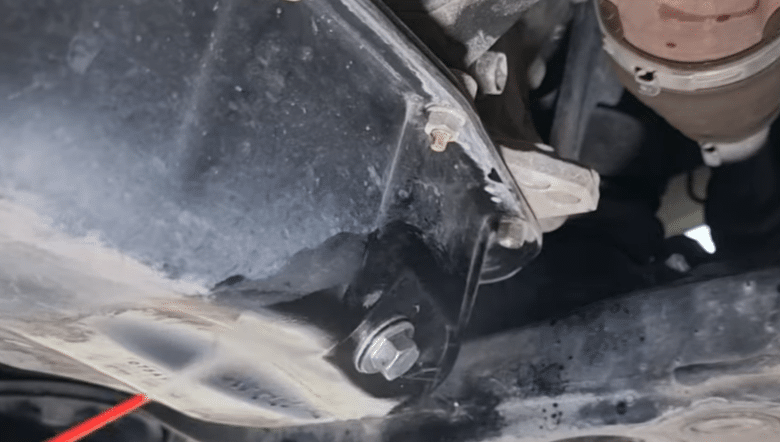
When changing engine oil, two main methods exist: draining and extracting. Extracting oil means removing it through the dipstick tube using special tools. This method avoids the need to remove the drain plug, making it cleaner and faster. Extraction methods use suction to pull out old oil from the engine’s oil pan. This process works well for many vehicles, especially those with hard-to-reach drain plugs or sensitive components.
Understanding how engine oil extraction works helps car owners decide the best option. The process involves specific tools that create a vacuum or suction force to pull the oil out. Extraction can reduce mess and save time, but it also requires the right equipment and technique to be effective.
Tools Used (vacuum Pumps, Extractors)
Engine oil extraction depends on tools that create suction. The most common tools include vacuum pumps and oil extractors. These devices pull oil through the dipstick tube or another access point without opening the drain plug. Here are the main tools used:
- Vacuum Pumps: Hand-operated or electric pumps that create suction.
- Oil Extractors: Usually portable machines with a motorized pump and a tube.
- Manual Extractors: Simple hand pumps operated by pumping action.
Vacuum pumps work by removing air inside a sealed container, causing oil to flow into it. Extractors connect a tube to the engine’s dipstick tube. The pump then sucks oil out and stores it in a canister. This method prevents spills and contamination.
| Tool Type | Power Source | Best For | Pros | Cons |
|---|---|---|---|---|
| Manual Vacuum Pump | Hand | Small cars, DIY | Cheap, easy to use | Slower, more effort |
| Electric Oil Extractor | Electricity | Frequent use, shops | Fast, efficient | More expensive |
| Pneumatic Extractor | Compressed air | Professional garages | Very fast, powerful | Needs air compressor |
Safety And Efficiency Considerations
Using oil extraction tools safely protects both the user and the engine. Safety is key because hot oil and moving parts can cause injury. Follow these tips for safe and efficient oil extraction:
- Wear gloves to protect from hot oil and chemicals.
- Ensure the engine is warm, not hot, for easier oil flow.
- Use eye protection to avoid splashes.
- Check that the extractor tube fits well to prevent leaks.
- Avoid forcing the tube into the dipstick tube to prevent damage.
Efficiency depends on using the right tool and technique. Extraction works best when the engine oil is warm, as warm oil flows faster. Extracting too soon or with a weak pump can leave old oil inside.
Extraction is cleaner than draining because it reduces spills. It also saves time by skipping the step of removing the drain plug. Efficiency and safety improve with regular maintenance and proper equipment care.
Choosing The Right Extraction Pump: Manual Vs. Pneumatic
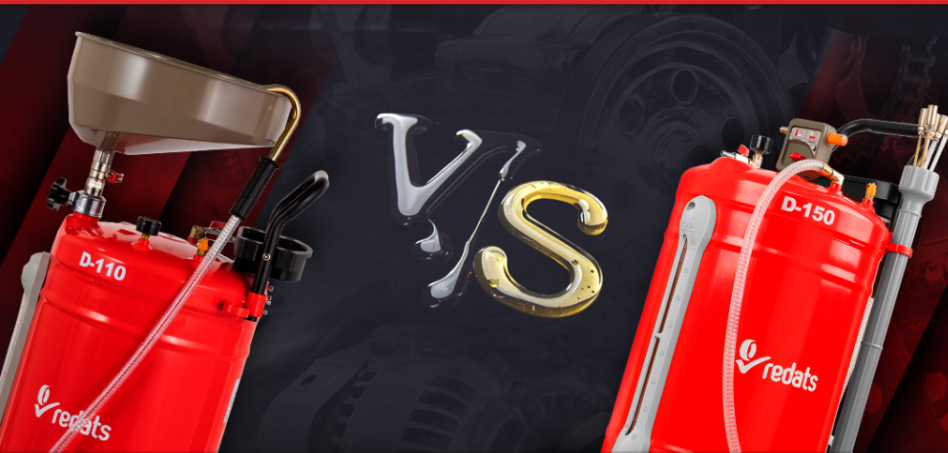
Choosing the right pump depends on needs and budget. Manual pumps use hand power and cost less. Pneumatic pumps use compressed air and work faster. Here is a comparison:
| Feature | Manual Pump | Pneumatic Pump |
|---|---|---|
| Power Source | Hand | Compressed air |
| Speed | Slow to moderate | Fast |
| Cost | Low | High |
| Ease of Use | Simple but tiring | Effortless |
| Best For | Home use, occasional | Professional shops, frequent use |
Manual pumps suit occasional DIY oil changes. Pneumatic pumps suit garages needing fast, efficient service. Both types need correct tube size and good maintenance to work well.
Draining Techniques: How Traditional Oil Draining Works
When deciding between extracting or draining oil, understanding traditional oil draining is key. Traditional oil draining remains the most common method for changing engine oil. It uses simple physics and basic tools to remove old oil. This section explains how traditional oil draining works and why many trust it. The process relies on gravity and manual steps to empty the oil from the engine efficiently.
Gravity Draining
Gravity draining uses the natural force of gravity to pull old oil out of the engine. The engine oil collects in the oil pan, a reservoir at the bottom of the engine. When the drain plug is removed, gravity causes the oil to flow downward into a container.
Key points about gravity draining:
- The engine must be warm, not hot, to make the oil flow smoothly.
- Gravity draining takes several minutes to empty most of the oil.
- It removes the majority of the old oil but may leave some residue.
Here is a simple table showing the steps in gravity draining:
| Step | Action |
|---|---|
| 1 | Warm up the engine for a few minutes |
| 2 | Locate and remove the drain plug |
| 3 | Let oil drain fully into a pan |
| 4 | Replace the drain plug securely |
Gravity draining is simple, cost-effective, and requires no special equipment. It suits most vehicles and is easy for beginners to learn.
Removing Drain Plug
The drain plug is the key to releasing old oil in traditional draining. It is a bolt located at the base of the oil pan. Removing the drain plug allows oil to flow out freely.
Important details about removing the drain plug:
- Use the correct wrench size to avoid stripping the plug.
- Turn the plug counterclockwise to loosen it.
- Have a container ready to catch the draining oil.
- Be careful—oil can be hot and may spill.
Steps to remove the drain plug safely:
- Park the car on a flat surface and engage the parking brake.
- Raise the vehicle if needed using a jack and secure it with stands.
- Locate the drain plug under the oil pan.
- Place an oil drain pan beneath the plug.
- Use a wrench to loosen and remove the drain plug carefully.
- Allow oil to drain completely before replacing the plug.
After draining, clean the drain plug and check its washer or gasket. Replace the washer if it is damaged to prevent leaks. Tighten the plug firmly but do not over-tighten.
Safety And Best Practices
Safety is crucial during oil draining. Hot oil and vehicle lifting pose risks. Follow best practices to protect yourself and the environment.
Safety tips for traditional oil draining:
- Wear gloves and safety glasses to protect skin and eyes.
- Work in a well-ventilated area away from flames or sparks.
- Use jack stands, never rely on a jack alone for lifting.
- Allow the engine to cool briefly to avoid burns.
- Dispose of used oil properly at recycling centers.
Keep these best practices in mind:
- Use a funnel when refilling oil to avoid spills.
- Inspect oil filters and replace them during the oil change.
- Double-check all bolts and plugs are secure before lowering the vehicle.
- Clean up any spilled oil immediately to prevent slips.
Following these guidelines ensures a safe, clean, and effective oil change. It also helps your engine run smoothly for longer.
The “Hybrid” Method: The Best of Both Worlds
Instead of choosing one, you use the extractor for speed and mess control and the drain plug for deep cleaning.
- Step 1: Extract First. Use a vacuum extractor to pull 90% of the oil out through the dipstick. This prevents the “tidal wave” of hot oil from splashing everywhere when you eventually pull the plug.
- Step 2: Drain the Remainder. Once the flow stops, lift the car and remove the drain plug. You will only have a few ounces left. This “final trickle” contains the heaviest contaminants, sludge, and metal shavings that gravity pulls to the bottom of the pan.
- Step 3: Inspect the Plug. With the plug removed, you can inspect the magnetic tip for any signs of internal engine wear (shavings) that an extractor hose would never catch.
The Verdict
- Efficiency: Combining them takes about 5–10 minutes longer than extraction alone.
- Cleanliness: It is 80% cleaner than a traditional gravity drain because there is no pressure behind the oil when the plug is removed.
- Engine Health: This is the safest possible method. It ensures a 100% fluid exchange and allows for a physical inspection of the oil pan’s “sediment layer.”
Engine Oil Extract Vs Drain — Pros & Cons
Choosing between extracting or draining engine oil can affect your car’s maintenance. Both methods remove old oil but work differently. Understanding their pros and cons helps in making the right choice.
Pros Of Engine Oil Extraction
- Less mess: No oil spills under the car.
- Faster process: No need to crawl under the vehicle.
- Convenient: Good for cars with hard-to-reach drain plugs.
- Minimal tools: Requires only an extraction pump.
Cons Of Engine Oil Extraction
- Incomplete oil removal: Some old oil may stay in the engine.
- Not suitable for all engines: Some dipsticks are hard to access.
- Requires special equipment: Extraction pumps can be costly.
Pros Of Engine Oil Draining
- Complete oil removal: Draining pulls out almost all old oil.
- Simple tools: Just a wrench needed to open the drain plug.
- Works for all cars: No matter the engine design.
- Easy to check drain plug condition: Can spot leaks or damage.
Cons Of Engine Oil Draining
- Messier process: Oil can spill during draining.
- Requires getting under the car: Can be hard without a lift or ramps.
- Drain plug issues: Risk of stripping or breaking the plug.
Comparison Table: Extraction Vs Draining
| Feature | Extraction | Draining |
|---|---|---|
| Oil Removal | Partial | Almost complete |
| Mess Level | Low | High |
| Tools Needed | Pump | Wrench |
| Time Required | Short | Longer |
| Accessibility | Easy, no crawl | Needs access under car |
Frequently Asked Questions
What Is The Difference Between Extracting And Draining Oil?
Extracting oil involves pulling it out using specialized equipment. Draining oil means allowing it to flow out naturally. Extraction is faster but costlier, while draining is simpler but slower. Both methods aim to remove oil efficiently but suit different situations.
Which Method Is Better For Engine Oil Changes?
Draining is better for engine oil changes. It removes old oil completely through the drain plug. Extraction can miss some sludge or residue. Draining is standard, reliable, and preferred for maintaining engine health.
Can Oil Extraction Cause Damage To Machinery?
Improper extraction can damage machinery seals or components. Using the right equipment and technique prevents harm. Draining is safer but slower. Extraction requires skill to avoid leaks and contamination, ensuring machine longevity.
How Long Does Oil Draining Take Compared To Extraction?
Oil draining usually takes 10 to 30 minutes depending on oil temperature. Extraction is quicker, often under 10 minutes. Draining relies on gravity, while extraction uses pumps, making it faster but sometimes less thorough.
Conclusion
Choosing between extracting or draining oil depends on your needs and tools. Extracting oil works well for quick, clean jobs. Draining oil suits full changes and thorough cleaning. Both methods have pros and cons to consider. Think about ease, time, and cost before deciding.
Doing the job right keeps engines running smoothly. Oil care is key to engine health. Pick the method that fits your situation best.