
Is Mobil 1 good oil? Yes, Mobil 1 is widely considered one of the best synthetic motor oils available. It provides excellent engine protection, improves performance in extreme temperatures, and helps reduce engine wear and sludge buildup. Many automakers recommend it for its reliability, long drain intervals, and ability to keep engines running smoothly.
Is Mobil 1 Good Oil?
If you are wondering, “Is Mobil 1 good oil?” the answer is a solid yes. It is widely regarded as one of the best full synthetic motor oils you can buy. It provides exceptional engine protection, handles extreme temperatures beautifully, and supports longer intervals between oil changes. From professional mechanics to weekend DIY enthusiasts, people trust it to minimize wear and keep engine internals spotlessly clean.
What Makes Mobil 1 Different From Regular Motor Oil?
When I switched to Mobil 1, I wasn’t just buying a brand; I was upgrading the chemical armor inside my engine. Unlike conventional oil, which is refined from crude petroleum, Mobil 1 is a full synthetic formula. It is engineered at the molecular level, which gives it a huge advantage. Because the molecules are uniform in size, they don’t break down nearly as fast as the irregular molecules found in standard mineral oils.
Full Synthetic Formula
- Engineered Base: The oil is created in a lab, not just pumped from the ground. This purity means it resists high-heat breakdown significantly better than conventional options.
- Cold Flow: On those brutal winter mornings when I’m scraping frost off the windshield, the oil flows instantly. Lab tests show that high-quality full synthetics can reach critical engine components up to 50% faster than conventional oils during a cold start.
Advanced Additive Package
- Anti-Wear: Mobil 1 uses a balanced mix of zinc and phosphorus additives that create a sacrificial barrier on metal surfaces.
- Detergents: These act like a scrub brush for your engine, lifting away sludge and deposits.
- Efficiency: Friction modifiers help reduce internal drag. In many engines, switching to a lighter viscosity synthetic like 0W-20 can provide a 1–3% improvement in fuel economy compared to using a thicker 5W-30 conventional oil.
Real-World Benefit Drivers Notice
I noticed the difference during a chaotic Friday evening commute. My engine felt smoother, and that annoying “ticking” noise that usually happens on cold starts vanished almost entirely. Because the oil stays stable, I’ve found I can confidently push my change intervals further. While some conventional oils start to shear—or thin out—by 3,000 miles, premium synthetics are designed to maintain their viscosity index, meaning they offer consistent protection long after the 5,000-mile mark.
Who Actually Makes Mobil 1 Oil?
ExxonMobil is the company behind Mobil 1. They launched it in 1974, making it one of the first widely available synthetic motor oils on the market. Over the decades, it has earned its spot as the factory-fill choice for high-performance brands like Porsche, Chevrolet, and Mercedes-Benz. This level of original equipment manufacturer (OEM) trust gives me peace of mind whenever I’m pouring a new jug into my own engine.
My Weekend Oil Change Experience With Mobil 1
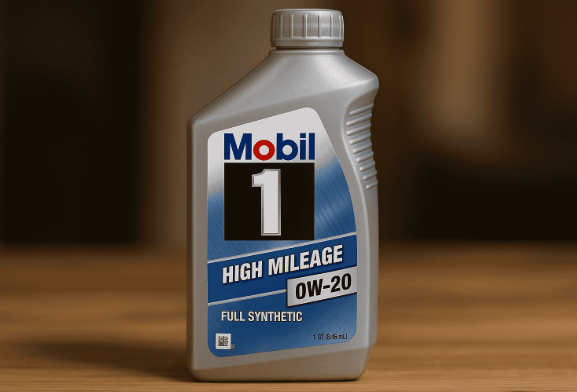
Last Saturday morning, the garage was quiet, and my coffee was still steaming on the workbench. It was the perfect time to give my daily driver some much-needed love. I drained the old, dark oil and swapped in fresh Mobil 1. Honestly, it feels like a small maintenance ritual—a little spa day for my engine. As soon as I turned the key, I could hear and feel the difference.
First Things You Notice After Switching
- Easier Starts: On cold mornings, the engine doesn’t struggle. It turns over instantly, which is a relief when you are in a rush.
- Smoother Idle: The vibration at stoplights has faded. The car just sits there quietly, running steady and smooth.
- Quiet Operation: That rhythmic “ticking” noise that used to bug me is almost completely gone.
Long-Term Observations
- Oil Clarity: During my mid-interval checks, the oil on the dipstick still looks clean and golden. It’s not turning into that thick, dark sludge that conventional oils often become.
- Better Efficiency: I’ve noticed a slight bump in my fuel economy. Studies show that using the right synthetic, such as switching from a 5W-30 to a 0W-20, can improve fuel efficiency by about 1% to 3%. It’s a small gain, but it definitely adds up over a long road trip or a year of commuting.
Mobil 1 Extended Performance 0W-20 Review — Real Engine Tests, Oil Life | Worth It?
Mobil 1 Performance in Extreme Temperatures
Mobil 1 truly shines when temperatures reach extremes. During freezing winters, its synthetic structure remains fluid, ensuring the oil reaches critical engine parts almost instantly. Conversely, on scorching summer road trips, it resists breaking down under intense heat. This thermal stability is exactly why performance enthusiasts and drivers in harsh climates rely on Mobil 1 to keep their engines running safely regardless of the weather outside.
Cold Weather Benefits
There is nothing quite like the sound of an engine struggling to turn over on a sub-zero January morning. Before I switched to synthetic, my car would groan during those first few seconds. With Mobil 1, the startup is noticeably quieter and faster. Because synthetic oil doesn’t thicken like conventional oil, it provides immediate lubrication. In fact, standard conventional oils can take significantly longer to reach the cylinder head at -20°C, leading to increased metal-on-metal wear during those vital first moments.
High Heat Protection
Summer heat is the silent enemy of your engine. On a long drive through the desert last August, my temperature gauge stayed rock solid. Mobil 1 is engineered to handle these high-load environments without oxidizing or thinning out. While some conventional oils are twice as likely to “shear out of grade”—losing their protective thickness—under heavy heat and high stress, premium synthetics maintain their viscosity index. That stability gives me the confidence to push the car a little harder, knowing the oil won’t fail when the pavement starts shimmering in the heat.
Mobil 1 vs Other Synthetic Oils
When comparing Mobil 1 vs other synthetic oils, it is clear that many brands perform at a high level. Competitors like Castrol, Valvoline, and Pennzoil all meet rigorous industry standards for engine protection. However, Mobil 1 frequently stands out due to its long history in motorsports and its massive range of specialized formulas. Ultimately, the right choice often comes down to personal brand loyalty, specific price points, or what happens to be on sale at your local auto shop.
Mobil 1 Advantages
- Proven Heritage: I’ve always felt that Mobil 1’s deep roots in racing provide extra peace of mind. When a product is tested on a track, it’s going to handle my daily grocery runs with ease.
- Global Availability: It is everywhere. Whether I am on a holiday trip in a different state or just hitting a local shop on a Sunday, I know I can find a bottle that fits my engine’s needs.
- OEM Trust: Many high-performance automakers choose it as their factory fill, which suggests the chemistry is top-tier.
Where Competitors May Win
- Pricing and Deals: Sometimes, I walk into the store and see a great bundle deal on Valvoline or Pennzoil that saves me fifteen dollars. For many drivers, that savings is the deciding factor.
- Specialty Needs: Some competitors offer niche additives that cater to specific engine architectures or older vehicles prone to seal leaks. For example, some specialized high-mileage oils have been formulated to address specific seal conditioners that vary by brand.
- Market Promotions: Occasionally, a competitor will run a rebate program that makes a premium product very budget-friendly.
It’s worth noting that while some cheaper oils might show slightly higher volatility in lab tests, most major synthetic brands are excellent. Some independent tests have shown that certain “value” synthetic brands can have a volatility rate 10–15% higher than top-tier synthetics, which means they might burn off just a bit faster during extreme heat. If you are a casual driver, you might not notice, but for a high-performance engine, those small technical margins do add up over the long haul.
Types of Mobil 1 Oil and What They’re Best For
Mobil 1 is not just one oil; it is a full lineup tailored to specific driving needs. Some formulas focus on protecting high-mileage engines, while others maximize performance or extended oil-change intervals. Choosing the right one is just as vital as picking the brand itself. You have to match the chemistry to your vehicle’s unique requirements to get the best results.
Popular Mobil 1 Formulas
When I am browsing the oil aisle on a busy Saturday, the variety can feel overwhelming. Here is how I break it down:
- Mobil 1 Extended Performance: This is my go-to for my daily commuter. It is designed to withstand the stress of long intervals, often up to 15,000 miles or one year.
- Mobil 1 High Mileage: I used this in my old truck once it passed 75,000 miles. It contains extra seal conditioners to help prevent those pesky oil leaks that seem to pop up as engines age.
- Mobil 1 Advanced Fuel Economy: If you want to squeeze out every drop of efficiency, this is the one. These low-viscosity oils reduce engine drag. Using a 0W-20 instead of a 5W-30 can sometimes provide a 1–3% boost in fuel economy, which adds up on long road trips.
- Mobil 1 ESP (Emission System Protection): This is for newer, high-tech engines. It is designed specifically to protect sensitive emissions systems and diesel particulate filters.
How to Choose the Right One
Choosing the right oil shouldn’t feel like a guessing game. I always start with the owner’s manual.
- Check the Viscosity: Never ignore the manufacturer’s requirements. If your car calls for 5W-20, using a 10W-40 can negatively impact your fuel economy and cold-start protection.
- Consider Engine Age: If you are north of 75,000 miles, that high-mileage formula is definitely worth the extra few dollars for the added seal protection.
- Match Your Environment: If you live in a place where the temperature regularly drops below freezing, a 0W-XX oil provides much faster flow during startup than a 10W-XX oil. It’s a simple change that makes a huge difference in long-term engine health.
How Often Should You Change Mobil 1 Oil?
Most Mobil 1 formulas are designed to last between 7,500 and 15,000 miles, depending on the specific product and your driving habits. That said, always prioritize your vehicle manufacturer’s recommended service intervals first. If your daily routine involves short trips, heavy towing, or sitting in constant stop-and-go traffic, playing it safe and changing your oil sooner is almost always the smarter, more protective move for your engine.
Factors That Affect Oil Change Frequency
I used to be a “every 3,000 miles” guy, but modern synthetics have changed how I look at maintenance. Here is what actually dictates when you should swap it out:
- Driving Environment: If you live in a city like mine where traffic feels like a permanent parking lot, your engine works harder and runs hotter. Frequent idling can cause oil to oxidize faster.
- Engine Age: Older engines often have more “blow-by,” which introduces more fuel and moisture into the oil. This contaminants the oil faster, requiring more frequent changes than a brand-new engine.
- Oil Filter Quality: You cannot run high-mileage oil for 15,000 miles if your filter clogs at 5,000. Always pair a premium synthetic with a high-efficiency filter.
- Climate Conditions: Extreme heat breaks down oil additives, while extreme cold creates condensation. If you deal with either, keep a closer eye on your oil life.
Signs It’s Time for an Oil Change
Even if the manual says you have time left, your engine will often give you clues that it needs fresh fluid:
- Dark or Gritty Texture: I make it a habit to check the dipstick on a quiet Sunday morning. If the oil looks like thick mud or feels gritty between my fingers, it is past its prime.
- Engine Noise: If your engine starts sounding “tappier” or louder than usual, it’s a sign the oil has sheared and lost its protective film strength. Some studies show that oils that have sheared out of grade can lose up to 20% of their film thickness, which drastically increases metal-on-metal contact.
- The Warning Light: Modern sensors are pretty smart. If your dashboard oil light flickers, do not ignore it—your engine is literally begging for a change.
Pros and Cons of Mobil 1 Oil
Mobil 1 is a premium product, but it isn’t necessarily the perfect fit for every single driver. While the performance benefits—like superior engine protection and thermal stability—are clear, the higher price tag can make budget-conscious drivers pause. Weighing these trade-offs is essential. You need to decide if the extra investment provides enough real-world value for your specific vehicle and driving lifestyle.
Pros
- Top-Tier Wear Protection: The chemical engineering here is impressive. It creates a robust film that protects metal surfaces even under heavy stress.
- Extreme Heat Stability: I’ve found it resists oxidation better than many others. While some conventional oils are twice as likely to “shear out of grade” and thin out in high heat, Mobil 1 stays consistent.
- Extended Service Life: Because it doesn’t break down as quickly, I can comfortably push my oil changes further.
- Manufacturer Backing: Knowing that big-name automakers use it as their factory fill gives me a lot of confidence in the bottle.
Cons
- Higher Upfront Cost: Let’s be honest—it hits the wallet harder than conventional oils. On a tight budget, the price difference can feel significant.
- Potential Overkill: If you drive an older vehicle with simple engine specs and short service intervals, you might not see the full return on investment that a high-performance engine would.
- Counterfeit Concerns: Because it is such a popular, trusted brand, cheap knock-offs unfortunately exist in some online markets. I always make sure to buy from reputable auto parts stores to ensure I am getting the real deal.
I remember once trying a “bargain” oil to save a few dollars before a holiday road trip. By the time I returned, the oil had darkened significantly more than I was used to with Mobil 1. That taught me that while the “con” of the higher price is real, the “pro” of peace of mind is usually worth the extra cost.
When Mobil 1 Might Not Be the Best Choice
Mobil 1 is premium oil, but it isn’t always the right tool for the job. If you drive a very old vehicle designed strictly for conventional oil, you may not see enough performance gains to justify the cost. Similarly, if your maintenance style involves changing your oil extremely frequently, you might be paying for synthetic longevity that your engine never actually gets the chance to use.
Situations Where Another Oil Might Work Better
I’ve learned the hard way that “more expensive” doesn’t always mean “better” for every specific engine. Here is when I look for alternatives:
- Older Engines with Oil Leaks: I once owned a classic car that had minor seal leaks. Because synthetic oils have smaller, more uniform molecules, they can sometimes seep through aged seals faster than thicker conventional mineral oils. In that case, switching back to a standard oil or a high-mileage blend with seal conditioners was the practical fix.
- Strict Budget Maintenance: If you are squeezing your budget and need to keep your car running for just a few more months, there is no shame in using a quality conventional or synthetic-blend oil.
- Frequent Change Cycles: If you are the type of person who insists on changing your oil every 2,500 miles, you are essentially wasting the advanced additives that make Mobil 1 last up to 15,000 miles. At that point, you’re paying for a lifespan you aren’t utilizing.
Final Thoughts: Is Mobil 1 Worth It?
For the vast majority of modern vehicles, Mobil 1 delivers the reliable protection, engine cleanliness, and long-lasting performance you want. Whether I am commuting through heavy city traffic on a weekday or heading out on a long, hot summer road trip, it is a safe and proven choice. As long as you pick the correct viscosity and stick to the manufacturer’s guidelines, it remains a gold standard.
Ultimately, choosing an oil is about matching the product to your engine’s needs and your personal driving habits. If you value peace of mind and want to keep your engine running efficiently for the long haul, Mobil 1 is an easy recommendation. It’s a simple, effective way to treat your car right and avoid unnecessary headaches down the road.
Frequently Asked Questions
Is Mobil 1 good oil for most cars?
Yes, Mobil 1 is considered a high-quality synthetic motor oil suitable for most modern vehicles. It provides excellent engine protection, helps reduce wear, and performs well in both hot and cold temperatures. Many automakers recommend it because it meets or exceeds major industry standards for engine performance and durability.
Why do mechanics recommend Mobil 1?
Many mechanics recommend Mobil 1 because it’s a full synthetic oil with strong additives that prevent sludge, reduce engine wear, and handle extreme temperatures. It’s produced by ExxonMobil, a company known for strict quality control and extensive engine testing.
Is Mobil 1 better than conventional oil?
Yes, Mobil 1 generally performs better than conventional motor oil. Synthetic oils like Mobil 1 resist breakdown at high temperatures, flow faster during cold starts, and provide longer oil-change intervals. This means better long-term engine protection and potentially improved fuel efficiency.
How long does Mobil 1 oil last?
Most Mobil 1 formulas can last 7,500 to 15,000 miles, depending on the product and driving conditions. For example, Mobil 1 Extended Performance is designed for longer intervals. However, drivers should always follow the oil change recommendation in their vehicle’s owner manual.
Does Mobil 1 improve engine life?
Yes, Mobil 1 can help extend engine life because it reduces friction and protects critical engine components from wear. Its synthetic formulation also helps keep engines cleaner by preventing sludge buildup and deposits that can damage engine parts over time.
Is Mobil 1 good for high-mileage engines?
Yes, Mobil 1 offers special formulas like Mobil 1 High Mileage designed for engines with over 75,000 miles. These oils contain seal conditioners and additives that help reduce leaks, minimize oil burn-off, and protect older engine components.
Is Mobil 1 used by car manufacturers?
Yes, several automakers use Mobil 1 as factory-fill oil in performance vehicles. Brands like Porsche, Chevrolet, and Mercedes-Benz have partnered with Mobil 1 because of its proven engine protection and performance.
Is Mobil 1 worth the higher price?
For many drivers, Mobil 1 is worth the cost because it offers better engine protection, longer oil-change intervals, and improved performance compared to conventional oils. While it costs more upfront, the durability and reduced engine wear can save money on maintenance over time.