
Yes, oil life at 50% is generally OK and means about half of the oil’s usable life remains before a change is needed. Most vehicle oil life monitoring systems calculate this based on driving habits, temperature, and engine load rather than just mileage. While 50% indicates the oil is still protecting the engine properly, you should continue monitoring it and plan for a change as it approaches 15–20% or according to your manufacturer’s maintenance schedule.
What to Do While You Wait for 0%
Even though 50% oil life is okay, it’s the perfect time to check your oil levels manually. Oil life monitors track quality, not quantity. If your levels are slightly low, keeping a “top-off” quart in your trunk prevents engine wear between changes.
I recommend the Mobil 1 Extended Performance Full Synthetic. It is widely considered the best oil for high-mileage protection because it’s designed to go up to 20,000 miles, meaning that “50%” mark on your dash actually represents a much higher level of protection than cheaper conventional oils.
Is Oil Life 50% OK? (What It Really Means for Your Engine)
It’s a random Tuesday morning. I’m sipping a lukewarm coffee, humming to the radio, and heading to work. Then I glance at my dash. There it is: Oil Life 50%.
My heart usually skips a beat when I see a countdown on my car. Is my engine half-dead? Is it begging for a fresh quart of motor oil? I’ve been there, staring at that little digital number and wondering if I should cancel my weekend plans.
The short answer? You’re fine. But after years of tinkering under hoods, I’ve learned that 50% isn’t just a simple math problem.
What Does “Oil Life 50%” Actually Mean?
In short: It means your oil is halfway through its predicted ability to protect your engine, but it is still working perfectly fine. It is a calculated estimate of oil degradation, not a measure of how much oil is actually left in your pan.
Oil Life Monitoring System Explained
When I first saw this “Life %” on my car, I thought there was a tiny chemistry set in my internal combustion engine testing the oil. It’s actually much cooler—and a bit simpler—than that.
Most modern cars use an Engine Oil Life Monitoring System (OLMS). This is a smart bit of software inside your ECU (Engine Control Unit). Instead of a sensor “tasting” the oil, it tracks how you drive. It watches things like:
- Engine temperature: Does the car get warm enough to burn off moisture?
- RPM patterns: Are you racing from stoplights or cruising smoothly?
- Cold starts: These are tough on an engine, especially on freezing winter mornings.
- Idle time: Sitting in school pickup lines actually wears oil down faster.
It’s important to remember that this is not an oil level sensor. I’ve seen friends ignore a “Low Oil” light because their “Oil Life” said 80%. That is a dangerous mistake! One tracks quality (the life %); the other tracks quantity (the dipstick).
Is 50% Oil Life Halfway to an Oil Change?
Mathematically, yes. Practically? Not always. I used to think if I drove 3,000 miles to hit 50%, I had exactly 3,000 miles left. But life—and traffic—happens.
- The Highway Cruiser: If I spend my month driving flat stretches of road in mild weather, that 50% might last me another three months.
- The Desert Commuter: If I’m stuck in stop-and-go traffic in a Phoenix heatwave, that remaining 50% will drop like a rock. Synthetic oil holds up better here, but conventional oil starts to break down much faster under that kind of stress.
Think of it like a phone battery. The first 50% lasts ages while you’re just texting, but the last 50% vanishes the moment you start streaming video. Your oil life works the same way depending on how hard you push your car.
Is Oil Life 50% OK to Keep Driving?
Yes, you can absolutely keep driving at 50% oil life because your engine is still well-protected. However, the “context” of your driving matters more than the number on the dash. I’ve learned that engines don’t all age at the same rate.
When 50% Is Completely Fine
In most cases, seeing that 50% mark just means you are halfway through a job well done. I felt totally safe last spring when I hit this mark. I was doing a lot of highway driving in mild weather. My car felt great, and the motor oil was clearly doing its job.
You are likely in the “green zone” if:
- You mostly drive on highways at steady speeds.
- You use high-quality synthetic oil.
- The weather is mild—neither a heatwave nor a deep freeze.
- Your acceleration feels smooth, and you don’t smell anything burnt.
- There is no “ticking” sound when you start the car on a chilly morning.
When You Might Want to Change It Sooner
Sometimes, 50% feels more like 10% to me. I remember a summer where I spent weeks idling in stop-and-go traffic. The heat was brutal. Even though my dash said 50%, I knew the oil was working overtime.
You should consider an early change if:
- Frequent Short Trips: If you only drive two miles to the store, the oil never gets hot enough to evaporate moisture.
- Towing or Hauling: Carrying heavy loads puts massive stress on your internal combustion engine.
- Turbocharged Engines: These run much hotter and can cook oil faster.
- Extreme Conditions: A delivery driver in a crowded city or someone living in the frozen north will see oil degradation much sooner than a casual cruiser.
How Long Can You Drive at 50% Oil Life?
You can typically drive several thousand miles more, but the exact distance depends on your car’s total service interval. If your car calls for a change every 8,000 miles, you technically have 4,000 miles left.
Estimated Mileage Remaining
I usually do a quick bit of “napkin math” to keep my mind at ease. It varies by what the manufacturer suggests in your manual:
- Conventional Oil: Usually lasts 5,000 miles. At 50%, you have about 2,500 miles left.
- Synthetic Oil: Often lasts 10,000 miles. At 50%, you likely have 5,000 miles left.
Keep in mind this is just a guide. If your driving habits change—like starting a new job with a longer commute—that percentage might start to drop faster than you expect.
Should You Road Trip at 50%?
I get asked this every time a holiday weekend rolls around.
- The Weekend Trip: If you are visiting family three hours away, don’t sweat it. Enjoy the drive.
- The Cross-Country Move: If you are driving 2,500 miles across the country, I’d change it now.
Changing it before a long trip gives me huge peace of mind. I’d much rather spend $60 now than worry about my engine while I’m in the middle of nowhere. It’s a small price to pay for a stress-free vacation.
0W20 vs 0W30 – Fuel Economy, Protection & Performance Compared
What Happens If You Ignore Oil Life Warnings?
If you ignore your oil life warnings, your engine oil will eventually turn into a thick, tar-like sludge that can cause total engine failure. I’ve seen this happen firsthand, and trust me, it turns a cheap maintenance task into a multi-thousand-dollar nightmare. This is where things get very expensive—and very noisy.
How Engine Oil Protects Your Engine
I used to think of oil as just a slippery liquid. But it’s actually the “blood” of your car. It does so much more than just lubricate. When I’m driving my car on a hot Saturday afternoon, my oil is working hard to:
- Lubricate: It creates a thin film between metal parts so they don’t grind together.
- Cool: It carries heat away from the hottest parts of the combustion chamber.
- Clean: It picks up dirt and tiny metal bits, trapping them in the filter.
- Prevent Sludge: Good oil keeps contaminants from clumping together.
Shutterstock
Explore
Risks of Driving with Very Low Oil Life
When that oil life hits 0% and stays there, you are playing a risky game. I remember a friend who pushed his car way too far. Eventually, he started hearing a light metallic ticking sound at red lights. That was the sound of metal hitting metal.
If you wait too long, you face:
- Oil Oxidation: The oil reacts with heat and oxygen, becoming thick and useless.
- Increased Friction: Your engine has to work harder, which kills your gas mileage.
- Engine Wear: Parts like the camshaft start to wear down permanently.
- Sludge Formation: The oil turns into “gunk” that blocks oil passages.
- Overheating: If the oil can’t move heat, your engine might melt or seize up.
If you smell something burning after you shut off the engine, that’s a huge red flag. Your oil is likely cooked.
Oil Life vs Oil Level – Don’t Confuse Them
The biggest mistake you can make is thinking that 100% oil life means your oil tank is full. These are two totally different things, and confusing them is a recipe for a broken car.
Oil Life Percentage
This is an estimate. Your car’s computer uses an algorithm to guess how much “strength” is left in your oil based on your driving. It doesn’t actually “look” at the oil. It’s like a countdown timer based on your habits.
Oil Level (Dipstick Check)
This measures the actual physical amount of oil in your engine. Even if your oil life says 90%, you could have a leak and be dangerously low on fluid. I make it a habit to check my dipstick every time I fill up my gas tank on a Sunday morning.
How to check it properly:
- Park on level ground so the oil doesn’t tilt.
- Turn off the engine and wait 5–10 minutes for the oil to settle.
- Pull the dipstick out, wipe it clean, reinsert it, and pull it out again.
- Look at the marks. If it’s below the “low” line, add oil immediately.
Why oil level is more urgent: You can drive a few miles with 0% oil life, but you cannot drive even a few blocks with zero oil level. If your oil pressure light comes on or you hear a heavy knocking sound, stop the car immediately. That is your engine’s way of screaming for help.
Does Oil Type Change What 50% Means?
Yes, the type of oil in your engine completely changes how much you can trust that 50% reading. While the computer treats every drop the same, I’ve found that high-quality oils handle the “mid-life crisis” of an engine much better than cheap ones. Not all oils age gracefully!
Synthetic vs Conventional Oil
When I switched my old sedan to synthetic oil, the difference was like night and day. Synthetic blends are engineered in a lab to be tough. They have better thermal stability, which is a fancy way of saying they don’t turn into black goo when things get hot on a long summer road trip.
Here is the breakdown from my own garage:
- Synthetic Oil: This is the marathon runner. Even at 50%, it stays clean and keeps your engine performance snappy. It breaks down much slower.
- Conventional Oil: Think of this as the sprinter. It works great at first, but it faces oil degradation much faster. By the time it hits 50%, it might already be losing its ability to fight off heat.
High-Mileage Oil Considerations
Once my odometer clicked past 75,000 miles, I had to change my strategy. Older engines have wider gaps between parts, and they tend to “drink” a little more oil.
I started using high-mileage oils because they have seal conditioners. These help stop tiny leaks before they start. If you have an older car at 50% life, keep a close eye on your levels. Older tolerances mean your engine is a bit more sensitive to friction than a brand-new one.
Should You Reset the Oil Life at 50%?
No, you should never reset your oil life monitor at 50% unless you have actually changed the oil. It might be tempting to make that annoying light go away, but you are essentially lying to your car’s brain. It’s a shortcut that usually leads to a dead end.
When It’s Okay to Reset
The only time I touch that reset button is right after I’ve finished a fresh oil change. If you just took your car to the shop for verified maintenance, go ahead and clear it. This gives your ECU (Engine Control Unit) a clean slate to start tracking your next few thousand miles.
Why You Shouldn’t Reset Without Changing Oil
I once knew a guy who reset his light just to pass a quick inspection before a holiday trip. It was a huge mistake.
- Tracking Fail: You will completely lose track of when you actually need service.
- Engine Wear: You are running “tired” oil while the car thinks it’s fresh. This leads to friction and heat.
- Warranty Risks: If your engine fails and the dealer sees you’ve been messing with the trackers, they might not cover the repairs.
It is always better to face the truth of that 50% than to hide it. Your engine will thank you with a much longer life!Gemini said
Manufacturer Recommendations Matter
The best guide for your car is the owner’s manual because it was written specifically for your engine’s design. I used to treat that thick book in the glovebox like a paperweight. Then, I realized it holds the secret to why my 50% oil life feels different than my neighbor’s.
Why Different Brands Have Different Intervals
I’ve owned a few different cars over the years, and they never agree on a schedule. One wanted a change every 5,000 miles, while my current one is happy at 10,000.
This happens because of:
- Engine Engineering: Some engines run hotter or have tighter parts.
- Turbo vs. Naturally Aspirated: My old turbo car cooked oil fast. It needed fresh fluid way sooner.
- Oil Capacity: A car that holds eight quarts of oil stays cleaner longer than one that only holds four.
- Driving Conditions: The manual often lists a “Severe” schedule. If you live in a dusty area or a frozen tundra, your 50% mark comes much faster.
Following the Maintenance Schedule
Sticking to the plan is about more than just a clean engine. It’s about protection. When I bought my last car, I made sure to keep every receipt.
Following the schedule helps with:
- Warranty Protection: If your engine fails and you haven’t followed the manual, the dealer might not pay for it.
- Resale Value: People pay more for a car with a perfect service history.
- Reliability: You avoid that “Severe” wear that happens when you skip a service window.
Real-World Mechanic Perspective
From a mechanic’s view, 50% oil life is the perfect time to start planning, but it isn’t a crisis. I’ve spent many weekends in the shop helping friends, and the things you see under a valve cover tell the real story.
What Experienced Mechanics See
When we pull a drain plug, the oil tells a tale. In well-maintained cars, the oil is dark but smooth. In neglected ones, we see “sludge.” It looks like thick, black pudding. It smells sour and burnt.
I rarely see any engine damage on a car that stays above 15% oil life. The trouble starts when people see 50% and think, “I’ll just wait another six months.”
Practical Advice from the Shop Floor
If you want to keep your car forever, take a deep breath.
- Don’t Panic: At 50%, your engine is still happy.
- Plan Ahead: Look at your calendar. Do you have a long trip next month? That’s when you should book the appointment.
- The 15% Rule: I never let my car get below 10 or 15%. It gives me a safety net.
- Listen to the Engine: Your car talks to you. A smooth hum is good. A metallic “tap-tap-tap” means you need to check that dipstick right now.
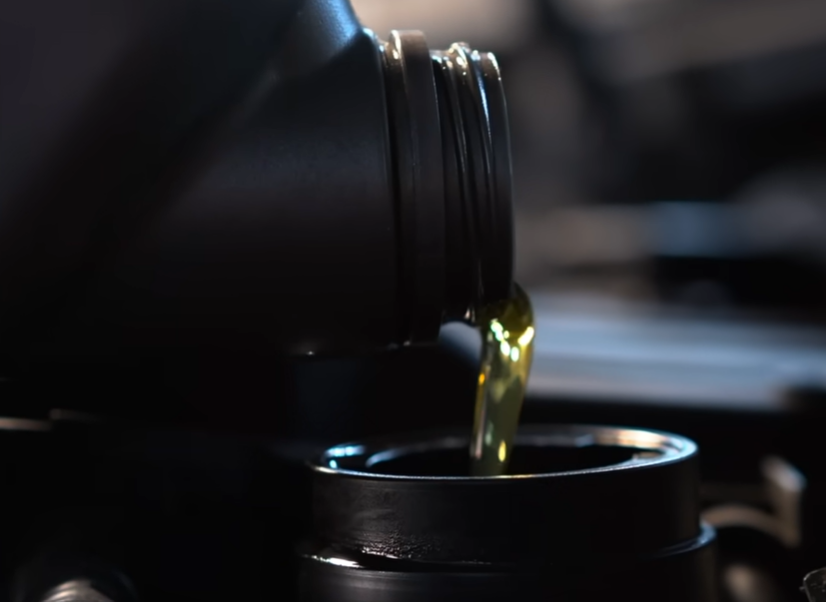
Watching amber-colored, fresh oil pour into a clean engine is a great feeling. It’s the easiest way to make sure your car stays on the road for years.
H2: FreqGemini said
Manufacturer Recommendations Matter
The best guide for your car is the owner’s manual because it was written specifically for your engine’s design. I used to treat that thick book in the glovebox like a paperweight. Then, I realized it holds the secret to why my 50% oil life feels different than my neighbor’s.
Why Different Brands Have Different Intervals
I’ve owned a few different cars over the years, and they never agree on a schedule. One wanted a change every 5,000 miles, while my current one is happy at 10,000.
This happens because of:
- Engine Engineering: Some engines run hotter or have tighter parts.
- Turbo vs. Naturally Aspirated: My old turbo car cooked oil fast. It needed fresh fluid way sooner.
- Oil Capacity: A car that holds eight quarts of oil stays cleaner longer than one that only holds four.
- Driving Conditions: The manual often lists a “Severe” schedule. If you live in a dusty area or a frozen tundra, your 50% mark comes much faster.
Following the Maintenance Schedule
Sticking to the plan is about more than just a clean engine. It’s about protection. When I bought my last car, I made sure to keep every receipt.
Following the schedule helps with:
- Warranty Protection: If your engine fails and you haven’t followed the manual, the dealer might not pay for it.
- Resale Value: People pay more for a car with a perfect service history.
- Reliability: You avoid that “Severe” wear that happens when you skip a service window.
Real-World Mechanic Perspective
From a mechanic’s view, 50% oil life is the perfect time to start planning, but it isn’t a crisis. I’ve spent many weekends in the shop helping friends, and the things you see under a valve cover tell the real story.
What Experienced Mechanics See
When we pull a drain plug, the oil tells a tale. In well-maintained cars, the oil is dark but smooth. In neglected ones, we see “sludge.” It looks like thick, black pudding. It smells sour and burnt.
I rarely see any engine damage on a car that stays above 15% oil life. The trouble starts when people see 50% and think, “I’ll just wait another six months.”
Practical Advice from the Shop Floor
If you want to keep your car forever, take a deep breath.
- Don’t Panic: At 50%, your engine is still happy.
- Plan Ahead: Look at your calendar. Do you have a long trip next month? That’s when you should book the appointment.
- The 15% Rule: I never let my car get below 10 or 15%. It gives me a safety net.
- Listen to the Engine: Your car talks to you. A smooth hum is good. A metallic “tap-tap-tap” means you need to check that dipstick right now.
Watching amber-colored, fresh oil pour into a clean engine is a great feeling. It’s the easiest way to make sure your car stays on the road for years.Gemini said
Manufacturer Recommendations Matter
The best guide for your car is the owner’s manual because it was written specifically for your engine’s design. I used to treat that thick book in the glovebox like a paperweight. Then, I realized it holds the secret to why my 50% oil life feels different than my neighbor’s.
Why Different Brands Have Different Intervals
I’ve owned a few different cars over the years, and they never agree on a schedule. One wanted a change every 5,000 miles, while my current one is happy at 10,000.
This happens because of:
- Engine Engineering: Some engines run hotter or have tighter parts.
- Turbo vs. Naturally Aspirated: My old turbo car cooked oil fast. It needed fresh fluid way sooner.
- Oil Capacity: A car that holds eight quarts of oil stays cleaner longer than one that only holds four.
- Driving Conditions: The manual often lists a “Severe” schedule. If you live in a dusty area or a frozen tundra, your 50% mark comes much faster.
Following the Maintenance Schedule
Sticking to the plan is about more than just a clean engine. It’s about protection. When I bought my last car, I made sure to keep every receipt.
Following the schedule helps with:
- Warranty Protection: If your engine fails and you haven’t followed the manual, the dealer might not pay for it.
- Resale Value: People pay more for a car with a perfect service history.
- Reliability: You avoid that “Severe” wear that happens when you skip a service window.
Real-World Mechanic Perspective
From a mechanic’s view, 50% oil life is the perfect time to start planning, but it isn’t a crisis. I’ve spent many weekends in the shop helping friends, and the things you see under a valve cover tell the real story.
What Experienced Mechanics See
When we pull a drain plug, the oil tells a tale. In well-maintained cars, the oil is dark but smooth. In neglected ones, we see “sludge.” It looks like thick, black pudding. It smells sour and burnt.
I rarely see any engine damage on a car that stays above 15% oil life. The trouble starts when people see 50% and think, “I’ll just wait another six months.”
Practical Advice from the Shop Floor
If you want to keep your car forever, take a deep breath.
- Don’t Panic: At 50%, your engine is still happy.
- Plan Ahead: Look at your calendar. Do you have a long trip next month? That’s when you should book the appointment.
- The 15% Rule: I never let my car get below 10 or 15%. It gives me a safety net.
- Listen to the Engine: Your car talks to you. A smooth hum is good. A metallic “tap-tap-tap” means you need to check that dipstick right now.
Watching amber-colored, fresh oil pour into a clean engine is a great feeling. It’s the easiest way to make sure your car stays on the road for years.uently Asked Questions
Quick intro:
These are the quick, straight-to-the-point answers most drivers want.
H3: Is 50% oil life safe to drive on?
Yes. It means about half of your oil’s usable life remains. No immediate action needed.
H3: How many miles can I drive at 50% oil life?
It depends on your vehicle and driving habits. In most cases, you likely have several thousand miles left.
H3: Should I change my oil at 50%?
Not necessary. Plan your change closer to 15–20% unless you have a long trip coming up.
H3: Can I drive long distance at 50% oil life?
Yes. A normal road trip is usually fine if your oil level is full and there are no warning lights.
H3: What happens at 0% oil life?
The system believes the oil has reached the end of its service life. Change it soon to avoid engine wear.
H3: Does synthetic oil make a difference?
Yes. Synthetic oil typically lasts longer and handles heat better than conventional oil.
H3: Is oil life the same as oil level?
No. Oil life measures oil condition. Oil level measures how much oil is in the engine.
H3: Why is my oil life dropping fast?
Frequent short trips, heavy traffic, extreme temperatures, or towing can reduce oil life faster.
H3: Can I reset the oil life without changing oil?
You can — but you shouldn’t. It can lead to overdue maintenance and engine damage.