
Overview:
Is Shell Rotella T4 good for engine break‑in? Yes, Shell Rotella T4 is a popular and generally effective choice for engine break-in, but Rotella T4 (the 15W-40 conventional diesel oil) has a long-standing reputation because of its high levels of ZDDP (Zinc/Phosphorus), which are essential for protecting metal-to-metal contact during the first few critical minutes of run-time. It is suitable for the critical first miles of a new or rebuilt engine. While T4 provides robust protection for diesel and high‑stress applications, break‑in typically benefits from oils with controlled wear‑in properties and moderate additives that encourage proper mating of engine surfaces.
Recommended Solution: For maximum safety, use a dedicated low-detergent oil like Driven BR30 or Lucas Break-In Oil.
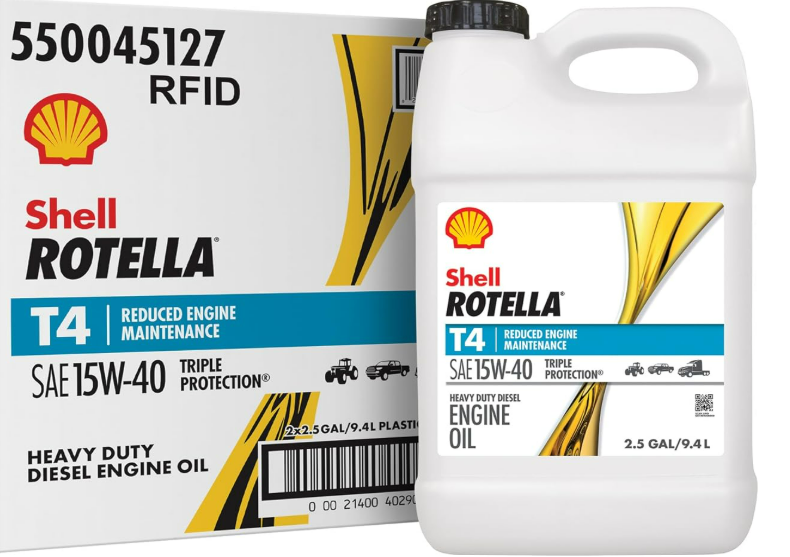
Shell Rotella T4 Features
Choosing the right oil during an engine break-in period is crucial for engine life and performance. Shell Rotella T4 is often discussed for this purpose. Understanding Shell Rotella T4 features helps decide if it fits the needs of a new or rebuilt engine. This section explains its oil composition, viscosity, why engine builders trust it, and the best times to use it.
If you are new to engine oil, you should read the guide to on engine oil in details.
Oil Composition And Additives
Shell Rotella T4 uses a blend of mineral base oils combined with advanced additives. These additives protect the engine and improve oil performance under tough conditions.
- Detergents: Keep engine parts clean by preventing sludge and deposits.
- Dispersants: Help suspend dirt and soot in the oil, avoiding harmful buildup.
- Anti-wear agents: Protect engine parts from friction and wear, especially during initial break-in.
- Corrosion inhibitors: Prevent rust and corrosion inside the engine.
- Viscosity improvers: Maintain oil thickness under different temperatures.
The additive package in T4 aims to balance protection and performance. It offers good protection for diesel engines and heavy-duty use. However, because it is a mineral-based oil, it may not have the extra friction modifiers found in some synthetic oils. These modifiers sometimes help with very smooth engine break-in.
| Component | Function |
|---|---|
| Mineral Base Oil | Provides basic lubrication and heat resistance |
| Detergents & Dispersants | Keep engine clean by removing deposits |
| Anti-wear Additives | Protect metal surfaces from friction damage |
| Corrosion Inhibitors | Stop rust and corrosion inside the engine |
Check Customer Reviews On Amazon
Viscosity And Performance Ratings
Shell Rotella T4 is available in several viscosity grades, mainly 15W-40 and 10W-30. These grades suit a range of temperature conditions and engine types.
Key viscosity and performance details include:
- 15W-40: Ideal for hot weather and heavy-duty diesel engines.
- 10W-30: Better for cooler climates and smoother cold starts.
- API Ratings: Meets or exceeds API CI-4, CH-4, CG-4 standards.
- ACEA Ratings: Suitable for European diesel engines with ACEA E7 approval.
These ratings mean T4 offers reliable protection against engine wear, deposits, and oil breakdown. Its viscosity range is stable during normal engine operation. This stability helps protect moving parts and maintain oil flow. However, for delicate break-in needs, some builders prefer oils with different viscosity or synthetic blends.
| Viscosity Grade | Temperature Range | Performance Standard |
|---|---|---|
| 15W-40 | Cold to hot climates, heavy use | API CI-4, CH-4, CG-4 |
| 10W-30 | Cooler climates, lighter engines | API CI-4, CH-4 |
Why Shell T4 Became The “go-to” For Engine Builders
Engine builders often choose Shell Rotella T4 for its proven history and balance of protection and cost. It has several qualities that appeal to professionals:
- Trusted Brand: Shell has a long history in engine oils with solid reliability.
- Strong Wear Protection: T4’s additives reduce metal wear during heavy use.
- Good Cleaning Ability: Detergents keep engines cleaner over time.
- Cost-Effective: Offers reliable performance without the higher price of synthetic oils.
- Availability: Easy to find at many auto and truck stores worldwide.
Many engine builders prefer T4 for diesel engines and heavy-duty applications. Its performance matches well with the demands of engines that face high loads and temperatures. While not always the first choice for delicate engine break-ins, T4’s durability makes it a trusted backup or secondary oil.
When To Use T4 (and When To Avoid It)
Shell Rotella T4 fits certain uses better than others. Knowing when to use or avoid it helps protect engine health.
- Use T4 For:
- Diesel engines in trucks and heavy equipment
- Engines running under high heat or load
- Engines needing strong wear protection after break-in
- Older engines or rebuilds where mineral oil is preferred
- Avoid T4 For:
- Delicate engine break-ins requiring very light or synthetic oils
- Modern gasoline engines needing synthetic or specialized oils
- Engines with strict manufacturer warranty requirements for synthetic oils
- Cold climates needing very low viscosity oils for easy starting
T4 works best as a robust, mineral-based oil for diesel engines and heavy use. For new gasoline engines or precise break-in needs, other oils may protect better. Choosing the right oil depends on engine type, climate, and manufacturer advice.
Engine Break-in Needs
Breaking in a new engine is a crucial step for long engine life and performance. The process helps engine parts fit and work well together. Choosing the right oil during this phase is very important. Shell Rotella T4 is a popular oil, but understanding engine break-in needs helps decide if it fits well. Break-in oil has special qualities to protect the engine while parts settle and wear in.
Purpose Of Break-in Oil
Break-in oil is designed to protect new engine parts during the first few hundred miles. It helps the engine run smoothly and prevents damage from metal-to-metal contact. New engines have rough surfaces that need to wear down gently. Break-in oil provides a thin, controlled layer to reduce friction without stopping this process.
Key reasons for using break-in oil:
- Reduce friction: Keeps parts from grinding against each other too hard.
- Control wear: Allows surfaces to wear evenly and form a good seal.
- Protect engine: Prevents overheating and damage from small metal particles.
- Flush contaminants: Helps remove debris created during the early wear process.
- Maintain pressure: Ensures proper oil flow in tight new engine parts.
Using regular oil too soon can cause excessive wear. Break-in oil balances protection with the need for controlled wear. This balance is key for engine durability and efficiency.
Key Oil Properties For Break-in
Break-in oil needs special features that differ from regular engine oil. It should have the right thickness and chemical makeup to help the engine parts settle. The oil must be able to lubricate without stopping the necessary wear process.
Important properties include:
| Property | Why It Matters |
|---|---|
| Viscosity | Thinner oils allow moving parts to come close and wear in properly. |
| Detergents | Lower detergent levels prevent cleaning away important metal particles needed for wear. |
| Anti-wear additives | Protects surfaces but must not block the break-in process. |
| Contaminant control | Captures metal debris without causing sludge or buildup. |
Break-in oils often have fewer additives than regular oils. This helps the engine surfaces wear and seat correctly. Too many additives can stop this process and cause problems later.
Shell Rotella T4 is a heavy-duty oil designed for long engine life. It has strong protection but may not have the ideal properties for break-in. Its additives and thickness could slow the necessary wear process. Choosing an oil with proper break-in properties ensures a smooth start and better engine health.
Rotella T4 Suitability For Break-in
Shell Rotella T4 is a well-known diesel engine oil designed for heavy-duty engines. Many wonder about its suitability for engine break-in periods. The break-in phase is crucial for new engines to wear in properly and ensure long-term performance. Choosing the right oil during this stage can impact engine life and efficiency. Rotella T4 offers strong protection, but its formulation is more focused on high mileage and heavy load conditions rather than the gentle break-in process. Understanding its pros and potential drawbacks helps to decide if it fits well for break-in use.
Pros Of Using Rotella T4
Rotella T4 provides excellent wear protection due to its advanced additive package. It contains detergents and anti-wear agents that help keep engine parts clean during break-in. This can reduce the risk of harmful deposits and metal wear on new components.
- Strong oxidation resistance: Helps maintain oil quality under stress.
- Good thermal stability: Prevents oil breakdown in high temperatures.
- Effective rust and corrosion protection: Important for new engines exposed to moisture.
- Wide availability: Easy to find and use for many engine types.
The oil’s viscosity grade, usually 15W-40, provides a stable oil film. This supports engine parts during the initial wear phase. Rotella T4 also meets several industry standards like API CJ-4 and ACEA E7, ensuring reliable performance in demanding conditions.
| Feature | Benefit During Break-In |
|---|---|
| Detergents | Keeps engine clean and prevents sludge |
| Anti-wear additives | Protects new engine parts from excessive wear |
| Viscosity (15W-40) | Provides good lubrication under varied temperatures |
Potential Drawbacks
Rotella T4 is designed mainly for heavy-duty diesel engines already broken-in. Its additives may be too strong for delicate new engine surfaces. The oil’s thickness might prevent proper metal-to-metal contact needed for optimal break-in wear. This could slow the seating of piston rings and valve components.
- High detergent levels: Can remove protective layers too quickly.
- Thicker oil viscosity: May reduce initial engine efficiency.
- Lacks special break-in additives: No extra agents to promote controlled wear.
- Not formulated for gasoline engines: Limited use if your engine is not diesel.
Some engine builders recommend lighter oils or specialized break-in oils instead. These oils allow a thin lubricating film while encouraging the right amount of friction for part seating. Using Rotella T4 might lead to longer break-in times or minor performance issues early on.
| Drawback | Impact on Engine Break-In |
|---|---|
| High Detergent Levels | May strip beneficial wear layers too quickly |
| Thicker Viscosity | Limits metal contact, slowing ring seating |
| No Break-In Specific Additives | Less control over early engine wear |
Comparing Break-in Oils
Choosing the right oil for engine break-in is crucial for long engine life and performance. Break-in oils help new engine parts wear in smoothly, reducing friction and preventing damage. Comparing different break-in oils shows how they protect the engine during this important phase. Shell Rotella T4 is popular, but how does it stack up against other break-in oils? Understanding the differences helps in making the best choice for your engine.
Rotella T4 Vs Conventional Break-in Oils
Shell Rotella T4 is a diesel engine oil designed for heavy-duty use. Its formulation includes strong detergents and additives to protect engines under stress. Conventional break-in oils, on the other hand, are often made with simpler formulations focused on controlled friction and wear.
Key differences include:
- Additive Packages: Rotella T4 has advanced additives for cleaning and protecting engine parts.
- Viscosity: Rotella T4 generally has higher viscosity, suitable for diesel engines but may not be ideal for delicate break-in stages.
- Wear Control: Conventional break-in oils often use low zinc and phosphorus levels to allow metal parts to mate properly.
| Feature | Rotella T4 | Conventional Break-In Oils |
|---|---|---|
| Designed For | Diesel engines, heavy-duty use | Gasoline engines, controlled wear during break-in |
| Viscosity | Higher (e.g., 15W-40) | Usually lower (e.g., 10W-30 or 10W-40) |
| Additives | Strong detergents, anti-wear | Lower zinc/phosphorus for mild wear |
| Purpose | Protect under heavy loads | Allow controlled metal mating |
Rotella T4 offers excellent protection but may be too heavy and strong for some break-in needs. Conventional oils let parts wear in gently, which benefits new engines.
Rotella T4 Vs Synthetic Break-in Oils
Synthetic break-in oils are crafted to balance protection and friction reduction. They use high-quality base oils and tailored additives to help parts seat without excess wear. Rotella T4 is mineral-based with additives for toughness, not specifically for break-in.
Main contrasts include:
- Base Oil Quality: Synthetics have purer base oils, reducing deposits and wear.
- Additive Design: Synthetic break-in oils often have lower anti-wear additives for better metal contact.
- Engine Compatibility: Synthetics suit high-performance gasoline engines better during break-in.
| Aspect | Rotella T4 | Synthetic Break-In Oils |
|---|---|---|
| Base Oil | Mineral oil with additives | High-grade synthetic base oil |
| Additives | Heavy-duty anti-wear | Controlled anti-wear for proper break-in |
| Friction Control | Moderate | Optimized for smooth metal contact |
| Use Case | Diesel engines, heavy loads | Gasoline engines, performance break-in |
Rotella T4 protects but may slow the break-in process due to heavy additives. Synthetic break-in oils encourage proper seating of engine parts, improving efficiency and lifespan.
User Experiences And Expert Opinions
Choosing the right oil for engine break-in is crucial for long engine life and performance. Shell Rotella T4 often comes up in discussions about break-in oils. This section dives into user experiences and expert opinions to see if this oil meets the mark. Understanding what mechanics and real users say helps make a clearer choice for new engines.
Mechanic Recommendations
Many mechanics have tested Shell Rotella T4 during engine break-in periods. They often point out its strong detergent properties and good wear protection. These features help keep new engines clean and reduce damage during the critical break-in phase.
Here are some key points from mechanic experts:
- Detergent quality: Keeps engine parts free from deposits.
- Wear protection: Reduces friction and metal-to-metal contact.
- Viscosity stability: Maintains oil thickness at different temperatures.
- Compatibility: Suitable for diesel and gasoline engines.
Some mechanics warn that Shell Rotella T4 might be thicker than traditional break-in oils. This thickness may slow the seating of piston rings during the first few hundred miles. They often suggest using a lighter oil or a specialized break-in oil for the initial stage, then switching to Rotella T4 after the break-in period.
| Aspect | Pros | Cons |
|---|---|---|
| Wear Protection | Excellent for long-term engine health | May be too thick for initial break-in |
| Detergent Properties | Keeps engine clean | None reported |
| Temperature Performance | Stable viscosity in heat | Less ideal for very cold starts |
Mechanics often recommend starting with a lighter oil for the first 500 miles. Then switch to Shell Rotella T4 for better protection. This two-step approach balances break-in needs with long-term engine care.
Real-world Customer Feedback
Users share mixed experiences with Shell Rotella T4 during engine break-in. Some praise its excellent protection and smooth engine running after the break-in. Others notice a slight delay in ring seating or minor oil consumption at the start.
Common user feedback includes:
- Positive: Engine runs smoothly after break-in, less noise, and cleaner parts.
- Neutral: Some experienced normal oil consumption early on.
- Negative: A few report the oil feels too thick for the first few hundred miles.
Most users agree that Shell Rotella T4 performs well after the initial break-in period. Early use might require monitoring oil levels more closely.
Below is a summary of user opinions collected from various forums and reviews:
| Aspect | User Experience | Notes |
|---|---|---|
| Engine Cleanliness | High satisfaction | Less sludge and deposits |
| Oil Thickness | Mixed reviews | Some find it thick for break-in |
| Oil Consumption | Normal for new engines | Requires monitoring during break-in |
Users suggest starting with a break-in-specific oil for the first 300-500 miles. Then switching to Shell Rotella T4 for daily driving and long-term engine care. This method helps achieve smooth ring seating and good protection later.
Step-by-step Break-in Procedure With Shell T4
Step-by-Step Break-In Procedure with Shell T4 helps protect your engine during its critical first hours of use. Shell Rotella T4 oil supports smooth engine parts seating and prevents wear. Following a clear break-in procedure ensures the engine performs well for years.
Preparing The Engine For Break-in
Start with a clean engine. Change the oil filter and drain old oil completely. Fill the engine with Shell Rotella T4 at the recommended level. Check all fluid levels and tighten bolts as needed.
Initial Running Period
- Start the engine and let it idle for 5 minutes to circulate the oil.
- Drive gently for the first 20-30 minutes. Avoid high RPMs and heavy loads.
- Keep engine speed below 3,000 RPM to allow parts to seat properly.
Varying Engine Speed
Change engine speed regularly during the break-in. Avoid constant speeds for long times. This helps avoid flat spots on engine parts and promotes even wear.
- Accelerate smoothly.
- Decelerate without sudden braking.
- Use light throttle inputs.
Oil Change After Break-in
After 500 to 1,000 miles, drain the break-in oil. Replace the oil filter and refill with fresh Shell Rotella T4. This removes any metal particles and contaminants from the break-in period.
| Step | Action | Purpose |
|---|---|---|
| 1 | Prepare engine and add Shell Rotella T4 | Ensure clean oil and proper lubrication |
| 2 | Idle engine for 5 minutes | Circulate oil and warm engine parts |
| 3 | Drive gently under 3,000 RPM for 20-30 minutes | Allow parts to seat and reduce wear |
| 4 | Vary engine speed regularly | Promote even wear and avoid flat spots |
| 5 | Change oil and filter after 500-1,000 miles | Remove contaminants and protect engine long term |
Best Practices For Engine Break-in
Proper engine break-in sets the stage for long engine life and peak performance. Oil like Shell Rotella T4, plays a role in this process. Along with the oil choice, following best practices during break-in is crucial. These steps help the engine parts fit together smoothly and avoid damage. Understanding oil change intervals and driving habits during break-in ensures the engine develops the right wear patterns. This section covers key tips to protect your engine during its first hours of use.
Oil Change Intervals
Changing the oil at the correct times is vital during engine break-in. Fresh oil removes metal particles and debris that come from new engine parts rubbing together. Using Shell Rotella T4 offers strong protection, but frequent oil changes are still needed early on.
Recommended oil change schedule during break-in:
- Change oil after the first 500 miles (800 km)
- Next oil change at 1,000 miles (1,600 km)
- Follow with regular oil changes every 3,000 to 5,000 miles (4,800 to 8,000 km)
Below is a simple table showing typical oil change intervals during break-in:
| Break-In Period | Oil Change Interval | Reason |
|---|---|---|
| First 500 miles | 500 miles | Remove initial metal particles and contaminants |
| 500 to 1,000 miles | 500 miles | Continue flushing debris and ensure fresh lubrication |
| After 1,000 miles | 3,000 to 5,000 miles | Normal oil change intervals |
Keep an eye on oil level and color. Dark or dirty oil means it needs changing. Using high-quality oil like Shell Rotella T4 helps protect the engine, but it cannot replace the need for scheduled oil changes. Stick to the schedule to keep the engine clean and running well.
Driving Tips During Break-in
How the engine is driven during break-in affects its future health. Gentle driving lets parts wear evenly and avoid damage. Aggressive driving causes stress and uneven wear. Follow these tips to help your engine break in smoothly.
- Vary engine speed: Avoid running at a constant speed for long periods. Change the RPM frequently but keep it moderate.
- Avoid high RPMs: Do not push the engine to its redline. Keep RPMs below 3,000 to 3,500 during break-in.
- Light load: Avoid heavy loads like towing or full throttle acceleration.
- Short trips: Mix short and longer drives to warm up the engine fully but avoid extended idling.
- Gentle acceleration: Accelerate smoothly without sudden bursts of speed.
Here is a quick checklist for driving during engine break-in:
- Start engine gently and avoid fast starts
- Keep engine speed moderate, below 3,500 RPM
- Do not idle for long periods
- Drive different speeds and avoid cruising at one speed
- Complete break-in period within first 1,000 miles
Following these tips helps the engine rings, valves, and bearings seat properly. This results in better compression, fuel efficiency, and longer engine life. Combining careful driving with the right oil, such as Shell Rotella T4, provides strong protection during this critical time.
Frequently Asked Questions
Is Shell Rotella T4 Suitable For Engine Break-in?
Shell Rotella T4 is not ideal for engine break-in. Break-in oils usually have fewer additives and higher zinc content. Rotella T4 is a heavy-duty oil better suited for running engines, not the initial break-in period.
What Oil Type Is Best For Engine Break-in?
Conventional break-in oils with high zinc and low detergents are best for engine break-in. They promote proper ring seating and reduce wear. Synthetic oils like Rotella T4 may prevent proper break-in due to advanced additives.
Can Using Shell Rotella T4 Affect Engine Performance?
Using Shell Rotella T4 during break-in can hinder proper ring seating. This may reduce engine performance and longevity. It’s better to use recommended break-in oils to ensure optimal engine function.
How Long Should Engine Break-in Last With Rotella Oils?
Engine break-in typically lasts 500 to 1,000 miles. Using Rotella oils during this time is not recommended. Stick to break-in specific oils to protect new engine components during this critical phase.
Conclusion
Shell Rotella T4 offers strong protection during engine break-in. It helps reduce wear and keeps parts clean. The oil’s additives support smooth engine performance. Using the right oil matters for engine health. Choose quality oil that matches your engine’s needs.
Trust the product but check your vehicle’s manual too. Good oil can extend engine life and save costs. A careful break-in leads to better engine power. Keep your engine safe with proper oil choice. Simple steps help your engine run longer and stronger.